
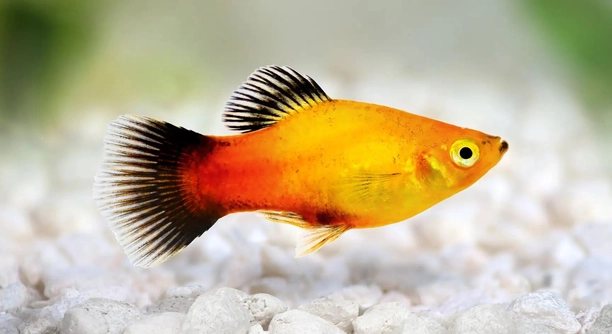
Platies are popular small fish that brighten many home aquariums. Knowing how much they eat each day helps keep them healthy and your tank clean. Feeding them properly supports their growth and overall well-being.
On average, adult platies consume about 2 to 3% of their body weight daily. This typically translates to a small pinch of food twice a day, ensuring they receive adequate nutrition without overfeeding, which can harm both the fish and water quality.
Understanding proper feeding habits prevents common problems and promotes a balanced aquarium environment. The following information will help you maintain your platies’ health and happiness effectively.
How Much Food Do Platies Need Daily?
Platies are small fish with moderate appetites. They should be fed a small amount of food two times each day. Overfeeding can cause water pollution and harm their health. A good rule of thumb is to give them food they can finish within two to three minutes. This prevents leftover food from decaying in the tank, which leads to poor water quality. It is better to feed less than more because platies can go a day without food if necessary. A balanced diet includes flakes, pellets, and occasional treats like brine shrimp or vegetables. Watching their behavior during feeding helps you adjust portions if they finish quickly or leave food behind. Keeping track of feeding habits ensures your platies stay healthy and active.
Feeding twice daily with controlled portions helps maintain water cleanliness and fish health.
Proper feeding habits support the overall ecosystem of your aquarium, reducing waste buildup and promoting better fish vitality.
Best Types of Food for Platies
Platies benefit from a varied diet that provides all necessary nutrients. Flake foods designed for tropical fish are a common staple. These flakes contain proteins, fats, vitamins, and minerals. Adding frozen or live foods like brine shrimp, daphnia, or bloodworms provides extra protein and stimulates natural hunting behavior. Fresh vegetables such as blanched spinach or peas can also be offered occasionally to supply fiber and vitamins. It is important to avoid overfeeding high-fat foods, as this can lead to obesity and water issues. Providing different types of food not only keeps your platies interested but also supports their health by offering a balanced mix of nutrients. Regularly changing food options also helps prevent dietary deficiencies and keeps your fish vibrant.
Keeping a mix of flakes, live foods, and vegetables offers the best nutrition balance for platies. Feeding varied food supports their health and natural behavior, which improves their well-being over time.
Signs of Overfeeding Platies
Overfeeding platies can cause health problems and water issues. Signs include sluggish behavior, swollen bellies, and leftover food in the tank. Poor water quality often results from uneaten food decaying, increasing harmful ammonia and nitrite levels.
When platies eat too much, they may become lethargic or develop swim bladder problems. Excess food not consumed settles at the tank bottom, leading to dirty water and algae growth. This environment stresses the fish and encourages disease. Monitoring how much you feed and removing uneaten food helps maintain balance. Feeding smaller portions more frequently can prevent these issues and keep your aquarium healthy.
Water conditions worsen quickly from excess food, so regular tank cleaning becomes essential to avoid long-term damage. Preventing overfeeding safeguards your platies’ health and water quality.
Adjusting Feeding Amounts for Growth and Age
Young platies require more food than adults to support their growth. Juveniles eat smaller, more frequent meals to meet energy demands. As they mature, their appetite stabilizes, and feeding can be reduced accordingly.
Adult platies generally need less food, so it’s important to observe their weight and activity. If fish appear thin or inactive, increasing food slightly may be needed. Conversely, overweight fish should receive less to avoid health issues. Adjusting feeding amounts based on age and condition ensures optimal nutrition without excess waste.
Careful monitoring over time helps maintain proper feeding, which is key for their development and longevity in your aquarium.
Feeding Frequency for Platies
Platies thrive when fed two small meals each day. This schedule supports their metabolism and keeps their energy steady.
Feeding more than twice daily can lead to overfeeding and water problems. Consistency in feeding times also helps fish adjust and stay healthy.
Importance of Portion Control
Controlling portions prevents leftover food from polluting the tank. It also reduces the risk of obesity and related health issues in platies. Keeping portions small but sufficient helps maintain clean water and healthy fish behavior.
Tips for Feeding Platies
Feed small amounts that platies can consume within a few minutes. Remove any uneaten food promptly to avoid water contamination. Rotate food types for balanced nutrition and keep feeding times consistent to support their natural routine.
FAQ
How much should I feed my platies per day?
Platies generally need about 2 to 3% of their body weight in food daily. This usually means giving them a small pinch of flakes or pellets twice a day. The amount should be what they can finish in about two to three minutes to avoid overfeeding and water issues.
Can I feed platies only flakes?
While flakes can provide basic nutrition, relying on them alone isn’t ideal. Platies benefit from a varied diet including flakes, frozen or live foods like brine shrimp, and occasional vegetables. This variety keeps them healthy and interested in their food.
How often should I feed baby platies?
Baby platies need more frequent feedings, usually three to four times a day in small portions. Their small size and fast growth require consistent energy, so dividing their daily food into multiple small meals helps them thrive.
What happens if I overfeed my platies?
Overfeeding leads to leftover food in the tank, which decomposes and pollutes the water. This can cause stress and diseases in platies. Overfed fish may also become overweight, resulting in swim bladder problems and a shorter lifespan.
Can platies eat vegetables?
Yes, platies enjoy and benefit from blanched vegetables such as spinach, peas, and zucchini. These provide fiber and vitamins that support digestion and overall health. Feed veggies sparingly, as treats, alongside their regular diet.
How do I know if my platies are hungry?
Platies will swim actively to the surface during feeding time and eagerly eat the food offered. If they ignore food or show sluggish behavior, they may be full or unwell. Observing their eating patterns helps adjust feeding amounts.
Is it okay to skip feeding platies for a day?
Skipping one feeding occasionally is not harmful and can help prevent overfeeding. Platies can survive short periods without food, but regular feeding is important for their health and growth.
Should feeding amounts change with seasons?
Feeding amounts may need slight adjustments if your tank temperature changes significantly. Higher temperatures increase metabolism, so platies may eat more in warmer months and less in cooler months. Always watch their behavior to decide.
Can I feed platies human food?
It’s best to avoid feeding human food, as it often lacks the necessary nutrients and may contain harmful ingredients. Stick to fish-specific foods and occasional safe vegetables to keep your platies healthy.
How do I prevent my platies from becoming obese?
Feed small portions and avoid overfeeding. Maintain a consistent feeding schedule and remove uneaten food promptly. Providing space for swimming and a healthy environment also supports proper weight.
What types of live foods are best for platies?
Brine shrimp, daphnia, and bloodworms are excellent live food choices. They provide high protein and encourage natural hunting behavior, keeping your platies active and healthy.
Can feeding too little harm my platies?
Yes, underfeeding can cause poor growth, weakened immune systems, and reduced energy. It’s important to feed enough to meet their nutritional needs but not so much that it harms water quality.
How long can platies go without food?
Platies can survive about two to three days without food, but it’s not recommended to starve them regularly. Consistent feeding helps maintain their health and vitality.
Should I feed my platies differently if they are pregnant?
Pregnant platies need slightly more food and protein to support their development. Feeding high-quality flakes and live foods in small, frequent portions helps ensure healthy fry and mother.
Can I feed platies at night?
Platies are diurnal and prefer feeding during the day. Feeding at night is unnecessary and may lead to leftover food decaying in the tank. Stick to daytime feedings to match their natural habits.
What is the best way to introduce new food to platies?
Introduce new foods gradually by mixing small amounts with their usual diet. This helps prevent digestive upset and allows platies to adjust to new tastes and textures.
How do water conditions affect feeding?
Poor water quality can reduce platies’ appetite and digestion. Keeping the tank clean and stable helps ensure they eat well and absorb nutrients properly.
Can stress affect how much platies eat?
Yes, stressed fish often eat less or stop eating. Stress can come from overcrowding, poor water quality, or aggressive tank mates. Reducing stress improves feeding behavior and overall health.
Is it necessary to fast platies one day a week?
Some fishkeepers fast their fish one day a week to prevent digestive problems and overfeeding. While not essential, this practice can help maintain balance and reduce waste buildup.
How can I tell if my platies are getting enough nutrition?
Healthy platies have vibrant colors, active swimming, and regular eating habits. They grow steadily and show no signs of illness or lethargy. Poor nutrition may show as faded colors, slow growth, or unusual behavior.
What are signs of nutrient deficiency in platies?
Signs include dull coloration, loss of appetite, and weakened immune response. Providing a varied diet with flakes, live food, and vegetables helps prevent deficiencies.
How long does platy food stay fresh?
Store flakes and pellets in a cool, dry place away from sunlight. Most commercial fish foods last several months if sealed properly, but expired food loses nutritional value and should be discarded.
Can feeding platies too much cause algae growth?
Yes, leftover food increases nutrients in the water, promoting algae growth. Controlling feeding amounts and removing uneaten food help keep algae under control.
Is it okay to feed platies frozen food only?
Frozen food can be a good supplement but should not replace flakes or pellets entirely. Combining frozen food with other types ensures balanced nutrition and variety.
Proper feeding is essential for keeping platies healthy and thriving in your aquarium. Knowing how much to feed them each day helps prevent common problems like overfeeding, which can lead to water pollution and illness. Feeding small amounts twice daily, enough for the fish to finish in a few minutes, is a simple but effective routine. This approach keeps the tank cleaner and reduces the risk of leftover food causing water quality issues. Paying attention to your platies’ behavior during feeding times will help you adjust portions as needed to maintain their health.
Variety in your platies’ diet is just as important as portion control. Offering flakes as the main food, supplemented with occasional live or frozen treats like brine shrimp and some blanched vegetables, provides a balanced mix of nutrients. This helps support their growth, coloration, and immune system. Avoid relying on one food type only, since a varied diet prevents nutritional gaps and keeps your fish interested in eating. Remember that young platies require more frequent feedings to support their growth, while adult fish need less. Adjusting feeding amounts based on age and activity level ensures they get the right nutrition without overfeeding.
Feeding your platies responsibly benefits both the fish and your aquarium environment. Maintaining clean water by removing uneaten food and avoiding overfeeding will reduce stress and disease risk for your fish. Consistent feeding times and proper portion sizes contribute to a stable and healthy tank ecosystem. Observing your fish regularly allows you to catch any feeding or health issues early. By following these basic feeding guidelines, you create the best conditions for your platies to live a long, happy, and healthy life in your care.

Hello,
If you enjoy the content that we create, please consider saying a "Thank You!" by leaving a tip.
Every little bit helps us continue crafting quality advice that supports the health, happiness, and well-being of pets around the world, for pets of all shapes, sizes, and species.
We really appreciate the kindness and support that you show us!