
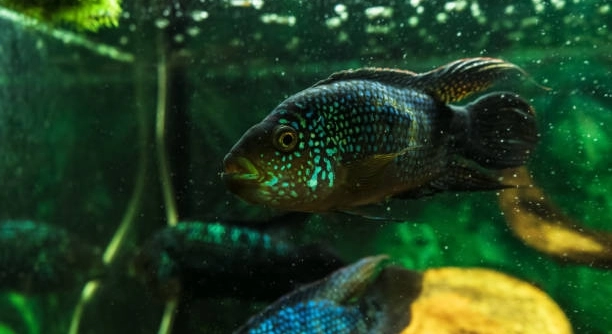
Keeping Jack Dempsey fish requires balance between space, behavior, and care, especially for new aquarists. Stocking choices affect stress levels, health, and tank harmony, making clear guidelines helpful when planning a peaceful aquarium setup environment.
The appropriate number of Jack Dempsey fish is typically one adult per aquarium, with a minimum of fifty five gallons. Due to territorial aggression, keeping multiple specimens requires larger tanks, careful pairing, and structured environments to reduce conflict and stress.
Stocking limits connect closely to tank size, temperament, and long term care, shaping success for both fish and keeper outcomes.
Tank Size and Territory Needs
Tank size plays the biggest role in deciding how many Jack Dempsey fish you can keep safely. These fish grow large, become protective, and claim space quickly. A cramped tank increases tension and weakens water quality. I learned early that extra room changes their behavior for the better. A single adult needs at least fifty five gallons to swim freely and establish territory. Larger tanks allow stable temperatures and better filtration, which reduces stress. Rock structures and hiding spots help divide space and create clear boundaries. Without enough room, aggression becomes constant and injuries are common. Tank length matters as much as volume because these fish patrol horizontally. Planning space first prevents losses and keeps maintenance manageable. Giving them room supports healthy growth, stronger color, and calmer interactions throughout daily tank activity. This approach saves time, money, and emotional strain for keepers managing long term care at home aquariums setups.
Overcrowding often leads to torn fins, constant chasing, and unstable water conditions. Even strong filtration cannot offset stress caused by limited space. When space is respected, Jack Dempsey fish display calmer movements, better feeding responses, and improved overall health over extended periods within controlled aquarium environments for long term stability.
Juvenile Jack Dempsey fish may appear peaceful when small, but behavior shifts as they mature. Growth brings stronger territorial instincts and breeding aggression. Many losses happen when owners rely on early behavior instead of adult needs. I always plan stocking based on final size, not current appearance. Upgrading tanks later is stressful for fish and costly. Providing appropriate space from the start supports stable social structure. This approach also simplifies feeding routines and cleaning schedules. Long term planning reduces sudden changes that disrupt tank balance and fish health. It creates predictable behavior patterns and a calmer daily viewing experience overall.
Keeping More Than One Jack Dempsey
Keeping more than one Jack Dempsey fish is possible, but conditions must be precise. Tank size, layout, and pairing determine success. Without preparation, conflicts escalate quickly. Larger aquariums with visual barriers help reduce direct confrontation and ongoing stress between adults sharing limited territories within enclosed home aquarium systems safely managed.
When housing multiple Jack Dempsey fish, tank size should exceed seventy five gallons, with additional space for each added fish. Pairing works best with a bonded male and female, introduced together. Random mixing often triggers dominance behavior. I prefer heavy decor using rocks and driftwood to break lines of sight. This limits constant visual contact and reduces tension. Each fish needs its own shelter to retreat without competition. Monitoring behavior daily is essential during the first weeks. Signs like lip locking, relentless chasing, or refusal to eat require immediate action. Removing one fish early prevents injury. Breeding pairs may still show aggression, especially during spawning periods. Extra hiding areas protect the less dominant fish. Consistent water changes support immune function under stress. Feeding at separate ends of the tank helps limit conflict. Success depends on space, structure, and willingness to intervene quickly when behavior shifts. This approach requires patience and observation. I keep spare tanks ready in case separation becomes necessary. Planning for backup options prevents rushed decisions. Long term harmony is never guaranteed, but preparation improves outcomes and protects fish welfare over extended periods. Tank dividers and rehoming plans remain responsible tools when aggression persists beyond manageable limits consistently.
Compatible Tank Mates
Jack Dempsey fish require tank mates that tolerate firm behavior and similar water conditions. Peaceful or small species struggle under pressure. Choosing compatible fish reduces stress and limits constant chasing, allowing each inhabitant to maintain feeding routines and normal activity without ongoing conflict within shared aquarium environments over long periods.
Large cichlids such as green terrors or severums can sometimes coexist when space allows. These fish hold their ground and avoid constant retreat. Bottom dwellers like sturdy plecos may work if hiding areas are available. I avoid fin nippers or fast schooling fish, as they increase agitation. Introducing all fish at similar sizes helps prevent dominance issues. Rearranging decor before adding new fish can reset territorial claims. Even with planning, close observation remains necessary. Compatibility depends on individual temperament, not just species labels, and long term success improves with patience and backup housing options ready for sudden aggression changes appearing.
Keeping incompatible tank mates often forces you to reduce Jack Dempsey numbers later. Stress builds quietly through missed meals and constant movement. I have noticed withdrawn behavior appears before visible damage. Selecting fewer but suitable fish creates a calmer tank. Extra space acts as a buffer when disputes arise. Filtration and water changes remain easier with lower stocking levels. Balanced stocking supports steady growth, consistent color, and predictable behavior patterns. This approach protects all fish involved and simplifies long term care responsibilities. It also reduces sudden losses and emotional frustration for owners managing home aquariums over extended periods safely maintained.
Signs of Overcrowding
Overcrowding shows through constant chasing, hiding, and uneven feeding. Fish may linger near corners or filters. Torn fins and faded color signal rising stress. I watch for rapid breathing and sudden aggression shifts. Cloudy water and fast waste buildup also indicate excess stock. These signs appear before serious injury, offering a chance to act early. Ignoring them often leads to losses and long recovery periods for remaining fish within confined aquarium spaces under daily care.
When these signs appear, reducing stock should happen immediately. Removing decor rarely solves the issue. I prefer relocating one fish rather than waiting. Temporary isolation tanks help stabilize behavior. Increasing tank size is another option, though not always practical. Water quality testing often reveals elevated ammonia or nitrate levels during overcrowding. Frequent water changes offer short relief but do not fix space limits. Long term stability depends on respecting adult size and behavior. Acting early prevents injuries and limits stress related illness. Consistent observation remains the most reliable tool for maintaining balance. This habit allows adjustments before losses occur and supports healthier fish over extended periods, while reducing maintenance strain and emotional fatigue for long term keepers managing aggressive cichlid tanks at home safely responsibly.
Water Quality and Filtration
Water quality directly affects how many Jack Dempsey fish a tank can support. Waste builds fast with large cichlids. Strong filtration, weekly water changes, and stable temperature reduce stress. Clean water helps control aggression and supports appetite, growth, and immune strength over time in confined home aquariums with proper care.
I rely on oversized filters and steady routines to avoid sudden swings. Skipped maintenance quickly shows through odor and cloudy water. Testing weekly keeps nitrate levels predictable. When water stays stable, Jack Dempsey fish eat better, patrol less aggressively, and recover faster from minor stress during long term tank care.
Tank Layout and Structure
Tank layout influences how many Jack Dempsey fish coexist successfully. Rocks, caves, and wood create visual breaks that limit constant confrontation. I spread shelters evenly to prevent competition. Open swimming areas remain important for movement. Poor layout forces repeated encounters, increasing tension. Balanced design gives each fish defined space. This reduces chasing and helps weaker fish rest. Rearranging decor can reset behavior if aggression rises. Structure matters as much as tank size. Thoughtful placement improves daily behavior and long term stability for both fish and keeper within closed aquarium systems under routine home care conditions consistently maintained over time safely.
Breeding Considerations
Breeding increases aggression and changes stocking limits quickly. A bonded pair defends eggs and territory intensely. Extra space and barriers become necessary. I avoid adding tank mates during breeding periods. Removing extra fish protects them from harm and keeps water conditions stable in small home aquariums with limited space available.
FAQ
How many Jack Dempsey fish can live in the same tank?
A single adult Jack Dempsey needs at least fifty five gallons. Two can live together if the tank exceeds seventy five gallons with plenty of hiding spaces. Pairing works best when fish are introduced at the same time. I always plan tank size for adult dimensions, not juveniles, to avoid aggression and stress.
Can Jack Dempsey fish share a tank with other cichlids?
Yes, but compatibility depends on size, temperament, and space. Large, semi-aggressive cichlids like green terrors or severums sometimes coexist in big tanks. Smaller or very passive fish usually get bullied. I make sure each species has visual breaks and enough shelters to retreat safely.
What are the signs that my tank is overcrowded?
Overcrowding shows as constant chasing, torn fins, faded color, and hiding. Fish may linger near corners or filters. Appetite may decrease, and aggression spikes. Cloudy water or high nitrate readings often appear alongside stress behaviors. I observe behavior daily to catch early warning signs and prevent injuries.
Do Jack Dempsey fish need separate hiding places?
Yes. Each fish benefits from at least one retreat. Caves, rocks, and driftwood reduce tension by letting fish claim their own territory. I place hiding spots on opposite sides of the tank and avoid clustering them together. This reduces direct confrontations and supports calmer daily behavior.
How often should I clean a tank with multiple Jack Dempsey fish?
Large cichlids produce a lot of waste. I do partial water changes weekly and clean filter media every two to three weeks. Overcleaning can disturb beneficial bacteria, while neglecting maintenance raises ammonia and nitrate levels, increasing stress. Proper balance keeps water clear and fish healthy.
Can juvenile Jack Dempsey fish be kept together safely?
Juveniles are less aggressive, but behavior changes as they grow. Early stocking must consider adult size and eventual tank needs. I plan tank upgrades in advance. Rearranging decor before adding new fish resets territories and reduces fights as fish mature.
What tank layout works best for Jack Dempsey fish?
I create open swimming areas and multiple shelters to break lines of sight. Rocks, caves, and driftwood prevent constant confrontation. Open spaces allow free movement, while structured areas reduce competition. Rearranging the layout occasionally resets territories and helps manage aggression between adults.
Do Jack Dempsey fish need larger tanks during breeding?
Yes. Breeding pairs become highly territorial. Extra space and barriers help protect eggs and fry. I separate aggressive pairs from other tank mates. Providing caves and visual breaks limits conflict and keeps both breeding fish and others safe during this sensitive period.
How can I improve water quality in a heavily stocked tank?
Strong filtration, frequent water changes, and stable temperatures are key. Oversized filters prevent ammonia spikes. I test water weekly and adjust routines if nitrate or ammonia levels rise. Clean water keeps fish healthy, supports appetite, and reduces stress-related aggression.
What should I do if aggression gets out of control?
Immediate action is necessary. I remove the most aggressive fish or isolate victims in a temporary tank. Rearranging decor or adding visual barriers can reduce tension. Long term, respecting adult size and proper tank limits prevents repeated problems. Planning backup tanks in advance is always helpful.
Can Jack Dempsey fish live with small schooling fish?
Small schooling fish often get bullied. I avoid combining them with Jack Dempsey adults. If included, they require very large tanks with multiple hiding areas, but stress and losses are common. Choosing similar-sized, semi-aggressive species usually works better.
How do I know if my Jack Dempsey fish is stressed?
Stress shows as faded color, hiding, rapid breathing, poor appetite, and unusual aggression. Cloudy water or ammonia spikes often accompany stress. I monitor behavior daily and adjust tank size, layout, or stocking to maintain calm conditions and prevent long-term health issues.
Is it possible to keep more than two Jack Dempsey fish together?
Yes, with very large tanks, multiple shelters, and careful pairing. I never add random individuals to an established tank. Even in ideal conditions, conflicts can happen, so monitoring and backup housing are necessary. Success relies on planning and observing behavior over weeks, not days.
How can I reduce aggression during feeding?
I feed at multiple locations in the tank and scatter food to prevent fights. Larger portions reduce competition. Visual barriers near feeding zones help timid fish eat without harassment. Consistent routines make feeding less stressful, ensuring all fish get nutrition while keeping the tank calmer.
Do Jack Dempsey fish get along with bottom dwellers?
Sturdy bottom dwellers like plecos usually work if they have hiding spots. Fragile or slow-moving species may get chased. I place shelters for bottom fish away from the main territories of Jack Dempsey fish. This reduces stress and protects both species during daily tank interactions.
How often should I test water parameters in a Jack Dempsey tank?
I test ammonia, nitrite, and nitrate at least weekly. Frequent monitoring catches problems early, especially in heavily stocked tanks. Sudden spikes indicate overcrowding or filtration issues. Early intervention prevents injuries, maintains growth, and supports color intensity for all fish in the tank.
Can Jack Dempsey fish tolerate community tanks?
Community tanks work only with compatible, similar-sized species. Avoid small, passive fish. I focus on semi-aggressive cichlids and ensure space and hiding areas are adequate. Even then, I monitor behavior constantly, ready to remove fish if aggression escalates unexpectedly.
What are the long-term risks of keeping too many Jack Dempsey fish?
Overcrowding leads to chronic stress, poor growth, disease, and injuries. I’ve seen tanks fail due to ignoring space needs. Extra space, proper layout, and careful stocking reduce these risks. Long-term success requires respecting size, temperament, and behavior patterns consistently.
How do I introduce new Jack Dempsey fish safely?
I rearrange decor before adding new fish to reset territories. Introduce at the same time or use a divider. Observing initial interactions prevents serious injuries. Slow, careful introductions are more effective than sudden mixing in established tanks with existing territorial adults.
Are there signs that two Jack Dempsey fish will coexist peacefully?
Balanced chasing, shared feeding without constant attacks, and clearly defined territories indicate tolerance. I watch behavior for at least a week before deciding. Minor scuffles are normal, but persistent harassment signals incompatibility and the need for separation to prevent injury.
Can Jack Dempsey fish be rehomed if overcrowding occurs?
Yes. I always plan for backup housing or rehoming options. Timely removal reduces stress, prevents injuries, and protects water quality. Overcrowding rarely fixes itself, so preparing alternative solutions is part of responsible long-term tank management for these aggressive cichlids.
What is the maximum number of Jack Dempsey fish recommended?
In most home setups, keeping more than two adults is risky. Tanks over seventy five gallons with multiple hiding spaces may allow three or four, but constant observation is required. I never rely on luck; proper space, layout, and compatible pairings are essential for safe, long-term cohabitation.
How does tank size affect Jack Dempsey aggression?
Smaller tanks increase conflicts quickly. I’ve noticed fish calm down significantly when given extra space. Larger aquariums allow territory establishment, natural movement, and retreat from aggressors. Size alone cannot solve all problems, but it is the first and most important step in preventing chronic aggression.
Do Jack Dempsey fish need separate tanks during breeding seasons?
Yes. Breeding pairs defend territory aggressively. I remove other tank mates temporarily to protect them. Extra barriers or a separate tank ensures eggs survive and reduces stress for non-breeding fish. Even in large tanks, separation is safer during spawning periods.
How do I handle a sudden outbreak of aggression?
Immediate separation or use of a tank divider is key. I remove the aggressor or relocate victims temporarily. Rearranging hiding spaces can reduce repeated fights. Quick intervention prevents injury, protects weaker fish, and maintains stable water conditions in the tank.
Can Jack Dempsey fish live peacefully with other aggressive species?
Peaceful coexistence is possible with careful matching of size, temperament, and space. I focus on semi-aggressive cichlids of similar size. Even then, monitoring is essential. Visual barriers, multiple hiding spots, and open swimming areas reduce conflict but do not guarantee harmony.
How much space per Jack Dempsey fish is ideal?
One adult requires at least fifty five gallons. Adding a second increases needs to seventy five gallons or more. I always calculate adult size, not juvenile measurements, to avoid overcrowding. Proper space minimizes aggression, improves feeding, and supports health and coloration over the long term.
What are the common mistakes new keepers make?
Underestimating adult size, overcrowding, ignoring water quality, and mismatched tank mates are frequent errors. I’ve seen new keepers add too many juveniles and regret it later. Planning for adult behavior, providing hiding spaces, and monitoring water parameters are key steps for success.
How do I maintain stable water conditions in a Jack Dempsey tank?
Consistent filtration, partial water changes, and weekly testing are critical. I avoid sudden rearrangements or overfeeding. Stability supports growth, coloration, appetite, and calmer behavior. Regular observation ensures adjustments happen before serious issues develop, protecting both fish health and tank ecosystem balance.
What should I do if a Jack Dempsey fish becomes sick?
Isolation in a quarantine tank is necessary. I check water parameters, adjust temperature, and treat with appropriate medications. Stress reduction, clean water, and proper nutrition improve recovery chances. Preventive care remains more effective than dealing with illness after it spreads in the main tank.
Can Jack Dempsey fish live in smaller tanks if paired carefully?
Even careful pairing in small tanks often fails as fish grow. I avoid keeping adults together in under fifty five gallons. Small tanks limit territory, increase aggression, and create water quality challenges, outweighing the benefits of careful pairing.
How do I monitor interactions between multiple Jack Dempsey fish?
Daily observation is essential. I look for chasing, fin nipping, and color changes. Minor disputes are normal, but persistent aggression requires intervention. Keeping notes on behavior helps track patterns and informs decisions about rearranging decor, separating fish, or adjusting feeding routines to maintain harmony.
Can visual barriers reduce fighting in a shared tank?
Yes. Rocks, caves, and driftwood break lines of sight and give fish retreats. I place barriers evenly to avoid favoring one fish. Visual breaks reduce constant confrontation, lower stress, and allow each fish to patrol their area more calmly, improving overall tank balance and fish health over time.
How do I plan tank upgrades for Jack Dempsey fish?
I always calculate adult size and allow extra space for new individuals. Upgrading early prevents stress and injuries. Rearranging decor and relocating fish gradually maintains territory awareness. Planning ahead avoids rushed decisions that could jeopardize health, aggression management, and water stability in long-term tanks.
What are the risks of ignoring stocking limits?
Ignoring limits leads to chronic stress, disease, injuries, poor growth, and water quality problems. I’ve experienced sudden losses due to overcrowding. Respecting adult size, tank space, and behavior patterns ensures calmer fish, predictable interactions, and long-term success in the aquarium.
How do I balance aggression and coexistence?
Providing space, multiple shelters, open swimming areas, and careful pairing reduces conflict. I monitor behavior, intervene quickly, and adjust layout as needed. Feeding strategies and visual barriers support harmony. Balance is an ongoing effort, not a one-time setup, requiring attention to behavior and tank conditions over weeks and months.
What is the easiest way to prevent injuries in a multi-fish tank?
Limit numbers, respect adult size, provide hiding places, and monitor interactions closely. I remove aggressive fish quickly and ensure water quality remains stable. Consistent care and planning prevent fights, reduce stress, and protect long-term health and color vibrancy in all Jack Dempsey fish.
How do I introduce new fish into an existing tank?
Rearranging decor before introduction helps reset territories. I use a divider or slow acclimation to minimize fighting. Watching initial interactions is critical. Quick action prevents serious injuries. Introducing fish carefully ensures safer cohabitation and long-term stability in tanks with multiple territorial adults.
Can Jack Dempsey fish live with non-cichlid species?
Non-cichlids often struggle with aggression. I avoid mixing small or slow species. Larger, robust species might survive if hiding spaces exist. Choosing compatible, similar-sized cichlids remains the safer approach for predictable, long-term cohabitation and maintaining water stability.
What do I do if two Jack Dempsey fish are fighting constantly?
Immediate separation or a tank divider is necessary. I remove the aggressor or relocate the victim temporarily. Rearranging hiding spots can reduce tension. Acting quickly prevents injury, reduces stress, and stabilizes water conditions while preserving long-term harmony in the aquarium.
How important is regular observation in a Jack Dempsey tank?
Observation is essential. I check for chasing, hiding, feeding behavior, and color changes daily. Early detection of aggression, stress, or illness allows intervention before serious harm occurs. Consistent attention supports stable interactions, healthier fish, and long-term success in multi-fish setups.
How do I safely house juvenile Jack Dempsey fish?
Juveniles tolerate closer quarters, but growth must be considered. I plan tank size for adult dimensions, provide hiding spots, and rearrange decor as they mature. Gradual introduction prevents early dominance disputes and prepares fish for future cohabitation or tank upgrades.
Can Jack Dempsey fish live with schooling fish long-term?
Small schooling fish are often stressed and chased by Jack Dempsey adults. Even with hiding spots, losses are common. I recommend similar-sized, semi-aggressive cichlids instead. Schooling species rarely thrive in these tanks long-term due to aggression and territorial behavior.
What feeding practices reduce aggression?
I feed at multiple spots and scatter food to prevent fights. Consistent schedules and appropriate portions reduce competition. Timid fish access food safely, and dominant fish do not monopolize resources. This simple approach supports calmer behavior and healthier tank dynamics over time.
Are Jack Dempsey fish suitable for community tanks?
Only with compatible species and sufficient space. Small, passive, or slow-moving fish are at risk. I prioritize semi-aggressive cichlids of similar size. Even in ideal conditions, monitoring and ready backup housing remain necessary to prevent serious aggression.
How do I manage tank water when stocking heavily?
Oversized filters, frequent water changes, and weekly testing are crucial. I monitor ammonia, nitrite, and nitrate levels closely. Stable water conditions reduce stress, improve appetite, and prevent illness, supporting healthier fish and calmer tank dynamics under high-density setups.
What precautions should I take during breeding?
Separate other fish from breeding pairs. Provide extra hiding spots and visual barriers. I observe constantly to prevent injuries and maintain water stability. Even in large tanks, isolation during spawning reduces stress and protects eggs and fry from harassment by other fish.
How do I safely reduce tank population if overcrowding occurs?
I rehome excess fish or use temporary tanks. Acting quickly prevents stress, injuries, and water quality issues. Timely intervention maintains calm behavior and ensures remaining fish continue to thrive in a stable environment with sufficient space and resources.
What are the signs that a pair of Jack Dempsey fish will breed successfully?
Bonded behavior, shared territory, and cooperative nest building indicate compatibility. I watch for mutual guarding and consistent feeding patterns. Minor disputes are normal, but persistent aggression suggests pairing will fail. Observation ensures safe breeding and protects both adults and potential offspring.
How do I prevent long-term stress in Jack Dempsey fish?
Space, proper tank mates, hiding spots, and strong filtration are key. I monitor behavior daily, intervene when necessary, and avoid overcrowding. Consistency in feeding, water quality, and layout reduces stress and supports color, growth, and health over extended periods.
How do I introduce new decor safely?
I move existing shelters gradually and avoid disrupting main territories. Visual breaks prevent fighting. Gradual changes help fish adjust without triggering major aggression. Careful planning keeps the tank stable while improving environment structure for both dominant and timid individuals.
Can Jack Dempsey fish live with small invertebrates?
Small invertebrates often get eaten or stressed. I avoid combining them in tanks with adults. Only very large, armored species may survive. Choosing compatible fish species remains the safer approach for maintaining stability, water quality, and predictable tank behavior long-term.
How do I monitor water parameters effectively?
I test weekly for ammonia, nitrite, nitrate, pH, and temperature. Sudden changes indicate overcrowding or filtration issues. Early detection allows immediate correction. Maintaining stable water prevents stress, promotes feeding, and reduces aggression in Jack Dempsey fish over time in shared aquariums.
How important are shelters for multi-fish tanks?
Shelters reduce aggression, allow retreats, and define territories. I place caves and rocks evenly and avoid clustering. Visual breaks prevent constant chasing. Proper shelter placement improves daily behavior and long-term harmony, especially in tanks with more than one adult Jack Dempsey fish.
Can Jack Dempsey fish live in planted tanks?
Yes, but they may uproot plants. I use hardy species and secure roots. Plants provide hiding spots and break sight lines. Proper layout and spacing ensure plants survive while still creating visual barriers for calmer fish interactions.
What are common mistakes during fish introduction?
Introducing fish to an established tank without rearranging decor, ignoring size differences, and rushing acclimation often lead to fights. I slow introductions, reset territories, and observe behavior closely. Careful preparation prevents injuries, reduces stress, and improves long-term coexistence.
How do I prevent aggression when adding new fish?
Rearranging shelters, using dividers, and introducing fish gradually helps. I watch for dominance behavior and remove fish if fights escalate. Slow, controlled introductions reduce stress and support more peaceful interactions in tanks with adult Jack Dempsey fish already established.
How do I handle water quality during high stocking?
Oversized filtration, partial water changes, and weekly testing stabilize conditions. I monitor parameters closely and adjust feeding to prevent spikes. Clean, stable water reduces aggression, promotes appetite, and maintains health for all fish in heavily stocked environments.
Can Jack Dempsey fish live with slow-moving species?
Slow species often get bullied. I avoid including them. Only large, robust species may coexist. Properly matching temperament, size, and space remains the safest strategy for long-term, peaceful tank management with aggressive cichlids.
What long-term care is needed for multiple Jack Dempsey fish?
Regular water testing, partial changes, observation of behavior, and shelter management are essential. I monitor
Keeping Jack Dempsey fish is rewarding but requires careful planning. These fish grow large, become territorial, and show aggression if space or structure is inadequate. A single adult needs at least fifty five gallons, and adding more fish requires even larger tanks with multiple hiding spots. Planning for adult size from the beginning helps avoid stress and injuries later. I’ve learned that providing open swimming areas alongside caves, rocks, and driftwood makes a big difference in behavior. When fish have clear territories, aggression is reduced, feeding is calmer, and daily observation becomes easier. Overcrowding is the main reason health issues occur, so respecting limits is essential for both fish and the tank environment.
Water quality is another crucial factor when keeping Jack Dempsey fish. Large cichlids produce a lot of waste, and poor filtration or infrequent water changes quickly lead to high ammonia or nitrate levels. I rely on oversized filters and weekly partial water changes to maintain stable conditions. Cloudy water, foul odor, or sudden spikes in chemical levels often appear before visible signs of stress, like faded color, hiding, or chasing. Monitoring water regularly supports immunity, appetite, and growth, while also reducing aggression caused by uncomfortable conditions. Tank layout, filtration, and water stability work together to create an environment where Jack Dempsey fish can thrive with minimal conflict.
Pairing and tank mates should also be carefully considered. Compatible fish are those that are similar in size and semi-aggressive, able to hold their own without constant harassment. Small, passive, or slow-moving species often struggle and may get injured or stressed. Juvenile Jack Dempsey fish may appear peaceful, but their behavior changes as they mature. I always plan stocking for adult size rather than juvenile appearance. Breeding pairs are especially territorial, requiring extra space, shelters, or temporary separation from other fish. By respecting adult behavior, providing proper tank size, stable water conditions, and thoughtful tank layout, long-term harmony and health become much easier to achieve. Following these basic principles ensures that Jack Dempsey fish remain vibrant, active, and relatively calm in a home aquarium, while keeping maintenance manageable and preventing common problems associated with overcrowding and aggression.

Hello,
If you enjoy the content that we create, please consider saying a "Thank You!" by leaving a tip.
Every little bit helps us continue crafting quality advice that supports the health, happiness, and well-being of pets around the world, for pets of all shapes, sizes, and species.
We really appreciate the kindness and support that you show us!