
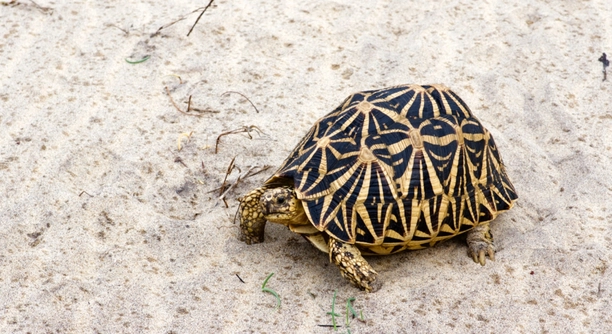
Turtles are fascinating creatures, and many people enjoy learning about their life cycle. One of the most intriguing aspects is how many eggs they lay. Understanding this can give you a deeper insight into their behavior.
Turtles typically lay between 20 to 30 eggs in a single clutch, although the number can vary depending on the species. Some species may lay fewer, while others can lay up to 100 eggs in rare cases.
The number of eggs a turtle lays can be influenced by various factors, such as the species, age, and environment. Knowing more about these factors helps in understanding turtle nesting patterns and how to care for hatchlings properly.
How Many Eggs Do Different Turtle Species Lay?
Turtle species vary significantly in the number of eggs they lay. The size of the species can often determine the number of eggs. Smaller turtles tend to lay fewer eggs, usually between 10 to 20, while larger species may lay anywhere from 30 to 100 eggs. Sea turtles, for example, lay the highest number, with some species laying up to 150 eggs in a single nesting season. This variation is a natural part of their reproduction process, helping them ensure the survival of their offspring despite high predation rates.
The number of eggs laid by a turtle is impacted by factors like age, health, and environmental conditions. Older and healthier turtles often produce more eggs. Also, species like leatherback sea turtles have larger clutches, whereas smaller freshwater species such as painted turtles may lay fewer eggs.
Environmental factors such as temperature and the availability of resources can influence the clutch size. For instance, female turtles might produce more eggs if the environment offers abundant food and favorable conditions for egg survival. Climate change also has the potential to affect the number of eggs laid by turtles, making it an area of concern for conservationists.
The Importance of Egg Laying for Turtle Survival
Turtles lay eggs as part of their natural life cycle, but the survival of their offspring is not guaranteed. Most turtle species face high rates of predation, and only a few hatchlings make it to adulthood. This is why laying a large number of eggs is crucial for maintaining turtle populations. The more eggs laid, the higher the chances of some hatchlings surviving. Without large clutch sizes, the species would struggle to maintain numbers over time.
Many turtles lay their eggs in protected areas like sandy beaches or hidden spots on riverbanks. The mother does not provide care for the eggs once they are laid, making them vulnerable to predators such as birds, raccoons, or even other turtles. The eggs’ survival largely depends on their location and the weather conditions during incubation.
How Long Do Turtle Eggs Take to Hatch?
Turtle eggs usually take between 45 to 75 days to hatch, depending on the species and environmental conditions. Warmer temperatures generally speed up the hatching process, while cooler ones can delay it. The exact time also varies based on where the turtle species lays its eggs.
Temperature plays a significant role in determining how long it takes for turtle eggs to hatch. For example, sea turtles tend to hatch faster in warmer climates. If the temperature is too hot or cold, it can either speed up or slow down their development. Also, higher temperatures can sometimes lead to a higher percentage of female hatchlings due to temperature-dependent sex determination.
Another factor affecting hatching time is the type of nest. Sea turtles often lay their eggs in deep, sandy nests, which provide insulation. Freshwater turtles, on the other hand, usually lay eggs in more compact areas, which can influence the incubation period. Environmental stressors, such as storms or flooding, can also affect how long the eggs take to hatch.
Caring for Turtle Hatchlings
Once a turtle hatches, it’s essential to offer the right care to ensure their survival. Hatchlings are vulnerable to predators and environmental challenges. If you’re caring for hatchlings, the first priority is providing them with a safe environment, away from danger. Keep them in a secure, warm area to mimic their natural habitat.
In addition to safety, feeding hatchlings with the proper diet is crucial for their growth. They need a balanced diet that includes protein, vegetables, and appropriate nutrients. Many species of turtle hatchlings are carnivorous and may need live food like insects, while others might eat plants and algae. Ensuring their diet is suited to their species will help them grow healthy.
Hatchlings also require access to water for hydration. Freshwater turtles should have clean water to swim in, while sea turtle hatchlings need a controlled saltwater environment. Proper lighting and warmth are necessary as well to maintain the correct body temperature. Keeping the environment stable will help the hatchlings adjust as they grow.
Common Problems with Turtle Eggs
Turtle eggs face several risks during incubation. Predators such as raccoons, birds, and even other turtles can destroy eggs. Additionally, environmental factors like flooding or extreme heat can damage or destroy the eggs before they hatch.
Another significant risk is human interference. Disturbances like construction or beach activities can disrupt nesting areas and lead to egg loss. Egg poaching, though illegal, is also a problem in some areas, as people collect turtle eggs for commercial purposes. The presence of predators and environmental threats makes successful hatching a rare occurrence.
Factors Affecting Egg Hatch Success
The survival of turtle eggs is influenced by various factors, including temperature, humidity, and the quality of the nesting site. If temperatures rise too high or drop too low, it can lead to the death of the embryos. High humidity is needed to keep the eggs from drying out, especially in drier climates.
Another important factor is the location of the nest. Nests buried in sand are often insulated and less affected by temperature fluctuations. However, nests exposed to rain or flooding are more likely to experience damage. Conservation efforts focus on protecting these natural nesting areas to improve hatchling survival rates.
How to Protect Turtle Nests
Protecting turtle nests from threats is essential for maintaining turtle populations. Many conservation programs focus on identifying nesting sites and safeguarding them from human disturbance. Marking the nests or placing protective barriers can help prevent predators from reaching the eggs.
Additionally, efforts to reduce beach development and pollution are key to preserving nesting areas. Educating the public on the importance of protecting turtle nests can also help reduce interference and increase hatchling survival rates.
FAQ
How many eggs do turtles lay in a single season?
The number of eggs a turtle lays in one season can vary depending on the species. On average, turtles lay between 20 to 30 eggs per clutch. However, some species, especially sea turtles, can lay over 100 eggs at once. Larger turtles, such as leatherbacks, may lay as many as 150 eggs in a single clutch, while smaller freshwater turtles tend to lay fewer eggs. The number of eggs may also be influenced by the turtle’s age, health, and environmental factors, such as food availability and temperature.
Do turtles lay eggs every year?
Turtles typically lay eggs every year, although the frequency can depend on their species and age. Most female turtles will lay eggs annually, but some species might only nest every two to three years. For instance, sea turtles often return to nest each year, while freshwater turtles might nest every other year. The interval between egg-laying years can vary, depending on the turtle’s reproductive cycle, climate conditions, and the resources available to them.
Do all turtle species lay the same number of eggs?
No, not all turtle species lay the same number of eggs. As mentioned earlier, larger species such as sea turtles may lay a large number of eggs—sometimes over 100—while smaller species may only lay a handful. For example, the painted turtle, a smaller freshwater species, usually lays 10 to 20 eggs per clutch. The reproductive strategy of each species is adapted to its environment and survival needs, which explains the variation in clutch size.
Can turtle eggs hatch if the nest is disturbed?
If a turtle nest is disturbed, it can negatively impact the eggs and reduce the chances of successful hatching. Disturbances such as human interference, predators, or environmental changes can damage the eggs or cause them to be exposed to extreme temperatures. In some cases, the eggs might still hatch if the disturbance isn’t too severe. However, constant or significant disruptions can lead to a high risk of egg loss, either through predation or improper incubation conditions.
What happens if the eggs get too hot or too cold?
Temperature plays a crucial role in the development and hatching of turtle eggs. If the temperature is too hot, it can speed up the embryos’ development, but extreme heat can also cause the eggs to become damaged, leading to death. On the other hand, if the temperature is too cold, the embryos may not develop properly, or the eggs may not hatch at all. Maintaining the right temperature is essential for successful incubation, and eggs that experience drastic temperature changes are at a much higher risk of failure.
How long does it take for turtle eggs to hatch?
Turtle eggs usually take anywhere from 45 to 75 days to hatch, depending on the species and environmental conditions. Warmer temperatures can shorten the incubation period, while cooler conditions might extend it. Sea turtles, for example, tend to hatch faster in warmer climates. If the temperature is too high or too low, the hatching process may be delayed. The incubation period also depends on the nest depth, humidity, and other environmental factors that affect the eggs.
Are turtle eggs vulnerable to predators?
Yes, turtle eggs are highly vulnerable to predators. In fact, a large portion of turtle eggs never make it to hatching due to predators such as raccoons, foxes, birds, and even other turtles. These animals often dig up the nests to eat the eggs, reducing the number of hatchlings that survive. Some species of turtles, like sea turtles, face additional threats from larger predators such as sharks once they hatch and make their way to the ocean.
What can be done to protect turtle eggs?
Protecting turtle eggs involves safeguarding their nesting sites from human disturbance and predators. Conservation programs often mark nesting areas or install barriers to prevent predators from reaching the eggs. In some cases, nests are relocated to safer areas to ensure the eggs are protected from flooding or other environmental threats. Reducing human impact on turtle nesting sites is another key aspect of protecting the eggs. This includes limiting beach activities during nesting seasons and educating people about the importance of keeping nesting areas undisturbed.
How can you help turtle hatchlings survive after they hatch?
Helping turtle hatchlings survive involves creating a safe environment where they can reach the water without being exposed to too many dangers. If you find a turtle hatchling, it is important to guide it toward the water while avoiding any direct handling, as this can stress the animal. It is also crucial to avoid disturbing the natural environment, as hatchlings need to navigate on their own to build strength. If you are in an area with many turtles, joining local conservation efforts can help protect hatchlings from predators and human interference.
Why are some turtle hatchlings female and others male?
The sex of a turtle hatchling is determined by the temperature of the eggs during incubation. This is known as temperature-dependent sex determination (TSD). In most species of turtles, higher temperatures tend to produce female hatchlings, while cooler temperatures result in male hatchlings. A specific temperature range is necessary to produce a balanced ratio of male and female turtles, and any extreme temperature variations could skew this balance, potentially affecting the population’s overall health.
Final Thoughts
Turtles are fascinating creatures, and understanding their reproductive process, including how many eggs they lay, is just one part of appreciating their life cycle. Female turtles typically lay between 20 to 30 eggs, though the number can vary depending on the species. Larger species, like sea turtles, may lay more eggs, sometimes up to 100 or more. This variation is influenced by factors such as the size of the turtle, its age, and the environment in which it lives. While it may seem like a large number, the survival rate for turtle eggs is low due to predation, environmental conditions, and human impact. This makes the number of eggs laid crucial for the survival of the species.
The process of egg incubation is just as critical to the survival of hatchlings. Temperature and environmental conditions play a significant role in whether the eggs successfully hatch. Warmer temperatures generally speed up the hatching process, while cooler temperatures can slow it down or even prevent hatching. If the eggs are exposed to extreme heat or cold, the embryos may not develop properly, which is why protecting nesting sites is essential. Nesting areas are vulnerable to human disturbance, predators, and natural threats like flooding, which can lead to a significant loss of eggs before they even have a chance to hatch. Conservation efforts focus on protecting these nesting grounds and ensuring hatchlings have a safe path to the water after they are born.
As we learn more about turtles and their egg-laying process, it becomes clear that conservation efforts are crucial. Protecting turtle nests from predators, human activities, and environmental threats is key to helping turtle populations thrive. If you live in an area where turtles nest, it’s important to follow guidelines that protect their habitats and avoid disturbing the eggs or hatchlings. By supporting conservation programs and being mindful of how our actions impact turtle populations, we can ensure that these incredible animals continue to have a place in our world for years to come.

Hello,
If you enjoy the content that we create, please consider saying a "Thank You!" by leaving a tip.
Every little bit helps us continue crafting quality advice that supports the health, happiness, and well-being of pets around the world, for pets of all shapes, sizes, and species.
We really appreciate the kindness and support that you show us!