
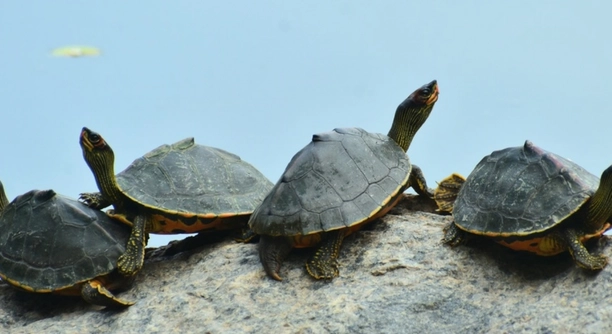
Indian Roofed Tortoises are fascinating creatures with unique care needs, especially when it comes to reproduction. Understanding their egg-laying habits can help ensure their well-being. Proper knowledge is essential for any tortoise owner looking to support their pet’s natural behaviors.
Indian Roofed Tortoises generally lay between 5 to 15 eggs per clutch. The number of eggs can vary based on age, health, and environmental factors. It is important to ensure a suitable nesting area for egg-laying, which supports the tortoise’s natural instincts.
Managing the needs of your tortoise, especially during egg-laying, can be challenging yet rewarding. Understanding their care requirements ensures healthy, happy tortoises throughout their life.
Egg-Laying Behavior of Indian Roofed Tortoises
Indian Roofed Tortoises typically lay their eggs in sandy or loose soil. They will often dig a nest with their back legs, creating a safe space for their eggs. This behavior helps protect the eggs from predators and environmental changes. It is essential for owners to provide a suitable nesting area, like a soft substrate or a designated corner in an enclosure, where they can dig freely. Ensuring proper environmental conditions, such as humidity and temperature, will encourage the tortoises to lay their eggs.
When preparing the nesting area, make sure to provide a place that mirrors their natural habitat. The temperature of the area should be consistent, with humidity levels kept in check. These factors directly impact the success of the egg-laying process.
Tortoises are very specific about the conditions they require for egg-laying. A proper environment is necessary to prevent stress, which can result in the tortoise not laying eggs. Ensuring a balance of warmth and moisture in their enclosure will contribute to their overall comfort and health.
Caring for the Eggs After Laying
Once the eggs are laid, it’s important to leave them undisturbed. Indian Roofed Tortoises typically lay their eggs and cover them with substrate. It’s critical not to interfere unless necessary. The eggs need to be kept warm and safe from disturbances, so do not try to move them unless required.
After the eggs are laid, consider incubating them in a separate area with controlled conditions. You can place them in an incubator with the proper temperature and humidity to ensure successful hatching. The incubation process usually takes around 80 to 100 days, depending on the temperature. Keeping the eggs in a consistent environment without interruption is key to allowing them to develop properly.
Egg Incubation Tips
When incubating Indian Roofed Tortoise eggs, it is crucial to maintain the right temperature and humidity. Eggs should be kept at a stable temperature around 82 to 88°F (28 to 31°C) and humidity levels between 70 to 90%. Consistency is key to ensuring proper development.
Make sure the eggs are placed in an incubator that offers both temperature control and humidity regulation. It’s important not to disturb the eggs too much, as this can cause them to stop developing. You should check periodically to ensure the conditions remain constant and adjust as necessary. Avoid opening the incubator frequently to prevent any temperature fluctuations.
Be aware that temperature fluctuations can affect the sex of the hatchlings. Higher temperatures typically produce more males, while cooler temperatures favor females. This can be an important factor for those looking to breed tortoises for specific reasons. Keeping the eggs in an ideal environment will maximize the chance of healthy hatchlings.
Signs of Successful Hatching
Indian Roofed Tortoise eggs take a few months to hatch. Once they start to crack, this is a sign that the hatchlings are emerging. You may hear faint sounds or see slight movements as the baby tortoises break through the shell. Be patient during this process.
Once the eggs begin to hatch, ensure the baby tortoises have access to a safe, quiet environment. You don’t need to help them hatch, as they will do it on their own. The hatchlings will emerge fully formed and are capable of starting their life independently. It’s important to avoid handling them immediately to reduce stress and allow them to adjust to their new surroundings.
Potential Challenges During Egg Laying
Sometimes, Indian Roofed Tortoises may face challenges when laying eggs. This can include difficulty digging the nest or laying eggs due to poor health or improper environment. Environmental factors, like temperature and humidity, can impact the tortoises’ ability to lay successfully.
If the conditions aren’t ideal, a tortoise may refuse to lay eggs or become stressed. This can lead to complications like egg retention, where the tortoise cannot lay the eggs. Ensuring the right temperature, humidity, and substrate is vital for their comfort and egg-laying process. A clean, spacious enclosure will help avoid unnecessary stress.
Aftercare for Baby Tortoises
Once the baby tortoises have hatched, they require proper care to grow healthy. They need a warm, humid environment to thrive, with access to food and water. A shallow water dish is essential, and they should have a diet consisting of leafy greens and some fruits.
Baby tortoises are vulnerable in their early days, so monitoring their health is crucial. Make sure they have enough space to move around and adequate hiding spots to feel secure. Temperature and humidity should be maintained within optimal ranges to ensure their survival and development. Early care significantly impacts their growth and long-term health.
Importance of a Balanced Diet
A balanced diet is essential for both adult and baby Indian Roofed Tortoises. They require a mix of leafy greens, fruits, and occasional protein to stay healthy. Offering a variety of foods helps meet their nutritional needs and supports their growth, particularly during the early stages of life.
Providing appropriate food is crucial for preventing health issues like shell deformities or digestive problems. As tortoises grow, their dietary needs change, so adjusting their meals accordingly is important. Offering a combination of foods also prevents boredom and encourages natural foraging behaviors, which is beneficial for their overall well-being.
FAQ
How long does it take for Indian Roofed Tortoise eggs to hatch?
Indian Roofed Tortoise eggs generally take around 80 to 100 days to hatch. The exact time depends on the temperature and humidity levels in the incubator. Warmer temperatures tend to speed up the process, while cooler conditions can extend the time it takes for the eggs to hatch. It’s important to keep the incubator’s environment stable throughout the incubation period to ensure the eggs develop properly. Regularly check on the conditions but avoid opening the incubator too often, as this can cause temperature fluctuations that might harm the eggs.
What temperature should the incubator be set to for tortoise eggs?
The incubator should be set to a temperature between 82°F and 88°F (28°C to 31°C) for optimal incubation conditions. Keeping the temperature within this range promotes healthy egg development and increases the chances of a successful hatch. Too high or too low a temperature can affect the eggs’ development and even prevent hatching. Be sure to regularly monitor the temperature using a reliable thermometer to avoid any temperature spikes or drops that could harm the eggs.
Do Indian Roofed Tortoises need a special diet to lay eggs?
Indian Roofed Tortoises should have a balanced diet that includes leafy greens, vegetables, and some fruits. A varied diet helps maintain their health and provides the necessary nutrients for egg production. It’s especially important for female tortoises to have access to calcium-rich foods, as calcium plays a vital role in egg shell development. Without sufficient calcium, female tortoises may suffer from reproductive issues, including egg binding or weak shells. Providing a calcium supplement, like cuttlebone, can also be beneficial.
Can I move Indian Roofed Tortoise eggs once they’ve been laid?
It’s best to avoid moving the eggs once they’ve been laid unless necessary. Tortoises instinctively bury their eggs in a safe, undisturbed spot. Disturbing them can cause stress or damage to the eggs. If you must move the eggs, try to keep them in the same orientation as they were laid. Be gentle and use a soft tool or your hands to avoid crushing or damaging the eggs. If you move the eggs to an incubator, ensure the temperature and humidity levels remain consistent.
How can I tell if a tortoise egg is fertilized?
It can be difficult to tell if a tortoise egg is fertilized just by looking at it. One common method is candling, which involves shining a bright light through the egg to check for signs of embryo development. If the egg is fertilized, you’ll typically see a dark spot or blood vessels inside. However, if there is no visible development, the egg is likely not fertilized. It’s important to handle eggs carefully during candling to avoid damaging them.
What should I do if my tortoise refuses to lay eggs?
If your tortoise refuses to lay eggs, it may be due to environmental stress, poor health, or insufficient nesting options. Make sure the enclosure has a suitable place for nesting, like a soft, sandy substrate where the tortoise can dig comfortably. If the tortoise still refuses to lay, it’s important to check for signs of egg retention, where the tortoise may be unable to pass the eggs. In such cases, consulting a veterinarian is necessary. They can help determine whether there is an underlying health issue causing the problem.
How often do Indian Roofed Tortoises lay eggs?
Indian Roofed Tortoises typically lay eggs once a year. However, the frequency can vary based on factors like age, health, diet, and environmental conditions. Some tortoises may lay eggs more frequently if they are kept in optimal conditions, while others may lay only once every couple of years. Female tortoises can lay eggs even without a male present, but the eggs will be infertile. It’s important to create a comfortable and stable environment to encourage regular egg-laying.
What happens if the eggs are not incubated properly?
If the eggs are not incubated properly, the embryos inside may not develop correctly, or they may not hatch at all. Incorrect temperature or humidity levels can cause the eggs to fail to hatch or result in underdeveloped hatchlings. It’s crucial to maintain a consistent environment for the eggs to develop. If the eggs are too cold, the embryos might not survive, while excessively high temperatures can cause deformities in the hatchlings. Proper incubation conditions are essential for healthy baby tortoises.
How do I care for baby Indian Roofed Tortoises after they hatch?
Once the baby tortoises hatch, they require a warm, humid environment to thrive. Set up a separate enclosure with a temperature range of 80°F to 85°F (27°C to 29°C). Keep the humidity level high, around 70% to 80%, to prevent dehydration. The baby tortoises will need to eat a balanced diet, including leafy greens, vegetables, and small amounts of fruits. Make sure they have access to fresh water in a shallow dish. Also, provide hiding spots for them to feel secure and reduce stress.
Can baby Indian Roofed Tortoises eat the same food as adults?
While baby tortoises can eat similar foods to adults, their diet should be specially tailored to meet their growth needs. They require more protein and calcium than adults to support their developing shells and bones. Offer them a variety of leafy greens like dandelion, kale, and collard greens. Avoid high-phosphorus foods, like spinach, as they can interfere with calcium absorption. It’s also important to provide a calcium supplement, such as powdered calcium, to help prevent shell deformities.
Final Thoughts
Caring for Indian Roofed Tortoises involves understanding their natural behaviors, their egg-laying process, and providing a suitable environment for both adults and hatchlings. These tortoises are relatively low-maintenance when their habitat and dietary needs are met. With the proper temperature, humidity, and nesting areas, they can live healthy lives and reproduce successfully. Keeping their enclosure clean and safe is crucial for their overall well-being. Additionally, understanding their reproductive cycle helps to anticipate egg-laying and ensure the eggs are cared for correctly.
Monitoring your tortoise’s diet is equally important. A balanced diet that includes leafy greens, vegetables, and occasional fruits supports their health and provides the nutrients needed for egg production. Calcium, in particular, plays a significant role in their reproductive process, so it’s vital to supplement their diet with calcium-rich foods or a supplement. Females will lay eggs regardless of whether they are mated, so ensuring the right nesting space is available is key to their reproductive success. Understanding when and how they lay eggs can help avoid complications such as egg retention or other health issues.
The care for baby tortoises should also be considered. After hatching, they require specific conditions to thrive, including a warm, humid environment, proper nutrition, and access to water. Providing them with appropriate space and hiding spots helps reduce stress. Raising healthy baby tortoises requires time, attention, and a commitment to their ongoing care. By creating the best conditions for their development, you’ll ensure that both adult and hatchling Indian Roofed Tortoises have the best chance of living healthy, fulfilling lives.

Hello,
If you enjoy the content that we create, please consider saying a "Thank You!" by leaving a tip.
Every little bit helps us continue crafting quality advice that supports the health, happiness, and well-being of pets around the world, for pets of all shapes, sizes, and species.
We really appreciate the kindness and support that you show us!