
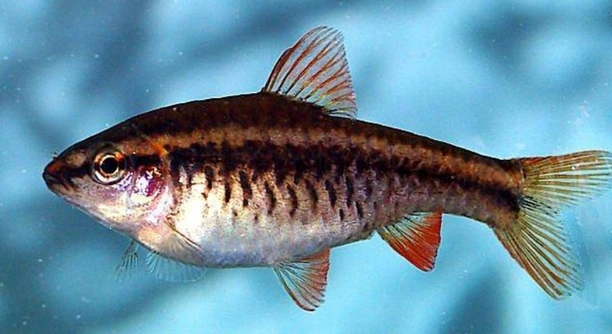
Have you ever brought home a small group of cherry barbs and started to wonder how many should really live together?
Cherry barbs thrive best in groups of at least six to eight individuals. This helps reduce stress and encourages natural behaviors, as they are a shoaling species that rely on companionship for comfort and activity.
Creating a balanced group size supports their social needs while helping you maintain a peaceful and engaging aquarium environment.
Why Cherry Barbs Need Companionship
Cherry barbs are peaceful, active fish that rely on the presence of others to feel secure. Keeping them in small groups helps them stay calm and behave naturally. When kept alone or in pairs, they may become shy, hide often, or show signs of stress. A group of six or more gives them the sense of safety they need to explore their environment and interact more confidently. It also helps distribute any aggression, especially during spawning behavior. Males will display brighter colors and compete more evenly when there are enough females in the group. This reduces stress for both sexes and supports healthier social interaction. A well-sized group mimics their natural habitat and leads to a more peaceful tank. If you’re planning a community setup, starting with a proper group size is a simple step that can make a significant difference for the health and happiness of your cherry barbs.
A small group keeps them relaxed, reduces hiding, and encourages playful activity. This creates a more engaging tank for both the fish and the keeper.
Keeping a balanced male-to-female ratio is also important. Too many males can lead to excessive chasing and stress for females. Aim for one male to two or three females to help reduce tension and keep the group dynamic calm. This ratio encourages natural breeding behavior without overwhelming any single fish. With the right balance and a group of at least six, cherry barbs will display their best colors and liveliest behavior. Watching them swim together calmly through plants and open space makes for a more pleasant aquarium. Regular feeding, stable water parameters, and tank enrichment all add to their overall well-being. Making these simple choices allows you to enjoy a calm, active school of cherry barbs that show off their full potential.
Ideal Tank Conditions for Groups
Cherry barbs prefer planted tanks with stable water parameters and plenty of swimming space. A longer tank layout helps them move comfortably in groups.
A 20-gallon tank is the minimum recommended size for a small group of cherry barbs. This allows enough room for swimming, hiding, and establishing natural territories. Keep the water temperature between 73°F and 81°F, with a pH of 6.0 to 7.5. Clean water and steady conditions are key to keeping them healthy. Live plants like java fern or anubias offer hiding spots and help reduce stress, especially for females. Avoid strong water flow, and use a sponge filter or a gentle current. Cherry barbs do well in peaceful community tanks, but they should be housed with non-aggressive tank mates. Species like harlequin rasboras, neon tetras, or corydoras catfish are good choices. A calm environment, paired with proper group size and care, creates a space where your cherry barbs will remain active and healthy.
Social Behavior and Group Dynamics
Cherry barbs are naturally social and active when kept in proper groups. They often swim together, explore their space, and interact without aggression. This schooling behavior helps reduce stress and promotes healthier, more colorful fish in home aquariums.
When kept in small groups, cherry barbs establish a calm pecking order, which helps reduce bullying and allows all fish to feed and swim without constant chasing. Males may display their vibrant red coloration more often in the presence of females, especially when competing for attention. However, if the male-to-female ratio is unbalanced, it can lead to excessive chasing, which may cause stress or injury. A balanced group allows for natural behavior and smoother interactions. Providing plant cover and open swimming space encourages natural schooling patterns, making the tank more active and peaceful. Observing their social habits helps spot any changes early, such as signs of illness or stress.
Even in larger groups, each cherry barb will have its role. Males often display more, showing off to females and other males alike. These displays rarely result in harm but help set up a basic structure within the group. Females tend to stay calmer, often gathering around plant areas or swimming gently with other group members. In well-maintained tanks, the fish will settle into a rhythm that’s easy to recognize. Keeping the group stable over time helps reduce stress-related illness and supports longer lifespans. Avoid constantly adding or removing fish, as this can disrupt their dynamic. A consistent, calm group encourages more active feeding, stronger coloration, and a healthier overall environment.
Signs of Stress in Small or Improper Groups
Cherry barbs may become withdrawn, lose color, or eat less when kept in undersized groups. They may also hide more often and show little interest in their surroundings.
Keeping fewer than six cherry barbs often leads to shy and nervous behavior. They rely on each other for social cues, so when placed alone or with just one or two others, they feel exposed. This can increase hiding, slow down feeding, and even lead to weakened immune systems over time. Bright lighting or a bare tank will only increase their stress levels. In small groups, any chasing or pecking becomes more concentrated and harmful, since there are fewer fish to spread it out. Their natural behaviors, like gentle schooling or active exploration, may disappear. A lack of stimulation and interaction can dull their colors and lead to early health decline. Simply put, small or imbalanced groups leave cherry barbs more vulnerable to stress-related issues.
Long-term stress in cherry barbs can result in illness, aggression, or death. When cherry barbs are kept without enough companions, their immune systems weaken. This makes them more susceptible to common problems like fin rot or ich. You might also notice sluggish movement or twitchy behavior, which can signal discomfort. Aggression can sometimes arise in tiny groups, especially if males have no competition or are constantly chasing a single female. A balanced, well-sized group helps prevent these issues from developing. Adding natural cover, such as live plants, also plays a role in reducing stress and keeping their environment stable. Watching for behavior changes, like loss of appetite or persistent hiding, can help you act quickly before the situation worsens. Keeping their social structure intact is one of the simplest ways to promote long-term health and steady behavior.
Best Male-to-Female Ratio
A ratio of one male to two or three females helps reduce stress and keeps chasing to a minimum. This setup encourages natural breeding behavior and allows all fish to interact comfortably without overwhelming any single fish in the group.
Too many males in a group often leads to constant chasing and aggression, especially if females are outnumbered. A balanced group allows males to compete fairly and prevents any single female from being targeted too often. This helps maintain harmony in the tank and keeps all fish more active and relaxed.
Choosing Compatible Tank Mates
Cherry barbs do well with peaceful species that won’t nip fins or compete aggressively for space. Good options include harlequin rasboras, corydoras catfish, neon tetras, and otocinclus. Avoid pairing them with larger or overly active fish like tiger barbs or aggressive gouramis. Keeping tank mates peaceful ensures a calm environment. These fish prefer similar water conditions, making it easier to maintain stability. Introducing too many species at once can disrupt tank dynamics. Instead, introduce fish gradually while monitoring behavior. This reduces stress for all inhabitants. Proper planning helps create a balanced, stress-free tank for your cherry barbs.
When to Add More Cherry Barbs
If the group seems unbalanced or a few fish appear stressed or overly shy, consider adding more cherry barbs to improve their behavior. Expanding the group can help restore calm, encourage activity, and strengthen social bonds.
FAQ
Can cherry barbs live alone?
Cherry barbs should not live alone. They are schooling fish that thrive in groups. When kept alone, they often become shy, withdrawn, and stressed. They may hide most of the time, lose color, and stop eating regularly. These signs point to poor well-being and can lead to health issues. A single cherry barb lacks the social stimulation it needs, making its environment feel unsafe. To keep one happy and healthy, it’s best to provide the company of its own kind. A group of six or more is usually enough to promote natural behavior and reduce stress.
What is the ideal group size for cherry barbs?
The ideal group size is at least six cherry barbs. In this number, they can school properly, feel secure, and show natural behaviors like chasing, feeding together, and displaying color. Larger groups also help spread out any occasional aggressive behavior. This reduces the chances of any one fish being picked on repeatedly. If your tank can support it, keeping eight to ten cherry barbs is even better. More fish means better social structure and more visible activity, which makes the tank more interesting to watch. Just make sure the tank is large enough and has proper filtration.
How many cherry barbs can I keep in a 20-gallon tank?
A 20-gallon tank can comfortably hold 6 to 10 cherry barbs, depending on the filtration and setup. If you plan to keep only cherry barbs, aim for around eight. This allows them enough space to swim and interact naturally. If you’re adding other species, reduce the number to avoid overcrowding. Always consider the adult size of each fish and their activity level. Make sure to provide plants and hiding spots to create a secure environment. Good tank maintenance is important to support a full group without issues related to waste buildup or poor water quality.
Do cherry barbs fight each other?
Cherry barbs are generally peaceful, but males may show mild aggression when competing for females or space. This behavior usually includes chasing and flaring but rarely leads to injury. The aggression is more likely if there are too many males or not enough space. A good male-to-female ratio and plenty of plants help reduce stress and keep the tank calm. Providing enough space to establish personal territory is also helpful. If one fish is constantly being chased, check the group size and consider adding more females or rearranging the tank to break up sightlines.
Can cherry barbs live with guppies?
Yes, cherry barbs can live with guppies. Both species are peaceful and prefer similar water parameters. However, guppies may be more active and may breed quickly, which can crowd the tank. Make sure the tank is large enough to support both groups. Provide plenty of cover and maintain good filtration. Cherry barbs may nip at long fins if stressed, but this is rare in calm tanks. Watching their interactions early on will help ensure they are compatible in your setup. Feeding both species at the same time in different areas can also reduce competition.
What temperature do cherry barbs prefer?
Cherry barbs thrive in temperatures between 73°F and 81°F (23°C to 27°C). Keeping the tank within this range helps support their metabolism and immune system. Sudden changes in temperature can cause stress, so always adjust slowly if needed. A reliable heater and thermometer are essential for keeping the temperature stable. In colder homes, insulation or placing the tank away from windows and vents can help avoid sudden drops. Stable, warm water encourages natural behavior, stronger coloration, and active swimming. Avoid placing them in unheated tanks, especially in cooler climates.
Do cherry barbs need plants in their tank?
Yes, plants are highly recommended for cherry barb tanks. They provide hiding places, reduce stress, and make the tank feel more natural. Live plants like java fern, anubias, or hornwort are good options because they are hardy and grow well in the barbs’ preferred conditions. Plants help break up sightlines, which can reduce aggression, especially among males. They also offer shade and help filter the water naturally. While artificial plants are an option, live ones contribute to overall water quality and support a more stable environment. A well-planted tank encourages healthy, relaxed behavior and active exploration.
Final Thoughts
Cherry barbs are peaceful, active fish that do best in small groups. Keeping at least six together allows them to show their natural behaviors and feel more secure. When they are kept in proper groups, their colors become brighter, and they swim more freely throughout the tank. A well-sized group also helps reduce stress and lowers the chance of aggression, especially between males. The social bond they form in a school plays a big part in their well-being, making it important not to keep them alone.
A 20-gallon tank gives you enough space to keep a group of six to ten cherry barbs comfortably. This size supports their need for swimming room while allowing space for plants and hiding areas. Live plants help them feel safe and reduce tension between fish. They also improve water quality and give the tank a more natural look. When choosing tank mates, pick other peaceful fish that enjoy similar water conditions. Guppies, corydoras, and rasboras are good examples. Avoid pairing them with aggressive or fin-nipping species, as this may cause stress or injury. Keeping a balanced tank helps your cherry barbs stay healthy and active.
Good care includes more than just picking the right number of fish. You need to check the water regularly, feed a varied diet, and keep the tank clean. Stable water temperature and good filtration are key. Feed them small amounts of food once or twice a day, making sure not to overfeed. Choose a mix of flakes, pellets, and occasional live or frozen foods for variety. Watch their behavior to make sure no one is being bullied or hiding too much. Small signs of stress, like faded color or staying in one spot, can tell you something is wrong. Taking the time to understand what your cherry barbs need will help them stay healthy and active for years. A well-maintained tank with the right number of fish is not only better for the fish, but also more enjoyable to watch. Their group behavior and bright colors can add life and motion to your aquarium when their needs are properly met.

Hello,
If you enjoy the content that we create, please consider saying a "Thank You!" by leaving a tip.
Every little bit helps us continue crafting quality advice that supports the health, happiness, and well-being of pets around the world, for pets of all shapes, sizes, and species.
We really appreciate the kindness and support that you show us!