
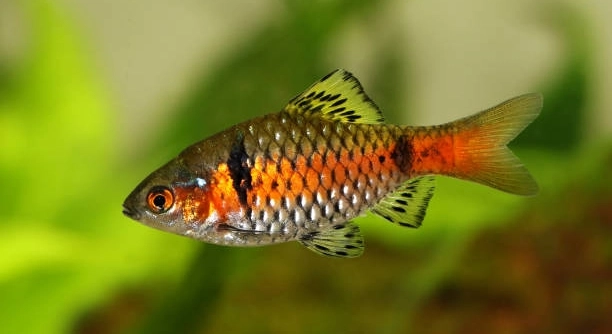
Do you ever find yourself worried about the noise levels around your aquarium and how they might affect your fish?
Loud sounds can cause stress in rosy barbs, leading to changes in behavior, feeding patterns, and overall health. Prolonged exposure to high noise levels may result in weakened immune responses and disrupted social interactions.
From subtle shifts in swimming habits to noticeable changes in appetite, sound plays a larger role in a rosy barb’s life than many realize.
How Sound Impacts Fish Behavior
Rosy barbs are active, social fish that thrive in calm environments. When exposed to loud sounds, they often show signs of stress such as hiding, darting, or becoming unusually still. These changes are not just short-term reactions. Constant noise can interfere with their sense of safety, making them feel threatened even when no danger is present. This ongoing stress can wear down their energy, affect how they interact with other fish, and even stop them from eating regularly. Over time, their behavior becomes less predictable, and they may stop showing interest in their surroundings. A quiet and stable tank helps rosy barbs feel secure, encouraging them to stay active, curious, and healthy.
Increased noise levels also disrupt their natural rhythm, causing confusion and less interaction with tank mates.
If rosy barbs experience stress for long periods, their health often begins to decline. Their immune systems may weaken, making them more likely to get sick. Appetite loss is another common problem, which leads to poor nutrition and slow growth. Stress hormones stay high, and this can impact how their organs function. These fish also rely on certain sound cues to communicate and stay aware of changes in their environment. When noise blocks these signals, it can break down their social structure. This makes life in the tank feel more chaotic, which leads to even more stress. Ensuring their tank stays peaceful, away from televisions, speakers, or loud conversations, makes a big difference in their well-being.
Where the Noise Comes From
Many noise sources are in the home itself, such as loud music, vacuum cleaners, or children playing nearby.
In tanks, sound travels through the water faster than it does through air. Because of this, even a small bump to the aquarium glass can feel intense to the fish. Background noise from televisions or computer speakers can be stressful if placed too close. External filters or air pumps that vibrate against the tank can also send noise directly into the water. Fish don’t hear the same way people do, but they sense vibrations and pressure changes through their bodies. Over time, constant vibration can leave them feeling unsettled and tired. Moving equipment slightly away from the tank or placing padding under it can help reduce these sounds. Keep the tank in a quieter spot in your home to give rosy barbs a more peaceful setting. Simple steps can protect their health without needing any major changes.
How Stress Shows in Rosy Barbs
When rosy barbs are stressed by sound, their colors often fade, and their movements change. You might notice them swimming less, hiding more, or darting quickly across the tank. These signs are clear indicators that something in their environment is bothering them.
They may also lose interest in food or eat much less than usual. Skipped meals can lead to poor nutrition, and that affects their growth and overall energy. Rosy barbs that used to swim in groups might begin to isolate themselves. Some may even nip at others out of frustration. These behaviors aren’t always easy to spot at first, but small changes add up over time. It’s important to watch closely, especially if you’ve recently added new sounds around the tank. The sooner stress is noticed, the sooner you can fix what’s causing it.
Breathing may become faster, and their gills might move more than usual. This is another way they respond to stress. Their immune system also weakens, making them more prone to illness or infections. Open sores, clamped fins, or unusual spots on the body can appear if stress continues. You might even notice them resting near the bottom of the tank more often. These aren’t just harmless changes—they’re signs that your rosy barbs aren’t comfortable in their space. Creating a peaceful environment can help reverse many of these symptoms before they become more serious.
Simple Ways to Reduce Noise
Moving the tank to a quieter room is one of the easiest ways to reduce stress in your rosy barbs. Try to avoid areas with a lot of foot traffic, loud electronics, or nearby doors that slam shut often.
Another good option is to check and adjust equipment around the tank. Place a soft mat or towel underneath the aquarium to absorb some of the vibration. If your filter is noisy, make sure it’s working properly and not rattling against the glass. Air pumps can be placed on rubber pads to reduce sound. Avoid tapping on the tank or placing objects directly against it. Even small noises are magnified in water. Keep music and television at a distance or at low volume. These changes may seem minor, but together they create a calmer environment. When the tank is quieter, rosy barbs tend to be more active, eat better, and interact naturally with one another.
When Loud Sounds Are Unavoidable
If you can’t move the tank, try adding plants, decorations, or caves to give rosy barbs places to hide. This helps them feel safer during loud moments like vacuuming or thunderstorms.
You can also turn off bright lights during loud times. A dimmer tank can make them feel more secure.
How Long-Term Noise Can Change Their Health
Long-term exposure to loud noise can slowly wear down a rosy barb’s health. Over time, their immune system weakens, making them more likely to get sick. They might grow slower, show signs of fatigue, or develop visible stress symptoms like faded color and clamped fins. In some cases, constant stress may even shorten their lifespan. Chronic noise can also interrupt sleep cycles, which are important for healing and rest. If your tank stays noisy often, even small changes to reduce sound can help. Rosy barbs kept in quiet, stable tanks usually show brighter colors, eat regularly, and are more social and active.
Signs Your Tank Is Too Loud
If fish keep hiding, lose color, or eat less, your tank might be too noisy. Watch their behavior closely to catch early signs.
FAQ
Can rosy barbs actually hear sound?
Rosy barbs don’t hear in the same way humans do, but they can detect sound vibrations. They use a special structure called the lateral line, which runs along the sides of their body. This helps them sense movements, pressure, and vibrations in the water. So while they might not “hear” a song or a voice clearly, they do feel the vibrations from nearby speakers, loud voices, or bumps against the tank. That’s why loud or frequent noise can still stress them out, even though it’s not traditional hearing like ours.
What are the worst types of sounds for rosy barbs?
Sudden, sharp sounds are the most stressful. These include loud knocks, slamming doors, shouting, or dropped objects near the tank. Vibrations from a strong filter or an air pump that isn’t placed properly can also be stressful if they continue for long periods. High-frequency noises and bass-heavy sounds from speakers placed next to or behind the tank are also hard for them to tolerate. Continuous background noise, like loud TV shows or music, can cause ongoing stress even if it doesn’t seem that loud to you.
Is it okay to have a filter running all the time?
Yes, most filters are safe to run continuously and are necessary for tank health. However, it’s important to check if the filter is vibrating against the glass or creating excess noise. That type of constant vibration can disturb your fish. Make sure the filter is placed correctly, with soft padding if needed. A smooth, quiet hum is usually fine. If your fish seem stressed, try turning the filter off for a few minutes to see if their behavior improves—this can help you decide whether the filter is part of the problem.
Can tank decorations help reduce noise stress?
Yes, tank decorations can help make your fish feel safer. Plants, caves, driftwood, and other hiding spots give rosy barbs places to retreat when they feel stressed. These objects don’t block sound, but they create a sense of security. Fish are more relaxed when they have shelter. Adding tall plants or background walls inside the tank also helps them feel less exposed. If your barbs are hiding all the time, it may be a sign that they don’t feel safe enough.
How can I test if my tank is in a noisy spot?
Spend a few minutes each day sitting near your tank. Turn off nearby electronics and listen carefully. If you hear regular buzzing, humming, or loud sounds, your fish are likely feeling them too. Try gently placing your hand on the tank to feel for vibrations. You can also observe your fish’s behavior—if they startle easily, hide a lot, or don’t eat much, noise might be playing a part.
Do rosy barbs ever get used to loud noise?
Some fish may seem to adjust a little, but that doesn’t mean the noise stops affecting them. Their stress responses might become less visible, but their bodies are still reacting internally. Long-term exposure to noise can still impact health, even if they aren’t showing dramatic signs. It’s best to reduce sound as much as possible rather than hoping they’ll get used to it.
Can loud noise cause death in rosy barbs?
While sound alone might not directly cause death, it can lead to serious health problems. Chronic stress weakens their immune system, affects digestion, and can make them more vulnerable to illness or infection. If combined with other stress factors, loud noise can contribute to early death. Keeping their tank peaceful supports longer, healthier lives.
What’s the quietest place to keep a tank in a home?
A quiet corner in a low-traffic room works well. Avoid placing tanks near TV sets, kitchens, doorways, or play areas. Bedrooms can be good if you keep electronics at low volume. Choose a spot with steady lighting and minimal noise throughout the day. Stability is key for rosy barbs to stay calm.
How fast do rosy barbs recover after noise stress?
Recovery time depends on how long they were stressed and how bad the noise was. Some fish begin to act normal again within hours after the noise stops. Others may take a few days to return to normal behavior and appetite. If stress symptoms continue longer than a week, check other tank conditions, like water quality or temperature. Making the environment more secure with hiding spots and keeping it quiet can help speed up recovery.
Should I use soundproof materials around the tank?
Soundproofing isn’t always necessary, but it can help if your home is loud. Thick curtains, padded mats under the tank, or foam panels on nearby walls can reduce vibrations. Avoid covering the tank entirely, as this limits airflow and light. Just softening the surrounding area can make a big difference.
Final Thoughts
Rosy barbs are peaceful fish that do best in calm, steady environments. While they can handle small changes, ongoing loud noise can affect their health and behavior. Many people don’t realize how much sound travels through water, or how sensitive fish are to vibrations. Even background noise that seems normal to us—like music, TV, or a noisy filter—can cause stress over time. This stress doesn’t always show right away. But if it continues, it can weaken their immune system, change how they eat, and affect how they interact with other fish. Watching closely and making simple changes can protect their well-being and help them stay active and healthy.
Keeping your rosy barbs in a quiet space doesn’t require expensive tools or big changes. You can move the tank away from loud areas, soften vibrations with padding, and create hiding places inside the tank. These small adjustments help reduce stress and give the fish a safe place to retreat when needed. It’s also helpful to notice when the tank gets louder than usual. Vacuuming, loud conversations, or nearby electronics can all raise the noise level. Turning off lights during these moments or stepping away from the tank can help your fish feel calmer. A peaceful setting helps your rosy barbs show their natural behavior—swimming freely, eating well, and staying curious.
Taking care of rosy barbs means paying attention to more than just water quality and food. Their surroundings matter too. Sound is a part of their daily life, and reducing loud or constant noise plays a big role in their long-term health. Many fish owners don’t think about how their home’s noise can affect their tank, but once they do, they start to see changes in how their fish behave. A quiet, steady environment helps rosy barbs feel safe and relaxed. It also supports their immune system and keeps them more active. With just a little effort, you can make sure your tank is a calm space, giving your fish the comfort they need to thrive.

Hello,
If you enjoy the content that we create, please consider saying a "Thank You!" by leaving a tip.
Every little bit helps us continue crafting quality advice that supports the health, happiness, and well-being of pets around the world, for pets of all shapes, sizes, and species.
We really appreciate the kindness and support that you show us!