
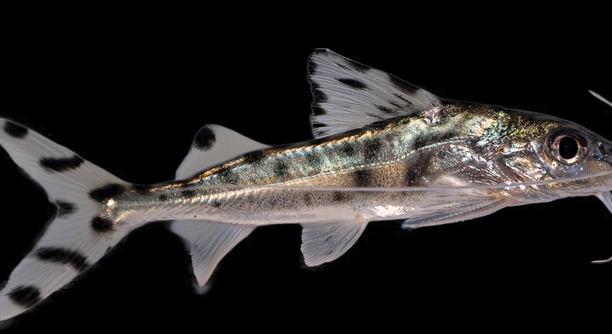
Have you ever noticed your pictus catfish acting strange after loud music or household noises echo through the room? Their sudden changes in swimming patterns or hiding behavior can be surprising and sometimes worrying to witness.
Loud noises affect pictus catfish by triggering stress responses, which may include erratic swimming, hiding, or a decrease in feeding. These behaviors are linked to the species’ sensitivity to sound vibrations, especially in enclosed aquarium environments.
Understanding how sound impacts these fish helps create a more peaceful tank. Let’s explore what types of noise matter and how to protect their well-being.
Why Pictus Catfish React to Loud Noises
Pictus catfish are highly sensitive to sound vibrations because of their lateral line system, which detects movement and pressure changes in the water. In a home aquarium, loud noises like slamming doors, loud TV volumes, or speakers placed nearby can create strong vibrations that travel through the tank. These vibrations can confuse or scare the fish, often triggering immediate behavior changes. Some may dart quickly around the tank or hide behind decorations. Others may stop eating or swim less often. These responses come from a natural instinct to protect themselves from predators or unfamiliar disturbances in their environment.
Some catfish may stay hidden for long periods, especially after repeated exposure to noise. This behavior can make it hard to monitor their health and feeding.
To reduce stress, keep speakers away from the tank, lower household noise levels, and avoid tapping on the glass. Small changes help create a calm environment.
Long-Term Effects on Behavior
Loud noises don’t just affect pictus catfish in the moment—they can also lead to long-term stress.
Consistent noise exposure can affect a catfish’s natural patterns over time. For instance, fish that are normally active during certain times of the day may begin to hide more often or stop moving as freely. Chronic stress can also suppress the immune system, making the fish more prone to illness. This could result in frequent infections, dull coloration, or even aggressive behavior if they feel constantly threatened. In some cases, these fish may stop feeding or fail to thrive, which can shorten their lifespan. Over time, these responses can become ingrained, and the fish may not return to their normal behavior even after the noise has stopped.
To protect your pictus catfish, monitor the tank’s location and reduce exposure to loud sounds. A quiet, stable environment allows them to swim freely, eat regularly, and stay healthy.
Signs Your Pictus Catfish Is Stressed
Stress in pictus catfish often shows through sudden changes in swimming. They may dart quickly, hide for long periods, or become less active than usual. These signs usually appear soon after loud or continuous noise near the tank.
If your pictus catfish is hiding more than usual or refuses to eat, it may be reacting to environmental stress. Loud noise can make them feel unsafe, causing them to retreat behind plants, rocks, or tank equipment. You may also notice them resting near the bottom for extended periods or avoiding other fish. Their normally active behavior becomes dull, and they may swim less or remain still. This shift is often subtle at first, so pay close attention to daily patterns. Early signs should not be ignored, as ongoing stress can cause health problems.
Look for faded coloring, loss of appetite, or irregular swimming paths. These behaviors suggest your fish is no longer comfortable. Chronic stress can weaken their immune system, making them more likely to get sick. Some stressed pictus catfish may also react by becoming aggressive or territorial, even if they were peaceful before. If loud noise continues, the behavior could become harder to reverse, and their overall well-being may start to decline. Watching closely will help you act early.
Creating a Calm Environment
Start by checking where your tank is placed. Avoid areas close to speakers, TVs, or heavy foot traffic. Even vibrations from nearby doors can affect fish over time. Softer lighting and stable water conditions also help reduce stress levels.
Soundproofing the area around the tank is useful if you can’t change its location. You can place a thick mat underneath the aquarium stand to absorb vibrations from the floor. Avoid sudden taps on the glass or loud cleaning noises near the tank. Using background noise, like soft bubbling from an air stone, may help mask disruptive sounds. Limit sudden light changes as well, since lighting and noise often work together to increase stress. Consider setting a consistent daily routine for feeding and lighting. Predictability can comfort the fish, especially if they’ve shown signs of unease. A calm space allows pictus catfish to return to normal habits and reduces the risk of health issues linked to stress.
How to Monitor Behavior After Noise Exposure
Watch for any sudden hiding, loss of appetite, or fast, erratic swimming. These behaviors may appear within minutes of loud noise. Keep track of how long they last and if they repeat.
Use a notebook or app to record changes in activity, eating, and interactions. Noticing patterns helps catch early signs of stress.
When to Make Environmental Changes
If stress behaviors continue for more than a day or two after a loud event, it’s time to adjust the environment. Start by reducing nearby sound sources. Move the tank if possible, or place soft padding around it to limit vibration. Add more hiding spots, such as plants or driftwood, to help the fish feel secure. If your pictus catfish becomes more active and resumes eating after changes, it’s a good sign the stress is easing. Watch carefully for recurring issues, especially if noise remains a regular part of the space. Long-term calm conditions make the biggest difference in your fish’s overall behavior.
Importance of Consistency
Routine helps pictus catfish feel secure. Keep lighting, feeding, and water changes on a steady schedule to avoid adding stress.
How loud do noises need to be to affect pictus catfish?
Even moderately loud noises, such as a TV at high volume or music played near the tank, can affect pictus catfish. These fish are sensitive to vibrations rather than just decibel levels, so sounds that create strong water movement or tank vibrations can cause stress. Sudden, sharp noises like door slams or dropping objects near the tank tend to have the most immediate impact.
Can normal household noises harm pictus catfish long-term?
Yes, regular exposure to everyday household noises can lead to chronic stress in pictus catfish. While occasional noises may only cause brief reactions, continuous disturbances can affect their behavior, immune system, and overall health. Creating a quiet, stable environment helps prevent these long-term issues.
Why do pictus catfish hide more when exposed to loud sounds?
Hiding is a natural defense mechanism for pictus catfish when they feel threatened or stressed. Loud sounds mimic the presence of predators or danger in their environment. By hiding, they reduce exposure to potential threats and try to avoid harm.
Is it normal for pictus catfish to swim erratically after loud noises?
Yes, erratic swimming is a common stress response. Loud noises can startle the fish, causing quick, uncontrolled movements as they try to escape or find shelter. If this behavior lasts too long, it may indicate ongoing stress.
How can I tell if my pictus catfish is stressed by noise and not something else?
Look for behavior changes directly following noise events. If your fish shows signs like hiding, loss of appetite, or erratic swimming soon after loud sounds, noise is likely the cause. Also, rule out other common stress factors such as water quality, temperature, or tank mates.
What can I do immediately if my pictus catfish shows signs of stress?
Reduce the noise source as much as possible. Move speakers or loud appliances away from the tank. Offer plenty of hiding places so the fish can feel safe. Keep water conditions stable and avoid any additional disturbances like tapping on the glass or sudden lighting changes.
Will adding plants or decorations help reduce stress from noise?
Yes, plants and decorations provide hiding spots and break up sound waves in the tank. They create a more secure environment where pictus catfish can retreat when stressed. Adding driftwood or caves is especially helpful.
Do pictus catfish recover fully after loud noises stop?
In most cases, pictus catfish will return to normal behavior once noise levels are lowered and stressors removed. Recovery time varies depending on how long and intense the noise exposure was. Providing a calm environment speeds healing.
Can I train pictus catfish to tolerate household noise?
There is limited evidence that pictus catfish can adapt to some noise over time. However, chronic loud sounds generally continue to cause stress. It is best to minimize noise near the tank rather than rely on fish becoming accustomed to it.
Is there any safe background noise for pictus catfish?
Soft, continuous sounds like the bubbling from an air stone or gentle water flow are usually not stressful. These noises can mask sudden disturbances and create a consistent acoustic environment that helps fish feel more secure.
How often should I check on my pictus catfish for noise stress?
Daily observation is recommended, especially after noisy events. Keep an eye on their swimming patterns, feeding habits, and interaction with tank mates. Early detection of stress allows for quicker adjustments.
Does tank size influence how noise affects pictus catfish?
Yes, smaller tanks tend to transmit vibrations more strongly, increasing noise impact. Larger tanks offer more space for the fish to escape or hide. Proper tank placement and padding can reduce vibrations in any size aquarium.
What role does water quality play alongside noise stress?
Poor water quality compounds stress from noise. Unstable parameters like ammonia spikes or temperature changes make fish more vulnerable. Maintaining clean, stable water supports their ability to handle environmental stressors.
Should I avoid tapping or knocking on the aquarium glass?
Absolutely. Tapping or knocking creates strong vibrations that pictus catfish can detect and interpret as threats. Avoid these actions to prevent unnecessary stress and maintain a peaceful tank environment.
Can stress from loud noises affect breeding behavior?
Yes, stressed pictus catfish are less likely to breed successfully. Stress reduces activity and appetite, which are important for spawning. Keeping noise levels low encourages natural behavior, including breeding.
Are there signs of stress that indicate immediate health risks?
Signs like constant hiding, refusal to eat for several days, or labored breathing suggest serious stress that could lead to health issues. If these occur, evaluate environmental factors, including noise, and consider consulting a fish health expert.
How do I balance household living with keeping pictus catfish?
Identify noisy areas and avoid placing the tank there. Use soundproofing methods like thick mats or foam around the aquarium stand. Keep a consistent routine and minimize sudden loud events near the tank to protect your fish’s well-being.
Loud noises can have a clear impact on pictus catfish behavior. These fish rely heavily on sensing vibrations in the water, which makes them especially sensitive to sudden or continuous sounds. When exposed to loud or frequent noise, pictus catfish may show signs of stress such as hiding, erratic swimming, or loss of appetite. These behaviors are natural responses meant to protect them from perceived threats. However, ongoing stress can harm their health and overall well-being. Creating a calm and stable environment helps prevent these negative effects and supports the fish in staying active and healthy.
It is important to observe your pictus catfish closely for any changes in behavior after noise exposure. Early signs like increased hiding or reduced feeding should not be ignored. Keeping a regular routine for feeding and tank maintenance also reduces stress. Small changes, such as moving speakers away from the tank, placing soft padding under the aquarium stand, and adding more hiding spots with plants or decorations, can make a big difference. These adjustments help reduce vibrations and create a more peaceful environment where your fish can feel safe.
Managing noise around your aquarium is an ongoing responsibility if you want to keep pictus catfish healthy and comfortable. While some household noises are unavoidable, being mindful of their effects and minimizing loud or sudden sounds near the tank will benefit your fish. Over time, providing consistent care and a quiet space allows pictus catfish to recover from stress and display their natural behavior. A calm tank not only helps them thrive but also makes the experience of keeping these fish more enjoyable for you.

Hello,
If you enjoy the content that we create, please consider saying a "Thank You!" by leaving a tip.
Every little bit helps us continue crafting quality advice that supports the health, happiness, and well-being of pets around the world, for pets of all shapes, sizes, and species.
We really appreciate the kindness and support that you show us!