
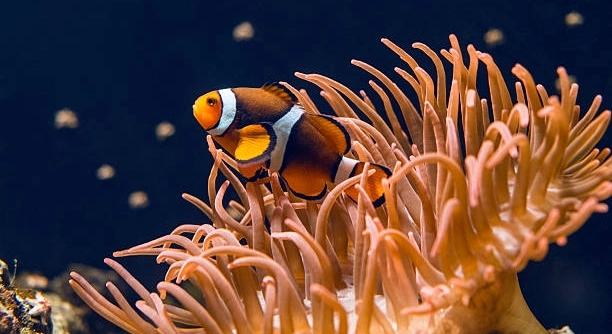
Maintaining an environment in a clownfish tank involves more than just water quality and lighting. Unexpected noises can disturb fish behavior and stress the community. Considering noise levels alongside other factors promotes an aquatic habitat.
The optimal noise threshold in clownfish aquaria is approximately 45 decibels measured near the tank surface. Sustained exposure to levels above 60 decibels can induce stress responses, reduce feeding efficiency, and impair reproductive behavior in Amphiprion species, necessitating sound-dampening measures.
Properly managing noise ensures healthier clownfish and vibrant interactions in your tank. Explore practical solutions for maintaining ideal sound conditions.
How Sound Travels in Aquariums
Water carries sound differently than air. In a tank, vibrations from filters, air pumps, or even nearby televisions can easily move through the water. Clownfish, like many marine animals, have sensitive hearing structures that detect low-frequency sounds and vibrations. Their lateral line system picks up these movements, helping them navigate and stay aware of their surroundings. When unnatural or persistent noise is introduced, it interferes with this sensory process. Over time, this can cause confusion, irritability, and even harm their natural communication patterns. Aquariums placed near speakers or in high-traffic rooms can unknowingly expose fish to constant background noise. Minimizing these disturbances isn’t only about comfort—it’s about protecting their natural behaviors. Tank lids, sponge padding under equipment, or simply moving the tank away from loud areas can all help. It’s worth observing your fish for signs of stress, such as hiding, darting, or lack of appetite, which might be linked to sound exposure.
Sound doesn’t just pass through water—it becomes amplified and harder to escape.
Clownfish live in quiet reef environments in the wild. In aquariums, noise levels that seem normal to us might be overwhelming for them. Small vibrations from poorly mounted equipment or tapping on the glass can feel much louder underwater. Over time, this exposure leads to stress-related behaviors such as reduced movement, aggressive interactions, or avoiding parts of the tank. Some fish even stop eating when overstimulated. Simple actions like switching to quieter air pumps or insulating noisy surfaces can lower decibel levels. Regularly checking for rattling filters or loose wires also makes a difference. Fish that feel safe and relaxed will interact more freely, explore their environment, and show vibrant coloring. Creating a quieter space helps maintain these positive behaviors and supports their overall health. It’s not about complete silence, but keeping consistent and calm conditions inside and around the tank. A peaceful setup can go a long way in helping your clownfish thrive.
What Noise Levels to Avoid
Sounds above 60 decibels may disrupt your clownfish’s well-being. Keep the area around your tank as calm and steady as possible.
Excessive noise can change how clownfish behave day to day. Loud, irregular sounds—like slamming doors or heavy foot traffic—can make them anxious or reclusive. In some cases, this can affect their immune system and make them more likely to get sick. A decibel meter is a helpful tool if you’re unsure how loud your setup is. Try to keep it under 50 decibels during the day and quieter at night. Choose equipment rated for low noise, especially filters and air stones. Consider using foam or rubber pads under noisy devices to soften their vibrations. Curtains, carpets, and other soft furnishings in the room also help absorb outside sound. It’s not just about volume, but how constant and predictable the noise is. Keeping things steady will help your clownfish feel more secure, which leads to better behavior and long-term health.
How to Tell If Noise Is Stressing Your Clownfish
Look for sudden changes in behavior. If your clownfish are hiding more often, swimming erratically, or avoiding certain parts of the tank, noise may be affecting them. These signs often show up before more serious health issues develop.
Clownfish are usually active and interactive in a calm tank. When stressed, they may stop eating or become aggressive toward other fish. You might also notice them hovering near the bottom or staying close to their anemone for long periods. Excessive pacing or darting from one side of the tank to the other can also mean something is bothering them. Noise is often overlooked because it’s invisible, but it can have lasting effects. Monitoring behavior closely each day helps you catch these patterns early. Turning off noisy devices temporarily can help you figure out what’s causing the stress and give your fish a break from constant vibration or sound.
Stress doesn’t always show up right away. Over time, continued exposure to sound can weaken their immune system, leading to more frequent illnesses. This could mean fin rot, cloudy eyes, or even trouble breathing. If these symptoms appear alongside behavioral changes, it’s worth checking your noise levels. Compare how your clownfish act during quiet times versus louder periods in your home. Making even small adjustments, like moving the tank to a quieter location, can bring noticeable improvements. A well-observed tank tells you what’s working and what’s not. Clownfish are resilient but thrive best when they feel secure and undisturbed in their space.
Simple Ways to Lower Tank Noise
Start by checking your equipment. Vibrating filters, loose lids, or rattling air pumps are often the loudest sources. Replacing or adjusting them can help reduce unnecessary sound.
Use rubber or foam padding under filters, air pumps, or the tank stand to absorb vibrations. Consider sponge filters, which are quieter and still effective. Keep cords and tubing secured, so they don’t knock against glass. If your filter is touching the tank walls, adjust its placement to limit contact. You can also wrap noisy parts in soft material, like felt or rubber. Make sure the tank lid fits properly—gaps or loose spots often rattle with even small movements. Move your tank away from speakers, doors, or high-traffic walkways if possible. Some aquarists also use background noise machines to mask sudden household sounds. Keeping the water level consistent can help, too, as splashing from low water can be noisier than you think. Small changes often lead to a more peaceful tank.
Where to Place Your Clownfish Tank
Keep your tank away from loud appliances like TVs, washing machines, or speakers. These devices create constant background noise that can travel through walls and into the tank, disturbing your fish.
Avoid placing the tank near doorways or busy hallways. Repeated footsteps and sudden sounds can cause daily stress, even if the tank appears calm.
Tools That Help Reduce Sound
Acoustic panels can be installed on walls around the tank to absorb noise. These are helpful if your tank is in a shared or active space. Using soft furniture like rugs, curtains, or fabric chairs can also reduce echo and background sounds in the room. When setting up your aquarium stand, choose one made of solid wood or metal with padding underneath. Many fishkeepers also use cabinet-style stands that naturally block some of the sound. Even placing the tank on a yoga mat or soundproof mat can help reduce floor-based vibrations.
When to Check Sound Levels
It’s a good idea to check noise levels after any equipment upgrade, room change, or move. Even small changes can shift how sound travels and feels inside the tank.
How loud is too loud for a clownfish tank?
Noise above 60 decibels near the tank is generally too loud for clownfish. These fish come from quiet reef environments, so loud or constant noise can stress them out. Ideally, keeping sound levels under 50 decibels helps maintain their natural behavior and health. Sudden loud noises, even if brief, can also cause temporary stress or shock.
Can loud noises cause health problems for clownfish?
Yes, loud noises can weaken clownfish immune systems over time. Stress from constant or intense noise makes them more prone to infections like fin rot or fungal growth. Behavior changes like hiding or reduced feeding often come first, but if stress continues, health issues can develop. It’s important to reduce noise early to avoid these problems.
What household items create the most noise in a fish tank?
Common sources of noise include filters, air pumps, water pumps, and heaters. Vibrations from these devices can travel through the tank glass and water. Other noises come from tapping on the glass, nearby speakers, TVs, or loud appliances like washing machines. Even rattling cords or loose lids can add to the sound level.
How can I measure noise levels near my tank?
You can use a simple smartphone app to measure decibels, though they may not be perfectly accurate. For best results, measure the sound close to the water surface, where fish hear it most clearly. Try testing during different times of day and with various equipment running to find peak noise levels.
Are there quiet equipment options for clownfish tanks?
Yes, many brands offer quiet or low-noise filters and pumps designed for small tanks. Sponge filters are especially quiet and gentle. Look for equipment labeled “silent” or “whisper-quiet.” Adding vibration dampeners or rubber pads under devices also helps reduce noise.
Is it okay to have some background noise around the tank?
A little background noise that’s steady and low in volume is usually fine. Sudden, loud, or irregular sounds cause more stress than constant, soft noise. Background music or white noise at a low level can sometimes mask disruptive sounds, making the environment more predictable for fish.
Can stress from noise affect clownfish behavior permanently?
If stress is ongoing and untreated, it can lead to long-term behavioral changes. Fish may become less active, more aggressive, or avoid certain areas of the tank. While some effects can improve with a quieter environment, severe or prolonged stress might cause lasting health and social problems.
What signs show my clownfish are stressed from noise?
Look for hiding, erratic swimming, loss of appetite, or increased aggression. Some fish become lethargic or stop exploring. Other signs include faded colors or rapid gill movement. These behaviors often improve once the noise is reduced.
Can children or pets cause harmful noise levels for clownfish?
Yes, energetic children playing near the tank or pets knocking into furniture can create sudden loud noises and vibrations. These disturbances can startle fish repeatedly, causing ongoing stress. Placing the tank in a quieter room or teaching children to be gentle around the aquarium helps.
How often should I check noise levels in my tank area?
Check noise levels anytime you add new equipment, change the tank location, or notice unusual fish behavior. Regularly monitoring every few months is good practice to catch problems early. This keeps your clownfish comfortable and healthy in their environment.
Does tank size affect how loud noises impact clownfish?
Yes, smaller tanks often amplify vibrations and sounds more than larger ones because there is less water to absorb noise. This can make loud equipment or external sounds feel stronger to the fish. Using quieter devices is especially important in smaller setups.
Are there any natural sounds that benefit clownfish?
Natural reef sounds, like gentle water flow or soft bubbling, can help create a familiar environment. These sounds are usually low volume and consistent, which helps reduce stress. Avoid harsh or loud noises that don’t resemble their natural habitat.
Can noise reduction improve clownfish breeding success?
Yes, quieter environments help clownfish feel safe and calm, which encourages natural breeding behaviors. Excessive noise can disrupt mating rituals or cause parents to abandon eggs. Maintaining low noise levels supports healthier, more successful breeding.
What should I do if I can’t control noise near my tank?
If external noise can’t be reduced, try moving the tank to a quieter room or using soundproofing materials around the tank. Thick curtains, rugs, or foam panels can help absorb sound. You might also add a background noise machine to mask sudden sounds, creating a steadier environment.
Is it normal for clownfish to react to everyday household sounds?
Yes, clownfish can be sensitive to everyday noises like doorbells, vacuum cleaners, or loud conversations. Reactions can range from mild startle to hiding. These responses usually lessen as fish adjust if sounds are not too loud or frequent. Reducing sudden noise spikes helps them feel more secure.
How long does it take for clownfish to recover from noise stress?
Recovery time varies, but mild stress symptoms can improve within days if noise is lowered. More severe or long-term stress might take weeks to fully reverse. Consistent calm conditions and good water quality are essential for healing.
Can I use soundproof glass for my aquarium?
Soundproof glass isn’t commonly used for home aquariums, but thick, high-quality glass can reduce some noise transmission. Most noise comes from vibrations and equipment, so focusing on quiet devices and sound dampening around the tank is more effective.
Are there any benefits to having some noise around the tank?
Some gentle, steady background noise can make the environment more natural and less startling. Total silence might be unusual since fish hear some ocean sounds in the wild. The key is keeping sounds consistent and low to avoid stress.
What everyday habits help keep noise low near my clownfish?
Avoid tapping the glass or knocking nearby. Keep pets and children away from the tank during play. Turn down TVs or speakers in the same room. Regularly maintain equipment to prevent rattling and vibrations. Small habits add up to a calmer tank environment.
Can stress from noise affect clownfish lifespan?
Chronic stress from loud or irregular noise can shorten lifespan by weakening the immune system and causing health problems. Keeping noise low supports overall well-being, helping clownfish live longer and stay healthier.
Is it worth investing in a decibel meter for my aquarium room?
Yes, a decibel meter helps track noise levels accurately and guides adjustments. It’s a useful tool to ensure your tank environment stays within safe sound limits. Many free apps work well enough for basic monitoring, making it an affordable investment.
Keeping a clownfish tank peaceful means paying attention to noise levels around it. Clownfish are sensitive creatures that thrive best in calm environments similar to their natural reefs. Loud or constant noise can cause stress, which affects their behavior and health. Even sounds that seem normal to us can feel overwhelming to these fish when heard through water. Simple steps to reduce noise, like using quieter equipment or placing the tank in a less busy room, help create a more comfortable space for them. When the tank stays calm, clownfish show more natural behaviors like exploring, feeding well, and interacting with their environment.
Watching your clownfish daily is important to notice if noise is affecting them. Changes in swimming, hiding more than usual, or loss of appetite can be signs of stress. Sometimes the cause of these changes isn’t obvious, but noise is often a hidden factor. Using tools like a decibel meter or trying to reduce loud sounds near the tank can improve their well-being. Fixing noisy equipment and limiting sudden sounds from people or pets nearby also helps. It’s not necessary to eliminate all sound, but keeping noise low and consistent makes a big difference. A peaceful environment supports their immune system and reduces the risk of illness.
Taking care of noise around your clownfish tank is an easy but important part of aquarium care. Many small changes, like adding padding under devices or moving the tank away from busy areas, add up to a quieter home for your fish. Quiet surroundings encourage better behavior, breeding, and overall health. Remember, clownfish are used to soft, steady sounds in the ocean, not loud or irregular noises. Giving them an environment that respects their needs helps them live longer, happier lives. Paying attention to noise levels is just as important as water quality or feeding in keeping your clownfish healthy.

Hello,
If you enjoy the content that we create, please consider saying a "Thank You!" by leaving a tip.
Every little bit helps us continue crafting quality advice that supports the health, happiness, and well-being of pets around the world, for pets of all shapes, sizes, and species.
We really appreciate the kindness and support that you show us!