
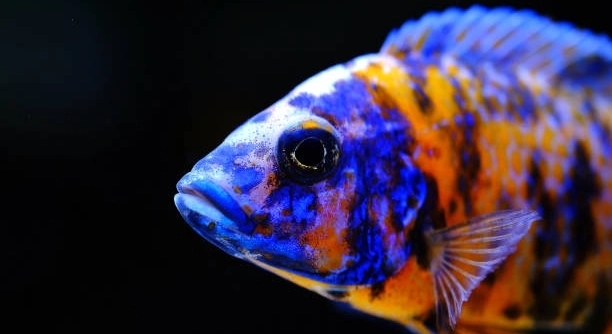
Raising convict fry can be a rewarding experience for aquarium enthusiasts. Observing their growth and vibrant stripes can bring a sense of accomplishment and joy, especially when caring for them from their earliest stages of life.
Convict fry typically reach full maturity between 8 to 12 months of age. Growth rates depend on factors such as water quality, diet, and tank conditions, with well-fed and healthy fry achieving adult size and coloration sooner.
Knowing how quickly your fry grow can help you plan tank space, feeding schedules, and breeding strategies for a thriving aquarium environment.
Early Growth Stages of Convict Fry
When convict fry first hatch, they are tiny and fragile, needing careful attention. During the first few weeks, they rely on their yolk sacs for nourishment. At this stage, water quality is critical, as even small changes can stress the fry and slow their growth. Providing gentle filtration and frequent water checks helps maintain a stable environment. Once the yolk sac is absorbed, they begin to accept finely crushed flake food or baby brine shrimp. Feeding small amounts multiple times a day ensures proper development without polluting the tank. Observing their swimming patterns and activity levels gives clues about their health. Fry that are active and exploring the tank are likely growing at a good pace, while lethargy or clamped fins may indicate stress or poor water conditions. Patience and consistency during this period lay the foundation for healthy adult fish.
Early feeding and clean water are essential for fry survival and strong growth.
Proper care in the early stages helps fry develop strong bodies, clear stripes, and better immune systems. Consistent monitoring reduces disease risk and encourages healthy behavior.
Factors Affecting Growth Rate
Genetics and tank conditions influence how quickly fry reach adulthood.
Growth rates vary between individual fry, even in the same tank. Water temperature, diet quality, and tank size all play major roles. Warmer, stable water encourages faster growth, while fluctuating conditions can stunt development. Feeding high-quality protein-rich foods ensures fry get the nutrients they need. Overcrowding can stress fry and slow growth, so separating batches or providing more space helps. Additionally, regular water changes remove waste and keep ammonia and nitrite levels low, which supports healthy development. Some fry naturally grow faster due to genetics, so observing and adjusting care based on individual needs can make a difference. Keeping these factors in check ensures fry reach maturity at a steady pace. Proper attention during this period reduces disease, improves coloration, and sets the stage for strong adult fish that thrive in their aquarium environment.
Feeding Convict Fry
Feeding convict fry small, frequent meals helps them grow faster. Start with finely crushed flakes or baby brine shrimp and gradually increase food size as they get bigger. Avoid overfeeding to prevent water pollution and health issues.
Consistent feeding schedules are key for proper growth. Fry should eat multiple times a day in tiny amounts they can finish within a few minutes. Variety in their diet supports strong development and healthy coloration. High-protein foods like brine shrimp or specialized fry food promote muscle growth and improve survival rates. Monitoring their eating habits helps detect early signs of stress or illness, allowing adjustments before problems become serious. Maintaining clean water alongside proper feeding ensures fry remain active and develop at an optimal pace.
Adjusting food type as fry grow is important. Start with powdered food, then slowly introduce larger flakes or pellets. Protein-rich options remain essential, but portion size must match their growth stage to avoid overfeeding. Balanced nutrition affects size, color, and immunity, making it a central part of care. Watching how they compete for food can indicate which fry may need extra attention or separate feeding to thrive. Regular feeding routines also create a predictable environment that reduces stress and encourages steady growth.
Tank Conditions and Environment
Stable water conditions support fry health and growth. Temperature, pH, and cleanliness must be monitored regularly to prevent stress and disease.
Water quality has a direct impact on fry development. Filtration, regular water changes, and stable temperature levels ensure a safe environment. Overcrowding can stunt growth, so tank size and population management are crucial. Soft water with neutral pH suits convict fry best, while avoiding sudden changes in chemical levels reduces mortality. Substrate choice and hiding spaces help fry feel secure, reducing stress and encouraging natural behavior. Regular observation allows early intervention if issues arise, supporting healthy growth patterns. A well-maintained tank prevents illness and promotes even development among all fry.
Lighting, aeration, and decorations play roles in fry comfort and growth. Moderate lighting simulates natural conditions without stressing fry, while aeration ensures oxygen levels remain adequate. Adding plants or small hiding areas reduces aggression and competition, giving shy fry space to feed and grow. Monitoring daily water parameters prevents spikes in ammonia or nitrites, which can slow development. Consistency in temperature, diet, and tank maintenance promotes predictable growth rates. Fry that experience stable conditions show stronger coloration, better immune response, and higher survival. Adjusting the environment as fry mature ensures continued healthy development until adulthood.
Monitoring Growth Progress
Keeping track of fry size and behavior helps ensure they are developing properly. Regular observation allows you to notice any differences in growth or signs of stress early.
Measuring and recording growth weekly can reveal trends. Fry that lag behind may need adjustments in diet, water conditions, or space. Tracking progress also helps plan for future tank setups and prevents overcrowding as they grow. Observing interactions and activity levels shows which fry are thriving and which may require extra attention. Consistent monitoring builds confidence in your care and ensures fry reach maturity safely.
Common Growth Challenges
Uneven growth and stunted fry often result from poor water quality, insufficient nutrition, or overcrowding. Maintaining optimal conditions helps reduce these issues.
Preparing for Adult Transition
As fry near maturity, gradually increase tank space and introduce larger foods. This supports proper muscle and color development.
FAQ
How quickly do convict fry grow in the first month?
During the first month, convict fry grow slowly. They rely on their yolk sacs initially, so nutrition comes from there. Once they start eating, growth depends on water quality, temperature, and feeding. Proper care ensures steady development, and active fry usually show healthy size progression.
What is the best food for young convict fry?
The best food for young fry is finely crushed flake food or baby brine shrimp. These options are easy to digest and high in protein, supporting strong early growth. Feeding small portions multiple times a day keeps water clean and prevents leftover food from harming the fry.
How often should I feed convict fry?
Feeding fry three to five times a day in small amounts works best. Frequent feeding provides continuous nutrition without overloading the tank. Observing how quickly they eat helps adjust portions and ensures all fry get enough food. Clean water combined with consistent feeding promotes even growth.
At what age do convict fry start showing their adult stripes?
Fry usually start showing stripes at around four to six weeks. The pattern becomes more distinct as they grow, with full adult coloration appearing closer to eight to twelve months. Genetics and diet can influence the vibrancy and timing of stripe development.
How big are convict fry after two months?
After two months, fry are typically around 1 to 1.5 inches long. Growth rates vary depending on feeding quality, tank conditions, and water temperature. Fry that receive consistent nutrition and stable conditions tend to grow faster and healthier.
Can overcrowding affect fry growth?
Yes, overcrowding can significantly slow growth. When too many fry share the same space, competition for food increases, stress levels rise, and water quality deteriorates. Providing sufficient tank space and monitoring population density ensures each fry has room to grow properly.
What water temperature is ideal for convict fry growth?
A stable temperature of 78–82°F (25–28°C) supports optimal growth. Water that is too cold slows metabolism, while water that is too warm can increase stress and disease risk. Regular monitoring keeps the tank within the ideal range for healthy development.
How do I prevent stunted growth in fry?
Stunted growth is often caused by poor water quality, overcrowding, or insufficient nutrition. Regular water changes, proper feeding, and adequate tank space help fry grow at a normal rate. Observing their behavior and size weekly helps identify issues early.
Do all fry grow at the same rate?
No, individual growth rates vary even in the same tank. Genetics, access to food, and minor differences in environment cause some fry to grow faster than others. Monitoring and adjusting care for slower-growing fry can help them catch up.
When should fry be moved to a larger tank?
Fry should be moved when they reach about 2 inches or show signs of crowding. Providing extra space reduces stress, allows free swimming, and supports continued healthy growth. Gradual introduction to larger tanks ensures they adapt without shock.
Can I mix fry with adult convict cichlids?
It’s not recommended. Adult convict cichlids can be aggressive and may eat or harm fry. Fry should remain in a separate tank or breeder box until they are large enough to safely join a community.
How long until fry are fully grown?
Fry typically reach full size and adult coloration between 8 and 12 months. Growth depends on diet, water conditions, and genetics. Providing consistent care during this period ensures healthy development and vibrant adult fish.
Are there signs of unhealthy fry?
Unhealthy fry may appear lethargic, show clamped fins, lose color, or stop eating. Stress, poor water quality, and disease are common causes. Early intervention with proper water maintenance and nutrition increases survival and growth chances.
How can I encourage stronger stripe development?
Balanced nutrition, high-protein foods, and stable tank conditions promote clearer stripes. Consistent care during the first months ensures fry reach maturity with distinct patterns and vibrant coloration. Environmental stress can dull stripes, so maintaining calm, clean conditions is essential.
Do fry need hiding spaces?
Yes, small hiding spots reduce stress and allow shy fry to feed safely. Plants, rocks, or breeder cages create secure areas. Less stress supports healthy growth, even swimming patterns, and overall well-being during their early months.
What happens if I overfeed fry?
Overfeeding leads to leftover food, which pollutes the water and increases ammonia levels. This can stunt growth, harm delicate fry, and cause illness. Feeding only what fry can consume in a few minutes prevents these problems and keeps the tank healthy.
Is water hardness important for fry growth?
Moderate water hardness is ideal. Very soft or very hard water can stress fry and affect development. Keeping pH and hardness within stable ranges ensures proper growth, strong bones, and good coloration as fry mature.
Can fry survive in community tanks?
Small fry are vulnerable in community tanks. Larger or aggressive fish can eat or injure them. Using a separate fry tank or breeder box until they are larger increases survival and reduces stress.
How do I know fry are ready to eat larger foods?
Fry are ready for larger foods when they can consume tiny flakes or pellets without difficulty. Gradually transitioning from powdered food to larger portions ensures proper nutrition and supports continued growth. Observing feeding behavior helps determine the right timing.
Are frequent water changes necessary?
Yes, regular water changes remove waste, control ammonia and nitrite levels, and support healthy growth. Fry produce waste quickly, so consistent water maintenance prevents stress, disease, and stunted development while keeping the tank environment stable and clean.
Can fry grow without live food?
Yes, high-quality powdered or crushed flake food can support growth. Live food enhances growth rate and coloration, but it is not strictly necessary if diet is balanced and protein-rich. Consistent feeding and water care remain the priority.
Do fry need extra vitamins or supplements?
Additional vitamins or supplements are optional if feeding a high-quality, protein-rich diet. They may help with coloration and immune support, but over-supplementing can cause water quality issues. Balanced feeding is usually sufficient for healthy growth.
How often should I check fry health?
Daily observation is best. Monitoring swimming patterns, eating habits, and appearance allows early detection of stress or disease. Quick intervention improves survival rates, supports growth, and helps maintain an even, healthy batch of fry throughout development.
Can fry survive with fluctuating temperatures?
Fluctuating temperatures slow growth and increase stress. Stable, warm water promotes metabolism, feeding efficiency, and immunity. Sudden drops or spikes can cause illness or death, so maintaining consistent conditions is crucial for healthy fry development.
What is the ideal tank size for growing fry?
A tank that allows at least 1 gallon per fry in early stages is recommended. As they grow, additional space prevents overcrowding, reduces stress, and encourages even growth. Proper tank size ensures water quality remains stable and supports healthy development.
Do fry need a heater?
Yes, a heater helps maintain a stable temperature, which is critical for growth. Consistent warmth encourages feeding, activity, and metabolism. Sudden temperature drops can slow growth or increase mortality, so a reliable heater is essential.
How long does it take for fry to develop strong immune systems?
Fry develop stronger immunity as they grow, usually by three to six months with proper care. Clean water, balanced nutrition, and low stress contribute to resistance against disease, ensuring healthier adult fish.
Can I breed fry in the same tank as parents?
It’s risky. Adult convicts may eat or harass fry. Separating eggs or hatchlings into a dedicated tank increases survival and allows focused care until they are large enough to join other fish safely.
Do fry need constant light?
No, moderate lighting is enough. Too much light stresses fry, while too little reduces feeding activity. Balanced light schedules support normal behavior, healthy growth, and proper development of coloration and stripes.
Is it normal for fry to hide often?
Yes, hiding is natural. Fry feel safer in plants or shelters, especially when stressed or adjusting to a new environment. Hiding reduces energy loss and promotes healthy growth. Over time, as they gain confidence, fry will explore more.
Can water pH affect fry growth?
Yes, pH that is too high or too low can slow growth and increase stress. A neutral to slightly alkaline pH around 7–8 is ideal. Stable conditions prevent stunted growth and support overall health.
Do fry need air circulation?
Gentle aeration ensures oxygen levels remain adequate. Fry are sensitive to low oxygen, and proper circulation helps maintain water quality. Strong currents should be avoided to prevent stress, but steady aeration supports healthy growth and activity.
How do I tell if fry are thriving?
Thriving fry are active, eat eagerly, display clear stripes, and grow steadily. They explore the tank confidently and show even development across the group. Monitoring behavior and appearance regularly gives clear insight into their health and progress.
Can stress slow growth in fry?
Yes, stress from poor water quality, overcrowding, or sudden changes can slow growth. Minimizing disturbances, maintaining stable conditions, and providing hiding spaces helps fry develop normally and reduces the risk of disease.
What is the ideal pH range for fry tanks?
A pH range of 6.5 to 8.0 works best for convict fry. Stability is more important than exact numbers. Sudden shifts in pH cause stress and can hinder growth or increase mortality.
Do fry need additional filtration?
Yes, gentle filtration keeps water clean without creating strong currents. Sponge filters are ideal for fry, as they prevent injury while maintaining good water quality, supporting healthy growth and survival rates.
How long should fry be kept separate from adults?
Fry should remain in a separate tank until they are at least 2–3 inches long and strong enough to avoid aggression from adults. Early separation reduces mortality and supports consistent growth.
Are all fry equally likely to survive?
Survival varies due to genetics, feeding access, and health. Providing stable conditions and careful monitoring increases the overall survival rate, but some variation is normal in any batch of fry.
Can I change diet suddenly for fry?
Sudden diet changes can stress fry. Gradually introducing new foods ensures they accept the diet and continue growing normally. Abrupt changes may cause reduced appetite and slower development.
Do fry need a quarantine period?
If introducing new fry from another source, a quarantine period of 2–4 weeks helps prevent disease transfer. Isolating fry ensures healthy growth and reduces risks to existing populations.
Is it normal for fry to nibble on plants?
Yes, mild nibbling is normal and does not usually harm plants. Fry explore their environment, and plants also provide hiding spots, contributing to reduced stress and better growth.
How do I know when fry are fully grown?
Fry are fully grown when they reach adult size, usually 4–6 inches, and display distinct stripes and coloration. Growth can take 8–12 months, depending on care, diet, and tank conditions. Proper monitoring ensures they mature healthily.
Can water hardness affect coloration?
Yes, moderate hardness supports proper mineral absorption, which influences coloration. Too soft or too hard water may dull stripes or slow pigment development, so stable conditions are important.
Should I use live food throughout fry growth?
Live food is beneficial but not essential after the first few weeks. Balanced dry foods can maintain growth and coloration. Alternating live and dry foods provides variety and optimal nutrition.
Can fry survive in tap water?
Tap water must be treated to remove chlorine and chloramine. Conditioned, dechlorinated water at stable temperature and pH is safe and supports healthy growth. Untreated water can harm fry and stunt development.
Do fry need a lid on the tank?
A lid prevents fry from jumping out and reduces evaporation. It also helps maintain stable temperature and humidity, supporting consistent growth and healthy conditions.
How can I tell if fry are stressed?
Signs of stress include clamped fins, lethargy, loss of appetite, or hiding excessively. Monitoring behavior daily allows early intervention, ensuring better survival and normal growth patterns.
Is frequent tank cleaning necessary for fry?
Yes, cleaning the tank carefully prevents ammonia buildup and maintains healthy water. Gentle siphoning and regular water changes support growth without disturbing delicate fry.
Can fry develop diseases easily?
Fry are sensitive to poor water quality and stress, which increases disease risk. Maintaining clean, stable conditions and monitoring health reduces susceptibility and supports strong development.
Do fry need special supplements for growth?
High-quality protein and balanced nutrition usually meet growth needs. Supplements are optional and only recommended if diet lacks essential nutrients. Over-supplementing can harm water quality.
Can fry survive in low-light conditions?
Low light is acceptable, but moderate lighting encourages feeding activity and normal behavior. Too little light may slow growth or reduce stripe development.
How do I reduce aggression among fry?
Providing hiding spots, adequate space, and even food distribution minimizes competition. Observing interactions and separating overly aggressive fry prevents stress and ensures steady growth for all.
Is it normal for fry to swim together?
Yes, schooling behavior is natural. Fry feel safer in groups, which reduces stress and encourages healthy feeding and activity levels.
Do fry need calcium for growth?
Yes, calcium supports bone development and overall health. A balanced diet usually provides enough, but water hardness also contributes to necessary minerals.
Can fry live without a filter temporarily?
Fry need clean water; a temporary lack of filtration is risky. Frequent water changes may substitute briefly, but prolonged absence of filtration increases stress and disease risk.
Should I remove uneaten food immediately?
Yes, leftover food decomposes and pollutes water. Removing uneaten portions quickly prevents ammonia spikes and maintains healthy conditions for fry growth.
Can fry survive with fluctuating pH?
No, pH fluctuations stress fry and can stunt growth. Stable conditions are more important than exact numbers to maintain health and proper development.
Do fry need constant supervision?
Daily observation is enough. Watching behavior, feeding, and water quality ensures problems are caught early without causing unnecessary stress from over-handling.
Is it normal for fry to fight occasionally?
Minor squabbles happen, especially during feeding, but constant aggression indicates overcrowding or stress. Providing space and hiding areas reduces conflicts and promotes healthy growth.
How do I prevent fungal infections in fry?
Maintaining clean water, avoiding overfeeding, and removing dead fry quickly reduces fungal risks. Stable conditions and gentle care are key to preventing infections.
Do fry need vitamin supplements?
Not usually if diet is high-quality and protein-rich. Supplements may enhance coloration but are optional and should be used sparingly to avoid water quality issues.
Can fry survive sudden temperature drops?
Sudden drops are dangerous and can slow growth or cause death. Stable, warm water is critical during early stages.
Is overcrowding the main reason for stunted fry?
Overcrowding is a major factor, but poor water quality and inadequate nutrition also contribute. Adequate space, feeding, and clean water support healthy growth.
Do fry need plants in the tank?
Plants provide hiding spaces and reduce stress. They also improve water quality slightly, supporting healthy growth and activity.
How long should fry stay in a nursery tank?
Fry should remain in a nursery tank until they are strong, healthy, and at least 2–3 inches long. Separation ensures survival and proper growth.
Can fry grow without frequent water changes?
Frequent water changes are important. Fry produce waste quickly, and poor water quality can stunt growth and increase mortality. Regular maintenance ensures healthy conditions.
Do fry need special lighting for stripe development?
No special lighting is required. Moderate, consistent light supports feeding activity and normal behavior, which indirectly helps stripe clarity and overall growth.
Are all fry equally colorful as adults?
Color intensity varies due to genetics and diet. Proper nutrition and stable conditions help most fry develop vibrant stripes, but some variation is normal.
Can fry survive in slightly hard water?
Yes, moderate hardness is acceptable. Extremely soft or very hard water may cause stress or slow growth. Stability matters more than exact hardness values.
Do fry need constant oxygen monitoring?
Gentle aeration is sufficient. Daily checks of water movement and fry activity indicate adequate oxygen levels. Strong currents should be avoided to reduce stress.
How long until fry swim confidently?
Fry start swimming actively within the first week after absorbing their yolk sac. Confidence and coordinated swimming improve over several weeks with proper care.
Can fry develop deformities from poor care?
Yes, poor water quality, insufficient nutrition, or overcrowding can lead to deformities. Consistent care prevents most developmental issues and supports healthy adult fish.
Do fry need a specific tank shape?
Longer tanks are preferred, providing more swimming space. Depth and height matter less than surface area and volume for healthy growth.
Can fry survive in filtered tap water?
Yes, treated, dechlorinated water at stable temperature and pH is safe. Untreated tap water can harm fry and stunt growth.
Is it normal for fry to hide during feeding?
Yes, shy fry may hide but still nibble. Providing multiple feeding areas ensures all fry get nutrition while reducing stress and competition.
Do fry need frequent health checks?
Daily observation is enough. Watch for appetite, activity, and physical changes. Early detection of problems improves survival and growth.
How do I know fry are ready to join adult tanks?
Fry should be 2–3 inches long, strong, and healthy before joining adults. Gradual introduction reduces stress and prevents aggression.
Can fry survive with other species?
Small fry are vulnerable and should not be kept with larger or aggressive fish. Separate tanks increase survival and allow steady growth.
Do fry need soft or hard water?
Moderate hardness is ideal. Extremes in either direction can stress fry, slow growth, or affect coloration. Stable water is the priority.
How important is water clarity for fry?
Clear water helps monitor growth and health. While not directly affecting growth, poor clarity may indicate pollution, which can harm fry.
Can fry survive in low-protein diets?
Low-protein diets slow growth and affect stripe development. High-protein foods are essential during early stages for strong, healthy fry.
Do fry need frequent tank rearrangement?
No, stability reduces stress. Minor changes are okay, but frequent rearrangement can disturb fry, slow growth, and increase mortality.
Is it normal for fry to hide after a water change?
Yes, sudden changes may stress fry. Providing hiding spaces and gentle acclimation helps them adjust and resume normal activity.
Can fry survive without a filter if water changes are frequent?
Temporary absence of filtration is possible with very frequent water changes
Raising convict fry requires patience, attention, and a steady routine. From the moment they hatch, they depend on careful care for proper growth. Water quality is one of the most important factors to watch, as small changes in temperature, pH, or cleanliness can stress the fry and slow their development. Gentle filtration and regular water changes keep their environment stable and safe. Fry are also sensitive to overcrowding, so making sure they have enough space to swim freely and access food without competition helps them grow evenly. Observing their behavior daily allows you to notice any signs of stress, illness, or slower growth, so you can make adjustments before problems become serious.
Feeding convict fry properly is another key part of their growth. In the early weeks, they rely on their yolk sacs, but once they start eating, providing small, frequent meals of finely crushed flake food or baby brine shrimp encourages healthy development. High-protein foods support muscle growth, immune strength, and proper stripe development. Overfeeding should be avoided, as leftover food can quickly pollute the water and harm delicate fry. As they grow, gradually increasing food size while maintaining balanced nutrition ensures they continue developing strong bodies and vibrant coloration. Monitoring how they eat and interact during feeding can also reveal which fry may need extra attention or adjustments in their environment to thrive.
The process of raising fry to adulthood is gradual but rewarding. Fry usually reach full size and distinct coloration between eight and twelve months, depending on diet, water conditions, and genetics. Providing hiding spaces and moderate lighting reduces stress and promotes natural behavior. Stable water conditions, consistent feeding routines, and careful monitoring work together to support healthy growth, immune strength, and proper stripe development. While individual fry may grow at different rates, attentive care ensures most reach maturity safely. By paying attention to their environment, nutrition, and behavior, you can help your convict fry develop into strong, healthy adult fish ready to thrive in your tank. With patience and consistent care, watching fry grow into fully grown convicts can be a satisfying and manageable part of aquarium keeping.

Hello,
If you enjoy the content that we create, please consider saying a "Thank You!" by leaving a tip.
Every little bit helps us continue crafting quality advice that supports the health, happiness, and well-being of pets around the world, for pets of all shapes, sizes, and species.
We really appreciate the kindness and support that you show us!