
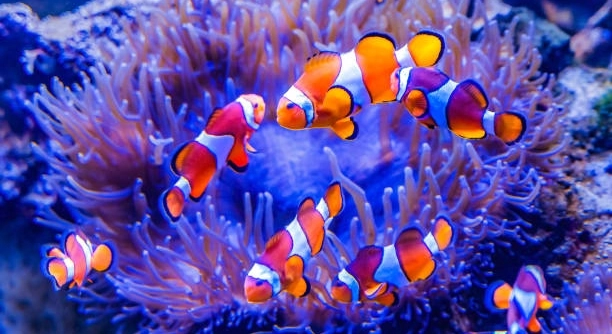
Are your clownfish acting distant or aggressive after introducing a new tankmate, leaving you unsure how long it will take them to adjust?
Clownfish typically take anywhere from a few days to several weeks to accept a new tankmate, depending on their temperament, tank conditions, and species compatibility. Careful monitoring and a gradual introduction process can support a smoother transition.
Learning how to manage their environment and understand their behavior can make this process easier and more successful for both fish and owner.
Factors That Influence Clownfish Acceptance Time
Several factors affect how quickly clownfish accept a new tankmate. Compatibility between species plays a major role. Some clownfish are more territorial than others, especially established pairs. Tank size also matters—smaller spaces increase stress and conflict. Water quality, temperature, and hiding spots contribute to how comfortable the fish feel. Stress from overcrowding or poor water conditions can delay adjustment. Adding the new fish during feeding time can help distract the clownfish and reduce aggression. Rearranging tank decorations before introducing a new tankmate may also reset territories and ease tensions. Patience is essential, as rushing the process often leads to unnecessary stress or injury. Observe behavior closely for signs of hostility like chasing or biting. If aggression persists beyond a few weeks, separating them temporarily might be necessary. Introducing tankmates gradually, using a divider or acclimation box, gives clownfish time to get used to the newcomer without direct contact.
Careful planning improves the odds of a peaceful tank. Small steps can make a big difference.
Clownfish are social, but they also defend their space. Give them time, and watch for small signs of tolerance, like shared space or peaceful swimming. These are signs your effort is working.
What to Expect During the Adjustment Period
The first few days can be tense. You may notice your clownfish chasing or nipping at the new fish. This is common.
Clownfish have a strong sense of territory, especially if they have been in the tank for a long time. It’s not unusual for them to show mild aggression at first. Signs of stress in both fish include rapid breathing, hiding, and refusal to eat. Make sure your tank has enough hiding spots, and try to keep lighting and noise to a minimum during this period. Monitor your tank closely but resist the urge to interfere unless the behavior becomes harmful. In most cases, the tension lessens within a week. By two weeks, if aggression fades and the fish begin to swim near each other without issue, it’s a good sign they’re adjusting. Still, every fish is different. If problems continue beyond three weeks, you may need to reassess compatibility or consult with a marine specialist.
How to Help Clownfish Adjust Faster
Start by dimming the lights and reducing noise around the tank. A calm environment helps lower stress levels. Use a tank divider or acclimation box to let them see each other without direct contact for the first few days.
Feed your clownfish and the new tankmate at the same time, in separate areas. This keeps them distracted and focused on food instead of each other. Spread out decorations to break lines of sight and allow both fish to claim separate zones. Rearranging the layout helps remove established territories. Keep water parameters stable, especially temperature, ammonia, and pH. Unstable conditions can increase stress. Limit your interaction with the tank during this time to avoid disrupting their adjustment. Daily observation is key. Look for signs of reduced aggression, such as swimming near each other or eating together. These small changes indicate they’re learning to accept each other’s presence over time.
Avoid moving fish in and out of the tank repeatedly. This causes confusion and raises stress. Stick to one approach and give it time to work. If aggression seems severe—constant chasing or fin damage—temporarily separate them. Slowly reintroduce once things settle. Consistency and patience often lead to long-term success.
Common Mistakes to Avoid
Rushing the process often creates more stress for both fish. Clownfish need time to adapt, and pushing them too soon can lead to lasting conflict.
Avoid adding multiple new tankmates at once. This overwhelms your clownfish and raises the chances of rejection. Don’t skip quarantine for the new fish—illness can spread quickly in confined tanks. Monitor water parameters daily; even a small spike in ammonia can trigger defensive behavior. Never use aggression as a sign that things are working themselves out. Persistent chasing, biting, or hiding signals that something isn’t right. Resist the urge to constantly change the setup. Clownfish thrive on routine, and frequent changes make them anxious. Also, don’t rely on size differences alone for compatibility. A smaller or passive fish can still be bullied. Take the time to research species and watch interactions closely. Careful observation and timely decisions prevent serious issues from developing.
Signs Your Clownfish Are Adjusting Well
If your clownfish swim near the new tankmate without aggression, it’s a strong sign of progress. Shared space and calm swimming patterns show they’re getting used to each other’s presence.
Eating together during feeding time also indicates comfort. If both fish eat without hiding or chasing, things are moving in the right direction.
When to Separate Them
If one fish is constantly hiding, not eating, or showing torn fins, it’s time to act. Separation prevents further stress and injury. Use a divider or move the new fish to a quarantine tank while you reassess compatibility and conditions. A short break often resets their behavior for a smoother reintroduction.
Final Tip for Success
Always research species compatibility before adding a new tankmate. Planning ahead helps reduce stress and creates a more peaceful environment for your clownfish.
FAQ
How long does it usually take for clownfish to accept a new tankmate?
Clownfish typically take between a few days and several weeks to accept a new tankmate. The exact time depends on their personality, tank conditions, and the species introduced. Patience and careful observation are key during this period.
What are the signs that clownfish are not accepting a new tankmate?
Signs include constant chasing, biting, hiding, refusal to eat, and torn fins. If these behaviors persist beyond two or three weeks, the fish may not be compatible or the environment may be stressing them.
Can clownfish live peacefully with other species?
Yes, clownfish can live peacefully with many species, but choosing tankmates carefully is important. Non-aggressive, similar-sized fish or those that occupy different tank zones usually work best.
Is it necessary to use a tank divider when introducing a new fish?
Using a tank divider or acclimation box can help by allowing fish to see each other without physical contact. This reduces stress and aggression during the initial introduction phase.
What should I do if my clownfish are aggressive toward a new tankmate?
Reduce lighting and noise, rearrange tank decorations, and feed fish at opposite ends of the tank to distract them. If aggression continues, separate the fish temporarily and try a slower reintroduction.
How important is tank size for clownfish acceptance of new tankmates?
Tank size matters a lot. Larger tanks give fish more space to establish territories and avoid conflict. Small tanks can increase stress and aggression, making adjustment harder.
Can poor water quality affect how clownfish accept new tankmates?
Yes, poor water quality increases stress and aggression. Maintaining stable temperature, pH, and ammonia levels helps clownfish feel more comfortable and reduces hostility toward newcomers.
How often should I monitor the fish during the adjustment period?
Daily observation is best. Watch for signs of aggression, stress, or injury. Early detection allows for quicker intervention before problems escalate.
Is it normal for clownfish to show aggression at first?
Yes, mild aggression during the first few days is common. It’s their way of establishing territory. However, this should decrease over time as they get used to each other.
What if the aggression never stops?
Persistent aggression may mean the fish are incompatible or stressed. Consider separating them permanently or consulting a marine specialist for advice.
Does rearranging tank decorations really help?
Rearranging decorations can break established territories and reduce aggression. It gives all fish a chance to claim new spaces and lowers the chance of constant fighting.
Can feeding the fish at the same time improve acceptance?
Feeding fish simultaneously but in different spots can distract them and reduce aggressive behavior. It helps shift their focus from each other to food.
Are there species that clownfish never accept as tankmates?
Some very aggressive or predatory fish are poor choices for clownfish tanks. Always research species behavior before introducing new tankmates.
How long should I quarantine a new fish before introducing it to my clownfish?
Quarantine for at least two weeks. This helps prevent disease and gives you time to observe the new fish’s health and behavior before adding it to the main tank.
What role does lighting play during the adjustment period?
Dimmed lighting helps reduce stress and aggression. Bright lights can make fish more active and territorial, increasing conflict risk.
Should I change water conditions when adding a new tankmate?
Keep water stable. Sudden changes in temperature, pH, or salinity add stress and can increase aggression. Any adjustments should be gradual.
Is it better to add the new fish first or the clownfish?
Usually, the existing clownfish stay, and the new fish is introduced. Adding fish at the same time is riskier and can lead to more fighting.
What if my clownfish hides all the time after introducing a new tankmate?
Excessive hiding suggests stress. Check for aggression, provide more hiding places, and consider separating fish if needed.
How do I know if a new tankmate is compatible?
Research species compatibility, temperament, size, and tank requirements. Observe initial interactions carefully and be prepared to separate if problems arise.
Can clownfish form a bond with their tankmates?
Clownfish can become tolerant and sometimes form peaceful relationships, but true “bonding” varies by individual and species. Patience helps build tolerance over time.
When introducing a new tankmate to clownfish, patience and careful observation are essential. Clownfish may take several days to weeks to accept another fish, depending on their personality and the environment. Creating a calm tank environment with stable water conditions helps reduce stress for all fish. Using tools like tank dividers and rearranging decorations can ease the transition by breaking up established territories and allowing fish to get used to each other gradually. Feeding fish simultaneously but in separate areas also helps reduce aggression by keeping their focus away from conflict. Watching closely for signs of aggression or stress is important, so you can act quickly if problems arise.
It is common for clownfish to show some aggression at first. They are naturally territorial and will try to defend their space when a new fish arrives. This behavior usually decreases as they become more familiar with the newcomer. However, if chasing, biting, or hiding lasts for weeks and causes injury, it may indicate incompatibility or stress. In these cases, separating the fish temporarily or permanently may be necessary to keep both safe and healthy. Researching species compatibility before adding any tankmate can prevent many of these issues. Choosing fish with calm temperaments and different space needs improves the chances of a peaceful community tank.
Successful introductions depend on providing a suitable environment and taking things slowly. Avoid rushing the process or making frequent changes to the tank setup, which can increase anxiety for clownfish. Keeping water parameters stable, offering plenty of hiding spots, and minimizing disturbances all help fish feel secure. With time, many clownfish learn to tolerate and even peacefully coexist with new tankmates. Understanding their natural behavior and needs allows you to create a balanced tank where all fish can thrive together. Following these steps ensures the health and happiness of your clownfish and their companions over the long term.

Hello,
If you enjoy the content that we create, please consider saying a "Thank You!" by leaving a tip.
Every little bit helps us continue crafting quality advice that supports the health, happiness, and well-being of pets around the world, for pets of all shapes, sizes, and species.
We really appreciate the kindness and support that you show us!