
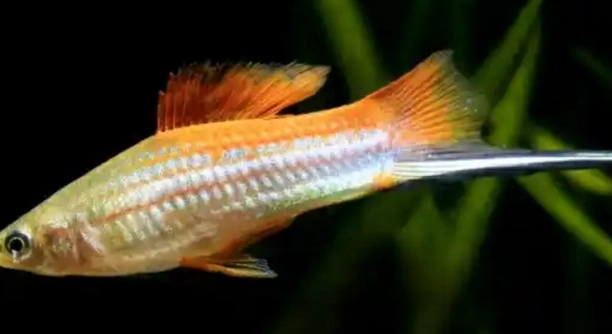
Swordtail fish labor is an important phase in their breeding cycle. Understanding the timing of this process can help you properly care for the expectant mother and prepare for the arrival of fry.
Swordtail labor typically lasts anywhere from 24 to 48 hours. During this time, the female will gradually give birth to multiple fry. The process can vary slightly depending on the health and environment of the fish.
Being aware of the labor duration will help you better prepare your tank and ensure a smooth birthing process for your swordtail.
What to Expect During Swordtail Labor
Swordtail fish go through labor in stages, with the female gradually releasing fry. The process typically takes between 24 and 48 hours, but it can vary based on factors like the health of the fish and the environment. During this time, it’s important to provide a calm, stress-free space. Stress can slow down the birthing process or even harm the fry.
If you’re preparing for swordtail labor, you should set up a separate breeding tank with appropriate water conditions. Ensure the water is clean, warm, and slightly acidic, as these conditions encourage healthy births. A separate space helps prevent the fry from being eaten by other fish, including the mother.
One of the key things to monitor is the female’s behavior before labor starts. She may become more restless, and you might notice her body shape changing as the fry develop. It’s essential to keep a close eye on her, especially during the final stages.
Preparing for the Arrival of Fry
Before your swordtail goes into labor, ensure the tank is ready. Keep it clean and avoid disturbances.
Once the labor begins, the female will give birth to several small fry, each looking for a safe space in the tank. It’s common for the female to give birth over the course of several hours, which can be tiring for her. Providing extra hiding spots in the tank can help keep the newborns safe from predators. Additionally, the fry should be fed a special fry food until they are old enough to eat regular fish food. Monitoring the water quality is also crucial during this time, as baby swordtails are sensitive to changes in the environment. The healthier the water, the better chance the fry will thrive.
Signs That Labor Is Approaching
As the time for labor nears, you will notice several signs. The female swordtail may become more restless and start hiding more frequently. Her body will also appear more swollen, indicating she is carrying fry.
Before labor begins, the female may eat less or stop eating altogether. Her belly will look noticeably rounder, and the gravid spot, a darkened area near her tail, will become more visible. These are clear signs that labor is imminent. You may also notice her becoming more lethargic or retreating to quiet corners of the tank. During this time, providing extra comfort and a stress-free environment is essential.
It’s important to monitor the female carefully, as swordtail fish can go into labor unexpectedly. Having a separate breeding tank ready will ensure that she can give birth without disturbance. Keep a close eye on her during this time, especially if she shows signs of discomfort or stress.
After the Birth
Once the fry are born, the female may continue to look slightly swollen, but she will usually return to her regular behavior soon after. She will often eat the leftover birthing sac if not removed quickly, so keeping a clean environment is important.
Immediately after birth, you’ll need to separate the newborns from the rest of the tank inhabitants, as they can easily become prey for other fish. Provide hiding spots for the fry to feel secure. A breeder box can be helpful to keep them safe during their early stages. Fry can be very small, so it’s essential to feed them carefully with appropriately sized food. If you notice any fry that are struggling, it’s best to monitor their health closely to ensure they are not being harmed by tank conditions.
Keeping the Fry Safe
After birth, it’s crucial to provide a safe space for the fry. They are tiny and vulnerable, making them easy targets for other fish in the tank. Keep the area well-lit, but not too bright, to help them feel secure.
Adding plants, rocks, or decorations to the tank can give the fry places to hide. They’ll also need clean water, so be sure to monitor the tank closely. Keep the water temperature stable and make sure to avoid any sudden changes. A good filter can help maintain water quality, but make sure it’s not too strong to avoid sucking the fry into the filter.
Feeding the Fry
Feed the fry small amounts of food several times a day. You can use special fry food or finely crushed flake food. Overfeeding can lead to water quality issues, so it’s important to feed small amounts.
You can also try live foods like baby brine shrimp or microworms as they grow. These foods are more nutritious and encourage healthy growth. The fry will need to be fed at least two to three times a day, depending on their size and how fast they’re growing.
Monitoring the Female’s Health
Once the fry are born, keep an eye on the female’s health. Some swordtails may experience stress or complications after giving birth, so it’s important to observe her closely. If she appears lethargic or has trouble swimming, it could be a sign of a problem.
Ensure she has access to clean, warm water to help her recover. In some cases, she may need extra nutrition, such as a higher-protein diet, to regain her strength. If you notice any unusual signs, it’s best to consult a vet with experience in aquarium fish.
FAQ
How do I know when my swordtail is about to give birth?
When a swordtail is about to give birth, there are several signs to watch for. Her belly will become visibly round, and the gravid spot near her tail will darken. She may also become more restless and seek out a quiet, secluded area. The female may stop eating or eat less as she gets closer to labor. Keep an eye on her behavior as she approaches the birthing process, and make sure she has a comfortable environment to give birth in.
Can I leave my swordtail in the main tank while she gives birth?
It’s best to move the female swordtail to a separate breeding tank when she’s about to give birth. This helps protect the fry from being eaten by other fish, including the mother. A breeding box or net can also work if a separate tank is not available, but ensure it’s large enough for her to swim comfortably. The main tank can be too chaotic, and the fry will have a better chance of surviving if they’re not at risk of being eaten.
What should I do after the swordtail gives birth?
Once the swordtail gives birth, it’s important to move the fry to a safe space. The female may eat the birthing sac or any remaining fry, so be sure to remove any leftover materials promptly. Keep the water clean and stable, and provide hiding places for the fry. You can also feed them small amounts of fry food or live foods, like baby brine shrimp, to help them grow strong. Monitor the water quality closely and perform regular water changes to keep the tank environment healthy for the fry.
How long does it take for swordtail fry to grow?
Swordtail fry grow relatively quickly, depending on their environment and how well they’re cared for. Within a few weeks, they’ll start to show signs of color. By about one month, they should be large enough to join the main tank with the adult fish. However, the fry’s growth can be affected by factors like water quality, temperature, and nutrition, so be sure to feed them appropriately and maintain a clean, stable tank environment for optimal growth.
Can swordtails have multiple batches of fry at once?
Swordtails can store sperm from previous mates, so they can give birth to multiple batches of fry without needing to mate again. This means that a female swordtail can give birth several times from a single mating. It’s important to monitor her health and environment during this time, as frequent birthing can be taxing on her body. If the female seems stressed or worn out, consider giving her some time to recover before allowing her to mate again.
What are the best conditions for swordtail fry to thrive?
Swordtail fry need clean, warm water to thrive. The water temperature should be between 75°F and 80°F (24°C to 27°C), and the pH should be slightly acidic to neutral. They also need plenty of hiding spaces to feel secure. Adding plants or decorations can help create these hiding spots. Keeping the water clean is crucial, so frequent water changes are necessary. Avoid strong currents in the tank, as the fry are small and fragile.
How do I prevent swordtail fry from being eaten?
To prevent swordtail fry from being eaten, it’s essential to provide them with a safe space away from adult fish. A separate breeding tank or breeder box can protect them during their early stages of life. In a community tank, it’s common for adults to prey on the fry, so it’s best to separate them until they’re large enough to be safely introduced. Be sure to feed them small amounts of food several times a day to encourage healthy growth.
How often do swordtail fish reproduce?
Swordtail fish can reproduce multiple times a year. The female can give birth to new batches of fry every 4 to 6 weeks, depending on her health and environment. However, constant breeding can take a toll on the female, so it’s important to give her time to rest and recover between pregnancies. Ensure she has a balanced diet and a stress-free environment to maintain her health during repeated pregnancies.
What should I feed swordtail fry?
Swordtail fry need small, nutritious food to grow strong. Special fry food, baby brine shrimp, or finely crushed flake food are good options. You can also offer micro worms or other live foods to encourage healthy development. Feed them small amounts several times a day to prevent overfeeding and maintain good water quality. As they grow, you can slowly introduce larger food items. Keep the water clean by removing any uneaten food promptly.
Can swordtail fry be raised in a community tank?
It’s best to raise swordtail fry in a separate tank or breeder box until they are large enough to be introduced to the community tank. The adult fish, including the mother, may see the fry as food, which puts their survival at risk. Once the fry are big enough to avoid being eaten, they can be moved to the main tank. Keep an eye on their growth and ensure they’re not being outcompeted for food by the adult fish.
Final Thoughts
Caring for swordtail fish during their labor and after can seem like a lot of work, but it’s rewarding to watch the fry grow. With the right setup and a bit of patience, you can provide a safe and healthy environment for the new arrivals. Keeping the water clean, providing proper hiding places, and feeding the fry appropriately are key steps in ensuring their survival. Also, always keep an eye on the mother, as she might need some extra care after giving birth.
Swordtails are relatively easy to breed compared to other fish species, but successful breeding depends on creating the right conditions. Maintaining the right water temperature, pH levels, and ensuring the tank is free from stressors all play a part in a successful birthing process. A dedicated breeding tank or breeding box can make a huge difference, protecting the fry from being eaten by adult fish and allowing them to grow in peace. Once the fry are old enough, they can be moved to the main tank with the other fish.
Understanding the process of swordtail breeding, from the pregnancy signs to caring for the fry, helps ensure a smooth experience. Whether you are breeding swordtails as part of a hobby or to improve your tank’s population, taking the right steps can make all the difference. The time spent creating the best environment for both the mother and her fry will pay off with healthier fish and a thriving tank. Keep monitoring water conditions and the well-being of the fish, and you’ll be able to enjoy the sight of healthy, growing swordtail fry.

Hello,
If you enjoy the content that we create, please consider saying a "Thank You!" by leaving a tip.
Every little bit helps us continue crafting quality advice that supports the health, happiness, and well-being of pets around the world, for pets of all shapes, sizes, and species.
We really appreciate the kindness and support that you show us!