
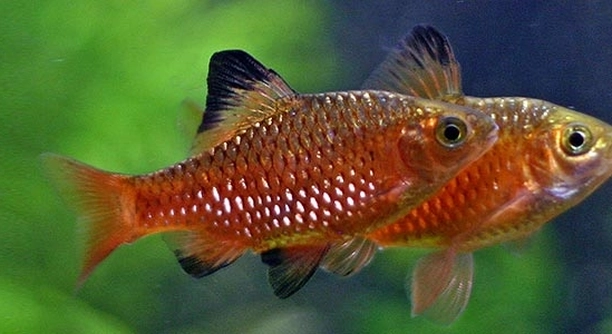
Rosy Barbs are popular aquarium fish known for their vibrant colors and active nature. When introduced to a new tank, they need time to adjust to their environment and establish a comfortable routine. Understanding this process is important for their well-being.
Rosy Barbs generally take about one to two weeks to settle in properly. During this period, they acclimate to water conditions, establish territory, and reduce stress levels. Providing a stable environment with proper care facilitates a smoother transition for the fish.
Knowing how long it takes for Rosy Barbs to adapt helps ensure a healthy aquarium setup. This article will explain the key factors that affect their settling time and how to support them during this stage.
Factors Affecting Rosy Barbs’ Settling Time
Several factors influence how quickly Rosy Barbs adjust to a new tank. Water temperature, pH levels, and tank size all play significant roles. Stable water parameters reduce stress and help fish acclimate faster. The presence of hiding spots and plants also makes them feel secure. Sudden changes in environment or poor water quality can delay settling. New fish may hide or show less activity at first, which is normal. Feeding them small amounts of food multiple times a day encourages comfort and helps build trust. Avoid overcrowding the tank, as it increases competition and stress. Patience during this time is essential to ensure your Rosy Barbs adapt without health problems. Monitoring their behavior daily can alert you to any issues early on.
A well-maintained tank with stable conditions speeds up Rosy Barbs’ adaptation, reducing their stress significantly. This is key to their healthy start.
Watching how your fish interact with their surroundings reveals much about their comfort level and progress settling in.
Tips to Help Rosy Barbs Settle Quickly
Introducing Rosy Barbs gradually to the tank prevents shock from sudden changes. Use a drip acclimation method to equalize water parameters slowly. Keep lighting dim during the first few days to reduce stress. Provide plenty of hiding places using plants or decorations. Feeding high-quality food in small portions encourages normal behavior. Regular water testing ensures conditions remain ideal, avoiding fluctuations that unsettle fish. Avoid tapping on the glass or making loud noises, as these can frighten them. If possible, add tank mates that are peaceful and compatible to avoid aggression. Consistent maintenance and observation help catch any signs of illness early. With careful care, Rosy Barbs will become more active and colorful as they grow comfortable.
Supporting your Rosy Barbs with these steps can make their transition smoother and healthier, allowing you to enjoy their lively presence sooner. Creating a calm, stable environment is the foundation for a thriving aquarium and happy fish.
Common Signs Rosy Barbs Are Settling In
Rosy Barbs begin to explore their tank more actively once comfortable. They swim freely, interact with tank mates, and show interest in food. Color brightness often improves as stress decreases.
Increased activity is a clear sign that Rosy Barbs feel secure. They will swim confidently throughout the tank and spend less time hiding. Their appetite returns to normal, and they respond to feeding times eagerly. Fading or dull coloration usually brightens, reflecting better health. Watching these behaviors helps you track their adjustment progress. Stress signs like clamped fins or erratic swimming indicate problems needing attention.
Rosy Barbs may also begin establishing small territories, especially in larger tanks. This natural behavior shows they are settling into their environment. Monitoring tank conditions and keeping stress low supports this healthy adjustment. Consistent care helps them thrive over time.
Managing Stress During the Settling Period
Stress in Rosy Barbs can cause illness or poor adaptation. Minimizing sudden changes and maintaining water quality are essential. Avoid overcrowding and provide hiding spots to reduce tension.
Keeping water temperature stable between 72-78°F supports comfort. Test water regularly for ammonia, nitrites, and nitrates, ensuring safe levels. Feeding small amounts multiple times a day prevents hunger-related stress. Sudden loud noises or rapid movements near the tank should be avoided to keep the environment calm. Use gentle filtration systems to maintain clean water without strong currents. Stress management promotes a faster, healthier settling process and reduces risk of disease. Observing your fish daily allows early detection of any distress, allowing timely care interventions.
Feeding Rosy Barbs During the Settling Period
Feed Rosy Barbs small amounts several times a day. This prevents overfeeding and keeps them interested in food.
Use high-quality flakes or pellets designed for tropical fish. Supplement with occasional live or frozen foods for variety and nutrition.
Monitoring Water Quality
Regularly test water parameters like pH, ammonia, nitrite, and nitrate levels. Keeping these stable is vital for fish health and comfort.
Water changes of 20-30% weekly help maintain cleanliness and reduce toxins. Consistent monitoring ensures a safe environment for Rosy Barbs to settle and thrive.
Adjusting Tank Conditions
Keep the tank temperature steady, ideally between 72-78°F. Sudden temperature changes stress the fish and delay settling.
Avoid strong currents by using gentle filtration. This helps create a calm environment that supports Rosy Barbs’ adaptation.
Tank Mates Compatibility
Choose peaceful fish species as tank mates for Rosy Barbs. Aggressive or overly active fish can cause stress and disrupt settling.
Compatibility helps maintain a balanced and peaceful aquarium environment, making it easier for Rosy Barbs to feel secure.
How long does it usually take for Rosy Barbs to stop hiding?
Rosy Barbs typically stop hiding within one to two weeks after being introduced to a new tank. During this time, they get used to their surroundings and feel safer. If the environment is stable and free of sudden disturbances, they will gradually swim more openly and explore the entire tank.
What can I do if my Rosy Barbs keep hiding after two weeks?
If Rosy Barbs continue hiding past two weeks, check water quality and tank conditions first. Poor water parameters or sudden changes can cause ongoing stress. Ensure the tank has enough plants and hiding spots but also open swimming areas. Avoid loud noises and vibrations near the tank. Sometimes, adding compatible tank mates encourages activity and confidence.
Are Rosy Barbs aggressive when settling in?
Rosy Barbs are generally peaceful but can show mild territorial behavior while settling, especially males. This is normal as they establish boundaries. Aggression usually decreases once they feel secure. Overcrowding can increase aggression, so keep the tank appropriately stocked.
Can changing water temperature affect settling time?
Yes, sudden changes in water temperature cause stress and delay settling. Rosy Barbs prefer stable temperatures between 72-78°F. Use a reliable heater and thermometer to maintain consistency. Avoid temperature swings by adding new water slowly and matching the tank’s temperature during water changes.
Is it normal for Rosy Barbs to lose color after moving to a new tank?
Color fading is common during the initial settling period due to stress. As fish adjust and become comfortable, their vibrant colors return. Proper nutrition, clean water, and low stress levels speed up color recovery. If fading persists beyond a few weeks, it could indicate illness or poor conditions.
How often should I feed Rosy Barbs while they settle in?
Feed small portions two to three times daily during settling. Frequent small meals help maintain energy and reduce stress. Avoid overfeeding, which can foul water and harm fish health. Offering a mix of flakes, pellets, and occasional live or frozen foods supports balanced nutrition.
What tank size is best for Rosy Barbs to settle quickly?
A tank of at least 20 gallons is recommended for a small group of Rosy Barbs. Larger tanks provide more stable water conditions and space for swimming, which promotes quicker settling. Overcrowding causes stress and delays adaptation, so consider tank size carefully.
Should I quarantine Rosy Barbs before adding them to the main tank?
Quarantining new Rosy Barbs for 1-2 weeks helps prevent disease introduction and allows observation of health issues. It reduces stress on the main tank’s inhabitants and gives the new fish time to acclimate gradually to water conditions before transfer.
Do Rosy Barbs need plants to settle well?
Plants provide shelter and mimic natural habitats, helping Rosy Barbs feel secure. Live or artificial plants create hiding spots that reduce stress during settling. However, balance plants with open swimming areas, as these fish are active swimmers and need space.
Can tank mates affect how fast Rosy Barbs settle in?
Yes, peaceful and compatible tank mates can help Rosy Barbs feel less threatened and settle faster. Aggressive or overly active fish may cause stress and delay settling. Choose species with similar temperaments and avoid overcrowding to maintain harmony.
How can I tell if my Rosy Barbs are stressed?
Signs of stress include hiding excessively, clamped fins, erratic swimming, loss of appetite, and faded colors. Stress weakens the immune system, making fish more vulnerable to illness. Addressing water quality, tank conditions, and reducing disturbances helps reduce stress.
What is the best way to acclimate Rosy Barbs to a new tank?
Use the drip acclimation method to gradually adjust Rosy Barbs to new water parameters. Slowly mix tank water into their transport water over 1-2 hours. This reduces shock from changes in temperature, pH, and hardness. After acclimation, gently release the fish into the tank.
Can lighting impact how Rosy Barbs settle?
Bright or sudden lighting changes can cause stress. Dim lighting during the first few days after introduction helps fish feel safer. Gradually increasing light intensity over time allows them to adapt naturally without becoming frightened.
What should I do if one Rosy Barb appears sick during the settling period?
Isolate the sick fish in a quarantine tank to prevent spreading illness. Test water quality and check for signs like spots, swelling, or abnormal behavior. Treat with appropriate medications if needed and maintain good water conditions. Early intervention improves recovery chances.
How important is water filtration during the settling period?
Filtration is crucial for maintaining clean water and reducing harmful toxins. Use a gentle filter to avoid strong currents that may stress Rosy Barbs. Regular filter maintenance and water changes help provide a stable environment, supporting a smoother settling process.
Is it normal for Rosy Barbs to jump when first introduced?
Jumping can happen when fish are stressed or startled, especially during transfer. Make sure the tank has a secure lid to prevent escapes. Minimizing sudden movements and loud noises during introduction reduces this behavior.
How long does it take for Rosy Barbs to show their true colors after settling?
Typically, Rosy Barbs regain full color within two to three weeks. Stress reduction, proper feeding, and stable water conditions encourage color development. Patience during this period is important, as rushing changes can cause setbacks.
Are there any special care tips for young Rosy Barbs during settling?
Juvenile Rosy Barbs are more sensitive to water changes and stress. Provide gentle filtration, stable temperatures, and plenty of hiding spots. Feed finely crushed flakes or small live foods to meet their nutritional needs. Monitor closely for signs of illness or stress.
What should I avoid during the settling period?
Avoid sudden water changes, overcrowding, and aggressive tank mates. Refrain from tapping on the glass or making loud noises. Do not overfeed, as excess food leads to poor water quality. Keeping the environment calm and stable supports healthy adjustment.
How often should I check on my Rosy Barbs while they settle?
Daily observation is recommended to monitor behavior, appetite, and health. Early detection of problems like illness or stress allows timely intervention. Quick responses help ensure a smooth transition to their new home.
Settling Rosy Barbs into a new tank takes time and patience. Understanding their needs and creating a stable environment helps them adjust more quickly. This includes keeping water conditions steady, providing hiding spots, and feeding them appropriately. Rosy Barbs are active fish that need space to swim, but they also benefit from areas where they can feel secure. Maintaining a balance between open swimming areas and plants or decorations allows them to settle comfortably and confidently. Watching their behavior closely during the first few weeks gives valuable insight into how well they are adjusting.
Proper care during the settling period prevents stress, which can weaken the fish and cause health issues. Stress shows in behaviors like hiding, loss of appetite, and dull colors. Avoiding sudden changes in water temperature or quality is important. Regular water tests and partial water changes help keep the tank clean and safe. Feeding small amounts multiple times a day ensures the fish get enough nutrition without polluting the water. Selecting peaceful tank mates also supports a calm environment, helping Rosy Barbs feel less threatened and more at ease. Taking these steps increases the chances of a smooth transition for the fish.
Patience is key when introducing Rosy Barbs to a new home. They usually take one to two weeks to settle fully, but some may need more time depending on the tank conditions and their individual temperament. Rushing the process or making frequent changes can cause unnecessary stress. Giving them a consistent environment and minimal disturbance encourages natural behaviors like swimming actively, showing bright colors, and interacting with other fish. Over time, Rosy Barbs become more confident and vibrant, adding life and beauty to the aquarium. With careful attention and steady care, they will thrive and provide enjoyment for years to come.

Hello,
If you enjoy the content that we create, please consider saying a "Thank You!" by leaving a tip.
Every little bit helps us continue crafting quality advice that supports the health, happiness, and well-being of pets around the world, for pets of all shapes, sizes, and species.
We really appreciate the kindness and support that you show us!