
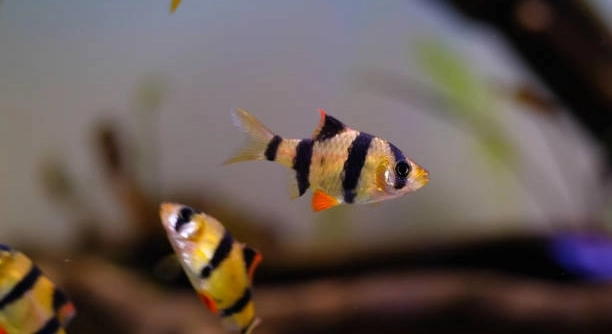
Are your tiger barbs gliding through the tank with energy, leaving you curious about how long they’ll stay part of your underwater world?
Tiger barbs typically live for five to seven years in captivity when provided with proper care, including a clean tank, stable water conditions, and a balanced diet.
Understanding their lifespan helps you create a more supportive environment and avoid common mistakes that may shorten their time with you.
What Affects the Lifespan of Tiger Barbs
Tiger barbs are active fish that need the right setup to live well. Their lifespan depends heavily on how stable and clean their tank is. A filtered tank with regular water changes can help prevent stress and disease. They also need enough space to swim freely. Small tanks may shorten their life because of poor water quality and lack of movement. Diet matters too—high-quality flakes or pellets, along with frozen or live food, give them balanced nutrition. Temperature, pH, and tank mates also play a role. Sudden shifts or aggressive tank mates can cause stress, leading to a shorter life.
Tank cleanliness, good food, and stable water conditions are the main things that support a long, healthy life for tiger barbs.
When choosing tank mates, it’s best to pick fish that can match their active behavior. Peaceful or slow-moving fish may not be the best fit. This helps reduce stress and fin nipping.
Common Mistakes That Shorten Their Life
Overfeeding and poor water maintenance are two of the biggest problems. Uneaten food decays, which can quickly lower water quality and harm their health.
Neglecting tank maintenance is one of the most common reasons tiger barbs don’t live long. Dirty water leads to ammonia spikes, which can damage their gills and organs. Skipping regular water changes also reduces oxygen levels, making it harder for the fish to breathe. Another issue is housing tiger barbs alone or in small groups. These fish are naturally social and need to be in schools of at least six. Without this, they become aggressive and stressed. Also, using a tank that’s too small limits movement and increases waste buildup. Many people also ignore water temperature and pH. These should stay steady within the ideal range. Fluctuations can weaken their immune system and open the door to illness. Being mindful of these factors can greatly increase their lifespan.
How to Help Tiger Barbs Live Longer
Clean water is key. Do regular water changes, at least 25% each week. Use a water conditioner and check parameters often. Stable temperature and pH make a big difference. Avoid overcrowding and keep tank mates compatible to prevent stress.
A proper diet helps boost immunity and supports overall health. Feed a mix of quality flake food, live or frozen brine shrimp, and bloodworms. Avoid overfeeding—offer only what they can eat in two to three minutes, twice a day. Remove leftovers right away. A well-fed fish will have better color, stronger fins, and more energy. It also helps reduce disease risk. Variety in their diet keeps them interested and more active.
Lighting and a stable routine support a stress-free environment. Keep the tank in a quiet area away from heavy foot traffic or sudden vibrations. A set light cycle of 8–10 hours daily mimics natural patterns. Adding live plants or décor gives hiding spots and reduces tension.
Signs of Aging in Tiger Barbs
As tiger barbs get older, their colors may fade and they may swim less actively. Their movements become slower and they rest more often, especially near the bottom.
Older tiger barbs may also eat less than before. This change is normal if the water conditions are stable and no illness is present. Fins can show wear, and you might see mild cloudiness in the eyes. Their behavior may also shift—they could become less social or stay away from the group more often. Watching for these signs helps you adjust their care. Softer food or shorter feeding times may help them eat more comfortably. Make sure they aren’t being bullied by younger or more active fish. Older fish still need clean water and good food, but small changes in their environment can help them stay comfortable as they age.
Can Tank Size Influence Lifespan
Yes, tank size makes a big difference. A small tank can cause stress, poor water quality, and limited movement. These conditions can lead to illness and a shorter life. A larger tank helps keep the water stable and gives them room to swim.
A 20-gallon tank is the minimum recommended for a group of six tiger barbs. More space is always better, especially if adding other fish. It helps reduce aggression and gives each fish a chance to establish its own space. Proper filtration is also easier in a larger tank.
How Water Parameters Affect Their Health
Tiger barbs do best in water that is slightly acidic to neutral, with a pH between 6.0 and 7.5. The water temperature should stay between 74°F and 79°F. Rapid changes in either can cause stress, weaken their immune system, and lead to illness. Use a reliable heater and thermometer to keep temperature stable. Always test water regularly for ammonia, nitrite, and nitrate. High ammonia or nitrite levels can be deadly. Nitrate should be kept below 40 ppm. A good filter and weekly water changes will help maintain balance. Avoid adding untreated tap water directly to the tank, as it can contain harmful chemicals.
Should You Keep Them in Groups
Yes, tiger barbs are schooling fish and need to be kept in groups of at least six. Being alone or in small groups causes stress and can lead to aggression or illness.
How long do tiger barbs live in home aquariums?
Tiger barbs usually live between five and seven years when kept in good conditions at home. Proper care such as clean water, balanced diet, and stable tank parameters helps them reach this lifespan. Without good care, their life can be much shorter.
What tank size is best for tiger barbs?
A minimum of 20 gallons is recommended for a small group of six tiger barbs. Larger tanks provide better water stability and space to swim. Overcrowding causes stress and poor water quality, which can reduce their lifespan.
What water temperature do tiger barbs need?
Tiger barbs thrive in water temperatures between 74°F and 79°F (23°C to 26°C). Keeping the temperature stable is important to prevent stress and health problems. Use a heater and thermometer to monitor the tank.
How often should I change the water for tiger barbs?
Changing about 25% of the tank water weekly helps keep the environment healthy. Regular water changes remove waste and toxins that can build up and harm the fish. Always treat tap water to remove chlorine or chloramines before adding it.
What do tiger barbs eat?
Tiger barbs eat a varied diet of high-quality flakes or pellets, supplemented with live or frozen foods like bloodworms, brine shrimp, or daphnia. A balanced diet keeps them healthy and colorful. Avoid overfeeding to prevent water pollution.
Are tiger barbs aggressive?
Tiger barbs can be semi-aggressive, especially if kept in small groups or with slow-moving fish. Keeping at least six tiger barbs together helps reduce aggression because they focus on their own group. Avoid slow or long-finned tank mates that may get nipped.
Can tiger barbs live with other fish?
Yes, but choose tank mates carefully. Good companions include fast, active fish that can handle the barbs’ playful but sometimes nippy behavior. Avoid slow, peaceful, or long-finned fish to prevent stress or injury.
How do I tell if my tiger barb is sick?
Signs of illness include faded colors, clamped fins, lethargy, loss of appetite, white spots, or unusual swimming patterns. Early detection and treatment improve their chances of recovery. Keeping the tank clean and stable helps prevent many diseases.
Do tiger barbs need plants in their tank?
Plants provide hiding spots and help reduce stress, making the tank feel more natural. Live plants can also improve water quality by absorbing nitrates. Choose hardy plants that can tolerate active fish movement.
What should I do if my tiger barbs are fighting?
Increase the group size to at least six to help spread aggression. Add more hiding places or rearrange the tank décor to break up territories. If fighting continues, separate the most aggressive fish to prevent injury.
How can I improve the lifespan of my tiger barbs?
Maintain clean water with regular changes, feed a balanced diet, keep a stable temperature, and house them in appropriate groups with compatible tank mates. Avoid overcrowding and stress to support their health and longevity.
Are there common diseases that affect tiger barbs?
Yes, they can get diseases like ich, fin rot, and bacterial infections if water quality is poor. Quarantine new fish before adding them and treat any illness promptly. Healthy living conditions reduce the risk of disease.
What is the best way to introduce new tiger barbs to a tank?
Acclimate new fish slowly by floating their bag in the tank and gradually mixing tank water with the bag water over 30-60 minutes. This reduces shock from temperature or water chemistry changes. Watch for signs of stress during and after introduction.
Can tiger barbs live alone?
Tiger barbs are social and do best in groups. Keeping one or two alone often causes stress and leads to health problems or aggression. A group of six or more helps them behave naturally and stay healthy.
How often do tiger barbs breed?
They can breed frequently if conditions are right, including clean water, proper temperature, and plenty of hiding spots for fry. Breeding usually occurs in groups with a mix of males and females. Separate adults from fry to avoid them being eaten.
What is the average size of a tiger barb?
Tiger barbs grow to about 2.5 to 3 inches in length. Their size requires a tank that can accommodate their active swimming and social behavior comfortably. Smaller tanks can stunt their growth and affect health.
Tiger barbs are lively and colorful fish that bring energy to any aquarium. Knowing how long they usually live helps you plan better care for them. On average, these fish live between five and seven years when their needs are met. Their lifespan depends largely on factors like tank size, water quality, diet, and social environment. Providing a clean, stable tank and a proper diet plays a big role in keeping tiger barbs healthy and happy. Taking care of these basics can prevent common problems and support a longer life for your fish.
Keeping tiger barbs in groups is very important because they are schooling fish. When kept alone or in too small a group, they can become stressed or aggressive, which shortens their life. A tank of at least 20 gallons with six or more tiger barbs is ideal. The right tank size helps keep the water stable and gives the fish enough room to swim and interact naturally. Regular water changes, monitoring temperature, and checking water parameters also reduce stress and illness risks. A balanced diet with varied food keeps them strong and colorful, which is a sign of good health.
A little attention to their behavior can help you notice signs of aging or illness early. Older tiger barbs may slow down and lose some color, which is normal, but changes in appetite or appearance should be watched closely. If health problems arise, acting quickly and maintaining good water quality can improve their chances. Overall, tiger barbs need a steady environment and proper care to reach their full lifespan. Following these simple steps makes keeping tiger barbs rewarding and ensures they stay vibrant companions for years.

Hello,
If you enjoy the content that we create, please consider saying a "Thank You!" by leaving a tip.
Every little bit helps us continue crafting quality advice that supports the health, happiness, and well-being of pets around the world, for pets of all shapes, sizes, and species.
We really appreciate the kindness and support that you show us!