
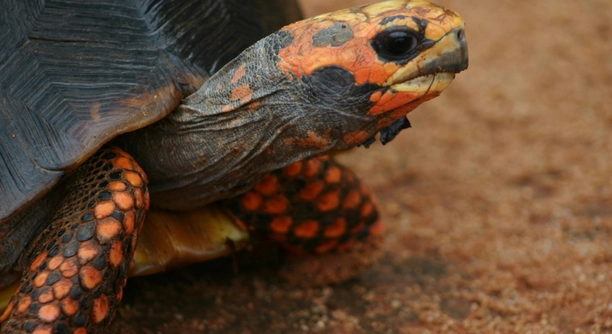
Red-footed tortoises are fascinating reptiles, known for their striking appearance and slow-paced lives. If you’re considering keeping one, it’s important to understand how long they can live and what factors influence their lifespan.
Red-footed tortoises typically live between 50 and 60 years, though some can live even longer with the right care. Their lifespan is influenced by factors like diet, habitat, health, and genetics. Proper care and attention can help them live a long life.
Understanding the key factors that affect their lifespan can help ensure your tortoise lives a long, healthy life.
Lifespan of Red-Footed Tortoises
Red-footed tortoises have a relatively long lifespan compared to many other reptiles. In the wild, they can live up to 50 years or more, but in captivity, with proper care, they often live even longer. These tortoises are known for their resilience, but there are several factors that can affect their lifespan. Diet plays a crucial role; feeding them a balanced mix of fruits, vegetables, and occasional protein helps maintain their health. Additionally, their environment matters a lot. If they are kept in a well-maintained, spacious enclosure with appropriate temperature and humidity, they tend to live much longer.
The health of your tortoise is also influenced by how well it is cared for. Regular veterinary checkups and attention to their physical needs, such as shell maintenance, can contribute to their longevity. Genetics can also play a role in their life expectancy, but providing a proper habitat and diet gives them the best chance for a long life.
Proper care includes ensuring they have a safe environment with clean water and appropriate temperature. A combination of a healthy diet and regular check-ups supports their overall well-being.
Factors That Impact Lifespan
One significant factor in a red-footed tortoise’s life is their diet. A balanced and nutritious diet directly contributes to their health and longevity.
A tortoise’s diet should consist of leafy greens, fruits, and some protein sources. It’s important to avoid overfeeding them with foods that are too high in sugar or fat. Offering a variety of foods helps prevent deficiencies in essential vitamins and minerals. It’s also beneficial to provide calcium supplements, as this helps maintain a strong, healthy shell. Maintaining hydration is just as vital, as dehydration can lead to health complications. Their diet, paired with proper enclosure conditions, will help them thrive and possibly exceed their expected lifespan.
Temperature and Humidity Requirements
The temperature and humidity levels in a red-footed tortoise’s habitat can significantly impact its health and lifespan. They thrive in warm, humid environments, mimicking their native tropical habitat.
In their enclosure, temperatures should range from 75°F to 85°F during the day, with a warm spot of around 90°F. At night, the temperature should drop slightly, but it should not fall below 70°F. Humidity levels should be kept around 70-80% to prevent dehydration and encourage proper shedding. Providing a humid hide box can help them feel secure and maintain optimal moisture levels.
Temperature regulation is vital to ensure your tortoise stays active and healthy. A basking light or heat source can help them maintain their body temperature. Without proper heat, your tortoise may become lethargic or suffer from metabolic issues. Monitoring these conditions regularly ensures they remain in the ideal range, supporting your tortoise’s overall well-being and helping it live a longer, healthier life.
Regular Veterinary Care
Taking your red-footed tortoise to the vet regularly is an essential part of ensuring they live a long life. A veterinarian experienced with reptiles can monitor your tortoise’s health and catch any issues early on.
Routine check-ups help detect parasites, infections, or other hidden health problems. Your vet will also check for any signs of shell rot, respiratory issues, or vitamin deficiencies. Additionally, they can provide guidance on diet and habitat maintenance to improve your tortoise’s living conditions. Preventative care is crucial, as it helps avoid potential health problems that could shorten their lifespan. Regular vet visits are one of the easiest ways to give your tortoise the best chance at a long, healthy life.
Diet and Nutrition
A proper diet is one of the most important factors influencing a red-footed tortoise’s lifespan. Their diet should consist mostly of leafy greens, fruits, and vegetables, with some occasional protein sources.
It’s essential to avoid feeding them high-fat or sugary foods, as it can lead to obesity or other health problems. Offering a variety of foods ensures they get all the necessary vitamins and minerals to stay healthy. You can also add calcium supplements to prevent shell deformities. Proper nutrition is key to maintaining their energy and supporting a long life.
Proper Enclosure Size
Red-footed tortoises need ample space to roam, as confinement in too small of an area can lead to stress and health issues. Their enclosure should be spacious enough to allow movement, exploration, and the opportunity to regulate temperature and humidity effectively.
A large outdoor enclosure with access to sunlight or a large indoor setup will help meet their physical and environmental needs. A secure enclosure prevents them from escaping while also offering a variety of hiding spots and basking areas. An ideal enclosure mimics their natural environment as much as possible, ensuring their comfort and well-being.
Exercise and Mental Stimulation
Providing your red-footed tortoise with space to explore and stimulating its mind is just as important as diet and health care. Tortoises are naturally curious creatures that benefit from regular interaction with their surroundings.
They enjoy foraging for food, investigating new objects, and having access to different textures in their enclosure. Keeping them mentally stimulated can prevent boredom and stress, both of which can negatively impact their health. Allowing them time outside their enclosure, under supervision, provides even more opportunities for exercise and exploration, which supports their physical and mental well-being.
FAQ
How long do red-footed tortoises live in the wild?
Red-footed tortoises in the wild can live anywhere from 50 to 60 years, sometimes even longer if conditions are right. They enjoy a stable, natural environment where they have access to fresh food and water, along with the freedom to roam. Their long lifespan in the wild is due to the absence of predators and a balanced habitat, though factors like disease or injury can still shorten their life.
How can I ensure my red-footed tortoise lives a long life?
To help your red-footed tortoise live a long life, provide a suitable enclosure with proper temperature and humidity levels. Offer a balanced diet of leafy greens, fruits, and occasional protein. Regular veterinary care and a spacious, safe environment are also essential for promoting longevity. Mental stimulation, exercise, and proper hydration are equally important in ensuring their well-being.
Do red-footed tortoises need UVB light?
Yes, UVB light is crucial for red-footed tortoises, especially if they are housed indoors. UVB light helps them produce vitamin D3, which is necessary for calcium absorption and shell health. Without adequate UVB light, your tortoise may develop metabolic bone disease or other health issues. A good UVB light should be positioned above the basking area and replaced every 6 to 12 months to maintain effectiveness.
Can red-footed tortoises live in a cold climate?
Red-footed tortoises are native to warm, tropical environments and prefer temperatures between 75°F and 85°F. If you live in a cold climate, they will need a controlled indoor environment that mimics their natural habitat. An outdoor enclosure may be suitable in warm climates, but in cold weather, bringing your tortoise inside is necessary to avoid exposure to harmful cold temperatures.
What do red-footed tortoises eat?
Red-footed tortoises primarily eat a variety of leafy greens, fruits, and vegetables. They enjoy foods like collard greens, dandelion greens, strawberries, and mangoes. You can also feed them occasional sources of protein such as insects, but their diet should mainly consist of plant-based foods. Always provide fresh, clean water and avoid feeding them foods that are high in sugar or fat. It’s also important to offer calcium supplements to ensure strong shells and bones.
How often should I feed my red-footed tortoise?
Young red-footed tortoises need to be fed more frequently than adults, usually once a day. Adults can be fed every other day or every third day, depending on their size and activity level. Always monitor your tortoise’s weight and health to ensure they are eating the right amount. Overfeeding can lead to obesity, while underfeeding can cause malnutrition. Offering a variety of foods helps meet their nutritional needs.
Can I house multiple red-footed tortoises together?
While it’s possible to house multiple red-footed tortoises together, it’s important to monitor them closely. Tortoises can be territorial, especially males, and may fight over space or food. To avoid aggression, provide plenty of hiding spots and ensure the enclosure is large enough to accommodate them. If you have a male and female, be prepared for possible mating behavior. Always keep an eye on them to ensure they are getting along and not showing signs of stress or injury.
Are red-footed tortoises good pets for beginners?
Red-footed tortoises can make great pets for beginners, as long as you are prepared to meet their care needs. They don’t require much in terms of daily interaction, but their habitat must be carefully maintained. It’s essential to understand their dietary and environmental needs before bringing one into your home. With proper care, they are low-maintenance pets that can live for decades, making them a rewarding choice for someone willing to commit to their care.
How often should I clean my red-footed tortoise’s enclosure?
Cleaning your red-footed tortoise’s enclosure is important for their health. The enclosure should be spot-cleaned daily to remove waste and uneaten food. A full cleaning, including disinfecting the substrate and water dish, should be done once a month or as needed. Keeping the enclosure clean helps prevent the buildup of bacteria and parasites that can harm your tortoise. Always use safe, non-toxic cleaning products to ensure their safety.
Why is my red-footed tortoise not eating?
If your red-footed tortoise stops eating, there may be several causes. Environmental stress, such as improper temperature or humidity levels, can affect their appetite. Illness, injury, or parasites can also cause a lack of interest in food. Stress from handling or a change in their environment may be another factor. If your tortoise refuses to eat for an extended period, it’s best to consult a vet to rule out any health issues.
How can I tell if my red-footed tortoise is stressed?
Signs of stress in red-footed tortoises can include hiding more than usual, a lack of appetite, or lethargy. Changes in behavior, such as biting or pacing, can also be indicators of stress. Stress can be caused by changes in their environment, poor diet, overcrowding, or improper care. It’s important to keep their habitat consistent, with adequate space, temperature, and humidity, to help reduce stress. If stress continues, consult a veterinarian.
Final Thoughts
Caring for a red-footed tortoise is a long-term commitment, as these reptiles can live for decades with the right care. Understanding their needs and providing the proper environment is essential for ensuring their health and longevity. These tortoises are not demanding in terms of daily interaction, but their habitat and diet must be closely monitored. When housed in a well-maintained environment with appropriate lighting, temperature, and food, red-footed tortoises can thrive and become an enjoyable companion for many years.
One of the most important aspects of caring for a red-footed tortoise is their diet. They require a variety of leafy greens, fruits, and vegetables to stay healthy. Additionally, providing UVB light helps them maintain proper calcium levels and supports shell health. Regular cleaning of their enclosure is also crucial to prevent the buildup of bacteria and parasites, ensuring they remain healthy. While these tortoises don’t need constant attention, their habitat should be regularly maintained to meet their needs.
If you’re prepared to dedicate time and resources to their care, a red-footed tortoise can make a rewarding pet. With proper care, these tortoises can live for 50 to 60 years or more, so it’s important to plan ahead for their long lifespan. Regular vet check-ups and a balanced diet will go a long way in helping them live a full, healthy life. Taking the time to understand their natural behaviors and needs will result in a more enjoyable experience for both you and your tortoise.

Hello,
If you enjoy the content that we create, please consider saying a "Thank You!" by leaving a tip.
Every little bit helps us continue crafting quality advice that supports the health, happiness, and well-being of pets around the world, for pets of all shapes, sizes, and species.
We really appreciate the kindness and support that you show us!