
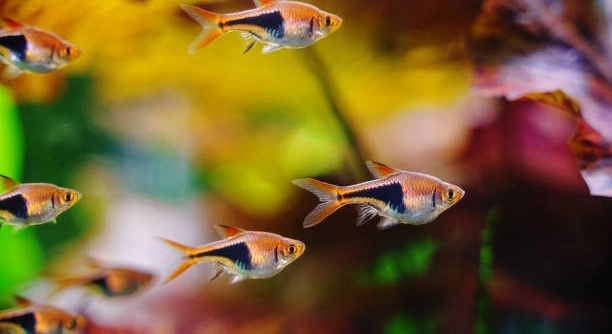
Rasboras are small, peaceful fish that often add color to home aquariums. Their shy nature makes them retreat to hiding spots, especially when adjusting to new environments or sensing sudden changes around them.
Rasboras usually hide for short periods ranging from a few minutes to several hours, depending on stress, tank conditions, and the presence of other fish. Consistent behavior can indicate comfort, while prolonged hiding may signal health or environmental concerns.
Observing their habits carefully can help you maintain a calm and healthy tank environment for your rasboras. Small adjustments often make a noticeable difference in their behavior.
Common Reasons Rasboras Hide
Rasboras often hide due to stress, changes in their environment, or sudden movements in the tank. New additions, rearranged decorations, or overly bright lighting can trigger this behavior. Even subtle shifts in water temperature or chemistry may cause them to retreat. Some species are naturally shy, preferring corners or plants as safe zones. Hiding allows them to conserve energy and avoid perceived threats. Over time, consistent hiding can indicate discomfort or minor illness. Providing stable conditions with gentle lighting and plenty of cover helps them feel secure. Observing their daily patterns can reveal when they are simply resting or when intervention is needed. Plants, caves, and floating decorations give them options to move without stress. Understanding these reasons allows you to create a more comfortable environment and reduces unnecessary worry. Regular monitoring of water quality and behavior can prevent prolonged hiding episodes and encourage healthier, more active fish.
Stress is usually temporary, and most rasboras return to normal behavior once conditions stabilize.
Giving your rasboras several hiding spots reduces stress. Incorporate dense plants, small caves, and gentle water flow. Avoid sudden movements near the tank. Keeping a stable light-dark cycle also encourages regular activity. Overcrowding or aggressive tank mates can increase hiding, so maintain compatible species and proper tank size.
Tips to Encourage Rasboras to Come Out
Offering a consistent feeding schedule helps rasboras feel secure and can reduce hiding. They quickly learn when to expect food and often become more active during feeding times. Using slow, gentle feeding encourages them to leave hiding spots without feeling rushed or threatened. Avoid overfeeding, as leftover food can impact water quality and cause stress. Watching their response to tank adjustments can guide you in making incremental changes rather than sudden shifts.
Creating a calm and predictable environment is key. Water parameters should remain stable, with minimal fluctuations in temperature or pH. Decorations should not be rearranged frequently, and lighting should mimic a natural day-night cycle. Providing sufficient cover with plants and ornaments allows them to explore at their own pace. Gentle filtration prevents strong currents, and avoiding aggressive tank mates reduces stress. By observing subtle behavior patterns, you can identify when they are adjusting versus when they are uncomfortable. Regular maintenance, careful monitoring, and patience encourage confidence in rasboras, making them more visible and active over time.
How Tank Setup Affects Hiding
A tank with limited plants or decorations often makes rasboras feel exposed and unsafe, increasing hiding behavior. Dense vegetation and small caves provide essential cover.
Proper tank setup balances open swimming space with hiding spots. Rasboras need both to feel secure yet active. Overcrowding, poor water flow, or harsh lighting can amplify stress. Even small details, like floating plants or shaded areas, encourage them to explore without fear. Regularly checking water quality and keeping a predictable environment ensures they remain comfortable. Adjusting the layout gradually, rather than all at once, helps them adapt quickly.
Tank size and structure play a crucial role. Small tanks may limit hiding options, causing constant stress, while overly sparse tanks make them feel vulnerable. Including plants, rocks, or driftwood gives them control over their environment. Maintaining gentle water currents and stable temperatures supports natural behavior. Observing where they choose to hide can guide future decoration choices. A well-thought-out setup not only reduces stress but also encourages natural schooling and social interaction.
Feeding and Hiding Behavior
Rasboras often respond to feeding times, leaving hiding spots for food, especially when they recognize a consistent schedule.
Proper feeding routines impact behavior significantly. Offering small, frequent portions prevents overeating and reduces leftover waste, which can stress fish. Live or frozen foods stimulate natural hunting instincts, encouraging them to explore the tank rather than remain hidden. Observing their feeding patterns reveals which areas they feel safest in and which parts of the tank they avoid. Adjusting feeding spots gradually can train them to emerge more often.
Feeding strategies directly influence confidence. Sudden additions of new food types may initially increase hiding, as they assess the change. Slowly introducing new diets while monitoring reactions prevents stress. Maintaining variety—flakes, pellets, and occasional live foods—keeps them active and interested. Placement near plants or decorations allows cautious exploration, while predictable timing helps establish a sense of routine. Over time, rasboras learn to associate food with safety, encouraging them to spend more time outside hiding spaces and interact naturally with their environment.
Water Conditions and Hiding
Rasboras are sensitive to sudden changes in water temperature, pH, or hardness. Even minor fluctuations can make them retreat frequently to hiding spots.
Maintaining stable water conditions is crucial. Regular testing, partial water changes, and careful monitoring prevent stress. Sudden chemical shifts or untreated tap water can trigger prolonged hiding and reduce activity.
Social Behavior and Schooling
Rasboras are schooling fish, and their comfort increases when kept in groups of five or more. Being alone or with incompatible tank mates can make them hide more often. Observing interactions helps ensure they feel secure and active within the school, reducing stress and encouraging natural swimming patterns.
Lighting and Hiding
Bright, direct lighting can cause rasboras to hide. Soft, diffused light or floating plants helps them feel safe and encourages normal activity.
FAQ
Why do my rasboras hide all the time?
Rasboras hide primarily due to stress or fear. Sudden changes in the tank, bright lighting, or aggressive tank mates can make them retreat. Shy species naturally prefer to stay near plants or decorations. Providing dense cover and maintaining stable water conditions encourages them to feel safe and explore more.
How long is it normal for rasboras to stay hidden?
Most rasboras hide for short periods, usually minutes to a few hours. Prolonged hiding beyond several hours, especially repeatedly, may indicate water quality issues, illness, or environmental stress. Observing patterns can help distinguish normal resting behavior from concerning stress.
Can tank size affect their hiding habits?
Yes, smaller or overcrowded tanks can make rasboras feel unsafe. Limited space or too few hiding spots increases hiding behavior. Larger tanks with well-placed plants, caves, and shaded areas allow them to swim freely while having retreat options. This balance promotes confidence and reduces stress.
Does water temperature influence hiding?
Rasboras are sensitive to temperature fluctuations. Sudden drops or rises can trigger hiding. Maintaining a consistent temperature suitable for the species is essential. Even small deviations can cause stress, so gradual changes during water adjustments are recommended.
Do rasboras hide more at certain times of the day?
Yes, rasboras may retreat during periods of bright light or activity near the tank. Early morning and late evening, when lighting is softer, often see more movement. Adjusting the light cycle gradually helps them feel secure and encourages daytime activity.
Can other fish make them hide?
Aggressive or larger tank mates often cause rasboras to hide. Incompatible species can intimidate them, especially in small tanks. Choosing peaceful, similarly sized fish reduces stress and encourages schooling behavior. Providing adequate cover allows them to retreat safely without disrupting the tank’s balance.
How does feeding influence hiding behavior?
Rasboras are more likely to leave hiding spots during feeding times, especially with a consistent schedule. Offering small portions multiple times a day encourages exploration and reduces anxiety. Sudden changes in food type or quantity may initially increase hiding, so gradual adjustments work best.
Are there signs that hiding indicates illness?
Prolonged hiding, paired with lethargy, loss of appetite, or unusual swimming patterns, may suggest illness. Monitoring water quality and observing their response to environment changes can help determine if medical attention or quarantine is needed. Early intervention prevents worsening health issues.
Do decorations and plants affect hiding?
Yes, decorations and plants give rasboras safe spaces. Dense vegetation, caves, and floating plants reduce stress and create natural hiding spots. Regularly checking their use helps understand comfort levels. Rearranging the tank gradually rather than all at once keeps them confident while exploring.
Can lighting adjustments reduce hiding?
Soft, diffused lighting helps rasboras feel secure. Avoid strong, direct light that makes them retreat. Gradually introducing new lighting or using floating plants to filter brightness allows them to adjust and encourages more visible activity.
How can I make my rasboras more confident?
Provide stable water, gentle lighting, consistent feeding, and plenty of hiding spots. Keep them in small schools and with compatible fish. Observe patterns and make gradual adjustments, as sudden changes increase stress. Over time, these steps help rasboras explore the tank more freely and reduce prolonged hiding.
Does stress from transport or new tanks increase hiding?
Yes, relocation or new tank introductions trigger hiding behavior. Stress from transport, handling, or acclimation to new water chemistry is common. Allowing them time to settle in, providing cover, and keeping disturbances minimal helps them regain confidence and reduces prolonged retreating.
Can water quality alone cause excessive hiding?
Poor water quality, including high ammonia, nitrite, or nitrate levels, often leads to hiding. Even stable temperatures cannot fully compensate for chemical imbalances. Frequent testing, regular water changes, and proper filtration prevent stress-related hiding and promote long-term health.
Does schooling behavior affect hiding?
Rasboras feel safer in groups. A small school encourages activity and reduces individual hiding. Isolated fish or those in incompatible groups hide more frequently. Maintaining proper school size and peaceful companions supports confidence and natural swimming behavior.
Are some rasbora species naturally more secretive?
Yes, species like the Chili Rasbora are naturally shy, preferring dense cover and minimal disturbance. Understanding species-specific behavior helps set realistic expectations for hiding frequency. Providing proper environment tailored to the species encourages comfort and natural activity.
How long should I wait before worrying about hiding?
Occasional hiding is normal, but consistent retreating for hours or days warrants checking tank conditions, social dynamics, and health. Tracking patterns and making small environmental adjustments helps identify causes before serious issues arise.
Does noise or vibrations affect hiding?
Yes, vibrations from nearby movement, loud sounds, or tapping on the glass can stress rasboras. These disturbances often make them retreat. Placing the tank in a calm area with minimal external noise reduces hiding and encourages confident swimming.
Can feeding location influence hiding?
Placing food near their favorite hiding spots encourages them to leave cover gradually. Feeding in open areas may increase initial hiding, but consistent placement and gentle approaches help them associate activity with safety.
Do seasonal changes affect hiding behavior?
Seasonal shifts in room temperature, daylight duration, or humidity can indirectly influence hiding. Consistent environmental conditions inside the tank buffer against these changes. Monitoring behavior during seasonal transitions helps identify adjustments needed for comfort.
How can I tell if hiding is normal or problematic?
Short, occasional hiding is normal. Excessive, prolonged hiding combined with reduced activity, poor appetite, or unusual behavior indicates stress, poor water quality, or illness. Careful observation, environmental adjustments, and consistent monitoring help distinguish normal from concerning behavior.
Is it helpful to rearrange the tank to reduce hiding?
Gradual rearrangement can encourage exploration, but sudden changes increase stress. Introducing new plants, decorations, or caves slowly allows rasboras to adjust safely while promoting activity outside hiding spots.
Can I reduce hiding by adjusting water flow?
Strong currents may stress rasboras, increasing hiding. Gentle filtration and moderate water movement encourage natural swimming while preventing prolonged retreat. Positioning plants or rocks to break flow can create calmer areas for exploration.
Does age affect hiding behavior?
Younger rasboras may hide more as they adjust to their environment, while older, established fish tend to be more confident. Providing consistent care and appropriate group size supports all ages and reduces stress-related hiding.
Are there behavioral cues to predict hiding?
Restlessness, clustering near cover, or sudden darting movements often indicate impending hiding. Recognizing these signals allows timely adjustments in lighting, feeding, or tank conditions to prevent stress and prolonged retreat.
Can illness prevention reduce hiding?
Yes, maintaining clean water, proper diet, and compatible tank mates lowers stress, reducing unnecessary hiding. Early detection of disease signs allows treatment before hiding becomes prolonged. A consistent, stable environment is key to confident and active rasboras.
Does tank placement matter for hiding behavior?
Placement away from high traffic areas, direct sunlight, or vibrations reduces stress. Calm, stable surroundings encourage activity and reduce prolonged hiding, supporting overall health and natural behavior.
Are there enrichment strategies to reduce hiding?
Adding plants, caves, floating decorations, and varied terrain provides stimulation and safe exploration opportunities. Gradual introduction of changes keeps rasboras engaged and reduces constant retreating, fostering a confident and active tank environment.
Rasboras are naturally shy and sensitive fish, and hiding is a normal part of their behavior. In most cases, short periods of retreat are not a cause for concern. They use hiding spots to feel safe, rest, or adjust to changes in their environment. Providing plenty of plants, small caves, and shaded areas gives them the freedom to move around the tank while having secure places to retreat when they feel stressed. Observing where they choose to hide can give you useful insight into how comfortable they feel and whether any adjustments in the tank setup are needed. Even subtle changes, like the addition of a new decoration or altering the water flow, can influence how often they hide, so careful observation is key to understanding their behavior.
Stable water conditions are one of the most important factors in reducing excessive hiding. Rasboras are sensitive to temperature changes, pH fluctuations, and chemical imbalances. Maintaining consistent water parameters helps them feel safe and encourages them to be more active. Regular water testing, partial water changes, and proper filtration are essential practices to prevent stress. Overcrowding and aggressive tank mates can also increase hiding, so keeping a compatible group in a spacious tank ensures they have enough room to swim and interact naturally. Feeding routines play a role as well. Offering food at consistent times and in small, manageable portions encourages exploration and reduces anxiety, helping rasboras leave their hiding spots more regularly.
Encouraging confident behavior in rasboras requires patience and attention to their environment. Gradual adjustments to lighting, decorations, and feeding locations allow them to adapt without feeling threatened. Providing a calm and predictable tank environment helps them learn that it is safe to leave their hiding spots. Social dynamics are equally important. Rasboras are schooling fish, and they feel more secure in groups. Keeping them with compatible companions encourages natural schooling and reduces prolonged hiding. Over time, with consistent care, attention to water quality, and proper tank setup, rasboras become more comfortable, explore the tank actively, and display their natural, lively behavior. Watching their gradual adaptation can be rewarding, showing that thoughtful care directly impacts their confidence and overall well-being.

Hello,
If you enjoy the content that we create, please consider saying a "Thank You!" by leaving a tip.
Every little bit helps us continue crafting quality advice that supports the health, happiness, and well-being of pets around the world, for pets of all shapes, sizes, and species.
We really appreciate the kindness and support that you show us!