
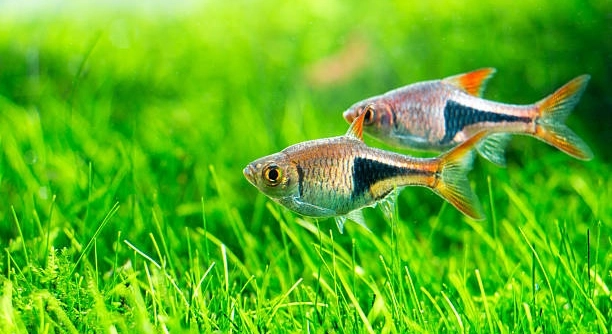
Are your new rasboras showing signs of stress after being introduced to their tank? Adjusting to a new environment can be challenging for these small, active fish, and their initial behavior may seem unpredictable or restless.
Rasboras typically take between one to two weeks to fully settle into a new aquarium. During this period, they gradually acclimate to water conditions, establish territories, and display normal feeding and swimming patterns once comfortable.
Understanding their adjustment process helps ensure a healthy start in your tank. Proper observation during this period can prevent stress and promote long-term well-being.
Preparing the Tank Before Introducing Rasboras
Before bringing rasboras home, the tank should be fully cycled and stable. Ensure water parameters match their needs: a temperature between 22-28°C, pH around 6.5-7.5, and soft to moderately hard water. Adding live plants provides hiding spots, reduces stress, and mimics their natural environment.
A clean tank with gentle filtration helps rasboras adjust faster. Avoid strong currents, which can tire them and increase anxiety.
Lighting should be moderate, giving the fish a day-night rhythm. Introduce decorations gradually, leaving open swimming areas. Acclimating rasboras slowly to the tank water reduces shock and promotes healthy feeding behavior. Observing their initial reactions allows you to correct issues promptly. A well-prepared tank lays the foundation for their comfort and long-term health, preventing common stress-related problems that can occur during the first weeks.
Signs Rasboras Are Settling In
Healthy swimming patterns indicate adaptation.
Rasboras begin exploring the tank actively, swimming in groups and interacting naturally. Their appetite returns, and colors become more vibrant. Small movements, occasional hiding, or pairing off are normal behaviors during adjustment.
When observing your rasboras, consistency matters. They gradually swim together and start feeding at regular intervals, showing signs of comfort. Reduced hiding and increased curiosity about surroundings indicate they are acclimating. Watch for subtle changes in coloration and fin movement, as stress often causes fading or clamped fins. Feeding should become predictable, and the fish should respond to your presence without darting. Maintaining stable water conditions and avoiding sudden changes ensures they continue settling without setbacks. Proper monitoring during these first weeks allows for timely corrections, supporting healthy development and long-term adaptation to the tank environment.
Factors Affecting Rasboras’ Adjustment
Water quality is the most important factor in how quickly rasboras settle. Sudden changes in temperature, pH, or hardness can stress them. Tank size and the presence of plants or hiding spots also influence their comfort.
Rasboras respond to gradual acclimation. Slowly introducing them to the tank water using a drip or floating bag method reduces shock. Overcrowding slows adjustment, as competition for space and resources causes stress. Frequent water changes with stable conditions support their health and encourage exploration. Observing their behavior daily allows for early detection of problems, like hiding excessively or refusing food, and helps maintain a peaceful environment.
Lighting and tank decorations affect comfort. Bright lights or empty tanks can make rasboras skittish. Providing dim lighting and hiding areas encourages natural swimming and social behavior. Proper feeding routines and minimal disturbances further support their adaptation. Consistency in these factors ensures rasboras feel secure and start showing normal activity within the expected timeframe.
Feeding and Nutrition During Acclimation
Rasboras need small, frequent meals during the settling period. Feed high-quality flakes or micro-pellets that are easy to digest.
Start with a fraction of their normal portion to prevent leftover food from polluting the water. Gradually increase amounts as they become more active and confident. Live or frozen foods like daphnia or brine shrimp stimulate appetite and encourage natural foraging behavior. Avoid overfeeding, as it can cause water quality issues and slow their adjustment. Observing which foods they prefer helps create a stable feeding routine. A consistent diet combined with a stress-free environment promotes healthy growth and coloration during the first critical weeks in the tank.
Reducing Stress During Adjustment
Minimizing sudden movements around the tank helps rasboras feel safe. Avoid tapping the glass or making loud noises, as these can trigger hiding or erratic swimming.
Stable water parameters are crucial. Frequent testing and small, regular water changes prevent fluctuations that may stress the fish, supporting faster acclimation.
Ideal Tank Conditions
Rasboras thrive in well-planted tanks with open swimming areas. A temperature range of 22-28°C and a pH of 6.5-7.5 creates a stable environment. Gentle filtration and moderate lighting reduce stress, while soft or moderately hard water mimics their natural habitat, encouraging normal behavior.
Monitoring Health
Watch for changes in coloration, fins, or appetite. Early signs of stress or illness allow quick intervention and support healthy adaptation.
FAQ
How long does it take for rasboras to fully adjust to a new tank?
Rasboras generally take one to two weeks to fully settle. During this period, they gradually get used to water conditions, lighting, and tank mates. Behavior like hiding or slow swimming is normal initially. By the end of the second week, they usually swim confidently and feed regularly.
What signs show that my rasboras are stressed?
Common stress indicators include clamped fins, faded colors, excessive hiding, erratic swimming, or refusal to eat. Stress can result from sudden water changes, poor water quality, overcrowding, or a lack of hiding spaces. Addressing these issues promptly helps them recover faster.
How should I introduce rasboras to their new tank?
Acclimation is key. Float the sealed bag in the tank for 15-20 minutes to equalize temperature. Slowly mix small amounts of tank water into the bag over an hour. Gradual introduction reduces shock and prevents stress-related health problems.
What kind of water conditions do rasboras prefer?
They thrive in soft to moderately hard water, with a pH between 6.5 and 7.5 and temperatures from 22-28°C. Stable water conditions with minimal fluctuations are essential during their first weeks to support adjustment and long-term health.
How often should I feed rasboras during the settling period?
Feed small amounts two to three times a day. Tiny portions prevent overfeeding and water quality issues. Offer high-quality flakes, micro-pellets, or occasional live and frozen foods like brine shrimp or daphnia to encourage appetite and natural foraging behavior.
Do tank decorations affect how quickly rasboras settle?
Yes, they do. Live plants, driftwood, and hiding spots help rasboras feel secure. Open swimming areas allow natural movement. Tanks without cover or with strong currents can increase stress, slowing adjustment and causing shy or erratic behavior.
Should I turn off the lights when introducing new rasboras?
Dim or moderate lighting is recommended. Bright lights can stress new fish, making them hide excessively. Gradually returning to a normal light schedule helps them feel comfortable while allowing observation of their behavior and feeding patterns.
Is it normal for rasboras to hide a lot at first?
Yes, hiding is common during the first few days. It’s a natural response to unfamiliar surroundings. As they acclimate, hiding decreases, and they start swimming together and exploring the tank. Patience and stable conditions help reduce prolonged hiding.
Can I mix rasboras with other fish immediately?
Introducing tank mates should be done after rasboras show consistent feeding and normal swimming patterns. Sudden exposure to other fish can increase stress, especially in small or timid species. Gradual integration is safer for their adjustment and overall well-being.
How can I tell if the tank is helping them adjust?
Signs of successful adjustment include active schooling, consistent feeding, vibrant colors, and normal fin movements. Reduced hiding and increased interaction with their environment indicate they feel secure and comfortable in the tank.
What should I do if one rasbora is not adjusting?
Isolate the stressed fish in a separate tank or breeding box if necessary. Check water parameters carefully and provide additional hiding spots. Often, small environmental adjustments and patient care help the fish catch up with the group.
How important is regular observation during the settling period?
Daily observation is essential. It helps detect stress, illness, or environmental issues early. Consistent monitoring ensures proper feeding, behavior, and water stability, allowing you to intervene promptly if problems arise, supporting a smooth adjustment.
Are there any foods that help rasboras feel more comfortable?
High-quality, easily digestible flakes or micro-pellets work well. Occasionally offering live or frozen foods like daphnia or brine shrimp encourages natural foraging, reduces stress, and helps them adapt faster by stimulating activity and appetite.
Can changes in water temperature affect their adjustment?
Yes, sudden shifts in temperature can cause shock and stress. Maintaining a stable range of 22-28°C is crucial. Gradual acclimation and using a reliable heater or thermometer prevent fluctuations and support smoother adaptation during the first weeks.
Do rasboras need time to recognize their tank mates?
Yes, social adjustment is part of settling in. They gradually establish swimming patterns and territories with other fish. Observing interactions helps ensure compatibility and prevents bullying or stress among tank mates.
How long before I can consider them fully acclimated?
Once rasboras swim actively, feed regularly, and show vibrant colors without hiding excessively, they are considered fully acclimated. This usually occurs after one to two weeks, depending on water stability, tank setup, and initial stress levels.
What role does water cleanliness play in their settling?
Clean water is critical. Uneaten food, waste, and fluctuating parameters cause stress and slow adaptation. Regular monitoring, small water changes, and proper filtration keep water stable and support healthy behavior and growth.
Can I add plants during the adjustment period?
Yes, live or artificial plants provide hiding spots and reduce stress. They create a natural environment, encourage normal swimming patterns, and help rasboras feel secure while they acclimate. Avoid rearranging plants frequently, as this can unsettle them.
How long should I wait before feeding them heavily?
Start with small portions and increase gradually as they show regular feeding behavior. Overfeeding too soon can pollute the water and increase stress, slowing adjustment. Monitoring their appetite ensures a safe, effective feeding routine.
Is it normal for rasboras to school tightly at first?
Yes, tight schooling is a protective behavior. As they become comfortable, their schooling may loosen slightly, and they explore more freely. This behavior indicates their comfort level and social adaptation in the tank.
What’s the best way to maintain a calm environment for new rasboras?
Minimize sudden movements, loud noises, and bright lights. Keep water stable and provide sufficient hiding spots. A calm, consistent environment helps reduce stress and encourages faster acclimation to their new surroundings.
Can adjusting tank flow improve their settling?
Yes, gentle water flow is best. Strong currents tire them and increase stress, while slow, even flow mimics their natural habitat, encouraging swimming and normal activity during the first weeks.
How do I know if they are eating enough during the adjustment period?
Monitor how quickly they consume offered food and whether leftovers accumulate. Gradual increase in appetite and consistent feeding behavior indicate they are adapting well and feel secure in the tank.
Are there any common mistakes that slow acclimation?
Rapid introduction without acclimation, unstable water conditions, overcrowding, overfeeding, or excessive disturbances can all hinder adjustment. Addressing these issues early ensures a smoother transition and promotes healthy behavior.
How can I encourage natural behavior while they adjust?
Provide hiding spots, live plants, moderate lighting, and occasional live foods. Minimal disturbances and stable conditions encourage exploration, schooling, and feeding, supporting natural activity and faster acclimation.
Is it normal for their color to fade initially?
Yes, fading colors are often a sign of stress. As they acclimate and feel secure, colors return. Maintaining stable water conditions and reducing stressors accelerates this process and improves overall health.
How important is tank size in their adjustment?
Sufficient space allows free swimming and reduces territorial stress. Overcrowded tanks increase anxiety and slow acclimation. A well-sized tank supports normal schooling, exploration, and social behavior during the critical adjustment period.
What should I do if multiple rasboras seem stressed?
Check water quality, temperature, tank setup, and feeding routines. Adjusting environmental factors, providing hiding spots, and minimizing disturbances usually helps the entire group settle more quickly.
How can I tell when they are fully comfortable with their tank?
Once rasboras swim actively in groups, feed consistently, display vibrant colors, and show minimal hiding, they are fully settled. This behavior demonstrates successful adaptation to water conditions, tank mates, and the overall environment.
Can changing decorations affect their adjustment?
Yes, frequent rearranging can stress them. Provide a stable environment with consistent hiding spots. Once settled, minor changes can be introduced gradually to avoid disrupting their comfort.
Are there ways to speed up the adjustment process?
Gradual acclimation, stable water parameters, sufficient hiding spots, moderate lighting, gentle filtration, and consistent feeding all help rasboras adapt faster. Patience and careful observation are key to a smooth transition.
Do rasboras need a quarantine period before adding to the main tank?
Quarantining for at least one week is recommended to monitor for illness and parasites. This prevents introducing disease to the main tank and ensures healthy adjustment for both new and existing fish.
Can water additives help them settle?
Some stress-reducing water conditioners can help, especially if minor transportation stress occurred. Use sparingly and follow instructions to avoid affecting water parameters or causing further stress.
How often should I observe their behavior during the first two weeks?
Daily observation is ideal. Watch swimming patterns, feeding, coloration, and interactions. Early detection of stress or illness allows timely intervention, supporting faster adaptation and long-term health.
What if they don’t start eating immediately?
It’s normal for new rasboras to hesitate at first. Offer small portions and try live or frozen foods. Maintaining stable conditions and patience usually encourages them to feed within a few days.
Do tank mates affect their adjustment?
Yes, peaceful tank mates help rasboras feel secure, while aggressive species can cause stress and hiding. Ensure compatibility and observe interactions to support smooth acclimation.
Can temperature fluctuations slow settling?
Even small fluctuations can stress rasboras. Maintaining a stable range between 22-28°C is critical. Use a reliable heater and thermometer to prevent temperature swings that hinder adjustment.
Are there signs that indicate full acclimation?
Active swimming, normal feeding, vibrant colors, minimal hiding, and comfortable interactions with tank mates show they are fully acclimated and thriving in the tank.
What steps can improve adaptation for shy individuals?
Provide extra hiding spots, ensure stable water parameters, reduce disturbances, and consider temporarily separating them from more active fish. Gradual exposure to the group encourages confidence.
Do rasboras adjust differently based on age?
Younger fish may adapt faster, while older fish might be more cautious. Providing consistent conditions and hiding spaces supports all ages in settling comfortably.
How long should I maintain observation after they seem settled?
Continue monitoring for at least a few weeks to ensure ongoing health, consistent behavior, and stable interaction with tank mates, even after they appear fully adjusted.
Can water plants improve feeding confidence?
Yes, plants offer hiding while feeding, reduce stress, and encourage natural foraging. Live plants create a sense of security that helps rasboras eat consistently during the adjustment period.
Is it necessary to change feeding routines once they settle?
Once rasboras are comfortable, maintain a consistent routine. Minor variations in food type can add enrichment, but keeping regular feeding times supports ongoing health and stable behavior.
What is the biggest factor in successful acclimation?
Stable water conditions, gradual introduction, hiding spaces, minimal stress, and consistent feeding routines are the most critical factors for helping rasboras adjust quickly and thrive in their new environment.
How can I ensure long-term comfort after settling?
Maintain stable water parameters, provide adequate space and plants, observe behavior regularly, and feed high-quality food. Consistency and a calm environment prevent stress and promote health beyond the initial adjustment period.
Can adding more fish affect their settling?
Adding new tank mates should wait until current rasboras are comfortable. Introducing additional fish too soon increases stress, competition, and hiding, slowing overall adaptation.
Are there any special considerations for breeding pairs?
Breeding pairs may become territorial during adjustment. Provide sufficient plants or separators, maintain stable water conditions, and monitor interactions to prevent stress and aggression during this period.
How long should hiding behavior last?
Initial hiding may last a few days to a week. Persistent hiding beyond two weeks may indicate water or tank issues that need addressing.
Can stress affect coloration long-term?
Prolonged stress can dull colors and weaken immune response. Maintaining stable conditions, proper feeding, and minimal disturbances restores natural coloration over time.
What role does tank lighting play in adaptation?
Moderate lighting reduces stress and allows observation without startling them. Sudden bright lights can trigger hiding, while a consistent light cycle supports normal behavior and acclimation.
Are there any signs that indicate they are unhappy in the tank?
Persistent hiding, refusal to eat, faded colors, clamped fins, or erratic swimming may indicate stress or unsuitable conditions. Prompt correction ensures long-term well-being.
How can I help them feel secure in the first days?
Provide plants, hiding spots, stable water, minimal disturbance, and gradual acclimation. Gentle care encourages confidence and normal schooling behavior early on.
Do rasboras need companions to settle well?
Yes, they are schooling fish. A small group provides security and encourages normal swimming, reducing stress and promoting faster adjustment.
Can I use decorations to reduce stress during acclimation?
Yes, plants, driftwood, and rocks provide cover and a sense of safety. Avoid frequent rearrangements to maintain a stable, stress-free environment.
How often should I test water during the first two weeks?
Daily or every other day testing helps maintain stable parameters and prevents stress-related problems during the critical acclimation period.
Are there any behavioral changes that indicate successful adaptation?
Active schooling, confident swimming, regular feeding, reduced hiding, and bright coloration indicate that rasboras have fully settled and feel secure in the tank.
Is patience the most important factor?
Yes, careful observation, consistent conditions, and allowing time for natural adjustment are key to helping rasboras thrive in their new environment.
How do I balance feeding and water quality during adaptation?
Feed small portions frequently and remove uneaten food promptly. This prevents water pollution while ensuring fish get adequate nutrition for healthy acclimation.
Can seasonal changes affect their adjustment?
Minor seasonal variations in room temperature can impact water stability. Maintaining consistent heating or cooling ensures rasboras remain comfortable during adjustment and beyond.
Do rasboras require special care after settling?
After settling, continue providing stable water, proper nutrition, and a calm environment. Regular observation ensures ongoing health and prevents stress or disease.
How long before I can consider them fully integrated with tank mates?
Once rasboras swim confidently with others, feed normally, and show minimal hiding, they are considered fully integrated, usually within two weeks.
What is the easiest way to reduce initial stress?
Gradual acclimation, gentle handling, stable water, hiding spots, and minimal disturbance create a calm environment that encourages quick adaptation and normal behavior.
Are there any signs that indicate the tank setup is unsuitable?
Persistent hiding, faded colors, clamped fins, erratic swimming, or refusal to eat often signal inadequate space, lighting, water parameters, or lack of hiding spots.
How do I know if my acclimation method worked?
If rasboras swim actively, feed consistently, display vibrant colors, and interact comfortably with tank mates, the acclimation method was successful.
Can stress during acclimation cause long-term health issues?
Yes, chronic stress weakens the immune system and slows growth. Maintaining stable conditions and careful care prevents long-term effects and ensures healthy development.
What is the simplest way to support their first days in the tank?
Stable water, hiding spots, moderate lighting, gradual acclimation, consistent feeding, and minimal disturbance are the most effective ways to help rasboras settle quickly and thrive.
How do I prevent setbacks after initial adjustment?
Maintain consistent water quality, avoid sudden changes, feed properly, provide hiding spots, and monitor behavior. Consistency ensures they remain comfortable and healthy long-term.
Can overcrowding affect their adjustment?
Yes, too many fish increase competition, stress, and hiding. Adequate space supports schooling, natural swimming, and smooth acclimation.
Are there any signs of happiness or comfort?
Active swimming, vibrant colors, confident feeding, and peaceful interaction with tank mates indicate they are comfortable and thriving.
How can I keep them active during the settling period?
Provide open swimming areas, plants, gentle water flow, and varied foods. These encourage exploration and natural behavior while reducing stress.
Can sudden noises delay adaptation?
Yes, loud sounds can startle them, causing hiding or erratic movement. A calm environment supports faster settling.
Do rasboras adapt differently in planted versus bare tanks?
Planted tanks offer hiding spots and security, promoting confidence and reducing stress. Bare tanks may increase hiding and slower adaptation.
Is it normal for them to school tightly in the first few days?
Yes, tight schooling is a natural response to new surroundings. It decreases as they feel safer and explore more freely.
Can water conditioners improve acclimation success?
Stress-reducing water conditioners can help, especially after transport. Use sparingly to avoid altering water parameters or causing additional stress.
How can I tell if they are feeding properly?
Observe if they actively consume food within a few minutes. Appetite returning gradually indicates they are adjusting well and feeling secure.
Do tank size and layout impact settling speed?
Yes, sufficient space, hiding spots, and gentle flow support normal behavior and faster acclimation. Small or empty tanks can slow adjustment.
What’s the best way to reduce hiding behavior?
Provide stable water, plants, decorations, gentle lighting, and minimize disturbances. Gradually, they will explore more and hide less.
Is regular observation the key to successful acclimation?
Yes, daily monitoring allows early detection of stress, feeding issues, or environmental problems, ensuring timely interventions for smooth settling.
How long should I maintain special care during adaptation?
For the first one to two weeks, maintain consistent feeding, stable water, hiding spots, and minimal disturbances to ensure they settle successfully.
Are there behavioral differences between individual rasboras?
Yes, some are naturally bolder or shyer. Providing hiding spots and gradual exposure helps all fish adapt at their own pace.
Can overfeeding slow acclimation?
Yes, uneaten food pollutes water and stresses fish. Small, frequent meals prevent issues while supporting healthy adjustment.
Do tankmates help reduce stress during adjustment?
Peaceful companions provide security and encourage natural schooling behavior, helping rasboras settle more quickly and confidently.
What is the most important factor in the first week?
Stable water, minimal stress, hiding spots, gradual acclimation, and careful observation are crucial for successful adaptation.
Can sudden changes in tank layout affect them after initial settling?
Yes, rearranging decorations or plants can increase stress. Gradual adjustments help maintain comfort and confidence.
Are live plants better than artificial during acclimation?
Live plants provide natural cover, improve water quality,
Rasboras are delicate, small fish that need time and patience to feel comfortable in a new tank. Their initial behavior often reflects stress, with hiding, tight schooling, or slow swimming being common during the first few days. It is important to understand that this is normal and not a sign that something is wrong with your fish. Creating a stable environment with consistent water parameters, moderate lighting, and gentle filtration provides a foundation for their comfort. Hiding spots such as live plants, rocks, or decorations allow them to feel secure while gradually exploring the tank. Observing their behavior carefully during these early days can help identify any potential issues early, preventing stress-related health problems. The process of settling in is gradual, and each fish may respond differently depending on age, personality, and previous conditions. Some rasboras will adapt more quickly, swimming actively within a few days, while others may need the full one to two weeks to feel fully comfortable.
Feeding plays a key role in helping rasboras adjust. Small, frequent meals of high-quality flakes, micro-pellets, or occasional live and frozen foods stimulate appetite and encourage natural foraging behavior. Overfeeding or leaving excess food in the tank can harm water quality, which in turn increases stress and slows adaptation. Gradually introducing larger portions as they become more confident ensures proper nutrition while maintaining stable water conditions. Watching how they feed also provides insight into their comfort level. Active, eager feeding generally indicates that they are settling well, whereas hesitation or refusal to eat may signal stress or environmental issues. Maintaining a consistent feeding routine, along with gentle care, helps rasboras regain confidence and establish normal swimming and social patterns, which are essential for their long-term health.
Patience and careful observation are the most important tools for supporting rasboras as they settle. Avoid sudden changes in water conditions, tank layout, or lighting, as these can prolong stress and hide their natural behaviors. Daily monitoring allows early detection of signs like faded coloration, clamped fins, or prolonged hiding, which can be addressed before they affect health. Ensuring they have adequate space, a calm environment, and compatible tank mates encourages normal schooling and social interactions. By providing consistent care and giving them time to adapt, rasboras gradually display active swimming, vibrant colors, and confident feeding. Focusing on stability, proper nutrition, and minimal disturbance helps them thrive in their new tank, laying the groundwork for a healthy and comfortable life. With attention and patience, the adjustment period becomes a smooth transition, allowing these small, lively fish to fully integrate and flourish in their environment.

Hello,
If you enjoy the content that we create, please consider saying a "Thank You!" by leaving a tip.
Every little bit helps us continue crafting quality advice that supports the health, happiness, and well-being of pets around the world, for pets of all shapes, sizes, and species.
We really appreciate the kindness and support that you show us!