
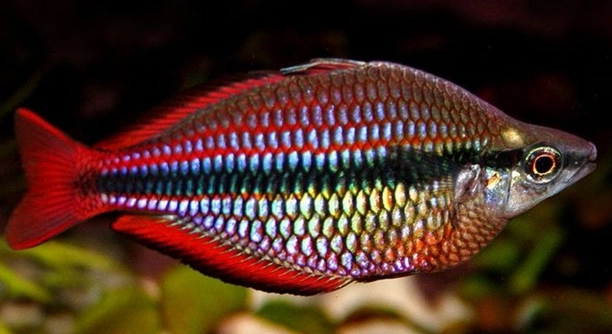
Rainbow fish are a popular choice for aquarium enthusiasts due to their vibrant colors and lively behavior. If you own these stunning fish, understanding their lifespan and care needs is essential for keeping them healthy.
Rainbow fish typically live for about 3 to 5 years when provided with the proper care. Ensuring the right water conditions, diet, and environment will significantly impact their lifespan. Regular maintenance and attention to their needs will also contribute to their well-being.
Caring for rainbow fish involves maintaining a stable tank environment, offering a balanced diet, and keeping an eye on water parameters. Proper care can help you maximize their lifespan and keep them thriving.
Lifespan of Rainbow Fish
Rainbow fish can live anywhere between 3 to 5 years in a well-maintained tank. Their lifespan varies depending on water conditions, diet, and overall care. A properly set-up aquarium with regular maintenance is essential for them to reach their full potential. These fish thrive in stable environments where the temperature and water parameters are consistent. When stress levels are kept low, rainbow fish will exhibit their full, vibrant colors and active behaviors. Stress, on the other hand, can significantly shorten their life span, especially if they are subjected to poor water quality or incompatible tank mates. Regular water changes and tank cleanings will go a long way in ensuring your rainbow fish stay healthy and live longer.
With appropriate care, rainbow fish can grow to be quite hardy. By providing the best living conditions, you’ll improve their chances of living a long and healthy life.
In addition to maintaining the water conditions, a balanced diet plays a critical role in their health. Regular feeding of high-quality fish flakes, supplemented with live or frozen foods, helps provide the nutrients they need to thrive.
Creating the Ideal Environment for Rainbow Fish
To ensure a long lifespan, rainbow fish require an ideal habitat. The tank should be spacious enough for them to swim freely, with a minimum size of 20 gallons. Use a gentle filtration system that doesn’t create strong currents, as these fish prefer calm waters. Proper lighting is important for their natural behavior, as too much light can cause stress. Add live plants and hiding spots like rocks or driftwood, allowing them to feel secure. Additionally, maintaining a stable water temperature between 72°F and 78°F is crucial. Rapid fluctuations in temperature can cause illness or stress in these fish. Regular testing of the water for ammonia, nitrites, and nitrates ensures the water stays clean and healthy.
The right tank setup is one of the simplest ways to improve your rainbow fish’s quality of life. When these basic elements are taken care of, they will flourish in your aquarium, showing off their vibrant colors and lively nature. A suitable environment will keep them comfortable, healthy, and stress-free.
Water Quality and Temperature
Maintaining clean, stable water is crucial for the health of your rainbow fish. Poor water quality can quickly lead to illness, shortening their lifespan. Regular water changes and proper filtration are essential.
Test the water weekly to monitor parameters like pH, ammonia, nitrites, and nitrates. A pH level between 6.5 and 7.5 is ideal for rainbow fish. Keeping ammonia and nitrites at zero will prevent harmful toxins. Nitrates should stay under 20 ppm for optimal health. Ensure the water temperature remains between 72°F and 78°F to avoid stressing the fish. Invest in a reliable heater to keep the temperature consistent, especially during colder months.
Water changes should be done regularly, typically every week or two, depending on the tank size and stocking levels. When performing water changes, replace 25-30% of the water to avoid shocking the fish. This practice helps maintain good water quality, providing a clean environment for the fish to thrive.
Feeding Rainbow Fish
Feeding rainbow fish a varied and nutritious diet will ensure they stay healthy. High-quality flakes or pellets can be the base of their diet, supplemented with live or frozen foods like brine shrimp or daphnia.
Feeding them twice a day is typically sufficient, offering only what they can consume in a few minutes. Overfeeding can lead to poor water quality, which negatively affects the fish. Rainbow fish also enjoy occasional vegetable-based foods such as blanched spinach or zucchini. Offering a variety of foods will help maintain their vibrant colors and overall health.
Avoid feeding rainbow fish too much protein, as this can lead to obesity and related health problems. Keep an eye on their body condition, and adjust the diet as needed. Proper nutrition is key to helping your rainbow fish live a long, healthy life in your aquarium.
Tank Mates for Rainbow Fish
Rainbow fish are generally peaceful and thrive in a community tank. Choose tank mates that are also calm and not overly aggressive. Small, non-predatory species work best.
Avoid aggressive or territorial fish, as they can stress the rainbow fish. Additionally, make sure the tank is large enough to accommodate all inhabitants comfortably. Too many fish can lead to overcrowding, which affects water quality and fish health.
Rainbow fish do well with other peaceful species like tetras, mollies, and guppies. It’s important to ensure there’s enough space for everyone in the tank to swim and establish their own territories without constant competition.
Proper Tank Maintenance
Regular maintenance keeps the tank in a healthy condition. Cleaning the substrate, trimming plants, and removing algae buildup help maintain a stable environment. A clean tank reduces the risk of disease and keeps your fish safe.
Performing routine water changes, checking the filtration system, and ensuring equipment is functioning properly is essential. If you notice a drop in water quality, address it immediately to prevent long-term harm to the fish. Keep the tank well-maintained to promote the health and longevity of your rainbow fish.
Stress Reduction
Stress can severely impact rainbow fish, leading to shortened lifespans and health problems. Keeping the tank stable and peaceful is the best way to minimize stress.
Ensure there are enough hiding spots and plants to make the fish feel secure. Avoid sudden changes in the water temperature or lighting, as this can cause unnecessary stress. Also, be mindful of tankmates and avoid overcrowding, which can increase competition for resources. A calm, well-maintained tank allows the rainbow fish to thrive and live a longer life.
FAQ
How can I tell if my rainbow fish is stressed?
Stressed rainbow fish may exhibit signs such as faded colors, erratic swimming, hiding more than usual, or excessive fin twitching. They may also be more sensitive to water changes and become more aggressive towards other tank mates. If you notice any of these signs, it’s important to assess the water quality, tank mates, and overall tank environment to identify the cause of stress.
Can rainbow fish live with other fish?
Yes, rainbow fish are generally peaceful and get along well with other non-aggressive fish. Ideal tank mates include small, calm species like tetras, mollies, or guppies. Avoid aggressive or territorial species, as these can cause stress or injury to the rainbow fish. The key is ensuring enough space for all tank mates to coexist comfortably.
What size tank do rainbow fish need?
Rainbow fish require a tank of at least 20 gallons. The more space you provide, the better it will be for their health. Larger tanks help maintain stable water parameters and reduce stress, especially in a community tank with other fish. A spacious tank also allows them to swim freely and express natural behaviors.
What is the best temperature for rainbow fish?
Rainbow fish thrive in water temperatures between 72°F and 78°F. Fluctuations outside this range can stress the fish and lead to health problems. Maintaining a consistent temperature is important, so a reliable heater is recommended, especially during colder months.
How often should I feed rainbow fish?
Feed rainbow fish twice a day, offering only as much as they can consume in a few minutes. Overfeeding can lead to poor water quality, so it’s essential to avoid excess food in the tank. It’s also important to offer a balanced diet, including high-quality flakes, pellets, and occasional live or frozen foods like brine shrimp or daphnia.
What type of water is best for rainbow fish?
Rainbow fish prefer slightly acidic to neutral water with a pH between 6.5 and 7.5. Regular water changes are essential to maintain clean conditions. Test the water regularly for ammonia, nitrites, and nitrates, keeping ammonia and nitrites at zero and nitrates under 20 ppm. This will help keep your fish healthy and comfortable.
Can rainbow fish live in saltwater?
No, rainbow fish are freshwater fish and should only be kept in freshwater environments. Saltwater would cause harm to them and lead to stress, illness, or death. Their natural habitat is in tropical rivers and lakes, so maintaining freshwater conditions is crucial for their survival.
How long do rainbow fish live in captivity?
Rainbow fish typically live for 3 to 5 years in a well-maintained aquarium. Proper water quality, a balanced diet, and a stress-free environment will help them live out their full lifespan. While some species of rainbow fish may live longer, most will thrive in this typical range with the right care.
Do rainbow fish need a filter?
Yes, rainbow fish require a filter to maintain good water quality. A reliable filtration system helps remove toxins, debris, and excess food from the tank, ensuring clean and safe conditions for the fish. Make sure the filter does not create strong currents, as rainbow fish prefer calm waters.
Are rainbow fish easy to care for?
Rainbow fish are relatively easy to care for, as long as their basic needs are met. Providing a clean tank with stable water conditions, proper temperature, and a well-balanced diet will help keep them healthy. Regular maintenance is key to ensuring their longevity, and they thrive in peaceful community tanks with compatible tank mates.
Why are my rainbow fish losing color?
If your rainbow fish are losing color, it could be a sign of stress, poor water quality, or an improper diet. Ensure the water parameters are ideal, and check for any aggressive tank mates. Also, provide a varied diet with high-quality food to maintain their vibrant hues. If the issue persists, consider consulting a vet to rule out any underlying health problems.
Can rainbow fish be bred in captivity?
Yes, rainbow fish can be bred in captivity, but it requires the right environment and conditions. You will need a breeding tank with suitable plants for the fish to lay eggs. The water temperature should be slightly higher, around 78°F, and the water should be soft to encourage breeding. After hatching, the fry can be raised in the same tank with proper care.
What is the lifespan of a rainbow fish in a tank with poor water quality?
In a tank with poor water quality, the lifespan of rainbow fish can be significantly shortened. Prolonged exposure to high levels of toxins like ammonia or nitrites can weaken the fish’s immune system and lead to disease or early death. Regular water changes and good filtration are essential to maintaining healthy conditions for longer life expectancy.
Final Thoughts
Rainbow fish are a vibrant and peaceful addition to any aquarium. Their colorful appearance and calm nature make them an attractive choice for beginners and experienced aquarists alike. By maintaining proper water conditions, providing a balanced diet, and keeping their tank environment peaceful, these fish can live a healthy life in your aquarium. Regular tank maintenance and keeping an eye on their tank mates will help ensure that your rainbow fish stay happy and thrive.
While rainbow fish are generally easy to care for, their long-term health depends on consistent attention to their needs. Water quality is perhaps the most crucial factor in their care, with parameters like pH, temperature, and filtration being central to their well-being. Regular water changes, testing, and monitoring of tank conditions are essential practices to prevent disease and stress. It’s also important to remember that rainbow fish are social creatures, so they should be kept with compatible tank mates to ensure a peaceful environment.
Rainbow fish are a joy to watch and easy to care for when provided with the right conditions. With the proper tank size, water quality, and diet, these fish can live for several years and become a beautiful centerpiece of your aquarium. By keeping their environment stable and ensuring they have the right food and tank mates, you can enjoy the bright colors and lively behavior of rainbow fish for years to come.

Hello,
If you enjoy the content that we create, please consider saying a "Thank You!" by leaving a tip.
Every little bit helps us continue crafting quality advice that supports the health, happiness, and well-being of pets around the world, for pets of all shapes, sizes, and species.
We really appreciate the kindness and support that you show us!