
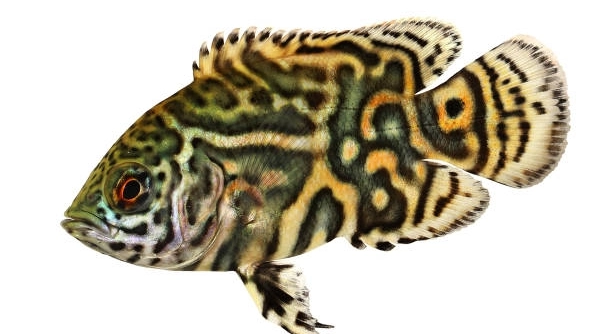
Oscar fish are popular among aquarium enthusiasts, known for their vibrant colors and energetic personalities. These fish are often a favorite choice for people looking to add a bit of excitement to their tanks.
Oscar fish typically live for 10 to 15 years in captivity, though proper care can extend their lifespan. Factors such as diet, water quality, and tank conditions play a major role in determining how long they live.
Knowing the right conditions to maintain for your Oscar fish will help you provide them with a healthy and happy life.
What Affects the Lifespan of Oscar Fish?
Oscar fish can live much longer if given the right care. Water conditions, diet, tank size, and their environment all impact how long they thrive. Clean, well-maintained water is essential for keeping them healthy. Regular water changes and maintaining proper filtration can help reduce stress and prevent illnesses. Additionally, Oscars are known for being messy eaters, so maintaining water quality is even more crucial.
A proper diet will also play a significant role in extending their life. Oscars need a balanced diet rich in protein. Overfeeding or giving them poor-quality food can lead to health issues that shorten their lifespan.
Their environment matters too. Oscars need a spacious tank to grow properly. A cramped space will result in stress and potentially harm their health. Keeping them in a tank that is at least 55 gallons ensures they have room to thrive and swim around. Proper care and a good living environment are key to longevity.
How Can You Improve Their Lifespan?
Providing optimal care for your Oscar fish ensures a longer, healthier life. Regular water testing, offering a varied diet, and proper tank maintenance can go a long way.
Oscars are sensitive to changes in their water conditions. For example, the pH level, hardness, and temperature of the water need to be kept stable to prevent stress. Make sure you test the water regularly, keeping the temperature around 74 to 81°F and ensuring the pH is between 6.0 and 8.0.
To improve your Oscar fish’s diet, focus on offering high-quality pellets and supplement their meals with occasional live or frozen food like shrimp and worms. This will help keep them strong and healthy. Avoid feeding them too much to prevent obesity, as overfeeding can cause health complications.
The Importance of Tank Size for Oscar Fish
Oscar fish need a large tank to grow and stay healthy. A tank that’s too small will result in stress and poor growth, shortening their lifespan.
A 55-gallon tank is the minimum recommended size for one Oscar fish. This allows them enough space to swim freely and reduce territorial behavior. As Oscars grow, they may become aggressive, especially when confined to a small space. A bigger tank will help maintain peaceful coexistence and improve their overall health.
If you plan to keep more than one Oscar fish, you should aim for a tank of at least 75 gallons. This extra space helps minimize conflicts and ensures each fish has room to thrive. The larger the tank, the easier it is to maintain water quality as well.
The Role of Water Quality in Lifespan
Water quality is one of the most critical factors in the lifespan of your Oscar fish. Poor water conditions can cause illness and stress, leading to a shorter life.
To maintain good water quality, you need to test for ammonia, nitrites, nitrates, and pH levels regularly. Ammonia and nitrites should always be at 0 ppm, and nitrates should be kept under 20 ppm. Keeping the water temperature stable between 74-81°F is important as well.
A good filtration system is essential in keeping the water clean. Oscars produce a lot of waste, and a powerful filter will help remove debris and toxins. Changing the water every one to two weeks can also help ensure a clean and stable environment, promoting longevity for your fish.
Diet and Nutrition for Oscar Fish
A balanced diet is key to maintaining the health and longevity of your Oscar fish. Feeding them high-quality food will provide the necessary nutrients for their growth.
Oscars are omnivores and enjoy a variety of foods. Offer them high-protein pellets, live food like worms and shrimp, and occasional vegetables. Avoid overfeeding, as this can lead to obesity and other health problems.
Tankmates for Oscar Fish
Choosing the right tankmates is essential for your Oscar’s well-being. Not all fish can live peacefully with Oscars.
Oscar fish can be aggressive, so it’s best to pair them with larger, more robust fish that can handle their behavior. Avoid small or slow-moving fish that may be seen as prey. If you’re unsure, start with one Oscar in a species-only tank for a while.
Common Health Issues and Prevention
Oscar fish are prone to a few health problems, including parasites, fungal infections, and swim bladder issues. Regular water changes and maintaining water quality can prevent many of these diseases.
Monitoring their behavior is also important. Oscars should be active and alert, not hiding constantly or showing signs of distress. If you notice changes, it’s time to check water parameters and look for potential illness.
FAQ
How long do Oscar fish live in captivity?
Oscar fish typically live for 10 to 15 years in captivity, but with proper care, they can live longer. The lifespan depends on factors like water quality, diet, and the size of the tank. Some Oscars in ideal conditions have been known to live up to 20 years.
What is the best tank size for an Oscar fish?
The minimum recommended tank size for one Oscar fish is 55 gallons. However, larger tanks are better as they give your Oscar more space to swim and thrive. For two Oscars, you should aim for at least a 75-gallon tank. More space reduces stress and helps maintain a stable environment.
Can Oscar fish live with other fish?
Oscar fish can live with other fish, but they tend to be aggressive, especially when they grow older. It’s best to pair them with larger, robust fish that can hold their own. Avoid smaller or slower-moving fish, as they might be eaten or bullied. Always monitor interactions.
How often should I feed my Oscar fish?
Oscar fish should be fed once or twice a day, depending on their age and size. Offer them enough food to eat in a few minutes. Avoid overfeeding, as this can lead to obesity and poor water quality. A varied diet with protein-rich pellets, live food, and occasional vegetables is ideal.
What kind of food is best for Oscar fish?
Oscars are omnivores and need a well-rounded diet. High-quality pellets, especially those designed for carnivorous fish, should be the staple of their diet. Supplement with live or frozen foods like worms, shrimp, and small fish, and occasionally offer vegetables like peas or spinach.
How can I tell if my Oscar fish is sick?
Sick Oscar fish may show signs like loss of appetite, abnormal swimming, visible lesions, or cloudy eyes. If your fish is scratching against objects, it could indicate a parasite. Changes in behavior, such as hiding more often or staying near the surface, can also signal health problems. Early detection is key.
How do I prevent disease in my Oscar fish?
Prevent disease by maintaining excellent water quality and providing a balanced diet. Regular water changes and a good filtration system help prevent illnesses caused by poor water conditions. Quarantining new fish before adding them to the tank can also help prevent introducing diseases into your tank.
How do I maintain water quality for my Oscar fish?
Test the water regularly to ensure levels of ammonia, nitrites, and nitrates are within safe ranges. Ammonia and nitrites should be at 0 ppm, while nitrates should be below 20 ppm. Keep the water temperature stable between 74-81°F and maintain a proper pH level of 6.0-8.0. Use a reliable filtration system and perform regular water changes.
Why is my Oscar fish not eating?
If your Oscar is refusing food, check the water quality and temperature. Stress from poor water conditions or aggressive tankmates can lead to a loss of appetite. It could also be a sign of illness. If the fish refuses food for an extended period, consider consulting a vet or an aquarium specialist.
Can I keep an Oscar fish in a community tank?
While Oscars can be kept in a community tank, they often prefer being in a species-only setup due to their territorial nature. If you do choose to house them with other fish, ensure they are large enough to avoid being bullied or eaten. A 75-gallon tank or larger is recommended for multiple fish.
How do I handle aggressive behavior in my Oscar fish?
Aggression in Oscar fish is common, especially as they mature. You can reduce aggression by providing enough space and hiding spots in the tank. Keeping the tank clean and maintaining good water quality can also reduce stress, which might lessen aggressive behavior. In some cases, separating the fish may be necessary.
What temperature should my Oscar fish tank be?
Oscar fish thrive in temperatures between 74-81°F (23-27°C). Maintaining a stable temperature within this range is essential for their health. Fluctuations can lead to stress and make the fish more susceptible to illness. A good aquarium heater can help maintain the proper temperature.
How often should I clean my Oscar fish tank?
Cleaning the tank regularly is crucial for keeping your Oscar fish healthy. Perform partial water changes every 1 to 2 weeks, depending on the size of the tank and the number of fish. Clean the substrate, remove any debris, and check the filter to ensure it’s working properly. Avoid over-cleaning, as this can disrupt the tank’s ecosystem.
Do Oscar fish need a filter?
Yes, Oscar fish produce a lot of waste, so a high-quality filter is essential for keeping the water clean. A good filter helps maintain proper water quality by removing debris, toxins, and excess waste. It’s recommended to use a filter rated for a tank larger than the actual tank size for optimal performance.
How can I tell the age of an Oscar fish?
It’s difficult to determine the exact age of an Oscar fish without knowing when it was hatched. However, you can estimate the age based on its size. Oscars grow quickly in their first year, reaching up to 6 inches. By the time they are 3 years old, they can grow to 12-14 inches. The growth rate slows down after that.
Why is my Oscar fish hiding all the time?
Hiding can be a sign of stress or illness. If your Oscar is hiding frequently, check the water conditions, as poor water quality can cause them to retreat. Aggressive tankmates or a lack of hiding places can also make them feel insecure. If the behavior continues, consider consulting an aquarium expert.
Can I breed Oscar fish in my tank?
Breeding Oscar fish is possible in home aquariums if you provide the right conditions. A large tank of at least 75 gallons is needed, and the fish must be mature and healthy. Oscars typically breed when they reach 2 years of age. They need flat surfaces to lay eggs, and the parents may become territorial and protective.
Final Thoughts
Oscar fish are a unique and rewarding choice for aquarium owners, offering both beauty and personality. With proper care, these vibrant fish can live a long and healthy life. Their lifespan largely depends on factors like water quality, diet, and the size of their tank. By understanding their needs and providing the right environment, you can ensure that your Oscar fish thrive for many years. It’s important to remember that Oscars require commitment, as they are messy eaters and can grow quite large. However, for those willing to put in the effort, they make fascinating and lively additions to a home aquarium.
A major factor in keeping Oscar fish healthy is maintaining excellent water quality. Regular water changes, testing, and proper filtration are essential for preventing illnesses and ensuring your fish remain in good condition. Along with water quality, a well-balanced diet is equally important. Oscars need a mix of high-quality pellets, occasional live or frozen food, and even some plant matter to stay strong. Avoiding overfeeding is also key, as it can lead to obesity and water contamination. Ensuring that your Oscar receives the right nutrients will keep them active and healthy.
Lastly, tank size and the environment you create play a significant role in your Oscar’s well-being. A larger tank will give them the space they need to grow and swim freely, while providing ample room for any other compatible tankmates. Ensuring the tank is set up with hiding spots and sufficient decorations will help reduce stress, which can improve both their physical and emotional health. As long as you maintain a stable, clean environment and care for your Oscar’s dietary and social needs, they can become a long-term companion in your aquarium.

Hello,
If you enjoy the content that we create, please consider saying a "Thank You!" by leaving a tip.
Every little bit helps us continue crafting quality advice that supports the health, happiness, and well-being of pets around the world, for pets of all shapes, sizes, and species.
We really appreciate the kindness and support that you show us!