
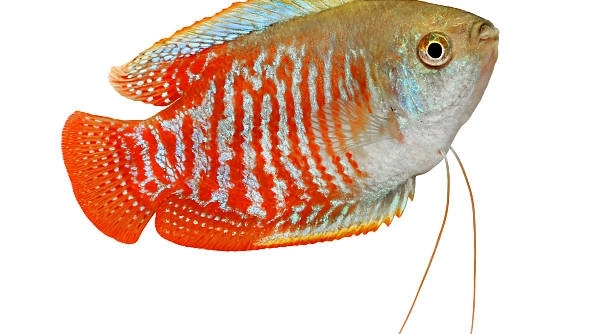
Giant gouramis are gentle and intriguing fish that can grow quite large, making them a fascinating addition to home aquariums. Their calm nature and striking appearance often draw attention from fish enthusiasts everywhere.
Giant gouramis typically live between 15 and 20 years in captivity, depending on their care, diet, and environment. Proper tank conditions, balanced nutrition, and regular health monitoring are essential to support their maximum lifespan.
Learning about their lifespan helps owners provide the best care, ensuring these fish thrive and remain healthy throughout their long lives.
Understanding Giant Gourami Lifespan
Giant gouramis can live a surprisingly long time compared to other freshwater fish. Many owners are shocked when their fish reach 15 years or more, especially if they started small in a modest tank. Their growth and longevity depend heavily on proper care, including a stable tank environment, suitable water quality, and a balanced diet. Overcrowding or poor water conditions can stress them, shortening their lifespan. Feeding them a mix of plant-based foods and occasional protein helps maintain their health and coloration. Regular tank maintenance, like water changes and monitoring for disease, plays a major role in keeping them healthy. Observing their behavior can also provide clues about their wellbeing, as lethargy or unusual swimming may signal underlying issues. Providing enough space is crucial because these fish grow large and need room to move freely.
Many giant gouramis reach full size around three years old, and proper care can extend their lifespan well beyond that.
Longevity also depends on genetics and early-life care. Fish bred in healthy conditions tend to live longer. Ensuring that juveniles receive clean water, adequate nutrition, and minimal stress can significantly improve their overall lifespan. Avoid sudden temperature changes and maintain a consistent feeding schedule. By understanding these needs, owners can help their giant gouramis reach their full potential. Large tanks with proper filtration reduce the risk of disease and provide space for growth. Social interactions with compatible tank mates can also affect stress levels. Observing and responding to changes in behavior early prevents serious health problems. Even small improvements in diet and habitat can make a significant difference over the years, helping these fish thrive for decades in a home aquarium.
Factors That Affect Lifespan
Diet plays a major role in how long giant gouramis live.
Water quality, tank size, and regular care are critical for a healthy and long life. Improper conditions can lead to disease, stunted growth, and early death. Feeding a balanced diet rich in vegetables, supplemented with protein occasionally, strengthens their immune system. Tanks should be large enough to allow free swimming and reduce stress. Monitoring water parameters like pH and ammonia helps prevent health problems. Additionally, regular observation of behavior and appearance ensures that any issues are caught early. Stress from overcrowding or aggressive tank mates should be minimized. Temperature should remain stable, as rapid changes can negatively impact health. By combining these practices, owners create an environment that supports the fish’s natural longevity. With careful attention, giant gouramis can live comfortably for many years, reaching their full size and potential. Proper care not only promotes lifespan but also enhances their vibrant colors and natural behaviors. Regular water changes, a well-maintained filtration system, and a balanced diet collectively ensure they thrive in captivity, allowing for decades of observation and enjoyment.
Common Health Issues
Giant gouramis are prone to diseases like fungal infections, parasites, and bacterial issues if water quality is poor. Stress from overcrowding or improper diet can weaken their immune system, making them more vulnerable to illness and shortening their lifespan.
Maintaining a clean tank with stable water parameters is essential. Regular water changes and monitoring ammonia, nitrite, and nitrate levels prevent many common health problems. Feeding a varied diet with plant matter and occasional protein supports immune function. Signs of illness include discoloration, clamped fins, unusual swimming, or loss of appetite. Early detection and treatment are key to preventing serious complications. Quarantining new fish before adding them to the tank reduces the risk of introducing disease.
Some health issues are linked to genetics and growth rate. Fish that grow too quickly due to overfeeding may develop deformities or organ stress. Maintaining moderate feeding, observing behavior, and ensuring adequate tank space helps prevent long-term health problems. Environmental enrichment, like plants or hiding spots, reduces stress and improves overall well-being. By consistently monitoring both diet and water quality, owners can minimize risks and support a healthy, long life for their giant gouramis.
Tank Requirements
Giant gouramis need large tanks with stable water and proper filtration. Small or crowded tanks reduce their lifespan and cause stress.
A tank of at least 75 gallons is recommended for a single adult. Clean, filtered water with consistent temperature between 75–82°F helps prevent disease. Regular water changes of 20–30% weekly maintain healthy conditions. Decorations should include hiding spots and open swimming areas. Compatible tank mates reduce aggression, while aggressive species should be avoided. Proper lighting supports natural behavior and overall health. Monitoring water parameters regularly ensures a safe environment.
Tank maintenance involves more than cleaning. Filters should be cleaned monthly, and substrate vacuumed to remove debris. Testing water for pH, hardness, and ammonia ensures conditions remain stable. Overfeeding should be avoided, as uneaten food can foul water and encourage bacteria. Plants and décor provide stimulation, reduce stress, and mimic natural habitats. A properly sized tank allows full growth and natural behavior. By combining size, filtration, and environmental enrichment, giant gouramis thrive in captivity, reaching their expected lifespan while remaining active and healthy.
Feeding and Nutrition
Giant gouramis thrive on a mostly plant-based diet, including vegetables, algae, and occasional protein. Overfeeding or relying too heavily on processed foods can cause health problems and shorten their lifespan.
Fresh vegetables like lettuce, peas, and spinach are excellent choices. Occasional worms or pellets provide protein without overloading their diet.
Growth Rate and Lifespan
Growth rate affects overall health and lifespan. Rapid growth due to overfeeding or poor water quality can lead to deformities, organ stress, and shortened life expectancy. Maintaining moderate feeding, stable water, and enough space ensures proper development. Juveniles require smaller portions and gradual diet increases.
Social Behavior
Giant gouramis are generally peaceful but can be territorial, especially in smaller tanks. Observing interactions helps prevent stress and aggression, promoting a healthier environment.
FAQ
How long do giant gouramis live in captivity?
Giant gouramis typically live between 15 and 20 years in captivity if properly cared for. Their lifespan depends on tank size, water quality, diet, and regular monitoring for health issues. Some well-cared-for fish can even surpass 20 years, reaching full adult size without major health problems.
Do giant gouramis grow quickly?
Yes, giant gouramis grow relatively fast, especially during their first few years. Juveniles can double in size within months when provided with good water quality and adequate nutrition. Rapid growth requires careful monitoring to avoid overfeeding, which can cause deformities or organ stress.
What is the ideal tank size for a giant gourami?
An adult giant gourami requires at least a 75-gallon tank. Larger tanks are better because these fish grow large and need space to swim freely. Adequate room reduces stress, minimizes aggression, and helps maintain stable water conditions, which directly affects lifespan.
What should I feed my giant gourami?
A mostly plant-based diet works best. Fresh vegetables like lettuce, peas, and spinach are essential. Occasional protein from worms, insects, or pellets keeps them healthy. Avoid overfeeding and remove uneaten food to prevent water quality problems and obesity.
Can giant gouramis live with other fish?
Yes, but tank mates should be chosen carefully. Giant gouramis are generally peaceful but can be territorial, especially in smaller tanks. Avoid aggressive species and ensure the tank is large enough to provide separate territories. Monitoring behavior regularly helps prevent conflicts.
How often should I change the water?
Regular water changes are essential to longevity. Changing 20–30% of the water weekly helps maintain stable ammonia, nitrite, and nitrate levels. Clean water reduces stress, prevents disease, and supports healthy growth. Using a reliable filter and testing water regularly is recommended.
Do giant gouramis need special lighting?
Moderate lighting is sufficient. Lighting helps maintain normal behavior and encourages plant growth if live plants are in the tank. Avoid intense or direct light that could stress the fish. A consistent day-night cycle is beneficial for their overall health.
What are common signs of illness in giant gouramis?
Watch for clamped fins, unusual swimming patterns, discoloration, or loss of appetite. Early detection of disease allows prompt treatment. Regular observation, proper diet, and clean water reduce the likelihood of illness, helping the fish reach their full lifespan.
Do genetics affect their lifespan?
Yes, genetics play a role. Fish bred in healthy conditions with strong genetic backgrounds tend to live longer. Early-life care, including proper nutrition and clean water, also significantly influences longevity. Combining good genetics with optimal care maximizes lifespan potential.
Is temperature important for their health?
Maintaining a stable temperature between 75–82°F is important. Sudden fluctuations can stress the fish, weaken their immune system, and make them more prone to disease. Using a heater and monitoring water temperature ensures a consistent environment that supports long-term health.
Can overcrowding shorten their lifespan?
Overcrowding increases stress, encourages aggression, and deteriorates water quality. Providing enough space and avoiding excessive tank mates helps maintain health and longevity. Stress reduction is as important as diet and water quality for a long, healthy life.
How can I extend my giant gourami’s life?
Consistent care is key. Provide a large tank, stable water, balanced diet, moderate lighting, and compatible tank mates. Monitor for illness and stress, perform regular water changes, and maintain filtration. Avoid rapid temperature changes and overfeeding. Combining these practices can help your fish live a long, healthy life.
Are there any special precautions for juveniles?
Juveniles are more sensitive to water quality and overfeeding. Provide smaller portions, frequent water monitoring, and adequate space. Gradually increase diet as they grow. Early care directly influences growth, health, and adult lifespan, making careful attention during the first years essential.
Do giant gouramis require enrichment in their tank?
Yes, adding plants, decorations, and hiding spots reduces stress and encourages natural behaviors. Environmental enrichment supports mental stimulation and physical activity, contributing to overall health and a longer lifespan. Simple adjustments like floating plants or tunnels can make a noticeable difference.
Can improper diet affect lifespan?
Absolutely. Overfeeding or relying on processed foods can cause obesity, organ stress, and shorter lifespan. A varied, plant-focused diet with occasional protein is ideal. Removing uneaten food prevents water quality issues, which are directly tied to health and longevity.
Is it possible for a giant gourami to live over 20 years?
Yes, with optimal care, some giant gouramis have been known to live beyond 20 years. Genetics, diet, water quality, and tank size all influence the likelihood. Long-lived fish typically experience minimal stress, proper nutrition, and consistent monitoring throughout their lives.
Giant gouramis are impressive fish that can become a long-lasting part of your aquarium if cared for properly. Their size and calm nature make them stand out, but it’s important to remember that they require consistent attention. Providing a large tank with clean, filtered water is essential. Water quality has a direct impact on their health and lifespan. Regular water changes, monitoring pH, ammonia, and nitrate levels, and using a reliable filtration system are all important steps. Neglecting these details can lead to stress, disease, and a shorter life. Paying attention to the tank environment ensures that your gouramis remain healthy and active for many years.
Diet also plays a crucial role in their wellbeing. Giant gouramis are mostly herbivorous, so vegetables like peas, spinach, and lettuce should make up most of their meals. Occasional protein, such as worms or high-quality pellets, supports growth and maintains muscle strength, but overfeeding must be avoided. Uneaten food should be removed promptly to prevent water pollution. A balanced diet contributes not only to their overall health but also to their coloration and energy levels. By keeping their feeding consistent and varied, you reduce the risk of obesity, organ stress, and other diet-related problems.
Behavior and social interactions are equally important. While giant gouramis are generally peaceful, they can show territorial tendencies, especially in smaller tanks. Observing their behavior and providing enough space reduces stress and prevents aggressive encounters. Environmental enrichment, like plants or hiding spots, encourages natural activity and mental stimulation. Proper care from the juvenile stage onward sets the foundation for a long and healthy life. Combining attention to water quality, diet, and environment ensures your giant gouramis can thrive for well over a decade, giving you the opportunity to enjoy their calm presence and unique personality for many years.

Hello,
If you enjoy the content that we create, please consider saying a "Thank You!" by leaving a tip.
Every little bit helps us continue crafting quality advice that supports the health, happiness, and well-being of pets around the world, for pets of all shapes, sizes, and species.
We really appreciate the kindness and support that you show us!