
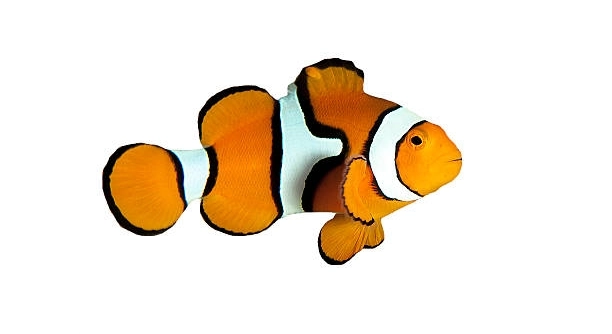
Clownfish are popular pets for many aquarium lovers. They bring bright colors and lively movement to tanks. However, setting them into a new environment takes some time and patience.
Clownfish generally need about two to four weeks to fully settle into a new tank. During this period, they adjust to water conditions, establish territory, and reduce stress levels to thrive in their new home.
Knowing how long clownfish take to adapt can help ensure they stay healthy and comfortable in your aquarium. Understanding this process makes caring for them easier and more rewarding.
Factors Affecting How Long Clownfish Take to Settle In
Several factors influence how quickly clownfish settle into a new aquarium. The size of the tank is important—larger tanks usually allow fish to explore and find comfortable spots more easily. Water quality also plays a big role; stable temperature, pH levels, and cleanliness reduce stress. The presence of hiding places, like anemones or rocks, gives clownfish a safe space to feel secure. Additionally, the way the fish is introduced to the tank matters. A slow and gentle acclimation process helps them adjust to the new water conditions without shock. Finally, the fish’s age and health impact settling time—young or stressed clownfish may take longer to feel at ease.
Patience is key. Avoid moving the fish too often, as this can extend the adjustment period.
A calm environment helps clownfish reduce stress quickly. Keeping tank conditions stable and providing familiar hiding spots encourages them to explore and eat sooner, which means they settle faster overall.
Signs Your Clownfish Has Settled
Once clownfish feel comfortable, their behavior changes. They start swimming actively around the tank, showing curiosity rather than hiding. Eating habits improve as they begin to accept food regularly. You may notice them interacting with anemones or other tank mates. Their colors often become brighter, which is a sign of good health and comfort. Watching for these behaviors helps you know when your fish has adapted. If the clownfish remains hidden or refuses food after several weeks, water quality or stress might be issues to check.
Proper observation ensures your clownfish stays happy and healthy in its new home. It also lets you make timely changes to improve their environment.
Preparing the Tank Before Introducing Clownfish
A clean, stable tank helps clownfish settle quickly. Make sure water parameters are tested and adjusted before adding the fish.
Proper tank setup is essential for clownfish health. The water temperature should be between 74°F and 78°F, and the pH should stay around 8.1 to 8.4. Regularly testing ammonia, nitrite, and nitrate levels prevents harmful spikes. Adding live rock or coral offers natural hiding spots that reduce stress. Light levels should mimic their natural environment, avoiding sudden changes. Cycling the tank fully before introducing clownfish ensures beneficial bacteria are present to keep water safe. Taking these steps creates a welcoming home that encourages faster adaptation.
Acclimating clownfish slowly reduces shock and stress. Float the bag in the tank for 15-20 minutes to equalize temperature. Gradually mix small amounts of tank water into the bag over 30 to 60 minutes. This process allows the fish to adjust to water chemistry changes gently, preventing illness. A careful introduction gives clownfish a better chance to thrive and settle comfortably.
Feeding Tips for Settling Clownfish
Start feeding clownfish small amounts of food several times a day once they appear active. Use a variety of foods like flakes, pellets, and frozen items to meet their nutritional needs.
Clownfish can be picky at first, so patience is important. Initially, they might refuse food as they adjust, but consistent feeding encourages appetite. Avoid overfeeding to maintain water quality, as leftover food can cause spikes in ammonia. Feeding near hiding spots can make shy fish feel safer while eating. Observing their feeding behavior helps track their comfort level and health.
Once clownfish start eating regularly, maintain a balanced diet for long-term well-being. Including protein-rich foods such as brine shrimp and mysis shrimp supports growth and vibrant colors. Feeding in small portions reduces waste and keeps the tank cleaner. Consistency in feeding schedules helps fish build trust and lowers stress.
Common Stress Signs in Clownfish
Stress in clownfish often shows through hiding, loss of appetite, or faded colors. They may also swim erratically or rub against surfaces.
Recognizing these signs early helps prevent serious health problems. Stress can weaken their immune system, making them vulnerable to disease.
How to Reduce Stress for New Clownfish
Maintaining stable water conditions is the best way to reduce stress. Avoid sudden changes in temperature or water chemistry, and provide plenty of hiding places.
Minimize loud noises and disturbances near the tank. Keeping the environment calm supports quicker adaptation and better health for your clownfish.
When to Seek Help for Your Clownfish
If signs of stress or illness last more than two weeks, consider consulting a professional. Early intervention can prevent serious issues.
Monitoring your clownfish regularly ensures they stay healthy and happy. Quick action can make all the difference.
FAQ
How long does it take for clownfish to stop hiding?
Clownfish usually stop hiding within two to four weeks after being introduced to a new tank. During this time, they gradually explore their surroundings and feel safer. Providing hiding spots like anemones or rocks helps them feel secure. If they continue hiding beyond a month, check water quality and stress factors.
What is the best way to acclimate clownfish?
The best method is a slow acclimation process. Float the bag in the tank to match temperatures, then slowly add small amounts of tank water to the bag over 30 to 60 minutes. This helps them adjust to water chemistry without shock. Avoid rushing this step to keep them healthy.
Can clownfish live without anemones?
Yes, clownfish can live without anemones. Although anemones offer natural shelter and comfort, clownfish adapt well to tanks with live rock or coral for hiding places. Proper tank setup and care are more important for their wellbeing than having an anemone.
How often should I feed my clownfish?
Feed clownfish two to three times daily in small amounts. This schedule encourages a healthy appetite and reduces leftover food, which can pollute the tank. Offering a variety of food, like pellets, flakes, and frozen shrimp, keeps their diet balanced and supports good health.
What are signs of stress in clownfish?
Stress signs include hiding constantly, refusing food, faded colors, erratic swimming, and rubbing against tank surfaces. These behaviors indicate discomfort and potential health issues. Monitoring water quality and tank conditions often helps reduce stress quickly.
Can clownfish live with other fish during settling?
Clownfish can live with other peaceful fish if introduced carefully. Aggressive tank mates may increase stress and delay settling. It’s best to avoid overcrowding and keep compatible species together. Observe interactions closely to ensure all fish remain healthy and stress-free.
What water parameters are ideal for clownfish?
Ideal water parameters include a temperature of 74°F to 78°F, pH between 8.1 and 8.4, and stable ammonia, nitrite, and nitrate levels near zero. Consistent water quality supports faster settling and long-term health. Regular testing and maintenance are key.
How can I tell if my clownfish is healthy after settling?
Healthy clownfish swim actively, eat well, display vibrant colors, and interact with their environment. They should not hide excessively or show unusual behavior. Keeping an eye on these signs helps catch potential problems early.
Is it normal for clownfish to change color when settling?
Yes, color changes can happen as clownfish adjust. Fading may indicate stress but often improves as they settle. Brightening colors usually mean the fish is becoming comfortable and healthy. Consistent care helps maintain vibrant colors.
What should I do if my clownfish refuses to eat?
If a clownfish refuses food, check water quality and tank conditions first. Try offering different types of food or feeding near hiding spots to reduce stress. If refusal continues beyond a week, consider consulting a specialist, as illness or stress may be involved.
Can adding anemones help clownfish settle faster?
Adding anemones can provide natural shelter that helps clownfish feel secure, potentially speeding up settling. However, anemones require specific care and stable tank conditions. Only add them if you can maintain proper lighting, water flow, and cleanliness.
How important is lighting for clownfish settling?
Lighting affects clownfish comfort and stress levels. Gradual lighting changes mimic natural conditions and reduce shock. Too bright or sudden light changes can stress fish, so using timers or dimmers helps create a stable environment during settling.
What are common mistakes to avoid during clownfish settling?
Common mistakes include rushing acclimation, overfeeding, poor water quality, and overcrowding. Sudden changes in tank conditions or handling fish too much also increase stress. Following proper setup and care routines leads to smoother settling and healthier fish.
How often should water be changed during settling?
Regular water changes of 10-20% weekly help maintain water quality during settling. This keeps toxins low and supports a healthy environment. Avoid large or sudden water changes, as these can shock clownfish and delay adaptation.
Can stress affect clownfish lifespan?
Yes, prolonged stress weakens the immune system and can shorten lifespan. Reducing stress through stable conditions, proper feeding, and a calm environment supports longevity. Early signs of stress should be addressed quickly for the best outcomes.
Is it necessary to quarantine clownfish before adding to the main tank?
Quarantining new clownfish is highly recommended. It helps detect diseases and parasites before they enter the main tank. A quarantine period of two to four weeks keeps the main tank safer and gives fish a chance to adjust in a controlled space.
When bringing clownfish into a new tank, understanding how long they need to settle in is very helpful. Clownfish usually take about two to four weeks to fully adjust to their new environment. During this time, they slowly get used to the water conditions, find safe places to hide, and become less stressed. Providing a clean tank with stable water parameters and places to shelter makes this process easier for them. It’s important to be patient and let the fish settle at their own pace without rushing or disturbing them too much.
Taking care of clownfish during their settling period means paying close attention to their behavior and environment. Watching for signs like hiding, refusal to eat, or changes in color can help you know if they are still stressed or starting to feel comfortable. Feeding them small amounts several times a day with a variety of food helps encourage healthy eating habits. Also, keeping the water clean and stable by testing regularly and doing small water changes supports their health. Avoiding sudden changes in lighting or temperature reduces stress and allows clownfish to adapt more quickly.
Overall, helping clownfish settle in well sets the foundation for their long-term health and happiness in your aquarium. While the process takes some time and care, the reward is a lively and vibrant fish that feels at home. By preparing the tank properly, acclimating slowly, and maintaining a calm environment, you give clownfish the best chance to thrive. Being patient and consistent during this early phase benefits both the fish and the aquarium’s balance, making it a more enjoyable experience for you as well.

Hello,
If you enjoy the content that we create, please consider saying a "Thank You!" by leaving a tip.
Every little bit helps us continue crafting quality advice that supports the health, happiness, and well-being of pets around the world, for pets of all shapes, sizes, and species.
We really appreciate the kindness and support that you show us!