
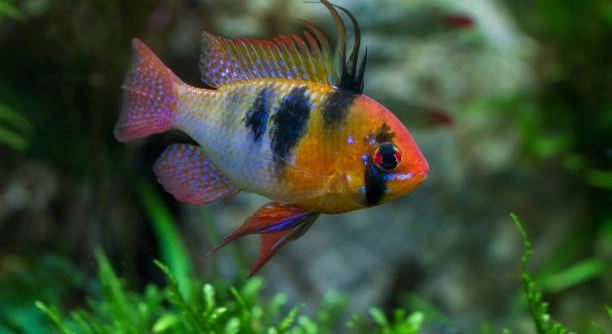
Have you ever watched cichlids carefully tending their eggs in a tank or aquarium? Their dedication can be surprising, as these fish show a strong instinct to protect their future offspring with great care.
Cichlids typically guard their eggs for about one to two weeks, depending on the species and environmental conditions. During this period, they actively protect the eggs from predators, maintain water quality, and ensure proper oxygenation to support healthy development.
Knowing how long this stage lasts helps you better manage your aquarium and support the fish in raising strong, healthy fry.
Understanding Cichlid Egg Guarding Behavior
Cichlids are known for their attentive care when it comes to eggs. Once the female lays them, both parents may take part in guarding, though it depends on the species. They fan the eggs gently with their fins to provide oxygen and remove debris. Some species stay very close to the eggs, hardly leaving their side. Parents often chase away any fish that get too close. This behavior can last from a few days up to two weeks. During this time, the fish are alert and protective. It is fascinating to watch how they balance feeding with guarding. Their movements are deliberate, and they rarely ignore their eggs. Observing them can give insights into natural instincts and how environmental factors like temperature or water quality affect their behavior. The consistency of their attention plays a major role in the survival of the fry.
Parental guarding in cichlids varies, but most maintain close proximity to eggs until they hatch.
For some species, the guarding extends beyond hatching. The parents continue to protect and guide the fry, ensuring they stay safe from predators. This post-hatch care may involve leading them to food and defending them from any threats. Parents sometimes move the young to new locations if the area becomes unsafe. Watching these interactions gives an idea of how instinct and environment shape behavior. Tank conditions like water flow, hiding spaces, and temperature influence the intensity and duration of guarding. Experienced aquarists often notice subtle changes in behavior as eggs develop. The level of care can vary between pairs, with some being highly vigilant and others more relaxed. Understanding these patterns helps ensure a safe environment for the eggs and fry. Recognizing the signs of stress or aggression in parents can prevent losses. Overall, this careful attention is key to successful breeding in captivity.
Factors Affecting Guarding Duration
Temperature and water conditions directly impact how long cichlids guard their eggs.
Environmental stability plays a significant role in parental care. Warmer water may accelerate egg development, shortening the guarding period. Sudden changes in temperature or poor water quality can stress the parents, causing them to abandon the eggs. Tank size and hiding spots influence comfort and security, affecting vigilance. Some species are more sensitive to disturbances, requiring calm and consistent conditions. Stress from overcrowding or aggressive tank mates can also shorten the guarding period. Understanding the species-specific needs helps maintain optimal conditions. Additionally, nutrition and health of the parents affect their energy for guarding. Providing a balanced diet ensures they can sustain prolonged attention to eggs. Awareness of these factors allows for better planning and management in an aquarium setting, increasing survival rates of eggs and fry. Careful observation and adjustments can support the natural behavior of cichlids and improve breeding outcomes.
Common Signs of Egg Guarding
Cichlids become more territorial when guarding eggs. They stay close, chase away intruders, and fan the eggs constantly. Their movements are deliberate, and they rarely leave the clutch unattended, showing strong parental instincts that help ensure the eggs survive to hatching.
During the guarding period, you may notice changes in their behavior. They eat less and spend most of their time near the eggs. Fins spread wide and slow swimming movements indicate vigilance. Parents often hover over the eggs, adjusting their position for optimal oxygen flow. Any sudden approach from other fish triggers quick defensive actions. Watching these behaviors can help identify if the eggs are healthy and the parents are caring properly. Maintaining a calm environment is crucial to reduce stress and support natural guarding routines.
Some species exhibit shared responsibilities between the male and female. One parent may defend while the other fans the eggs or rests briefly. This coordination ensures continuous protection and proper care. Observing the pair reveals subtle communication, like body movements signaling shifts in duty. It is interesting to see how each species develops its own strategies. Environmental factors, such as tank layout, hiding spots, and water flow, influence how strictly they guard the eggs. Strong parental instincts, combined with proper conditions, significantly increase the chances of healthy fry survival.
Post-Hatching Care
Cichlids continue to watch over their fry after hatching, guiding them to safe areas and small food sources.
Parents often lead the fry around the tank, keeping them in protected zones and helping them avoid predators. They may gather the young together if they scatter. In some species, parents even take fry into their mouths temporarily to protect them. Observing these behaviors highlights how instinctive and attentive cichlids can be. Tank conditions like water quality, adequate hiding spaces, and minimal disturbances are crucial for continued care. Strong post-hatch care ensures higher survival rates and healthier fry development. Maintaining stability allows parents to focus on nurturing their offspring rather than reacting to stress.
Tips for Supporting Guarding Parents
Providing plenty of hiding spots helps cichlids feel secure while guarding eggs. Rocks, plants, and caves reduce stress and allow them to focus on protecting their clutch.
Maintaining clean water and stable temperature is equally important. Sudden changes can cause parents to abandon eggs, so monitoring conditions carefully ensures consistent care and higher survival chances.
Feeding During the Guarding Period
Parents may eat less while guarding, but light, frequent feedings help maintain energy. Soft, high-protein foods like brine shrimp or finely crushed flakes are ideal. Overfeeding should be avoided, as uneaten food can affect water quality. Proper nutrition supports both parent health and egg development.
Handling Stressful Situations
Minimizing disturbances near the tank is critical. Loud noises, rapid movements, or frequent tank access can stress guarding cichlids, leading to neglect of eggs. Creating a calm environment ensures parents can focus on protecting and nurturing their clutch without unnecessary interruptions.
FAQ
How long do cichlids guard their eggs?
Cichlids usually guard their eggs for about one to two weeks, depending on the species and tank conditions. Some may start reducing attention a few days before hatching, while others continue until the fry are free-swimming and able to avoid danger on their own.
Do both parents guard the eggs?
In many species, both the male and female participate in guarding, though roles can differ. One parent may stay closer to the eggs to protect them, while the other fans the eggs for oxygen or patrols the area. Some species rely mostly on the female, but male support increases survival chances.
What behaviors indicate eggs are healthy?
Healthy eggs are usually clean, firm, and slightly translucent. Parents will fan them regularly, remove debris, and chase away intruders. A lack of attention, discoloration, or fungal growth can signal problems. Observing consistent guarding and proper parental care is a good sign that the eggs are developing well.
Can environmental factors affect guarding duration?
Yes. Water temperature, quality, and tank stability influence how long parents guard. Warmer water may speed up development, shortening the guarding period. Stressful conditions like poor water, aggressive tank mates, or sudden disturbances may cause parents to abandon eggs early. Proper care ensures they stay attentive.
How do I reduce stress for guarding cichlids?
Limit disturbances near the tank and maintain consistent conditions. Avoid tapping the glass, moving decorations, or adding too many new fish. Providing hiding spaces and stable water parameters lets parents focus on the eggs rather than reacting to stress, improving survival rates.
Do cichlids need extra food while guarding?
Parents often eat less but still require light, frequent feedings. Soft, protein-rich foods like brine shrimp or finely crushed flakes help maintain energy. Avoid overfeeding, which can foul water and reduce oxygen levels. Proper nutrition helps parents stay strong and attentive throughout the guarding period.
What happens after eggs hatch?
After hatching, parents continue guiding and protecting fry. They may lead them to safe areas, gather them if scattered, and even temporarily carry them in their mouths for safety. Fry rely on their parents until they can swim confidently and find food independently. Post-hatch care is critical for survival.
Can egg guarding be harmful to parents?
Guarding is demanding but usually not harmful if parents are healthy and tank conditions are ideal. Stress, poor nutrition, or overcrowding can impact their health. Supporting them with proper water quality, food, and hiding spaces helps maintain their well-being while they care for eggs.
How can I tell if parents abandoned the eggs?
Abandonment is noticeable when parents stop fanning, leave the eggs unattended, or fail to chase intruders. Eggs may develop fungus, discolor, or die if left unprotected. Identifying early signs allows intervention, such as moving eggs to a separate safe tank or adjusting conditions to reduce stress.
Do all cichlid species guard their eggs the same way?
Guarding behavior varies. Some species are highly vigilant, rarely leaving eggs, while others share duties loosely. Environmental sensitivity differs as well. Knowing the specific species helps set realistic expectations for guarding intensity, duration, and parental behavior, ensuring a higher chance of fry survival.
Is it necessary to separate eggs from other fish?
Yes, in community tanks, other fish may eat eggs or fry. Separating eggs into a safe breeding tank or creating barriers allows parents to guard effectively without constant interference, improving hatch rates and reducing stress for the guarding pair.
What role does tank layout play in egg survival?
Tank layout affects security and parental confidence. Hiding spots, rocks, plants, and caves create protected areas for eggs and fry. Open spaces may cause parents to become stressed or overly aggressive. A well-arranged tank supports natural guarding behaviors and increases egg survival.
How long do parents care for fry after hatching?
Care typically continues for one to two weeks, sometimes longer depending on species. During this time, parents guide fry, protect them from threats, and teach them feeding behavior. The duration ensures fry develop enough strength and instincts to survive independently.
Can I intervene if parents are stressed or neglecting eggs?
Yes, gently moving eggs or fry to a separate tank is an option if parents are stressed or abandoning them. Ensure water parameters match the original tank to avoid shock. Intervention can save eggs and fry while reducing further stress on the parents.
How can I tell when guarding is complete?
Guarding is usually complete once fry are free-swimming, feeding independently, and able to avoid minor threats. Parents gradually spend less time near them and resume normal routines. Observing these changes signals it is safe to reduce protective measures or return fry to the main tank.
What signs indicate parental fatigue during guarding?
Fatigue may show as slower movements, reduced fanning, or temporary absences from eggs. Stress, poor nutrition, or environmental disturbances can worsen this. Light feedings and minimizing disturbances help parents maintain consistent attention and energy levels until guarding is naturally complete.
Are there differences in guarding between freshwater and saltwater cichlids?
Most commonly kept cichlids are freshwater, and guarding behaviors are similar across species. Saltwater variants may show different levels of parental involvement or aggression, but the principles of protection, fanning, and post-hatch care remain consistent. Tank conditions and species specifics guide expectations.
Does tank size influence guarding success?
Yes, adequate space allows parents to move freely and protect eggs without feeling crowded. Small or overcrowded tanks increase stress, which can reduce guarding effectiveness. Providing enough room for natural behaviors ensures better egg and fry survival.
Can I remove one parent during guarding?
In some cases, removing a parent may reduce aggression or stress, especially if one is neglecting the eggs. However, this can also increase pressure on the remaining parent. Observation is key to determine whether intervention will improve overall egg survival.
What are the most common mistakes during cichlid egg guarding?
Common mistakes include disturbing the tank, poor water quality, overfeeding, or introducing aggressive fish. These factors cause stress, abandonment, or egg loss. Ensuring stable conditions, proper diet, and minimal interference supports healthy guarding and fry development.
How do I monitor egg development without causing stress?
Observation should be gentle and indirect. Watch behavior from a distance, avoid tapping glass, and limit handling. Using calm, steady movements when checking water or tank elements helps maintain a stress-free environment for parents and eggs.
Are there signs of successful hatching I should expect?
Successful hatching is indicated by free-swimming fry, active feeding, and attentive parental behavior. Eggs disappear from the substrate, and fry are often guided into safe areas. Healthy parents continue to protect and lead them until independence.
Can multiple pairs guard eggs in the same tank?
It depends on species and tank size. Crowding can lead to aggression or egg predation. If multiple pairs are kept together, ample hiding spaces and sufficient territory are essential to prevent conflicts and allow natural guarding behaviors.
Do environmental changes affect post-hatch care?
Yes, sudden changes in temperature, pH, or water quality can stress parents and fry. Maintaining stable conditions ensures continuous protection, proper feeding guidance, and higher fry survival rates, allowing parents to focus on nurturing without distraction.
What is the best way to support cichlid breeding success?
Provide a stable tank, adequate hiding spots, high-quality nutrition, and minimal disturbances. Monitor parental behavior, maintain clean water, and separate eggs or fry if necessary. Understanding species-specific needs improves survival rates, ensures proper guarding, and fosters healthy fry development.
How can I tell if eggs are fertilized?
Fertilized eggs are usually uniform, firm, and slightly translucent. Unfertilized eggs often turn cloudy, shrink, or develop fungus. Observing active parental care, including fanning and cleaning, usually indicates fertilized eggs.
Do cichlids ever abandon eggs for no reason?
Abandonment usually results from stress, poor conditions, illness, or disturbances. Healthy, unstressed parents rarely abandon eggs without cause. Maintaining proper tank parameters and minimizing interference greatly reduces the risk of neglect.
How important is oxygenation for egg development?
Oxygenation is critical. Parents fan eggs to ensure proper oxygen flow, which supports healthy embryo development. Poor oxygen levels can cause slow growth, deformities, or death. Proper water movement and aeration help supplement parental care.
What happens if eggs are not guarded?
Unguarded eggs are vulnerable to fungus, predation, and poor oxygenation. Survival rates drop significantly without protection, especially in community tanks. Intervention, such as a separate breeding tank or artificial aeration, may be necessary to ensure development.
Do all cichlid species exhibit the same post-hatch behaviors?
No. Some are highly protective, guiding fry constantly, while others are more relaxed, allowing fry more freedom. Observing species-specific behaviors helps predict care needs and plan tank management effectively, ensuring higher survival rates.
Can I tell the difference between stressed and attentive parents?
Yes. Attentive parents stay near eggs, fan regularly, and chase intruders. Stressed parents may dart nervously, ignore eggs, or show erratic swimming. Monitoring subtle cues helps manage conditions to reduce stress and support natural guarding behavior.
Are there risks in moving eggs or fry?
Yes, improper handling can shock eggs or fry, cause injury, or expose them to unsuitable water conditions. Matching water parameters, gentle movement, and minimal handling reduce risks and increase chances of survival when intervention is necessary.
How long after hatching do fry start feeding independently?
Most fry begin feeding independently within a few days, depending on species and development. Parents still guide and protect them during this early stage, gradually reducing direct care as the fry become more capable of finding food on their own.
Does lighting affect egg guarding?
Bright or sudden lighting can stress parents, reducing attention to eggs. Moderate, consistent lighting helps maintain normal behavior, encouraging steady guarding and protecting both eggs and fry from unnecessary stress.
Can breeding success improve with multiple tanks?
Yes, using a separate breeding tank allows controlled conditions, reduces stress from other fish, and provides a safe environment for guarding. This setup increases egg survival, reduces aggression, and supports proper post-hatch care.
How do I know when fry are ready to be separated from parents?
Fry are ready when they swim independently, feed on their own, and respond to minor threats without guidance. Parents gradually reduce protection, signaling it is safe to move fry or expand their territory in the tank.
What are the signs of poor guarding conditions?
Signs include neglected eggs, fungus growth, frantic movements, aggression, or parents leaving eggs unattended. Poor water quality, overcrowding, or stressors often contribute. Correcting these conditions restores natural guarding behavior and improves survival rates.
Is it normal for parents to eat some eggs or fry?
Yes, occasionally. This may happen if the eggs are unfertilized, weak, or environmental stress is high. While it can be alarming, occasional consumption is a natural instinct to focus resources on viable offspring.
How can I encourage natural guarding instincts?
Providing a quiet, stable environment, proper nutrition, and adequate territory encourages instinctive guarding. Avoid frequent disturbances and maintain consistent conditions to support parental behavior. Observing without interfering allows instincts to guide egg and fry care effectively.
Do all cichlid species fan eggs?
Most do, but the intensity and technique vary. Fanning provides oxygen, prevents fungus, and keeps eggs clean. Even subtle movements indicate attention and are essential for healthy development. Understanding the species’ fanning habits helps track care quality.
Can I use artificial aeration instead of parental fanning?
Aeration can supplement oxygen but cannot replace parental care entirely. Parents provide cleaning, protection, and guidance that aeration cannot. It is useful in emergencies or if parents are stressed, but direct guarding remains vital for egg survival.
How long do eggs take to hatch?
Hatching usually occurs in 3 to 10 days, depending on species and temperature. Warmer water speeds development, while cooler water slows it. Monitoring eggs and parental behavior helps estimate the timing accurately.
Are there differences in guarding between wild and tank-bred cichlids?
Wild cichlids often show more intense guarding due to natural pressures. Tank-bred fish may be calmer but still retain instincts. Providing a safe, suitable environment in captivity allows natural behaviors to emerge effectively.
What is the best way to track guarding progress?
Observation without interference is key. Note parental proximity, egg appearance, fanning frequency, and interactions with fry. Keeping a simple log helps track development, identify stress, and adjust tank conditions if needed.
Do cichlids recognize their eggs?
Yes, they usually identify and focus on their own eggs, avoiding other fish’s eggs. This instinct ensures parental care is directed efficiently, increasing the likelihood of successful hatching and fry survival.
Can water changes affect guarding behavior?
Sudden water changes can stress parents, causing them to neglect eggs temporarily. Slow, partial changes maintain stability and reduce stress, allowing natural guarding behavior to continue uninterrupted.
How do I prevent fungus on eggs?
Proper fanning by parents, clean water, and minimal disturbance reduce fungus risk. In cases where parents are stressed or eggs are vulnerable, mild antifungal treatments may be used cautiously under guidance. Prevention is always better than intervention.
What is the role of aggression during guarding?
Aggression protects eggs and fry from intruders. While it can seem intense, it is essential for survival. Providing adequate space and hiding spots reduces excessive conflict while allowing natural defensive behavior to continue.
How does diet influence guarding behavior?
A balanced, protein-rich diet keeps parents energetic and attentive. Poor nutrition can lead to reduced guarding, less fanning, or abandonment. Regular feeding with appropriate food types supports consistent care and healthy egg development.
Can fry survive without post-hatch care?
Some may survive, but survival rates drop significantly. Parents provide guidance, protection, and access to food that young fry cannot manage alone. Post-hatch care dramatically improves fry health and chances of reaching maturity.
Do cichlids ever abandon fry after hatching?
Yes, if stressed, sick, or overwhelmed. Healthy conditions and proper support reduce the likelihood. Observing behavior closely helps identify early signs and allows intervention to protect fry when necessary.
Is parental guarding instinctive or learned?
It is primarily instinctive, though experience can refine behavior. First-time parents may show slight mistakes, but natural instincts guide fanning, protection, and post-hatch care effectively.
Can I mix species and expect natural guarding?
Mixing species can cause stress or aggression, disrupting guarding. Compatibility, space, and hiding spots are crucial. Observing closely ensures parental instincts are not compromised by interspecies interactions.
What is the role of water flow in egg development?
Moderate flow helps oxygenation, mimicking natural conditions. Too strong a current can displace eggs or fry, while stagnant water reduces oxygen levels. Proper flow complements parental fanning and supports healthy development.
How do I know if fry are growing properly?
Healthy fry are active, swimming steadily, feeding, and gaining size consistently. Weak, lethargic, or slow-growing fry may indicate inadequate care, poor water conditions, or insufficient nutrition. Regular observation ensures timely adjustments.
Do cichlids guard all types of eggs the same way?
Guarding varies by species, egg size, and clutch location. Some attach eggs to surfaces, while others scatter them. Parental care adapts accordingly, but fanning, protection, and post-hatch guidance remain consistent priorities.
Are there signs of over-guarding?
Over-guarding may appear as excessive aggression, continuous chasing, or stress behaviors. While vigilance is good, extreme aggression can harm parents, fry, or tank mates. Balancing environmental conditions helps maintain healthy guarding behavior.
Can parental behavior change between clutches?
Yes, experience, health, and environmental factors influence behavior. Experienced parents may guard more efficiently, while stress or poor conditions can reduce attention. Observing each clutch individually ensures proper care.
How do I transition fry to independent feeding?
Gradually provide appropriate-sized food in small amounts while still allowing parents to guide them. Monitor feeding success and adjust portions as fry grow. Reducing parental involvement gradually helps fry develop independence safely.
Is it normal for parents to become aggressive to tank mates?
Yes, territorial aggression protects eggs and fry. Aggression decreases as fry grow and guarding ends. Providing adequate space and hiding areas can reduce unnecessary stress while maintaining natural defensive behaviors.
How important is consistency in tank care?
Consistency in temperature, water quality, and feeding is critical. Sudden changes can stress parents, disrupt guarding, and harm egg development. Regular maintenance supports instinctive care and improves fry survival rates.
Do all cichlids show the same fanning frequency?
Fanning frequency varies by species, temperature, and oxygen levels. Some may fan almost constantly, while others use shorter, intermittent movements. Observing the pattern helps ensure eggs receive adequate oxygen and cleaning.
Can stress reduce fertility or egg viability?
Yes, stressed parents may produce fewer eggs, fertilize less effectively, or abandon clutches. Maintaining calm, stable conditions and proper nutrition supports fertility and increases the likelihood of successful hatching.
How do I know when eggs are ready to hatch?
Eggs darken slightly, show visible eyes in embryos, and may start moving subtly. Parents remain attentive but may begin shifting positions. Close observation of these signs helps predict hatching timing and prepare for fry care.
Can frequent handling of eggs or fry cause abandonment?
Yes. Handling can stress parents and damage eggs or fry. Minimizing contact and ensuring gentle, necessary interventions only preserves parental care and reduces the risk of abandonment.
Do cichlids communicate while guarding?
Yes, through body language, fin movements, and positioning. These signals coordinate parental roles, indicate threats, and help guide fry. Observing subtle cues provides insight into guarding efficiency and parental cooperation.
Can I speed up hatching or guarding duration?
Manipulating temperature slightly within safe ranges can influence development, but extreme changes are risky. It is best to maintain stable, species-appropriate conditions to support natural hatching and guarding timing.
Are there signs of healthy fry development?
Active swimming, regular feeding, steady growth, and responsiveness to parents indicate healthy fry. Weak, slow, or inactive fry may require checking water quality, nutrition, or parental care adjustments.
Do parents ever reject certain fry?
Occasionally, weaker or deformed fry may be ignored or eaten. This is a natural selection behavior. Most healthy fry receive consistent care when parents are unstressed and conditions are ideal.
How long should I observe guarding without interfering?
Observation can be continuous from a distance, but direct interference should be minimized. Gentle, indirect monitoring ensures parents can guard effectively while you track development.
What are common mistakes in post-hatch care?
Common mistakes include
Final Thoughts
Caring for cichlids and their eggs requires patience and attention. These fish show a strong instinct to guard their eggs and protect their fry. Observing their behavior can be rewarding, as you see how carefully they fan, clean, and defend their clutch. Understanding the timing of egg guarding, the duration, and the subtle signs of parental care allows you to provide the right environment. Healthy parents, stable water conditions, and a stress-free tank are key to ensuring the eggs develop properly and hatch successfully. Providing hiding spots and areas where parents feel secure supports natural behavior and reduces stress that could lead to neglect or abandonment. Even small changes in temperature, water quality, or tank layout can affect how long the cichlids guard their eggs, so careful monitoring is important.
The post-hatch period is just as critical as guarding the eggs. After the fry emerge, parents continue to protect and guide them. They lead the young to safe areas and help them find food while keeping them away from potential threats. Observing this stage reveals how instinctive and coordinated their behavior is, with both parents often working together to maximize survival. Providing a proper diet, clean water, and minimal disturbances during this time helps the parents focus on the fry. While some species are more relaxed after hatching, others remain highly vigilant, so knowing the species-specific habits is essential. The care parents provide during these early days sets the foundation for healthy fry growth and strong survival rates. Paying attention to parental behavior and the development of the fry allows for timely adjustments in the tank, ensuring both parents and young remain healthy and active.
Success with cichlid breeding is a combination of observation, preparation, and consistent care. Maintaining a stable environment, ensuring proper nutrition, and minimizing stress allow parents to perform their natural guarding duties effectively. Interventions, like moving eggs or fry, should only be considered if the parents are unable to care for them due to stress, illness, or disturbances. Watching the progression from egg to fry demonstrates how instinct drives behavior and highlights the importance of supporting it. Each clutch may behave differently depending on species, environmental conditions, and parental experience, so flexibility and attention are important. By providing the right conditions, respecting their natural instincts, and carefully monitoring development, you can support cichlids through egg guarding and post-hatch care. This not only improves survival rates but also allows you to appreciate the unique behaviors of these remarkable fish in a calm and manageable aquarium setting.

Hello,
If you enjoy the content that we create, please consider saying a "Thank You!" by leaving a tip.
Every little bit helps us continue crafting quality advice that supports the health, happiness, and well-being of pets around the world, for pets of all shapes, sizes, and species.
We really appreciate the kindness and support that you show us!