
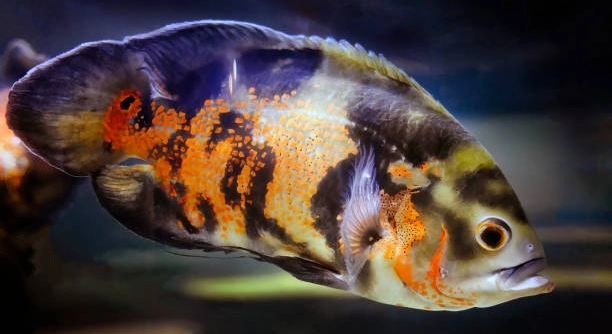
Have you ever wondered how long cichlid pairs can stay together in a tank? These colorful fish often form bonds, and observing their interactions can reveal interesting insights into their behavior and compatibility over time.
Cichlid pairs typically remain together for several months to a few years, depending on species, environmental conditions, and individual temperament. Stable water parameters, sufficient space, and compatible pairing significantly influence the duration of their bond.
Understanding the factors that affect these pairings can improve your aquarium setup and help maintain harmony among your fish. Observing their interactions provides valuable guidance for long-term care and management.
Factors That Influence Cichlid Pair Longevity
Several key factors affect how long cichlid pairs stay together. The species of cichlid plays a major role, as some are naturally more territorial while others are more social. Water quality is equally important; stable temperature, pH, and cleanliness reduce stress, helping pairs remain bonded. Tank size also matters—a cramped tank increases aggression, while a spacious one allows each fish to establish its own area. Feeding routines influence behavior too. Consistent, high-quality nutrition keeps both fish healthy and less likely to fight. Environmental enrichment, such as hiding spots and rocks, provides security and encourages natural behavior, reducing stress that could disrupt the pairing. Pair compatibility depends on individual temperament. Some fish form strong bonds quickly, while others may resist any pairing. Observing interactions early can indicate whether a bond will likely endure or require adjustment. Maintaining these conditions ensures the pair has a stable environment to thrive and stay together longer.
Even minor changes in water quality or tank conditions can disrupt a cichlid pair’s bond. Attention to details helps prevent conflicts and keeps them healthy.
Consistent observation is essential for sustaining the relationship between cichlid pairs. Watching their feeding, movement, and interaction patterns allows you to catch early signs of stress or aggression. Adjusting tank conditions, such as rearranging rocks or adding hiding spots, can reduce tension. Keeping a balanced diet supports overall health, which in turn affects behavior and compatibility. Avoiding sudden changes in water parameters or tankmates prevents unnecessary conflicts. Some species may pair naturally, while others need careful selection based on size, temperament, and age. Pairing fish at similar developmental stages often reduces dominance issues. Social signals, like following or parallel swimming, can indicate a strong bond. Conversely, chasing or repeated displays of aggression may signal incompatibility. By maintaining stable conditions and monitoring behavior, you can help cichlid pairs thrive and remain together for extended periods.
Signs That a Cichlid Pair Is Compatible
A compatible cichlid pair shows calm interactions and shared territory, with minimal aggression or chasing between the two fish.
Compatibility is seen through behavior, feeding habits, and territory sharing. Compatible pairs swim together, protect a common area, and often engage in synchronized activities. They feed side by side without conflict, and minor disagreements are quickly resolved without prolonged aggression. Watching these behaviors over time helps determine the strength of their bond. Some pairs will display nurturing behavior toward eggs or fry, indicating trust and partnership. Incompatible pairs may constantly chase or display repeated dominance, making long-term pairing difficult. Environmental factors also influence compatibility; even well-matched pairs can struggle under poor water conditions or insufficient space. Observing and maintaining appropriate conditions allows a caretaker to support strong, lasting relationships between cichlid pairs.
Pair compatibility can vary greatly by species and individual temperament. Careful observation, attention to environmental conditions, and proper tank management increase the likelihood of successful, long-lasting pairings. Understanding subtle signals like shared swimming patterns, mutual guarding, and calm feeding behavior provides insight into their relationship. Tank layout and space allocation also influence compatibility. Ensuring both fish have access to resources without constant confrontation reduces stress and promotes stability. Adjustments such as adding hiding spots, rearranging decorations, or splitting aggressive individuals can protect weaker fish. Some cichlids naturally bond for life, while others may only tolerate each other temporarily. By monitoring interactions and making informed changes, it is possible to maintain harmony. Documenting behavioral changes over time helps predict potential issues and allows for proactive care. Prioritizing water quality, nutrition, and environmental enrichment ensures the pair remains healthy, balanced, and more likely to coexist peacefully. These measures help foster a stable, lasting relationship between compatible cichlid pairs.
Common Reasons Cichlid Pairs Break Up
Stress from poor water conditions often causes pairs to separate. Overcrowded tanks or aggressive tankmates can also trigger conflicts. Even minor changes in environment, such as rearranged decorations, may disrupt their bond. Individual temperament differences sometimes prevent long-term pairing.
Aggression between cichlid pairs can escalate if one fish becomes dominant. Limited space increases territorial disputes, causing chasing or nipping that damages both fish. Incompatible feeding habits may create tension, especially if one fish is overly competitive. Environmental instability, like fluctuating temperature or pH, adds stress that undermines the bond. Observing interactions early allows intervention before conflicts worsen. Removing or separating aggressive individuals, adding hiding spots, and maintaining consistent tank conditions can prevent permanent breakup. Some species are naturally more prone to temporary pairings and may require careful monitoring.
Pair breakups are also influenced by reproductive behavior. During breeding, cichlids may become more territorial or protective, sometimes leading to separation. Lack of compatible mates for certain species limits long-term pairing success. Understanding individual needs and observing behavior helps identify risks early. Adjustments such as providing more space, hiding areas, or compatible companions can reduce stress and support longer-lasting bonds. Even minor stressors, like sudden diet changes, affect relationships. By anticipating these challenges, caretakers can help pairs maintain harmony. Knowledge of species-specific tendencies is key to promoting stability in a shared environment.
Tips to Maintain Cichlid Pair Bonds
Consistent tank maintenance and proper space allocation help pairs remain stable. Feeding routines and high-quality nutrition reduce stress and aggression. Observation of behavior allows timely adjustments to prevent conflicts.
Ensuring a calm, stable environment is crucial for maintaining cichlid pairs. Tank size should allow each fish enough territory to avoid constant competition. Providing hiding spots, rocks, or plants offers security and reduces tension. Regular water checks and cleaning prevent stress-related behavior. Feeding both fish simultaneously helps minimize disputes over food. Monitoring interactions, especially during breeding, helps identify potential issues before they escalate. Pairs that show compatible behavior benefit from this consistent care. Adjusting tank layout or adding enrichment when necessary supports their bond. Stability in all aspects of care encourages lasting relationships between compatible cichlid pairs.
Pair bonding is strengthened by understanding individual temperaments. Some cichlids need gradual introductions, while others tolerate new mates immediately. Observing subtle cues, such as following, guarding, or synchronized swimming, indicates comfort and compatibility. Environmental enrichment, including varied hiding spots and structured territories, reduces stress and prevents aggressive encounters. Maintaining consistent water parameters and feeding schedules supports health and behavior. Adjusting tankmates or space can address emerging conflicts. Providing a stable, predictable environment helps foster trust, reduces tension, and increases the likelihood that the pair remains together. Being proactive in care ensures a peaceful, lasting relationship in the aquarium.
Breeding Behavior and Pair Stability
Breeding often changes how cichlid pairs interact. Increased territorial behavior and guarding of eggs or fry can lead to temporary tension. Observing these patterns helps manage stress and prevent conflicts.
Some pairs may separate after spawning, especially if one fish becomes overly aggressive. Understanding species-specific breeding tendencies allows better management of tank conditions and pair dynamics.
Selecting Compatible Cichlid Pairs
Choosing compatible cichlid pairs requires attention to size, temperament, and species. Fish with similar behavior patterns are more likely to form stable bonds. Gradual introductions in a neutral environment help reduce initial aggression. Monitoring interactions over several weeks indicates whether the pair can coexist long-term. Providing sufficient space, hiding spots, and consistent water quality supports their relationship. Avoiding overcrowded tanks and aggressive companions minimizes stress and potential breakups. Compatibility is also influenced by age and maturity; pairing similarly aged or fully grown fish often reduces dominance conflicts. Careful observation during the first interactions is key to predicting long-term success.
Tank Environment Adjustments
Adjusting tank layout and decorations can reduce aggression. Adding hiding spaces helps both fish feel secure and lowers stress levels.
FAQ
How long do cichlid pairs usually stay together?
Cichlid pairs can stay together anywhere from several months to a few years, depending on species, temperament, and tank conditions. Stable water parameters, proper tank size, and compatible personalities increase the likelihood of a longer bond. Environmental stress or aggression can shorten the pairing.
Do all cichlid species form long-term pairs?
Not all species bond for life. Some cichlids are naturally monogamous, while others are more solitary or territorial. Species like convict cichlids and some South American types often form strong pairs, whereas certain African cichlids may only tolerate each other temporarily, especially in smaller tanks.
Can stress cause a pair to separate?
Yes, stress is a major factor. Poor water quality, overcrowding, aggressive tankmates, or sudden changes in the tank environment can increase tension. Stress may lead to chasing, nipping, or complete separation, making it essential to maintain a calm, stable habitat.
How does breeding affect pair bonds?
Breeding changes interactions significantly. Many cichlids become highly territorial and protective of eggs or fry, which can temporarily increase aggression. Some pairs may separate after spawning if one fish becomes too dominant or aggressive. Monitoring behavior during this period is crucial to prevent injury or permanent breakup.
What tank size is ideal for cichlid pairs?
Adequate space reduces aggression and supports bonding. Smaller tanks often increase territorial disputes, while larger tanks allow each fish to establish a personal area. Adding hiding spots and decorations can also create boundaries that help pairs coexist peacefully.
How do I know if my cichlid pair is compatible?
Compatible pairs display calm interactions, shared territory, and synchronized behavior. They feed together without conflict and resolve minor disputes quickly. Signs of incompatibility include constant chasing, repeated aggression, or extreme territorial behavior. Observing these patterns over time helps determine long-term compatibility.
Can diet influence pair behavior?
Yes, consistent feeding with high-quality nutrition reduces stress and competition. Unequal access to food can trigger aggression, especially if one fish is more dominant. Feeding both fish simultaneously and providing varied diet options helps maintain harmony and supports health.
Should I intervene if aggression occurs?
Intervention may be necessary. Minor disputes are normal, but persistent chasing or nipping can harm one or both fish. Adjusting tank layout, adding hiding spots, separating aggressive individuals, or reviewing water conditions can prevent long-term issues and support the pair’s stability.
Do age and size affect pairing success?
Pairing fish of similar size and age reduces dominance conflicts. Younger or smaller fish may be overpowered by larger, more mature mates, leading to stress or separation. Gradual introductions help ensure both fish feel secure and capable of maintaining a bond.
Is it normal for pairs to change over time?
Yes, cichlid relationships can evolve. Pairs may grow closer, display stronger coordination, or, in some cases, separate due to environmental stress, breeding behavior, or personality changes. Regular observation and adjustments to their habitat support longer-lasting bonds.
Can environmental enrichment improve pair bonding?
Adding rocks, plants, or hiding spaces reduces tension and provides security. Enrichment allows each fish to establish territory without constant confrontation, encourages natural behavior, and helps maintain the pair’s relationship over time.
What role does water quality play in pair stability?
Water stability is essential. Sudden fluctuations in temperature, pH, or cleanliness increase stress and aggression. Maintaining consistent parameters creates a safe environment, reduces conflict, and supports the health and longevity of the cichlid pair.
How do I manage multiple cichlid pairs in one tank?
Multiple pairs require careful planning. Each pair needs sufficient space and resources. Overcrowding increases territorial disputes and stress. Using separate zones, visual barriers, or larger tanks helps maintain harmony. Monitoring interactions ensures that all pairs remain healthy and compatible.
What are early signs a pair may break up?
Signs include constant chasing, increased aggression, refusal to share territory, or avoidance behaviors. Subtle changes, such as one fish hiding more frequently or showing less interest in feeding together, may indicate a weakening bond. Early intervention can prevent permanent separation.
Can I reintroduce a separated pair?
Reintroduction is possible if both fish are healthy and environmental conditions are ideal. Gradual reintroduction in a neutral tank with plenty of space and hiding spots reduces stress and aggression. Close observation during the initial days ensures the pairing remains stable.
How often should I monitor cichlid pairs?
Daily observation is recommended, especially in the early stages of pairing or after environmental changes. Noting behavior, feeding patterns, and territory use helps detect stress or incompatibility early, allowing timely adjustments to support a stable bond.
Do tankmates affect pair stability?
Yes, aggressive or incompatible tankmates can increase stress and trigger conflicts. Choosing peaceful species and avoiding overcrowding helps maintain the cichlid pair’s harmony. Separating or carefully selecting companions supports long-term stability in the tank.
Can breeding success indicate pair strength?
Strong pairs often show coordinated guarding and nurturing behavior during breeding. Consistent care of eggs or fry reflects trust and compatibility. However, even strong pairs may temporarily separate after breeding, so monitoring remains essential.
Are some pairs naturally short-lived?
Certain species or individual temperaments may result in temporary bonds. Understanding species tendencies and observing personality traits helps predict whether a pairing is likely to be long-term or brief, allowing better tank management and planning.
How can I prevent breakups proactively?
Providing stable water conditions, sufficient space, enrichment, compatible mates, and proper nutrition minimizes stress. Monitoring behavior, adjusting tank layout, and intervening early during disputes can prevent conflicts, helping cichlid pairs stay together longer and remain healthy.
Caring for cichlid pairs requires attention to both the fish and their environment. Their behavior and interactions are heavily influenced by the tank setup, water quality, and space. Maintaining stable water parameters such as temperature, pH, and cleanliness is essential. Even small changes can stress the fish and cause conflicts that shorten the lifespan of the pair bond. Proper tank size is equally important, as a cramped environment can increase territorial disputes and aggression. Providing enough space for each fish to establish its own area reduces stress and encourages calmer interactions. Decorations like rocks, plants, and hiding spots also play a key role in creating a secure environment. These features allow each fish to retreat when needed, which helps maintain harmony and prevents constant chasing or aggression. Observing the fish regularly is vital, as it allows early detection of stress or tension, giving time for adjustments before problems escalate.
Pair compatibility and individual temperament are also major factors in how long a cichlid pair will stay together. Some species naturally form strong bonds, while others tolerate each other only temporarily. Size and age can affect interactions, as larger or more mature fish may dominate smaller or younger partners, leading to stress. Gradual introductions and careful monitoring during the first few weeks are essential for forming a stable pair. Breeding behavior can also influence the relationship, as fish often become more territorial or protective during spawning. Some pairs may separate temporarily or permanently after breeding if aggression becomes too high. Providing a consistent feeding schedule with high-quality nutrition helps reduce competition over food, which can otherwise increase stress and cause conflicts. Watching the subtle signs of compatibility, like swimming together, guarding eggs, or feeding calmly side by side, can indicate whether the pair is likely to remain stable over time.
Long-term success with cichlid pairs depends on consistent care, observation, and adjustments when necessary. Stable water conditions, sufficient space, compatible mates, and proper nutrition all contribute to stronger bonds. Environmental enrichment supports natural behaviors and reduces tension between partners. Conflicts may still occur, but early intervention and preventive measures can help maintain harmony. Understanding the tendencies of the species and the personalities of individual fish allows caretakers to anticipate challenges and make changes that support lasting relationships. Regular observation, combined with a proactive approach to tank management, ensures that cichlid pairs can thrive together for months or even years. Attention to both the physical and behavioral needs of the fish creates a healthier, more balanced environment, giving pairs the best chance to coexist peacefully and maintain their bond over time.

Hello,
If you enjoy the content that we create, please consider saying a "Thank You!" by leaving a tip.
Every little bit helps us continue crafting quality advice that supports the health, happiness, and well-being of pets around the world, for pets of all shapes, sizes, and species.
We really appreciate the kindness and support that you show us!