
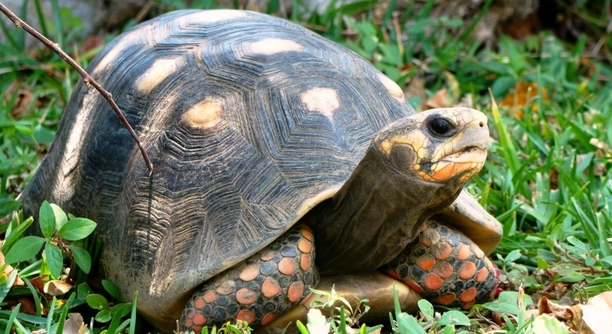
Red-footed tortoises are known for their resilience, but there are limits to how long they can go without food. Their natural environment and habits influence their ability to endure periods without eating. Knowing this is important for their care.
Red-footed tortoises can survive without food for approximately two to three months, provided they are healthy and properly hydrated. Their metabolism slows down during fasting periods, allowing them to conserve energy. However, extended fasting can lead to health complications.
Understanding how long these tortoises can go without food helps ensure their well-being. It’s essential to monitor their hydration and health during fasting periods to prevent complications.
Red-Footed Tortoise Diet and Natural Habits
Red-footed tortoises are primarily herbivores, eating a variety of fruits, leaves, flowers, and grasses. In the wild, they have access to a constant supply of food, allowing them to maintain a steady energy level. Their ability to survive without food for an extended period is linked to their slow metabolism, which helps them conserve energy when food is scarce. These tortoises are equipped to handle short periods of fasting, especially when their environment offers consistent hydration. However, prolonged food deprivation can have detrimental effects, such as weakened immunity and slower growth.
If a red-footed tortoise is unable to find food, it will rely on stored body fat for energy. This can be a slow process, but their metabolism helps them manage energy effectively. Proper hydration is critical during this time, as dehydration can speed up the process of deterioration. If the tortoise has not eaten for an extended time, their overall health could decline quickly.
In captivity, it’s important to provide food regularly to avoid unnecessary fasting. A balanced diet rich in fiber and nutrients is essential to their health. Keeping them hydrated is equally important, especially if they show signs of not eating. If they go without food for too long, it could lead to long-term health issues, including organ damage.
Signs That a Tortoise Needs Food
If your tortoise is refusing food, it could be a sign of health issues or environmental stress. It’s vital to observe closely.
Tortoises may stop eating due to changes in temperature, stress, or improper humidity levels. These environmental factors play a crucial role in their overall well-being. Red-footed tortoises are sensitive to extreme weather conditions, so keeping their habitat consistent is key. If they aren’t eating, make sure they have access to fresh food, a proper temperature range, and adequate moisture. A lack of food can stress them further, which may lead to more serious health concerns.
Impact of Fasting on Red-Footed Tortoises
Fasting for too long can cause serious health issues for red-footed tortoises. Their immune system becomes weaker, making them more susceptible to infections. Extended fasting can also cause their digestive system to slow down, leading to long-term problems with eating and digesting food.
Without food for too long, tortoises may also experience significant weight loss, which can be dangerous for their overall health. Their body relies on fat reserves for energy, but if these reserves deplete, it can affect their vital organs, slowing down their metabolism and causing internal stress. This situation can lead to permanent damage if not addressed promptly.
It’s also essential to recognize the risk of dehydration. If a tortoise is not eating, they may not be drinking enough either. Hydration plays a vital role in their metabolism and digestion. Regular access to fresh water is critical to their survival during periods of food scarcity.
How to Prevent Over-Fasting in Tortoises
To prevent over-fasting, ensure their habitat is stable. Tortoises need consistent temperatures to stay active and healthy.
The right temperature is crucial for your tortoise’s digestion and metabolism. If their environment is too cold, they may stop eating, as cold temperatures slow their metabolism. Keeping the enclosure between 75-85°F will allow them to remain active and eat normally. Additionally, make sure they have access to a variety of fresh food options. Red-footed tortoises thrive on fruits, vegetables, and high-fiber plants. By providing them with a balanced diet, you can avoid the risks associated with food deprivation.
Regular monitoring of your tortoise’s weight and behavior is also important. If your tortoise isn’t eating or losing weight, consult a veterinarian to address the problem before it gets worse.
How to Recognize Dehydration in Tortoises
Dehydration is a serious concern for red-footed tortoises, especially during periods of fasting. Signs of dehydration include dry skin, sunken eyes, and a lack of energy. It’s crucial to provide access to fresh water at all times.
If a tortoise is dehydrated, it may refuse to eat and show signs of lethargy. Ensuring they have fresh, clean water helps them stay hydrated and maintain proper bodily functions. If dehydration is not addressed, it can lead to kidney issues or organ failure. Regularly misting the enclosure also helps maintain humidity levels.
What to Do If Your Tortoise Stops Eating
If your tortoise isn’t eating, try adjusting the temperature or humidity of the enclosure. Stress can also cause a lack of appetite.
Check for signs of environmental stress such as temperature fluctuations or inappropriate humidity. Make sure the enclosure has areas for the tortoise to hide if it feels threatened. Stressful environments can impact a tortoise’s ability to eat and digest food. If environmental adjustments don’t help, consult a veterinarian to rule out health issues.
FAQ
How long can a red-footed tortoise survive without food?
A red-footed tortoise can survive without food for about two to three months, as long as it is hydrated. Their metabolism slows down in the absence of food, allowing them to conserve energy. However, if they don’t have access to water, their survival time is drastically reduced. Hydration is essential, and extended periods without food can cause severe health issues, such as weight loss, organ damage, and weakened immunity. It’s important to ensure they’re in a stable environment to help them during fasting.
What happens if a tortoise goes without food for too long?
If a tortoise goes without food for too long, it will begin to use its body fat for energy. While this is a natural survival mechanism, it can be harmful over extended periods. As the tortoise’s fat reserves deplete, it can cause strain on vital organs. The tortoise may also become weaker, more lethargic, and more vulnerable to infections. It’s important to monitor their health closely during fasting and provide food as soon as possible to avoid long-term damage.
Can a red-footed tortoise live without food and water?
A red-footed tortoise cannot survive long without both food and water. While they can endure short periods without food, water is essential for their survival. Dehydration can quickly lead to severe health issues, such as kidney failure or organ collapse. Always make sure your tortoise has access to clean water, especially if they are not eating. This will help them maintain hydration and avoid complications during fasting periods.
What are the signs that a red-footed tortoise is hungry?
A red-footed tortoise will show several signs when it is hungry, including increased activity and searching for food. They may become more active in their enclosure, moving around and exploring for food. They may also begin to show more interest in the food that is offered, sniffing it or attempting to eat it. If a tortoise is not eating despite showing these signs, there could be an underlying health or environmental issue that needs to be addressed.
How can I encourage my red-footed tortoise to eat more?
If your red-footed tortoise is not eating enough, there are a few things you can try to encourage them. First, make sure their environment is at the proper temperature and humidity. A consistent, warm environment helps stimulate their appetite. Offering a variety of fresh, healthy food options, such as fruits, vegetables, and flowers, can also make eating more appealing. If they still refuse to eat, consider adding a few treats, like dandelion greens, which may encourage them to eat. Lastly, ensure they feel safe in their environment, as stress can cause a lack of appetite.
Can stress cause a red-footed tortoise to stop eating?
Yes, stress is a common reason for a red-footed tortoise to stop eating. Tortoises are sensitive to changes in their environment, and factors like temperature fluctuations, loud noises, or the presence of other animals can cause stress. Stress can suppress their appetite and make them refuse food. To reduce stress, make sure the tortoise’s habitat is calm and stable. This includes keeping the enclosure at a consistent temperature, providing hiding spots, and ensuring there are no sudden disturbances.
How can I tell if my tortoise is dehydrated?
Dehydration in red-footed tortoises can be identified by several signs. The skin may appear dry, and the eyes may become sunken. They may also appear lethargic, moving slower than usual or avoiding activity. In severe cases, dehydration can cause constipation, where the tortoise may not be able to pass waste properly. It’s important to provide regular access to fresh water and keep their environment humid. If you suspect dehydration, soaking your tortoise in shallow water for a short time can help rehydrate them.
Is it safe to feed my tortoise human food?
While it is okay to feed red-footed tortoises some human food, it’s important to avoid giving them processed or unhealthy foods. Fruits and vegetables are good options, but be cautious with high-sugar foods like grapes or fruit juices. Tortoises need a balanced diet that mimics what they would eat in the wild, including leafy greens, flowers, and fiber-rich plants. Avoid feeding them dairy, meat, or any food that is toxic to tortoises, such as iceberg lettuce or avocado.
Can a red-footed tortoise eat too much?
Yes, like any pet, a red-footed tortoise can overeat, especially if offered too much food or high-calorie treats. Overfeeding can lead to obesity, which can cause health issues such as joint problems and organ stress. It’s important to provide them with the right amount of food and to avoid feeding them too much high-fat food. Stick to a balanced diet with a variety of vegetables, fruits, and high-fiber plants. Keep track of their weight and adjust their diet accordingly to maintain a healthy weight.
How do I make sure my red-footed tortoise is getting a balanced diet?
To ensure your red-footed tortoise is getting a balanced diet, offer a variety of fresh foods each day. Their diet should include leafy greens like collard greens, dandelion greens, and mustard greens. You can also provide flowers such as hibiscus or dandelions and fruits in moderation. Avoid high-sugar or processed foods and always ensure they have access to fresh water. Supplementing their diet with calcium-rich foods, such as kale or calcium powder, can help maintain bone health. Monitoring their eating habits and weight will also help ensure they’re getting the right nutrition.
Final Thoughts
Understanding how long red-footed tortoises can go without food is important for their care. These animals have a slower metabolism and can survive without food for two to three months, as long as they are kept hydrated. However, this should not be a regular occurrence. A healthy, well-balanced diet is essential for their overall health and well-being. If they stop eating, it could be a sign of an underlying issue, whether environmental, physical, or psychological. Regularly monitoring their eating habits can help prevent any long-term health problems.
Dehydration is another critical concern when it comes to the health of a red-footed tortoise. While they may survive for an extended period without food, going without water can quickly become dangerous. Dehydration can lead to kidney failure, lethargy, and even death. It’s essential to provide fresh water and ensure the tortoise’s habitat maintains proper humidity. If you notice signs of dehydration, such as dry skin, sunken eyes, or slow movement, immediate action is required to rehydrate them.
By paying attention to environmental factors, diet, and hydration, you can help ensure that your red-footed tortoise lives a long and healthy life. They may be able to go without food for a short period, but providing a consistent, nourishing diet is essential for their growth, energy, and happiness. If your tortoise shows any signs of distress, such as a loss of appetite or unusual behavior, it’s always a good idea to consult a vet for further advice.

Hello,
If you enjoy the content that we create, please consider saying a "Thank You!" by leaving a tip.
Every little bit helps us continue crafting quality advice that supports the health, happiness, and well-being of pets around the world, for pets of all shapes, sizes, and species.
We really appreciate the kindness and support that you show us!