
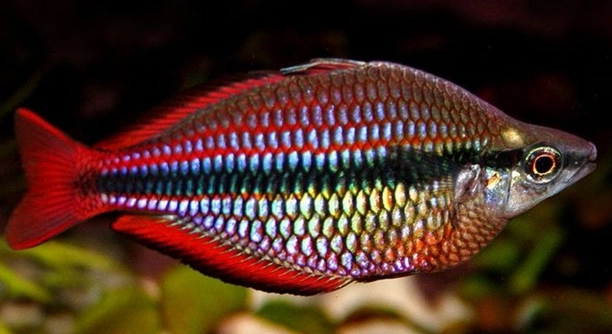
Rainbow fish are a popular choice for many aquarium enthusiasts, admired for their vibrant colors and lively nature. Caring for them requires attention to their specific needs, including their diet. So, how long can they survive without food?
Rainbow fish can typically survive for about 1 to 2 weeks without food, depending on factors like water temperature and health. Extended periods without feeding can lead to malnutrition or stress, affecting their overall well-being.
Understanding the right feeding habits is important for maintaining your rainbow fish’s health. With the right care, you can help them thrive in their aquatic home.
How Long Can Rainbow Fish Survive Without Food?
Rainbow fish can endure a short period without food, typically around 1 to 2 weeks. However, this varies depending on their health and environmental conditions. Healthy adult fish might survive for longer periods without food, but they will become weaker over time. The water temperature plays a significant role in how quickly their metabolism slows down. Warmer temperatures can increase metabolism, requiring more frequent feeding. Stress can also affect how long they can go without food. It’s essential to remember that while they may survive, it’s not a healthy or sustainable practice to withhold food from them for extended periods.
Even though rainbow fish may survive without food for a short time, it’s not ideal for their overall health. Missing meals for a few days may not show obvious effects, but long-term lack of nutrition can lead to malnutrition and weakened immune systems. Fish depend on consistent food intake to remain strong and vibrant.
If you need to leave your rainbow fish for a while, consider using an automatic fish feeder or asking someone to help. It’s crucial to ensure they get the right amount of nutrition even when you are not around. Additionally, the type of food you provide matters. Feeding them high-quality pellets, flakes, or live food helps keep them energized and healthy. Always ensure your fish are fed according to their specific needs for optimal health.
Can Stress Impact Their Ability to Go Without Food?
Rainbow fish are quite sensitive to changes in their environment, and stress can impact their ability to go without food. When they are stressed, their immune system weakens, making them more vulnerable to diseases. This can shorten their survival time without food and further harm their health.
Fish that experience stress may also stop eating altogether, making it even harder for them to recover from an extended period without food. Stress factors can range from poor water quality, overcrowding, to sudden changes in temperature. Addressing the root causes of stress is essential in ensuring your rainbow fish thrive in the long run.
Impact of Water Quality on Survival Without Food
Water quality plays a significant role in how long your rainbow fish can survive without food. Poor water conditions can cause stress, which weakens their immune system. This makes it harder for them to cope without food for extended periods. Clean, well-maintained water ensures that they remain healthy even during temporary food shortages.
Good water quality helps maintain a stable environment that supports your fish’s health. Ensuring proper filtration, maintaining correct pH levels, and checking for ammonia or nitrite spikes will keep your rainbow fish in a better state to endure short periods without food. Healthy water reduces stress, allowing your fish to be more resilient.
Additionally, it’s important to keep water temperatures consistent. Fluctuations in temperature can cause unnecessary stress, leading to a decrease in your fish’s ability to go without food. Regular water changes and monitoring will help prevent harmful conditions and allow your rainbow fish to stay strong. Never overlook the importance of good water quality.
Feeding Schedules and Their Effect on Survival Time
Keeping a consistent feeding schedule for your rainbow fish helps maintain their health. Regular meals allow them to build up energy reserves that can last longer in the event they miss a meal. Without a stable feeding routine, your fish may struggle with food deprivation.
Rainbow fish rely on regular feeding for consistent energy levels. A sudden change in feeding habits can cause stress, impacting their overall well-being. To make sure your fish are in good health, feed them once or twice daily, offering a balanced diet of high-quality flakes, pellets, and occasional live food. This routine helps prevent overfeeding, keeping them at an ideal weight and reducing the risk of obesity or other health issues.
Maintaining a healthy diet through consistent feeding times ensures that your rainbow fish are strong and can endure periods of food scarcity without harming their long-term health. The right amount of food supports their immune system, helping them stay energetic and vibrant.
How Rainbow Fish Store Energy for Survival
Rainbow fish, like other species, store energy in their bodies. This stored energy comes from the food they eat, mainly in the form of fat. When they go without food, they use these fat reserves to stay alive for a limited period.
Fat reserves allow rainbow fish to survive short periods without food. However, this energy is not unlimited. The longer they go without food, the more their fat stores are depleted. Once these reserves are gone, their health begins to deteriorate. Therefore, it’s important to ensure that your fish are fed regularly to maintain these vital energy stores.
How Age Affects Their Ability to Survive Without Food
Younger rainbow fish typically have a higher metabolism and require more frequent feeding. As they age, their metabolic rate slows down, meaning they can survive a little longer without food. However, older fish are also more prone to health issues, making extended periods without food more dangerous for them.
Older rainbow fish may also be less resilient to stress, which impacts their ability to cope with food deprivation. Their energy reserves may not last as long, so regular feeding is crucial for their well-being. A balanced diet is especially important as they age to ensure their immune systems remain strong.
Signs of Malnutrition in Rainbow Fish
When rainbow fish go without food for too long, they may begin showing signs of malnutrition. These include reduced activity levels, fading colors, and a lack of interest in swimming. Their immune system also weakens, leaving them vulnerable to disease.
Malnutrition can also lead to emaciation. You may notice that your rainbow fish become visibly thinner, with noticeable weight loss around their body and fins. If they appear lethargic or inactive, this could be an indication that they are not getting enough nutrition. Ensure they receive a balanced diet to avoid these issues.
FAQ
How long can rainbow fish go without food?
Rainbow fish can survive without food for around 1 to 2 weeks, depending on their health, water conditions, and age. In general, they will use stored energy from fat reserves during this time. However, this isn’t ideal, as long periods without food can lead to weakened immune systems and health problems. It’s important to avoid letting them go hungry for extended periods to ensure they remain healthy.
Can I leave my rainbow fish without food for a weekend?
Yes, rainbow fish can usually go without food for a weekend, especially if they are healthy adults. If you’re only leaving them for a couple of days, it shouldn’t cause any significant harm. Make sure the water quality is optimal before you leave, as poor water conditions can add stress, making it harder for your fish to handle food deprivation. A good automatic feeder can also help if you want to make sure they are fed while you’re away.
Does water temperature affect how long rainbow fish can go without food?
Yes, water temperature has a significant impact on how long rainbow fish can go without food. Warmer temperatures increase the fish’s metabolism, meaning they will burn through energy reserves faster. In cooler water, their metabolism slows down, allowing them to survive for longer without food. Therefore, maintaining a stable water temperature is crucial in keeping your fish healthy during periods of food scarcity.
What happens if I overfeed my rainbow fish?
Overfeeding rainbow fish can lead to several health issues, including obesity, poor water quality, and increased waste. Excess food that isn’t eaten can decompose in the tank, leading to spikes in harmful chemicals like ammonia, nitrites, and nitrates. This can stress your fish and make them more vulnerable to disease. It’s important to feed them just enough to meet their nutritional needs and remove any uneaten food from the tank.
How can I ensure my rainbow fish are well-fed while I’m away for longer periods?
If you’re going to be away for longer than a weekend, there are a few options to ensure your rainbow fish are properly fed. An automatic fish feeder can provide scheduled meals for your fish while you’re gone. Alternatively, you could ask a trusted friend or neighbor to come by and feed your fish regularly. Before leaving, make sure you have a good plan for water quality maintenance, as stagnant or poor-quality water can also cause issues for your fish.
What type of food is best for rainbow fish?
Rainbow fish thrive on a variety of foods, including high-quality pellets, flakes, and live or frozen foods. A balanced diet is essential for their health and vibrancy. Flakes and pellets are a great base, but supplementing their diet with live food such as brine shrimp or bloodworms will provide additional nutrients and keep them active. Offering a variety of foods will help meet all of their nutritional needs.
Can rainbow fish go without food if they are sick?
Sick rainbow fish may struggle even more with food deprivation. When they’re unwell, their immune systems are weakened, and they may not have the energy reserves to cope with extended periods without food. If your fish are sick, it’s important to treat the underlying health issues first and try to get them eating again as soon as possible. Providing them with easy-to-digest foods and maintaining good water quality will support their recovery.
Do rainbow fish eat plants or only meat?
Rainbow fish are omnivores, meaning they eat both plant and animal-based foods. In the wild, they consume a mix of algae, plant matter, and small invertebrates. In captivity, you can feed them a variety of foods, including plant-based options like blanched vegetables (spinach, zucchini), along with high-quality pellets, flakes, and occasional live or frozen foods like brine shrimp and bloodworms. A balanced diet that includes both plant and animal matter will keep your rainbow fish healthy and vibrant.
What should I do if my rainbow fish stop eating?
If your rainbow fish stop eating, there could be several reasons behind it. Stress, water quality issues, or illness are common causes. First, check the water parameters like pH, ammonia, nitrite, and nitrate levels, as poor water quality can cause fish to lose their appetite. If the water is fine, examine the fish for signs of illness and consider consulting a veterinarian who specializes in fish. In some cases, offering different types of food or reducing stress in the tank can help stimulate their appetite.
Can rainbow fish eat the same food every day?
Rainbow fish can eat the same food every day, as long as the food is nutritionally balanced. However, providing variety in their diet is a good practice to ensure they receive all the necessary nutrients. Offering different types of food, such as flakes, pellets, and live or frozen foods, will keep them healthy and prevent them from becoming bored with their meals. Rotation of foods also helps mimic the natural diet they would have in the wild.
How do I know if my rainbow fish are getting enough food?
Rainbow fish are usually active and vibrant when they are properly fed. If they are always hungry, constantly begging for food, or have become lethargic, this might indicate that they are not getting enough nutrition. Additionally, keep an eye on their body condition. If they are visibly losing weight or seem to be wasting away, they may need more food or a different type of diet.
Final Thoughts
Rainbow fish are resilient creatures, but like any other fish, they have specific needs to thrive. Although they can survive without food for a short time, it’s not something they can handle long-term. The key to their well-being lies in a consistent feeding routine, proper water quality, and a stable environment. If you plan to leave them for any extended period, it’s crucial to plan ahead, whether that means using an automatic feeder or asking someone to help feed them. Taking these steps ensures that your rainbow fish stay healthy and strong.
Understanding how different factors like water quality, temperature, and stress affect their ability to go without food is important. Rainbow fish depend on their fat reserves to survive during periods without food, but this is only a temporary solution. Without regular feeding, their health can quickly decline, making it essential to avoid letting them go hungry for too long. Maintaining a well-balanced diet and keeping water conditions optimal will keep them in top shape. Remember, a healthy environment contributes significantly to their overall resilience.
Finally, while it’s good to know that rainbow fish can go without food for a short period, it’s never a good idea to test these limits. Consistency in feeding, water maintenance, and careful attention to their health will allow your fish to thrive in the long term. By ensuring they receive the right care, you can enjoy watching them swim happily in your tank for many years.

Hello,
If you enjoy the content that we create, please consider saying a "Thank You!" by leaving a tip.
Every little bit helps us continue crafting quality advice that supports the health, happiness, and well-being of pets around the world, for pets of all shapes, sizes, and species.
We really appreciate the kindness and support that you show us!