
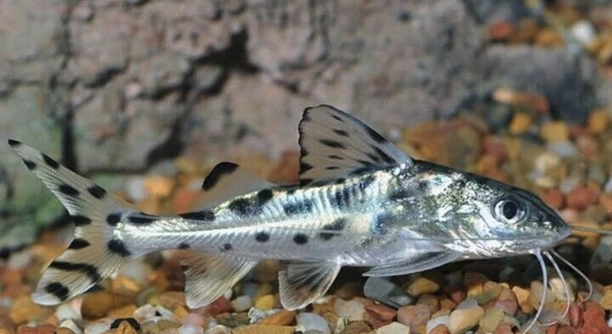
Pictus catfish are popular freshwater fish known for their active nature and peaceful temperament. Many aquarium owners enjoy their presence but may wonder about their care needs, especially regarding how long these fish can go without food. Understanding this helps ensure their health during short absences or feeding interruptions.
Pictus catfish can typically survive without food for about one to two weeks, depending on their age, health, and tank conditions. Extended fasting beyond this period may cause stress and negatively affect their immune system, so regular feeding is essential for their well-being.
Knowing how long your pictus catfish can safely go without food helps you plan for feeding schedules and emergencies. This information supports responsible fishkeeping and promotes a healthy environment for your aquatic pets.
Factors That Affect How Long Pictus Catfish Can Go Without Food
Several factors influence how long a pictus catfish can survive without food. Age is one of the most important. Younger fish need food more frequently because they are still growing and burning energy fast. Older pictus catfish, on the other hand, can handle longer periods without eating. The fish’s overall health also plays a role. A healthy fish will better cope with fasting than one that is stressed or ill. Tank conditions matter as well; clean water with stable temperatures helps the fish conserve energy. If the water quality is poor or temperatures fluctuate, the fish may use up energy faster, requiring food sooner. Lastly, the fish’s activity level affects its needs. Pictus catfish are naturally active, so they generally require regular feeding. Keeping these factors in mind helps avoid accidental over- or underfeeding during short absences.
Age, health, tank conditions, and activity level all determine a pictus catfish’s tolerance to fasting.
Understanding these factors makes it easier to care for your fish properly and avoid risks associated with missed feedings.
Signs Your Pictus Catfish Needs Feeding
Pictus catfish show clear signs when they are hungry or underfed. One common sign is increased activity around feeding times, where they swim eagerly near the surface or front of the tank. They may also become more aggressive toward tank mates during feeding, which is unusual for their normally peaceful behavior. A loss of weight or thinning body shape can indicate longer-term food deprivation. Another sign is reduced energy or sluggishness, as the fish conserve resources when food is scarce. Watching your fish closely for these behaviors helps you respond quickly if feedings have been missed. Prompt feeding after noticing these signs supports their health and reduces stress, making sure your pictus catfish stays happy and active in the aquarium.
Regular observation of your pictus catfish’s behavior is key to knowing when it needs food. Responding to these signs quickly helps maintain its health.
Missing meals can weaken your fish over time, so it’s important to keep feeding consistent. If you plan to be away, consider arranging a feeding schedule with someone you trust or using automatic feeders designed for aquarium fish. Balancing feeding frequency with your fish’s needs ensures it remains healthy without the risk of overfeeding, which can lead to water quality issues. Always provide high-quality food that meets their dietary requirements. By monitoring your pictus catfish and adjusting care routines accordingly, you create an environment where your fish thrives even during short periods without direct feeding.
How to Prepare Your Pictus Catfish for Short Fasting Periods
Short fasting periods can be managed safely if planned well. Reducing feeding gradually a few days before the fasting helps the fish adjust. Make sure the tank is clean and water quality is stable. This lowers stress and supports the fish’s metabolism during fasting.
When preparing for a short fast, monitor your pictus catfish’s behavior closely. Gradual reduction in food prevents sudden hunger shocks. Clean water reduces toxins that may weaken the fish while it is not eating. Avoid overfeeding just before the fast, as leftover food can pollute the water. Keeping the environment calm helps your fish stay healthy and reduces energy needs, making fasting less stressful.
Additionally, ensure all tank mates are healthy to avoid competition that might cause stress. During fasting, observe the fish daily for any unusual signs such as lethargy or rapid breathing. Respond quickly to changes by checking water parameters or resuming feeding if necessary. Planning carefully keeps your pictus catfish in good condition during unavoidable feeding breaks.
Best Foods for Feeding Pictus Catfish After Fasting
High-quality, protein-rich foods are ideal after a fasting period. Bloodworms, brine shrimp, and specially formulated sinking pellets support their natural diet and help them regain strength quickly.
It’s important to feed small portions initially to avoid digestive upset. After fasting, the fish’s digestive system may be sensitive, so slow reintroduction of food prevents stress. Sinking pellets match their bottom-feeding habits, while frozen or live foods like bloodworms provide essential nutrients and stimulate natural hunting behavior. Avoid overfeeding as this can cause bloating or water quality problems. Feeding in moderation ensures a smooth recovery.
Offering variety in their diet benefits their overall health. Including occasional vegetables like blanched zucchini or peas adds fiber to their diet and aids digestion. A balanced diet strengthens the immune system and helps your pictus catfish stay active and vibrant. Consistency in quality feeding after fasting is key to their well-being.
Effects of Prolonged Fasting on Pictus Catfish
Prolonged fasting can weaken a pictus catfish’s immune system, making it more vulnerable to diseases. Lack of nutrients reduces energy and slows recovery from illness or injury.
Extended periods without food also cause muscle loss and decreased activity. Over time, this can affect their overall health and lifespan, so avoiding long fasting is important.
Feeding Frequency Recommendations
Feeding pictus catfish once or twice daily is ideal. Small portions that the fish can finish within a few minutes prevent overfeeding and water pollution.
Maintaining this routine supports their active lifestyle and keeps them healthy. Adjust feeding frequency based on age and tank conditions to meet their specific needs.
How to Monitor Your Fish’s Health After Fasting
Watch for changes in behavior, appetite, and appearance. Healthy pictus catfish remain active, alert, and maintain a consistent body shape.
Early detection of problems allows for quick intervention, ensuring your fish recovers well after fasting.
FAQ
How long can a pictus catfish go without food safely?
A healthy pictus catfish can usually go without food for about one to two weeks without serious problems. This depends on factors like age, tank conditions, and overall health. Younger or sick fish need feeding more often and can’t tolerate long fasting periods.
What happens if I accidentally miss feeding my pictus catfish for a day?
Missing a single feeding usually won’t harm your fish. Pictus catfish are adaptable and can handle short breaks in feeding. However, avoid making it a habit because frequent missed meals may stress the fish and weaken its immune system.
Can pictus catfish survive longer without food in cooler water?
Cooler water can slow down a fish’s metabolism, reducing its energy needs. This might help a pictus catfish survive a bit longer without food. But water that’s too cold can cause other health issues, so maintaining a proper temperature range is essential.
Is it better to fast pictus catfish occasionally?
Occasional fasting is generally safe and can mimic natural conditions where food isn’t always abundant. It may even help clean their digestive system. However, fasting should never be long-term or frequent, as it can lead to malnutrition.
How should I feed my pictus catfish after a fasting period?
Start by offering small amounts of high-quality food like sinking pellets or bloodworms. Feeding too much at once can upset their stomach. Gradually increase the amount over a few days as the fish’s digestive system adjusts.
What signs show that a pictus catfish is hungry?
Hungry pictus catfish often become more active during feeding times, swimming near the surface or tank front. They may also nip at tank mates or show increased movement. A healthy appetite is a good sign, but watch for aggressive behavior as a warning.
Can pictus catfish go without food during vacations?
For short vacations of a few days, pictus catfish can manage without food if they are healthy and the tank is well-maintained. For longer trips, using an automatic feeder or asking someone to feed the fish is recommended to avoid stress and health risks.
What foods are best to keep pictus catfish healthy?
A varied diet of sinking pellets, live or frozen bloodworms, brine shrimp, and occasional vegetables like peas is best. This diet meets their protein needs and keeps them active. Avoid overfeeding to prevent water quality issues.
How often should I feed adult pictus catfish?
Adult pictus catfish do well with one to two feedings per day. Small portions that they finish quickly are ideal to avoid leftover food polluting the tank. Adjust feeding frequency if the fish show signs of being too hungry or too full.
Can pictus catfish survive without food if the tank conditions are poor?
Poor tank conditions increase stress and energy use, reducing how long a fish can survive without food. It’s important to keep the water clean and temperature stable to support your pictus catfish’s health, especially during feeding breaks.
What is the risk of overfeeding pictus catfish?
Overfeeding can lead to obesity, poor water quality, and bacterial growth. These problems increase stress and can cause illness. Feeding the right amount keeps the fish healthy and the tank environment stable.
How do I know if my pictus catfish is recovering well after fasting?
A healthy recovery shows in the fish’s normal swimming behavior, steady appetite, and clear eyes. Weight should stabilize, and activity levels should return to usual. If your fish remains lethargic or loses weight, it may need extra care.
Pictus catfish are hardy and adaptable fish, but like all pets, they need consistent care to thrive. Understanding how long they can safely go without food is important for any aquarium keeper. While these fish can survive short fasting periods of up to two weeks, this depends on several factors such as their age, health, and the quality of their tank environment. Missing a single meal occasionally won’t harm them, but regular feeding is essential to keep them active and healthy. Careful attention to feeding routines helps prevent stress and keeps their immune system strong.
When planning for times you cannot feed your pictus catfish, preparation is key. Gradually reducing food before a short fast helps the fish adjust. Maintaining clean water and stable temperatures reduces their energy needs and stress. After fasting, it’s best to offer small amounts of high-quality food like sinking pellets or bloodworms. This supports digestion and helps them regain strength without upsetting their system. Overfeeding, even after a fast, should be avoided to prevent water pollution and health problems.
Regular observation of your pictus catfish’s behavior and physical condition helps you provide the best care. Signs of hunger, illness, or stress should be addressed quickly to ensure their well-being. Keeping a balanced feeding schedule tailored to their needs supports long-term health. By understanding their feeding habits and how fasting affects them, you can create a stable environment where your pictus catfish thrive. This knowledge allows for better planning and a more enjoyable experience as you care for these active and interesting fish.

Hello,
If you enjoy the content that we create, please consider saying a "Thank You!" by leaving a tip.
Every little bit helps us continue crafting quality advice that supports the health, happiness, and well-being of pets around the world, for pets of all shapes, sizes, and species.
We really appreciate the kindness and support that you show us!