
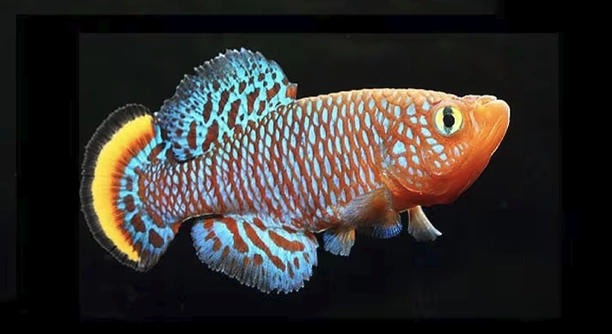
Killis are small, colorful fish often kept in home aquariums. Their care involves understanding their feeding habits and how long they can go without food. This information helps keep them healthy and thriving in captivity.
Killis can generally survive without food for about one to two weeks, depending on factors like age, water temperature, and overall health. Prolonged fasting should be avoided to prevent stress and weaken their immune system.
Knowing how long killis can safely go without eating is important for maintaining their well-being. This article will explain what affects their fasting tolerance and how to care for them during such periods.
Factors Affecting How Long Killis Can Go Without Food
Several factors influence how long killis can survive without eating. Their age plays a key role—young killis need food more frequently because they grow rapidly. Water temperature also matters; higher temperatures speed up their metabolism, causing them to use energy faster. In cooler water, killis tend to slow down, conserving energy and lasting longer without food. The overall health of the fish is another important factor. A strong, healthy killifish can tolerate fasting better than one that is weak or stressed. Additionally, the type of killis species can affect their endurance, as some are hardier than others. It is important to monitor your fish closely during times when food is not available. Keep the water clean and stable, as stress from poor conditions can reduce their ability to survive without eating. Understanding these factors helps ensure killis stay healthy through short fasting periods.
Stress and poor water conditions reduce killis’ fasting tolerance significantly.
When killis go without food, their bodies start using stored energy to survive. If fasting continues too long, they weaken and their immune system suffers. This makes them more vulnerable to diseases. To prevent health issues, it is best not to let killis fast for more than two weeks. During short fasting periods, maintain optimal tank conditions. Regular water changes and stable temperatures reduce stress. Feeding small amounts after fasting helps them recover quickly. Observing their behavior can indicate if they are coping well or struggling. Killis that appear lethargic or show signs of illness may need immediate feeding and care. Providing a balanced diet regularly is the best way to keep killis healthy and energetic. Fasting should only be done intentionally and under controlled conditions, such as before water changes or transport. Keeping these details in mind ensures your killis live longer and remain vibrant.
Signs That Killis Are Ready to Eat Again
Killis will show clear signs when they need food after fasting. They may swim more actively near the surface or follow movements around the tank eagerly. Watching these behaviors can help you know the right time to feed them again.
When killis have been fasting, it is important to reintroduce food gradually. Start with small portions of easily digestible food to avoid upsetting their system. Overfeeding after fasting can cause digestive problems and stress. Use high-quality flakes or frozen foods designed for killis to provide proper nutrition. Feeding several small meals over a day helps them adjust better than one large feeding. Keep observing their behavior and health after feeding. If they eat well and remain active, the fasting period has ended successfully. Regular feeding schedules afterward will maintain their energy and health. Careful monitoring and feeding can prevent long-term problems caused by extended fasting or sudden diet changes.
Preparing Your Killis for Fasting Periods
Preparing killis before a fasting period helps reduce stress and health risks. Gradually reduce feeding a few days ahead to ease their metabolism into the break. Ensure the tank environment is stable, with clean water and proper temperature to support their well-being during fasting.
A slow reduction in food allows killis to adjust without shock. Sudden fasting can cause unnecessary stress, weakening their immune system. Monitor water quality closely, as clean water minimizes additional challenges to their health. Removing uneaten food promptly keeps the tank clean and prevents harmful bacteria growth. Adjust lighting to mimic natural cycles, which can help reduce killis’ activity levels and energy use during fasting. These steps create a safer environment, allowing killis to endure fasting periods more comfortably and return to normal feeding with less difficulty.
If fasting is planned around tank maintenance or travel, keep a consistent routine. Avoid introducing new fish or making major changes during fasting. Stress from multiple factors can combine and harm killis. Maintain gentle handling and minimal disturbance until regular feeding resumes to support recovery.
Feeding Tips After Fasting
Start feeding killis with small amounts after fasting to avoid digestive upset. Their digestive system slows down during fasting, and overfeeding can cause bloating or illness. Use easily digestible foods like finely crushed flakes or live foods to encourage appetite and proper digestion.
Feed killis multiple small meals a day rather than one large feeding. This approach helps their system adjust gradually. Observe their response to food and avoid leftover scraps that can degrade water quality. If killis show hesitation or poor appetite, try offering different food types or adjusting feeding times. Consistent, moderate feeding supports their recovery and restores energy levels effectively.
Avoid abrupt diet changes after fasting. Keep feeding consistent with their usual diet to prevent stress. Providing a balanced and nutritious diet helps maintain their health and supports long-term vitality. Regular monitoring ensures their needs are met as they return to normal eating habits.
Common Mistakes During Killis Fasting
One common mistake is fasting killis for too long. Extending fasting beyond two weeks can weaken their immune system. Another error is not maintaining water quality during fasting, which can cause stress and illness.
Overfeeding immediately after fasting is also problematic. It can lead to digestive issues and poor water conditions.
How to Recognize Stress in Killis
Stress in killis often shows through changes in behavior and appearance. They may hide more, swim erratically, or lose their bright colors. Rapid gill movement and loss of appetite are also signs of distress. Recognizing these signs early helps prevent serious health problems.
Best Practices for Killis Care
Regular water changes and stable temperature are key to killis health. Consistent feeding routines support their well-being. Avoid overcrowding and monitor for signs of illness to keep the tank environment safe.
Tank Setup Tips for Killis
A well-planted tank with hiding spots reduces stress. Use gentle filtration to maintain clean water without strong currents. Proper lighting and temperature control create a comfortable habitat for killis.
How long can killis go without food?
Killis can typically survive without food for about one to two weeks. This depends on factors like their age, species, water temperature, and overall health. Younger killis and those in warmer water usually need food more often because their metabolism is faster. It is important not to extend fasting beyond two weeks to avoid weakening their immune system.
What happens if I fast my killis for too long?
Fasting killis for too long can cause them to become weak and stressed. Their bodies will start using stored energy, and if this continues, they may lose color, become lethargic, and have a weakened immune response. This makes them more vulnerable to disease and other health problems. Prolonged fasting can also slow down their growth and reduce their lifespan.
Can killis fast during tank maintenance or travel?
Yes, killis can tolerate short fasting periods during tank maintenance or transport. These situations often disrupt feeding routines, so fasting helps prevent water pollution from uneaten food. However, it is crucial to keep fasting periods brief and maintain clean water and stable temperatures to reduce stress on the fish.
How do I know when to feed killis after fasting?
Killis will show signs when they are ready to eat again. They may swim actively near the surface or follow movements around the tank. Start feeding small amounts of easily digestible food to avoid overwhelming their digestive system. Gradually increase food amounts over a few days until they return to their normal feeding routine.
What foods are best to feed killis after fasting?
After fasting, offer high-quality flakes, frozen foods, or live foods such as brine shrimp or daphnia. These options are nutritious and easy to digest. Avoid overfeeding, which can cause digestive upset. Feeding small portions several times a day helps killis adjust and recover energy without stress.
Can fasting killis help with health issues?
Occasional short fasting can sometimes help clear digestive problems or reduce waste buildup in the tank. It gives the fish’s digestive system a break and helps maintain cleaner water. However, fasting should never replace proper care, good nutrition, or tank maintenance.
How do water conditions affect killis during fasting?
Water quality is critical when killis are fasting. Poor water conditions add stress and weaken their ability to cope without food. Regular water changes, proper filtration, and stable temperature help maintain a healthy environment. Clean water supports killis’ immune systems and prevents disease during fasting.
Is fasting stressful for killis?
Fasting can cause mild stress if not managed carefully. Preparing killis by gradually reducing food before fasting helps minimize stress. Keeping tank conditions optimal also reduces the strain on their bodies. Avoid combining fasting with other stressful events like tank moves or introducing new fish.
Can killis survive without food if the owner is away?
Killis can survive short periods without food, such as a weekend or a few days when an owner is away. For longer absences, it is best to arrange for someone to feed them or use automatic feeders. Extended fasting without preparation may harm their health.
What signs indicate killis are suffering from fasting?
Look for lethargy, faded colors, loss of appetite, hiding more often, or erratic swimming. Rapid gill movements or clamped fins can also indicate stress. These signs mean fasting has gone too long or conditions are not ideal, and immediate action is needed to restore feeding and water quality.
Can fasting affect killis breeding?
Yes, fasting can reduce breeding activity. Killis need good nutrition to develop eggs and maintain spawning behavior. Fasting for too long can delay or stop breeding. If you plan to breed killis, avoid fasting periods near spawning time and provide a nutritious diet consistently.
How often should killis be fed normally?
Under normal conditions, adult killis should be fed once or twice a day. Young or breeding killis may require more frequent feedings. Providing small portions that they can eat within a few minutes helps prevent overfeeding and maintains water quality.
What is the safest way to fast killis?
The safest fasting involves gradually reducing food a few days before stopping feedings, maintaining excellent water conditions, and monitoring their behavior. Keep fasting periods short, preferably no longer than one to two weeks. Resume feeding slowly and watch for signs of health or stress problems.
Can fasting killis help with water quality issues?
Fasting reduces the amount of waste produced in the tank because less uneaten food and fish waste accumulate. This can improve water quality temporarily. However, fasting alone is not a solution for poor tank management, which requires regular cleaning and maintenance.
Are some killis species more tolerant of fasting?
Yes, some killis species are hardier and can tolerate longer fasting periods better than others. Factors such as natural habitat, metabolism, and size play a role. It’s important to know the specific needs of your killis species and adjust care accordingly.
What should I do if my killis refuse to eat after fasting?
If killis hesitate to eat after fasting, try offering different types of food, such as live or frozen options, to stimulate their appetite. Feed smaller amounts more frequently and maintain stable tank conditions. If refusal continues, check for signs of illness or stress and address water quality or health issues promptly.
Understanding how long killis can go without food is important for their proper care. These small fish are fairly resilient and can survive fasting periods of up to two weeks under the right conditions. However, many factors influence this ability, including their age, water temperature, and overall health. Younger killis and those in warmer water tend to need food more often due to faster metabolism. It is important to avoid prolonged fasting because it can cause stress and weaken their immune system. By knowing how to manage feeding and fasting carefully, you help keep killis healthy and active.
Proper preparation and tank maintenance are essential when killis need to fast. Gradually reducing feeding before a fasting period helps their metabolism adjust without shock. Keeping water quality high with regular changes and stable temperatures supports their well-being during times without food. After fasting, it is best to reintroduce food slowly and in small amounts. Overfeeding right after a fast can cause digestive problems and stress the fish. Watching their behavior closely allows you to recognize when they are ready to eat again and ensures a smooth return to regular feeding.
Overall, killis require careful attention to their feeding habits and environment to thrive. Short fasting periods can be tolerated if managed well, but long or unplanned fasting can harm their health. Maintaining clean water, stable tank conditions, and a consistent feeding schedule will support your killis’ vitality. Being aware of signs of stress and adjusting care accordingly helps prevent issues related to fasting. This knowledge allows you to provide the best care for your killis, ensuring they remain vibrant and healthy in your aquarium.

Hello,
If you enjoy the content that we create, please consider saying a "Thank You!" by leaving a tip.
Every little bit helps us continue crafting quality advice that supports the health, happiness, and well-being of pets around the world, for pets of all shapes, sizes, and species.
We really appreciate the kindness and support that you show us!