
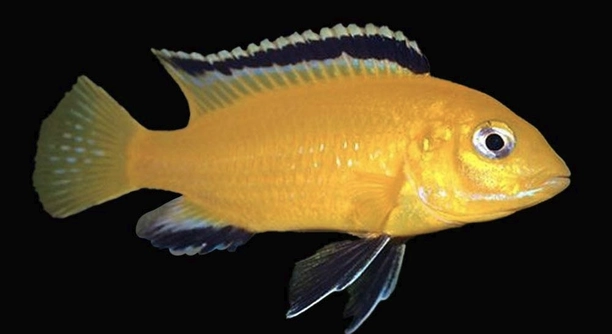
Have you ever needed to leave home for a few days and wondered how your cichlids would manage without their regular feeding?
Cichlids can survive without food for up to 7 to 10 days, depending on their age, health, and tank conditions. However, regular feeding remains essential for their long-term health, growth, and overall well-being.
Learning how to support your cichlids during short absences helps maintain their health and reduce stress in your aquarium environment.
How Cichlids Handle Short Periods Without Food
Cichlids are fairly resilient fish and can manage without food for several days, especially if they are healthy and well-fed beforehand. In most cases, adult cichlids can go 7 to 10 days without eating, although younger fish may not last as long due to their higher energy needs. If you’re planning a short trip, they will typically be fine without a sitter. Just make sure the tank is clean and the water parameters are stable before you leave. Stress can weaken their immune system, so it’s important to maintain a calm environment. Avoid overfeeding them before leaving, as leftover food can lead to poor water quality. Using an automatic feeder is another option, but only if it’s set up properly and doesn’t dispense too much food at once.
You don’t have to worry right away if your cichlids miss a meal or two. They’re used to natural periods of food scarcity.
If your tank is well-maintained and your cichlids are in good health, skipping food for a few days won’t cause serious harm. Their bodies can adjust to short-term fasting by slowing their metabolism. You may notice less activity during this time, which is normal. They conserve energy when food is limited. However, it’s still a good idea to observe them after your return. Make sure they respond well to feeding and appear active and alert. If they ignore food or act sluggish for too long, it might point to stress or illness. In general, planning ahead and knowing your fish’s behavior will help you feel more confident leaving them for short periods without food.
When Fasting Becomes a Concern
If your cichlids are young or already weak, even a short fast can be harmful. Watch for signs like loss of color or sunken bellies.
Cichlids are adaptable, but extended fasting can lead to long-term health problems. Beyond 10 days without food, they begin to lose body mass and show signs of malnutrition. This includes dull coloration, weakened immunity, and reduced activity. Young cichlids, in particular, have higher metabolic needs and should not go without food for more than a few days. If you anticipate a longer absence, it’s important to plan ahead. Automatic feeders, trusted care from someone experienced, or slow-release vacation feeders can help keep them nourished. However, some of these solutions can pose their own risks if not used properly. For instance, vacation feeders may dissolve unevenly and affect water quality. Regular observation is also lost during extended absences, meaning signs of illness or stress can be missed. Preparing your tank in advance and knowing your cichlids’ usual behavior helps reduce potential risks when you can’t feed them on schedule.
Preparing Your Tank Before a Short Trip
Before leaving, do a partial water change and clean the tank to maintain water quality. Check the filter, temperature, and pH levels to avoid sudden changes while you’re away. Stability helps reduce stress when food is temporarily unavailable.
Make sure your filter is working efficiently, and remove any uneaten food or waste from the substrate. A clean tank helps prevent ammonia spikes that could harm your cichlids in your absence. Check for any signs of illness or injury before you go. If anything seems off, delay your trip or arrange care. Test your water for nitrate, nitrite, and ammonia levels. Secure the tank lid and double-check all equipment. Set a timer for your aquarium lights so your fish maintain a consistent day-night cycle. Light control helps them stay calm and maintain their routine, even if you’re not around.
If you’re using an automatic feeder, test it a few days before leaving. Make sure it dispenses the correct amount and works on time. Too much food can spoil the water, while too little might not support their needs. Place it in a spot where food drops evenly across the tank. Avoid placing it over areas with low flow, as food can accumulate and rot. If you’re skipping the feeder, feed your cichlids as usual the day before leaving—do not overfeed. Overfeeding before a break won’t help and may cause bloating or water issues. A calm, clean, and stable tank gives your cichlids the best chance to stay healthy while you’re away.
Recognizing When Something’s Wrong
If your cichlid becomes less active, hides more often, or stops eating after you return, something may be off. Stress, poor water quality, or illness can all cause these signs.
Once you’re back, observe your cichlids closely during feeding time. Healthy fish will approach food eagerly, while stressed or sick ones may stay in hiding or ignore it. Check for faded colors, clamped fins, or unusual swimming patterns. These could be signs of illness that developed during your absence. Test your water again to rule out poor conditions as the cause. If everything seems normal but the fish still act off, continue monitoring them for another day or two. Sometimes they just need time to adjust. If symptoms persist, consider separating the affected fish and seeking advice from an aquarium professional or vet. Acting early can help prevent serious health problems and restore balance in your tank.
Feeding Options During Absences
An automatic fish feeder is useful for short trips if it’s reliable and properly set. Always test it in advance to avoid overfeeding. Make sure the food doesn’t clog or clump inside the dispenser.
Slow-release vacation feeders are another option, but they can affect water quality. If not monitored, they may dissolve unevenly and cause cloudy water.
What Not to Do When Leaving
Avoid feeding your cichlids extra food before you go. Overfeeding can cause bloating and increase waste, leading to water issues while you’re away. It’s also risky to rely on someone unfamiliar with fish care. They might overfeed or forget key tasks like checking the filter or temperature. If you must ask someone to help, write out simple instructions and only leave pre-measured portions. Keep everything easy to follow and visible. A little planning goes a long way toward keeping your fish safe and healthy until you return.
Importance of Observation After Return
Watch how your cichlids behave when you resume feeding. Quick, active responses are a good sign. Delayed reactions may point to stress or illness.
FAQ
Can cichlids go two weeks without food?
Two weeks without food is risky for most cichlids. While healthy adults might survive that long, it can weaken their immune system and lead to weight loss. Young cichlids or those already stressed are more likely to suffer harm. If you must leave for two weeks, arrange for a reliable fish sitter or use an automatic feeder. Make sure the feeder is tested ahead of time to prevent overfeeding or jamming. Leaving fish unattended for over 10 days should be a last resort. Always prioritize their health by planning ahead properly.
Will my cichlids get aggressive if they are not fed?
Cichlids are naturally territorial and can become more aggressive when stressed, including during periods without food. Hunger may increase chasing or nipping, especially in smaller tanks with less space to retreat. Keeping their environment calm and stable can reduce this. If you’re leaving for a few days, make sure they have hiding spots like caves or plants. This helps lower stress and gives fish room to escape unwanted attention. After you return, aggression usually subsides once they are fed and feel secure again.
Is it safe to leave baby cichlids without food?
No, baby cichlids should not be left without food. They have higher metabolic needs and require frequent feeding to support growth and development. Missing even a day or two can lead to stunted growth and weakened immunity. If you need to be away, arrange for someone to feed them at least once a day. Avoid slow-release feeders for fry, as the food particles may not be small enough or suitable for their needs. Consistent feeding is critical during early stages of life.
Can overfeeding before a trip help cichlids survive longer?
Overfeeding is not recommended. It won’t store extra energy and can cause more harm than good. Cichlids cannot store large amounts of food, and too much in one feeding can lead to bloating or digestive issues. Excess food also breaks down quickly in the water, affecting quality and stressing the fish. Instead, maintain a regular feeding schedule before leaving and prepare the tank properly. A clean tank and stable conditions do far more to support your cichlids during your absence.
What is the best automatic feeder for cichlids?
The best automatic feeder is one that offers consistent portions, easy programming, and doesn’t clog easily. Models with moisture-resistant compartments help keep food from clumping. Brands like Eheim and Fish Mate are commonly used and reliable. Look for feeders with adjustable portion sizes and the ability to set feeding times accurately. Battery-powered models are usually more dependable than USB-charged ones. Always test the feeder at least a few days before your trip to make sure it dispenses correctly and doesn’t dump too much food.
How can I tell if my cichlids are starving?
Signs of starvation include weight loss, sunken bellies, faded color, and lack of activity. In some cases, they may become more aggressive or search the tank constantly for food. These signs usually appear after several days without feeding. Healthy cichlids can handle short breaks, but long periods without food will eventually show in their behavior and appearance. Always evaluate their condition when you return from a trip. Offer a small amount of food and observe how they react.
Should I leave the aquarium lights on while I’m gone?
No, leaving the lights on 24/7 can stress your cichlids. It’s better to use a timer to maintain their normal light cycle. A consistent day-night rhythm keeps them calm and helps them rest. Fish need darkness at night just like humans. Keeping the lights on too long can lead to excessive algae growth and disrupt their behavior. A reliable light timer set to 8–10 hours a day is ideal.
Can I ask someone to check on my tank instead of using a feeder?
Yes, but only if the person understands basic fish care or follows clear instructions. Many fish suffer from overfeeding when left in someone else’s care. Pre-measuring food and writing simple directions will help avoid mistakes. Ask them to check the filter, temperature, and look for anything unusual like cloudy water or floating fish. Even a quick five-minute check every few days can make a difference. Just make sure they are comfortable with the responsibility.
Final Thoughts
Cichlids are hardy fish that can handle short periods without food, but it’s still important to plan ahead. Most adult cichlids can go 7 to 10 days without eating if they are healthy and living in a stable environment. However, this does not mean they should be left without food often. Skipping meals should only happen when absolutely necessary, such as during a short trip. Keeping your tank clean and the water conditions stable helps reduce stress during these times. Feeding them properly before you leave and avoiding sudden changes in their environment also supports their health while you’re away.
Longer absences can pose more risk. If you’ll be gone for more than 10 days, it’s best to find a way to feed your fish. Automatic feeders can be useful if they are reliable and tested ahead of time. Asking someone to check on your tank can work too, but be sure to leave clear instructions and pre-measured food. Avoid overfeeding before you leave, as this will not help your fish and can lead to water quality problems. Slow-release vacation feeders may seem convenient, but they are not always safe and can affect the water if they dissolve too quickly or unevenly.
When you return home, observe your cichlids closely. Pay attention to their behavior during feeding. Healthy fish should respond to food quickly and swim around actively. If they appear sluggish, hide more often, or ignore food, this may be a sign of stress or illness. Test the water and give them time to adjust, but if the behavior continues, it may be time to consult a professional. In the end, your cichlids rely on you for a stable environment and regular care. Planning ahead for time away is part of responsible fish keeping. Even a little preparation can make a big difference in keeping them healthy and stress-free while you’re gone.

Hello,
If you enjoy the content that we create, please consider saying a "Thank You!" by leaving a tip.
Every little bit helps us continue crafting quality advice that supports the health, happiness, and well-being of pets around the world, for pets of all shapes, sizes, and species.
We really appreciate the kindness and support that you show us!