
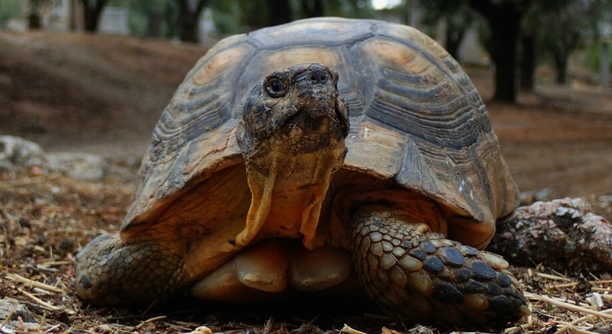
Some animals have surprising abilities when it comes to breath-holding. The marginated tortoise, known for its hardy nature, is no exception. Understanding its breath-holding capabilities can help with proper care for these fascinating reptiles.
The marginated tortoise can hold its breath for several minutes underwater, though the exact duration varies. Typically, it can manage around 15 to 30 minutes, depending on the environment and activity level. This ability helps it survive in its natural habitat.
Knowing how long a marginated tortoise can hold its breath helps ensure that its environment supports its natural behaviors and health.
How the Marginated Tortoise Uses Breath-Holding for Survival
The marginated tortoise uses its ability to hold its breath as a survival mechanism. In its natural habitat, this tortoise can be found in areas where water sources are present, and the ability to dive underwater helps it avoid predators. This skill is particularly useful when it needs to escape from threats or find food in aquatic environments. The tortoise does not rely on constant access to water, but it uses its breath-holding capability to stay submerged long enough to either hide or find what it needs. Knowing this behavior is important for anyone caring for this species, as providing the right environment with enough space and water options is essential for their health.
This skill is also tied to the tortoise’s need to manage its energy. By holding its breath and staying submerged, the marginated tortoise can regulate its body temperature. It is more likely to remain calm in stressful situations, contributing to its long-term survival.
Understanding how this behavior fits into its daily life is key to ensuring the marginated tortoise remains healthy in captivity.
The Importance of Proper Habitat
A suitable habitat plays a critical role in the tortoise’s health and ability to thrive. When kept in captivity, providing an environment that allows the tortoise to utilize its breath-holding skill is important. A tank with both land and water features mimicking its natural surroundings will help the tortoise feel secure.
Marginated tortoises need space to move around and areas to rest both on land and in shallow water. The environment should not only allow the tortoise to hold its breath but also enable it to warm up and cool down naturally. When they feel safe and comfortable, these reptiles show fewer signs of stress, which can otherwise affect their well-being. In addition, proper lighting and access to clean water ensure the tortoise remains healthy over time.
How Long Can the Marginated Tortoise Hold Its Breath While Swimming?
The marginated tortoise has the ability to hold its breath for up to 30 minutes while swimming. This time can vary depending on the individual tortoise’s condition and the environment. Understanding this can help with creating an appropriate habitat for them.
In the wild, the marginated tortoise uses its breath-holding ability to escape from predators or navigate through aquatic plants. While they typically don’t spend long periods submerged, the ability to stay underwater for a while provides them with options to avoid threats. It’s a simple survival skill.
In captivity, it’s important to ensure that the tortoise has access to both land and shallow water where it can exercise this skill. A water source that is too deep can make it difficult for the tortoise to come up for air, which is detrimental to its health. Keeping water levels moderate will allow the tortoise to engage in natural behaviors.
Temperature Regulation and Breath-Holding
Temperature regulation is another key factor in how the marginated tortoise uses its breath-holding ability. When submerged, it can control its body temperature by staying in cooler water or basking in warm areas as needed.
When the marginated tortoise is in a suitable environment, it will often use water to regulate its body temperature. Cold temperatures can lead to a decrease in its energy levels, and holding its breath for extended periods helps conserve its energy. A temperature-controlled environment that mimics its natural habitat will help prevent stress and maintain the tortoise’s health.
In captivity, monitoring both the air and water temperatures is essential. Too much heat or too cold of an environment can cause the tortoise to behave differently. Proper temperature control ensures the tortoise can use its breath-holding skills without compromising its well-being.
Breath-Holding in Stressful Situations
When the marginated tortoise feels threatened, it may use its ability to hold its breath to stay submerged. This helps it avoid predators or sudden environmental changes. It is a natural response that ensures its survival in the wild.
This ability to remain underwater for an extended period is useful when the tortoise needs to remain out of sight. In these stressful moments, it may stay submerged until it feels safe to surface. In captivity, this instinct can still be triggered by changes in its environment, such as sudden loud noises or unfamiliar surroundings.
Ensuring a Healthy Environment
To support the marginated tortoise’s breath-holding abilities, it’s important to provide a habitat that mimics its natural environment. The tank should include both land and water areas, with space for the tortoise to move freely.
Ensuring proper water quality is essential. Water should be clean, with no harsh chemicals or pollutants that could harm the tortoise. Maintaining water temperature at the right level will also encourage natural behavior, like diving and breath-holding. A stable environment helps reduce stress and supports their overall well-being.
Feeding and Breath-Holding Behavior
The marginated tortoise’s feeding habits also affect its breath-holding behavior. After eating, it may feel the need to rest and remain still for a while. This period of stillness can include holding its breath if it’s near water.
Although not all tortoises will immediately submerge after feeding, some may. The food they consume and their physical state influence this behavior. Providing a balanced diet that supports energy levels will help ensure they don’t feel fatigued after meals, keeping them active and healthy.
FAQ
How long can a marginated tortoise hold its breath underwater?
A marginated tortoise can hold its breath underwater for about 15 to 30 minutes, depending on various factors such as its age, health, and the environment. The ability to hold its breath helps the tortoise avoid predators and navigate through shallow waters when necessary. It is not an activity that tortoises do constantly, but rather a survival instinct triggered by certain circumstances. Ensuring that the tortoise has the opportunity to dive and surface naturally is important for its overall health.
How does a marginated tortoise manage to hold its breath for such a long time?
The tortoise’s body is adapted to stay submerged by conserving energy and slowing its metabolism. When submerged, the tortoise doesn’t need to breathe as frequently as it would on land, allowing it to stay underwater longer. This is a survival technique that helps it avoid predators or find food in aquatic environments. The tortoise’s lung capacity is large enough to store oxygen, which it uses gradually while underwater. It is important to maintain a stress-free environment to ensure the tortoise is comfortable during these natural behaviors.
Can the marginated tortoise breathe underwater?
No, marginated tortoises cannot breathe underwater like some aquatic animals. They rely on holding their breath for extended periods while submerged. They are terrestrial reptiles but may interact with water in their environment. They come up to the surface to breathe air whenever necessary, typically after holding their breath for several minutes. This behavior can be observed in the wild when the tortoise feels threatened or when it needs to forage in shallow water.
How long should I keep my marginated tortoise in water?
It is not necessary to keep a marginated tortoise in water for long periods. They are not fully aquatic and prefer to have access to both land and water areas. A shallow water area in their enclosure is sufficient for them to exercise their breath-holding abilities and cool down. The water should be cleaned regularly to avoid bacterial growth, and the temperature should be kept in a range that is comfortable for the tortoise. Too much time in water can cause stress, so a balanced environment with both dry and wet spaces is ideal.
How does water temperature affect the marginated tortoise’s breath-holding ability?
Water temperature plays an important role in a marginated tortoise’s ability to hold its breath. Colder water can slow down the tortoise’s metabolism, allowing it to stay submerged longer without exerting too much energy. However, water that is too cold can also cause stress or discomfort, so it is essential to maintain an appropriate temperature for both the water and air. A temperature range of 70 to 80°F (21 to 27°C) is ideal for the tortoise’s health, allowing it to naturally regulate its body temperature and engage in normal behaviors.
Is it safe for the marginated tortoise to stay underwater for extended periods?
While the marginated tortoise can hold its breath for several minutes, it should not be left underwater for extended periods. Prolonged exposure to water may cause stress or respiratory issues. A well-balanced environment with access to both land and shallow water ensures the tortoise can regulate its breathing naturally. After staying underwater for a while, the tortoise will typically surface to breathe. It’s crucial to ensure the water is not too deep and that the tortoise has plenty of land areas to retreat to.
How can I tell if my marginated tortoise is stressed in the water?
A stressed tortoise may show signs such as rapid breathing, excessive movement in the water, or difficulty staying submerged. If it constantly tries to escape the water, it could be a sign that the water temperature is uncomfortable or that the tortoise feels unsafe. Other signs of stress may include lack of appetite or sluggish behavior. Observing your tortoise’s natural behavior is key to understanding its needs. If the tortoise is frequently climbing out of the water or seems agitated, it may require adjustments to its habitat.
Do marginated tortoises need to swim?
No, marginated tortoises do not need to swim regularly. They are primarily land-dwelling and only enter the water when necessary. The water serves as a tool for them to stay cool, hydrate, and occasionally find food, but they are not aquatic animals. It is important to provide a shallow water area where they can access it as needed, without making them spend long periods submerged. Their primary habitat should be land, where they can bask and move freely. Providing a variety of environments for them to explore and enjoy will keep them healthy.
What is the best type of water setup for a marginated tortoise?
A shallow water dish or small pond is best for a marginated tortoise. The water should be no deeper than the tortoise’s shell height to avoid drowning or stress. It should be easy for the tortoise to climb in and out of, allowing it to use the water when necessary. Clean water is essential for preventing infections or health issues. A filter is a good option to keep the water clean and free of debris. You should also monitor the water temperature to ensure it is within the ideal range for the tortoise’s comfort.
Can marginated tortoises drown?
Yes, marginated tortoises can drown if they are in water that is too deep or if they are unable to climb out. It’s important to provide water that is shallow enough for the tortoise to easily escape. They are not natural swimmers and cannot stay submerged for extended periods without eventually needing air. A safe water setup includes a shallow water area where the tortoise can submerge its body to cool off, drink, or rest without the risk of drowning. Proper habitat design helps prevent accidents and ensures the tortoise’s safety.
Final Thoughts
Understanding how long a marginated tortoise can hold its breath and the factors that influence this ability is important for ensuring its well-being. While these tortoises can hold their breath underwater for several minutes, it’s essential to avoid leaving them submerged for extended periods. Their natural behaviors, such as holding their breath to avoid predators or forage in shallow water, should be respected and accommodated in their habitat. Providing a shallow water area in their enclosure allows them to engage in this behavior safely, without causing unnecessary stress or discomfort.
Creating an environment that balances land and water access is crucial for the health of a marginated tortoise. The water should never be too deep, as tortoises are not natural swimmers and could struggle to escape if they are unable to surface for air. A shallow water area that the tortoise can enter and exit easily is ideal. Monitoring the water temperature and keeping it within a comfortable range helps maintain the tortoise’s natural ability to regulate its body and avoid unnecessary strain. Fresh, clean water should be provided at all times to prevent the growth of harmful bacteria and ensure the tortoise stays hydrated.
In conclusion, while a marginated tortoise is capable of holding its breath for up to 30 minutes, it is important to observe the natural limits of this behavior. Ensuring a proper habitat with shallow water areas and the opportunity for the tortoise to rest and regulate its temperature is essential. Always be mindful of the tortoise’s needs, and avoid forcing them to stay in the water for too long. By providing a suitable environment that mirrors their natural habitat, you can help your tortoise thrive and maintain its health for years to come.

Hello,
If you enjoy the content that we create, please consider saying a "Thank You!" by leaving a tip.
Every little bit helps us continue crafting quality advice that supports the health, happiness, and well-being of pets around the world, for pets of all shapes, sizes, and species.
We really appreciate the kindness and support that you show us!