
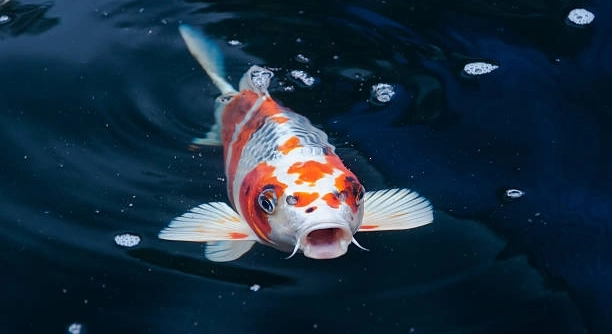
Koi fish are fascinating creatures that respond noticeably to changes in the seasons. Their behavior, appetite, and activity levels shift as the environment around them transforms. Observing these changes can reveal a lot about their health and wellbeing.
Koi fish adjust their metabolism and activity based on water temperature and daylight. During colder months, they become less active and eat less, while warmer seasons increase their energy and feeding habits. These adaptations help them survive seasonal variations effectively.
Understanding how koi fish react to seasonal shifts can improve how you care for them throughout the year. This knowledge helps maintain their health and ensures they thrive in any season.
How Seasonal Changes Affect Koi Fish Behavior
Koi fish are highly sensitive to seasonal shifts, which influence their daily routines. In spring and summer, as temperatures rise, koi become more active. They swim around more, feeding frequently to build energy for growth and reproduction. During this time, their metabolism speeds up, requiring higher-quality food to meet their nutritional needs. By contrast, fall brings cooler water and shorter daylight hours, prompting koi to slow down. They reduce feeding and limit their movement, preparing for the colder months. In winter, koi enter a state similar to hibernation, where activity is minimal. They tend to stay near the bottom of the pond where the water is warmer and avoid expending unnecessary energy. These seasonal behavioral changes are natural and vital for koi survival, helping them adjust to the environment’s demands.
This natural rhythm keeps koi healthy and supports their long-term well-being. Understanding it helps you adapt your care through the year.
Adjusting feeding habits and monitoring water conditions based on seasonal behavior allows koi to thrive without stress or health issues. Knowing when to increase or reduce care intensity is key to supporting their natural cycles.
Impact of Temperature on Koi Health
Temperature plays a crucial role in koi fish health. Their metabolism, immune system, and digestion are all temperature-dependent.
When water temperature drops below 50°F (10°C), koi metabolism slows, reducing their appetite and making digestion inefficient. Feeding at this time can cause uneaten food to pollute the water, harming the pond environment. Conversely, warm water above 75°F (24°C) speeds up metabolism, increasing appetite but also raising oxygen demand. Oxygen levels can drop in hot water, stressing koi if the pond isn’t well aerated. Sudden temperature changes can shock koi, weakening their immune systems and increasing susceptibility to diseases. Maintaining stable water temperatures through proper pond management is vital. Adding shade or using aerators can help moderate temperature extremes. Careful attention to temperature shifts ensures koi stay healthy throughout the year and adapt well to seasonal variations.
Seasonal Changes and Koi Feeding Patterns
Koi fish feeding habits vary widely with the seasons. They eat more in warmer months and less during colder periods. Adjusting feeding amounts helps keep them healthy and the pond clean.
In spring and summer, koi become more active and require increased nutrition to support their growth. Feeding should focus on high-quality, protein-rich food during this time to meet their energy needs. As the water warms, their digestion improves, allowing them to process food efficiently. Overfeeding should be avoided to prevent water pollution and health issues.
During fall and winter, koi significantly reduce their food intake. Their metabolism slows, so they digest food more slowly. It is best to reduce feeding gradually and eventually stop when temperatures fall below 50°F (10°C). Feeding at low temperatures can cause uneaten food to rot, which harms water quality and fish health.
How Daylight Affects Koi Behavior
Daylight length influences koi activity and feeding. Longer days encourage more movement and feeding, while shorter days slow them down.
In spring and summer, increased daylight triggers koi to be more active, feeding more often and swimming throughout the pond. This extended activity period supports their growth and reproduction cycles. The brightness also encourages social behavior, with koi grouping and interacting more visibly.
As daylight shortens in fall and winter, koi reduce their activity. They spend more time resting and conserving energy. Less daylight combined with colder temperatures signals them to slow their metabolism and limit feeding, preparing them for the dormant winter phase. Understanding these daylight effects helps in managing koi care according to natural cycles.
Preparing Koi for Winter
Koi naturally prepare for winter by slowing their metabolism and activity. They reduce feeding as temperatures drop, conserving energy for survival.
It is important to gradually reduce feeding in the fall. This helps avoid leftover food that can spoil and pollute the pond during cold months.
Pond Maintenance During Seasonal Shifts
Regular pond maintenance supports koi health throughout seasonal changes. Cleaning debris, checking filters, and monitoring water quality prevents harmful buildup that can stress koi.
Seasonal shifts often bring leaves, algae growth, or fluctuating water chemistry. Addressing these issues promptly keeps the environment stable, allowing koi to adjust comfortably and stay healthy.
Signs of Stress from Seasonal Changes
Koi showing unusual lethargy, loss of appetite, or odd swimming patterns may be stressed by seasonal transitions. Monitoring these signs helps catch problems early.
FAQ
How do koi fish survive in winter when the water gets very cold?
Koi survive cold winters by slowing down their metabolism and activity. When water temperatures drop below 50°F (10°C), koi enter a semi-dormant state. They stay near the pond’s bottom where the water is warmer and move very little to conserve energy. Because their digestion slows, they stop eating to avoid undigested food harming their system. Keeping the pond deep enough prevents it from freezing solid, which is crucial for koi survival.
Should I feed my koi during winter?
Feeding koi during winter is generally not recommended once water temperatures fall below 50°F (10°C). Their metabolism is too slow to digest food properly, and leftover food can pollute the water, leading to poor pond conditions and health risks. Instead, reduce feeding gradually as temperatures drop, then stop feeding altogether until the water warms up in spring.
What type of food is best for koi during different seasons?
In spring and summer, koi benefit from high-protein, nutrient-rich pellets that support their active growth phase. As temperatures rise, their metabolism and appetite increase, requiring quality nutrition. In fall, switch to wheat germ-based foods that are easier to digest, preparing koi for slower digestion during colder months. Avoid feeding rich, heavy foods in cold weather to prevent digestive problems.
How does temperature affect koi immune systems?
Temperature directly impacts koi immune function. Warm water supports a strong immune response, helping koi fight off infections. In cold water, their immune system weakens, making them more vulnerable to diseases. Rapid temperature changes can stress koi and suppress immunity further. Keeping water temperature stable and within a healthy range is key to preventing illness.
What changes should I make to pond care during seasonal transitions?
Pond care should adjust with the seasons to maintain a healthy environment. In spring and summer, regular cleaning and filtration checks are necessary due to increased algae growth and fish activity. In fall, remove fallen leaves and debris to prevent decay and water quality decline. Before winter, ensure aeration is sufficient to keep oxygen levels stable under ice. Monitoring water chemistry year-round helps detect problems early.
Can koi adapt to sudden temperature changes?
Koi can tolerate gradual temperature changes but sudden shifts cause stress and can shock their system. Rapid cooling or warming affects metabolism and immune responses, increasing susceptibility to illness. It’s best to introduce changes slowly, such as using shade in summer or pond heaters in winter, to reduce temperature fluctuations.
How do koi behavior patterns change with daylight length?
Longer daylight in spring and summer encourages koi to be more active, swim frequently, and feed more. This promotes growth and breeding behaviors. Shorter daylight in fall and winter signals koi to reduce activity and feeding, preparing for dormancy. Managing feeding and care based on daylight helps mimic natural cycles and supports koi health.
What signs indicate koi are struggling with seasonal changes?
Signs of stress include unusual lethargy, loss of appetite, erratic swimming, or visible physical changes like clamped fins or pale colors. These can indicate poor water quality, disease, or environmental stress from seasonal shifts. Prompt action, such as water testing and adjusting care routines, helps prevent serious health issues.
Is it necessary to use pond heaters during winter?
Pond heaters are helpful in colder climates to maintain minimum water temperatures and prevent ice from forming over the entire pond surface. This ensures oxygen exchange and helps koi survive harsh winters. However, heaters should be used carefully to avoid overheating or creating rapid temperature changes.
How often should I test water during seasonal transitions?
Water should be tested at least once a month and more frequently during rapid seasonal changes. Testing for ammonia, nitrite, pH, and oxygen levels helps detect imbalances that could stress koi. Keeping water conditions stable through regular monitoring supports koi health throughout the year.
Final Thoughts
Koi fish respond to seasonal changes in many natural ways that are important to understand for their care. Their metabolism slows down in colder months, causing them to eat less and become less active. In warmer months, they become more energetic and need more food to support their growth. Knowing these patterns helps koi owners adjust feeding schedules and pond care to match the fish’s needs throughout the year. This balance supports their health and prevents problems caused by overfeeding or poor water quality.
Water temperature and daylight are two major factors affecting koi behavior. Warmer water speeds up their metabolism, encouraging more swimming and feeding. Longer daylight hours in spring and summer also stimulate activity and social behavior. As daylight shortens and water cools in fall and winter, koi naturally slow down, resting more and eating less. Observing these changes allows pond owners to anticipate adjustments in care routines. Maintaining proper water conditions, like clean water and good oxygen levels, is essential during every season to help koi cope with environmental changes.
Seasonal transitions also require careful pond maintenance. Cleaning out leaves and debris, checking filters, and monitoring water chemistry become more important as the environment changes. These tasks prevent harmful substances from building up and protect koi from stress and disease. In winter, ensuring the pond does not freeze completely by using aeration or heaters when necessary is vital for koi survival. Paying close attention to these details throughout the year will support koi well-being and help the fish thrive despite seasonal changes. Understanding and adapting to these natural cycles is key to keeping koi healthy and happy.

Hello,
If you enjoy the content that we create, please consider saying a "Thank You!" by leaving a tip.
Every little bit helps us continue crafting quality advice that supports the health, happiness, and well-being of pets around the world, for pets of all shapes, sizes, and species.
We really appreciate the kindness and support that you show us!