
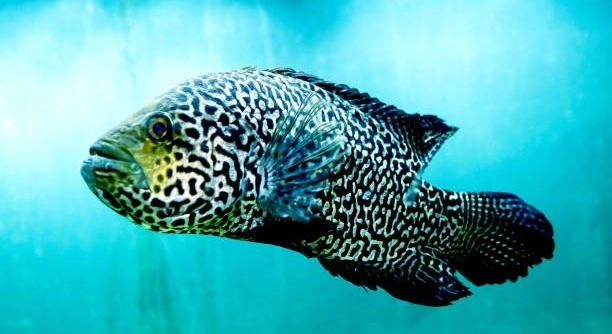
Jack Dempsey fish are known for their vibrant colors and lively personalities, making them popular in home aquariums. Observing their behavior helps owners understand how these fish interact with their environment. They are responsive to changes around them.
When introduced to new substrates, Jack Dempsey fish typically explore cautiously at first. They may dig, rearrange, or hover above the material to assess safety. Their reactions vary depending on texture, color, and familiarity, reflecting both instinct and adaptability.
Understanding these behaviors can improve tank setup and fish comfort. Paying attention to their responses ensures a healthy and stimulating environment for them.
Adjusting Substrate for Better Behavior
Jack Dempsey fish respond strongly to the type of substrate in their tank. Soft sand encourages natural digging and allows them to build small pits, while rough gravel may make them more cautious or hesitant. Changing substrates gradually helps them adapt without stress, and mixing familiar materials with new ones often makes the transition smoother. Observing their digging, swimming, and resting behaviors gives insight into what they prefer. Substrate depth also matters; shallow layers may limit exploration, whereas deeper layers allow more natural interactions. The color of the substrate can influence their comfort too, as bright or contrasting materials may cause initial hesitation. Adding hiding spots or smooth rocks near the substrate can encourage confidence and reduce stress. Over several days, their activity levels indicate whether they feel secure. Consistent monitoring allows for adjustments that enhance both behavior and overall tank health, keeping the fish active and comfortable.
A gradual change in substrate is key to preventing stress.
Noticing small adjustments in behavior, such as digging frequency or resting spots, helps owners fine-tune the tank environment and create a setting where the fish feel secure.
Feeding and Substrate Interaction
Substrate type affects how Jack Dempsey fish eat and search for food.
When feeding near new substrate, Jack Dempsey fish may sift through it to find scattered pellets or flakes. They often push aside sand or gravel with their mouths, mimicking natural foraging behaviors. Soft substrates make it easier to uncover food, while hard or large gravel may slow them down. Watching their feeding patterns can indicate comfort with the substrate. If they consistently avoid certain areas, adjustments may be needed. Regularly checking feeding response alongside substrate changes ensures fish maintain healthy eating habits. Tank maintenance and keeping the substrate clean are essential, as uneaten food can accumulate, affecting water quality and fish health. Observing how they interact with the substrate during feeding not only shows adaptation but also helps prevent behavioral issues. A well-chosen substrate encourages natural behaviors, supports digestion, and contributes to a balanced, stress-free environment, benefiting the fish’s overall well-being.
Common Mistakes with Substrates
Using rough or sharp gravel can injure Jack Dempsey fish when they dig or rest.
Some owners change substrates too quickly, which can stress the fish and cause hiding or reduced activity. Sudden changes in texture or depth may lead to hesitation or aggressive behavior. Overcrowding the tank with decorations on new substrates can also limit exploration and make the fish uncomfortable. Monitoring their reactions daily helps identify issues early. Adjusting substrate gradually and leaving enough open space allows natural behaviors like digging and resting without stress.
Incorrect cleaning practices can disturb beneficial bacteria in the substrate, affecting water quality. Removing all sand or gravel at once or using harsh chemicals can harm the fish. Gentle rinsing and partial substrate changes are safer. Observing their behavior after adjustments ensures they remain active and confident. Maintaining a balanced setup supports both the fish’s physical health and natural instincts.
The type of substrate influences territorial behavior and tank dynamics. Hard or unfamiliar substrates may trigger aggression or dominance displays, while soft, familiar substrates encourage calm and natural interaction. Regularly observing the fish’s digging patterns, swimming routes, and resting areas provides insight into their comfort. Small adjustments, like adding smooth rocks or slightly changing substrate depth, can improve confidence and reduce stress. Paying attention to their responses ensures the tank remains a secure environment, supporting healthy social behavior and preventing unnecessary conflicts among tankmates.
Maintaining a Healthy Substrate
Cleaning frequency affects both water quality and fish comfort.
Regular vacuuming of the substrate removes uneaten food and waste that can accumulate and cause poor water conditions. Using a gentle siphon prevents disturbing the fish or their pits. Soft substrates like sand may require more careful maintenance to avoid compaction, while gravel allows easier rinsing. Partial cleaning preserves beneficial bacteria essential for a stable tank. Observing the fish during cleaning helps prevent stress and ensures they continue to explore and interact with the substrate naturally.
Over time, sediments, leftover food, and detritus can settle in the substrate, affecting both water clarity and fish health. Ignoring buildup may lead to poor water parameters, algae growth, and stress-related behaviors in Jack Dempsey fish. Establishing a cleaning schedule tailored to the substrate type is crucial. Sand may need gentle stirring and spot cleaning, while gravel can be vacuumed more thoroughly. Avoid full substrate replacement at once, as this disrupts beneficial bacteria and can shock the fish. Supporting proper water flow and filtration helps keep the substrate balanced and clean. Regular monitoring, combined with gradual cleaning, ensures the fish remain active, healthy, and confident in their environment, while the tank stays visually appealing and biologically stable.
Choosing the Right Substrate
Soft, fine sand allows Jack Dempsey fish to dig naturally and reduces risk of injury.
Avoid sharp or large gravel that can scratch their mouths or fins. Neutral-colored substrates often encourage calmer behavior and reduce stress during interactions with the tank environment.
Adjusting Tank Decorations
Placement of rocks, plants, and hides affects substrate use. Jack Dempsey fish may dig around or under objects to create safe spots. Ensuring open areas allows them to explore freely. Dense decorations can limit movement and cause frustration. Monitoring how they interact with both substrate and décor helps optimize tank layout.
Observing Behavioral Changes
Sudden increases in digging, hiding, or aggression often indicate discomfort with the substrate.
Keeping track of these behaviors over time allows small adjustments to be made, improving comfort, tank harmony, and overall fish health.
FAQ
How long does it take for Jack Dempsey fish to adjust to a new substrate?
Adjustment varies depending on the fish’s personality and previous experiences. Generally, most Jack Dempsey fish begin exploring a new substrate within a few hours to a couple of days. Full comfort, where they dig, rest, and feed normally, may take up to a week. Gradual changes help reduce stress and encourage natural behaviors. Observing their movements and digging activity gives a clear indication of how well they are adapting.
Can Jack Dempsey fish eat substrate accidentally?
Yes, while sifting through sand or fine gravel, they may accidentally ingest small particles. Fine sand is generally safe and passes through their digestive system without issues. Hard or sharp gravel should be avoided because it can cause injuries or digestive blockages. Regular monitoring during feeding ensures no harmful substrate is being swallowed.
Do different colors of substrate affect Jack Dempsey behavior?
Substrate color can influence stress levels and comfort. Neutral, natural tones like tan, brown, or gray tend to make the fish feel secure, encouraging normal digging and resting behaviors. Bright or contrasting colors may initially cause hesitation or reduced activity. Over time, most fish adapt, but starting with calming colors helps them settle faster.
How often should I clean the substrate?
Cleaning frequency depends on substrate type and tank conditions. Gravel can be vacuumed partially every 1–2 weeks, while sand may need gentle stirring and spot cleaning every week to prevent compaction. Avoid removing all substrate at once to preserve beneficial bacteria. Observing leftover food and waste accumulation helps determine when cleaning is necessary.
What signs show the substrate is stressful for the fish?
Increased hiding, reduced activity, erratic swimming, or faded coloration may indicate discomfort. Excessive digging or aggressive behavior can also signal stress. Watching how the fish interacts with both the substrate and nearby decorations provides insight into whether adjustments are needed. Gradual changes and added hiding spaces help reduce stress.
Is it okay to mix different substrates in the same tank?
Yes, mixing substrates can provide varied textures for exploration, but transitions should be gradual. Avoid sharp contrasts that may startle the fish. Mixing fine sand with small, smooth gravel often works well. Observing the fish’s digging and resting patterns ensures both types are safe and comfortable.
Can substrate affect feeding behavior?
Absolutely. Soft sand allows natural sifting for food, while coarse gravel can make it harder to access scattered pellets. Uneaten food can accumulate in difficult-to-clean substrates, affecting water quality. Adjusting substrate to suit feeding habits improves digestion, activity levels, and overall fish health.
How deep should the substrate be for Jack Dempsey fish?
A depth of 1–2 inches is typically sufficient for gravel, while 2–3 inches is better for sand to allow natural digging. Too shallow limits exploration, while overly deep layers can make cleaning difficult and trap debris. Observing the fish’s digging habits helps fine-tune substrate depth for comfort and safety.
Are certain substrates better for breeding purposes?
Yes, sand or fine gravel is preferred for breeding tanks. Jack Dempsey fish like to dig pits to lay eggs, and soft substrates reduce injury risk for both adults and fry. Maintaining clean, stable substrate conditions ensures a safe environment for eggs and supports successful hatching.
What adjustments should I make if fish seem stressed by substrate changes?
Gradually reintroduce familiar substrate, add hiding spots, and reduce sudden movements near the tank. Monitor water parameters and feeding behavior closely. Allow the fish to explore at their own pace. Small, incremental changes prevent further stress and encourage a quicker return to normal activity.
Can Jack Dempsey fish completely ignore a new substrate?
Sometimes fish may avoid certain substrates initially, especially if it feels unfamiliar or uncomfortable. Providing gradual exposure, partial mixing with familiar materials, and observing their reactions over several days helps encourage interaction without forcing them. Patience and careful adjustments usually lead to successful adaptation.
How do I know if my substrate choice is safe long-term?
Safe substrates are smooth, non-toxic, and easy to clean. Avoid sharp edges or materials that can alter water chemistry. Monitor fish behavior over time: consistent digging, resting, and feeding indicate comfort. Substrates that support natural behaviors while remaining stable and clean are ideal for long-term tank health.
Does substrate affect tank maintenance?
Yes, substrate choice influences cleaning routines, water flow, and debris accumulation. Fine sand requires careful vacuuming to avoid compaction, while gravel allows more aggressive cleaning. Maintaining a healthy substrate prevents water quality issues, reduces stress for fish, and supports natural behaviors, making regular observation essential.
Can Jack Dempsey fish change their preferences over time?
Yes, their preferences may evolve as they grow or become more confident. Young fish may be more cautious, while mature fish may explore more freely. Observing their behavior and adjusting substrate type, depth, or texture over time helps keep them comfortable and active throughout their life stages.
What is the safest substrate for mixed-species tanks with Jack Dempsey fish?
Soft sand or small, smooth gravel works best. It minimizes injury risks during digging or interactions with other species. Avoid sharp, jagged substrates that can harm other tankmates. Ensuring enough open space and hiding spots supports peaceful coexistence while allowing natural behaviors for all species.
How do I test new substrate before full introduction?
Introduce a small section first or place it in a quarantine tank. Observe fish reactions for stress signs or hesitation. Gradually expand the area if they adjust well. This controlled approach reduces risk and ensures the substrate is safe, comfortable, and suitable for long-term use in the main tank.
Final Thoughts
Jack Dempsey fish are fascinating creatures that respond strongly to their environment, and substrate plays a big role in their behavior and well-being. The type, texture, depth, and color of the substrate all influence how comfortable they feel in their tank. Soft sand tends to be the most forgiving for digging and resting, while coarse or sharp gravel can make the fish cautious and hesitant. Observing their interactions with new materials gives important insight into their preferences. Small details like hiding spots or smooth rocks can make a noticeable difference in how confident and relaxed the fish appear. Even subtle behaviors, such as hovering over a new area or gently sifting through sand, indicate how they are adjusting. Paying attention to these signs helps owners create a safe, stimulating environment that supports natural instincts.
Proper substrate management is also essential for maintaining water quality and overall tank health. Uneaten food and waste can accumulate quickly, especially in fine sand or compacted gravel. Regular, careful cleaning prevents these materials from affecting water parameters and ensures the fish remain healthy. It is important to avoid drastic or sudden changes, as this can stress the fish and interfere with their behavior. Gradual adjustments, partial substrate changes, and monitoring fish reactions provide a more stable setup. Additionally, considering substrate in combination with tank decorations and hiding spaces allows Jack Dempsey fish to establish territories, explore freely, and feel secure. By balancing these factors, the tank becomes not just a place to live but an environment that supports natural behaviors, encourages activity, and reduces stress.
Watching Jack Dempsey fish adapt to a new substrate can be rewarding and informative. Over time, patterns emerge, showing which textures, depths, or arrangements make them most comfortable. Their behavior can change with age, confidence, or even social interactions within the tank, so ongoing observation is key. Simple practices, like choosing safe materials, cleaning properly, and providing enough open space for exploration, create a positive habitat. Understanding how these fish respond allows owners to make thoughtful choices that benefit both the fish and the overall aquarium ecosystem. Paying attention to their needs ensures they remain active, healthy, and confident, making the tank a balanced, enjoyable space. Consistently observing and adjusting the substrate as needed reflects care and helps maintain harmony between the fish and their environment, ultimately supporting long-term health and well-being.

Hello,
If you enjoy the content that we create, please consider saying a "Thank You!" by leaving a tip.
Every little bit helps us continue crafting quality advice that supports the health, happiness, and well-being of pets around the world, for pets of all shapes, sizes, and species.
We really appreciate the kindness and support that you show us!