
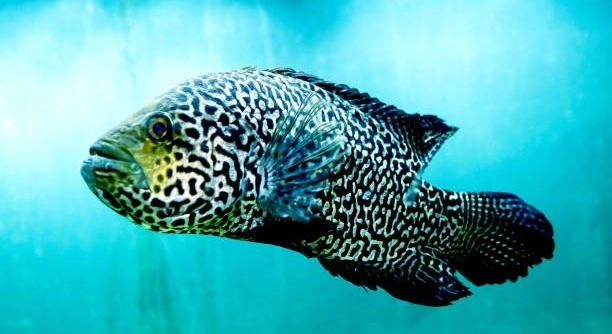
Jack Dempsey fish are known for their striking appearance and lively behavior. Observing them in an aquarium can be fascinating, especially as they respond to changes around them. Their reactions are often quick and noticeable, drawing attention easily.
Jack Dempsey fish react to external movement with heightened alertness. Sudden motions near the tank trigger defensive or investigative behavior, including flaring fins, darting toward or away from the stimulus, and shifting positions to assess potential threats or opportunities in their environment.
Understanding these responses can improve care and interaction, helping maintain a calm and healthy habitat for these vibrant fish.
Understanding Their Alertness
Jack Dempsey fish have a natural instinct to monitor their surroundings. When something moves near the tank, they quickly notice and respond. This reaction is part of their survival mechanism. Observing shadows, reflections, or sudden movements makes them cautious, and they may change their swimming patterns. They sometimes flare their fins or move closer to investigate. Other times, they retreat to a corner or behind decorations to feel safer. Even small disturbances, like tapping on the glass, can prompt a noticeable reaction. Over time, owners learn to recognize these behaviors and anticipate how the fish will respond. Consistent exposure to gentle movements can help them become less stressed.
Their alertness is not aggression but a way to understand their surroundings and assess safety. It shows they are aware and actively engaging with their environment.
Regular observation helps improve the tank setup and reduces sudden stress for Jack Dempsey fish. Providing hiding spots and a stable environment encourages natural behavior, keeping them healthy and active. Watching how they react to movement can also strengthen your understanding of their personality, making care more effective and enjoyable.
Interaction With External Stimuli
Movement outside the tank often triggers a response in Jack Dempsey fish. They notice even subtle changes immediately.
They react differently depending on size, speed, and distance of the stimulus. Rapid motions may make them dart away, while slow movements can draw curiosity. Flaring fins or puffing their body are signs of heightened awareness, not aggression. Over time, they learn which movements are harmless and which may signal a potential threat. Objects like shadows or reflections can create a similar effect. Knowing how your fish responds helps in feeding, cleaning, and adding decorations without causing unnecessary stress. Environmental consistency encourages them to stay confident and reduces erratic swimming. Interaction is not just visual; even vibrations or water movement can influence their reactions. Understanding these triggers allows a smoother routine in aquarium care and promotes a stable, calm habitat.
Recognizing Their Movement Patterns
Jack Dempsey fish often move with purpose. Sudden external motion can make them dart, freeze, or circle the tank. Each movement is an instinctive response, showing they are aware and attentive to changes in their environment, whether it is shadows, reflections, or vibrations.
Their reactions can vary based on the type of stimulus. Quick movements often cause them to retreat or flare their fins, signaling alertness. Slower, gentle motions may make them approach curiously, exploring the source. Even routine activities like cleaning or adjusting the tank can trigger noticeable responses. Over time, observing these patterns allows owners to predict behavior, ensuring care routines are smooth and stress-free. Recognizing subtle cues helps in maintaining a stable environment where the fish feel secure.
Consistency in the tank setup greatly influences their behavior. Providing hiding spots, stable decorations, and minimal sudden disturbances reduces stress. Movement outside the tank, if frequent or abrupt, can cause prolonged anxiety, leading to defensive swimming or hiding. By watching how they respond over weeks, you can adapt interactions, feeding, and maintenance to respect their natural reactions while keeping them active and comfortable in their habitat.
Response to Visual Stimuli
Jack Dempsey fish are highly responsive to what they see outside the tank. Light changes, shadows, or reflections quickly catch their attention.
They often follow moving objects, even if small, adjusting position to assess potential risk. Bright lights or sudden reflections can startle them, causing quick swimming or fin flaring. Consistent exposure to predictable stimuli reduces stress and allows the fish to differentiate between harmless motion and genuine threats. Owners may notice that over time, the fish react less intensely to routine movements. Observing their visual responses helps in planning tank placement, lighting, and decoration arrangement to minimize constant agitation.
Understanding visual cues is key for daily care. Even routine tasks like feeding or cleaning produce shadows and reflections that trigger reactions. Knowing how your fish respond allows better timing for activities, reducing unnecessary stress. Decorations placed strategically provide safe spaces and break direct lines of sight from frequent movement, helping the fish stay calm. Observing their behavior while adjusting light levels and adding objects teaches how subtle changes influence their comfort. Tracking responses over weeks gives insight into their adaptability, ensuring the tank remains a secure and engaging environment for Jack Dempsey fish.
Sensitivity to Vibrations
Jack Dempsey fish are sensitive to vibrations in the water. Even minor disturbances, such as tapping the tank or moving objects nearby, can cause sudden movement or fin flaring. This sensitivity is part of their natural alertness.
Consistent, gentle handling of the tank helps them adapt. Over time, they learn which vibrations are harmless, reducing stress and erratic behavior.
Influence of Feeding Time
Feeding triggers strong reactions. They often become more active and alert when food approaches. Quick swimming, chasing, and flaring fins are common as they anticipate feeding. Understanding this pattern allows feeding routines to be more predictable, keeping the fish engaged without unnecessary stress.
Reactions to Tank Cleaning
During cleaning, Jack Dempsey fish may hide or dart quickly. Moving water, equipment, or decorations can temporarily unsettle them.
Careful, slow movements during maintenance minimize stress. Allowing them to observe changes gradually keeps them comfortable and maintains trust in their environment.
FAQ
How do Jack Dempsey fish react to sudden movements outside the tank?
They respond quickly, often darting to a corner, flaring fins, or hovering near decorations. This behavior is instinctive, allowing them to assess potential threats. Their response depends on speed, size, and proximity of the movement. Repeated exposure to gentle activity can reduce stress over time.
Do reflections or shadows affect their behavior?
Yes, reflections and shadows can trigger curiosity or defensive behavior. They may approach the reflection to investigate or retreat to feel safe. Consistent patterns help them learn which visual cues are harmless, reducing prolonged agitation.
Are all Jack Dempsey fish equally sensitive to external stimuli?
Sensitivity varies between individuals. Some react strongly to minor changes, while others are calmer. Age, size, and previous exposure to stimuli influence how alert they are. Younger fish often show higher reactivity, gradually adjusting as they grow and become familiar with their environment.
Can vibrations outside the tank cause stress?
Yes, vibrations from tapping, moving furniture, or equipment can startle them. This can cause rapid swimming or fin flaring. Minimizing sudden vibrations and providing hiding spots helps reduce stress and maintains a stable environment.
How do they behave during feeding time?
Feeding time increases alertness and activity. They chase food actively, swim quickly, and flare fins to assert dominance or secure food. Predictable feeding routines help them anticipate food without becoming overly stressed by sudden external movements.
Do Jack Dempsey fish react differently to humans approaching the tank?
Yes, they recognize movement near the glass. Slow, consistent actions may trigger curiosity, while abrupt movements can cause darting or hiding. Over time, they become accustomed to the regular presence of their owners, reducing panic responses.
How does tank cleaning influence their reactions?
Tank cleaning involves moving water, decorations, and equipment, which can unsettle them. They may hide or swim erratically. Performing cleaning slowly and gradually, while maintaining familiar surroundings, allows them to observe changes without excessive stress.
What environmental changes affect their movement patterns?
Lighting, decorations, and water flow all influence reactions. Bright lights or sudden shadows may startle them, while unstable decorations can make them wary. Providing hiding spots and consistent lighting encourages confident, calm behavior.
Can repeated external movement make them less reactive?
Yes, gentle, predictable exposure helps them learn which movements are harmless. Over time, they may show less intense reactions to routine activity. This gradual acclimation supports a calmer and more engaging environment.
Is it normal for them to flare fins or puff up during movement?
Yes, flaring fins or puffing is a natural alert response. It is not always aggression but a way to assess safety and communicate readiness. Monitoring frequency ensures they are not stressed excessively.
How should I manage their reactions to keep them comfortable?
Maintain a stable environment with consistent decorations, lighting, and hiding spots. Limit sudden external movements, vibrations, or shadows. Observing their behavior and adjusting interactions gradually allows them to feel secure while remaining active and engaged.
Do Jack Dempsey fish react differently in groups versus alone?
Yes, in groups, they may display more territorial behavior, responding to both external stimuli and other fish. Alone, they focus more on external movement, showing curiosity or defensive behavior toward anything near the tank.
Final Thoughts
Jack Dempsey fish are fascinating creatures with strong instincts and a natural alertness to their surroundings. Their reactions to external movement are part of their survival behavior, allowing them to assess potential threats or opportunities in their environment. Observing these fish closely can reveal how sensitive they are to shadows, reflections, vibrations, and sudden changes near the tank. Even small movements outside the tank, such as someone walking by or tapping the glass, can trigger a response. Over time, these responses may vary depending on the fish’s personality, size, and experience with routine activity. Some fish may dart quickly to a hiding spot, while others approach to investigate, displaying curiosity rather than fear. Understanding these reactions is an important part of providing proper care, as it allows the owner to anticipate behavior and maintain a calm, stable environment. Consistency in the tank setup and daily routines plays a major role in helping Jack Dempsey fish feel secure.
Providing a well-structured environment is key to managing their reactions effectively. Decorations, hiding spots, and consistent lighting all contribute to their comfort, reducing unnecessary stress caused by external stimuli. Vibrations and movement outside the tank can be unsettling, so handling tank maintenance, feeding, and cleaning with care helps maintain their confidence. Even routine actions, such as moving furniture nearby or adjusting the lighting, can trigger short-term alertness. By observing how they respond over time, owners can identify which movements are harmless and which may cause prolonged stress. Feeding routines also influence their reactions, as they become more alert and active during these times. Predictable schedules for feeding, maintenance, and interaction allow the fish to adjust and remain calm while still displaying natural curiosity. Over weeks and months, this consistency supports a healthier, more stable environment where their natural behavior can be appreciated without disruption.
Paying attention to Jack Dempsey fish’s behavior builds a better understanding of their needs. Their alertness and responses are not signs of aggression but rather ways to interact with their surroundings and assess safety. By learning to read their movements, flaring, and hiding behaviors, owners can create an environment that supports both activity and calmness. Reducing sudden disturbances, providing sufficient hiding places, and maintaining regular routines all contribute to their long-term health and well-being. Observing their reactions also provides insight into their individual personalities, as some fish may be more cautious while others display bolder curiosity. Overall, understanding how Jack Dempsey fish respond to external movement allows owners to create a comfortable, engaging, and secure habitat, where the fish can thrive and display their natural, lively behaviors. A thoughtful approach to interaction and environment ensures both the fish and the owner can enjoy a peaceful, balanced aquarium experience.

Hello,
If you enjoy the content that we create, please consider saying a "Thank You!" by leaving a tip.
Every little bit helps us continue crafting quality advice that supports the health, happiness, and well-being of pets around the world, for pets of all shapes, sizes, and species.
We really appreciate the kindness and support that you show us!