
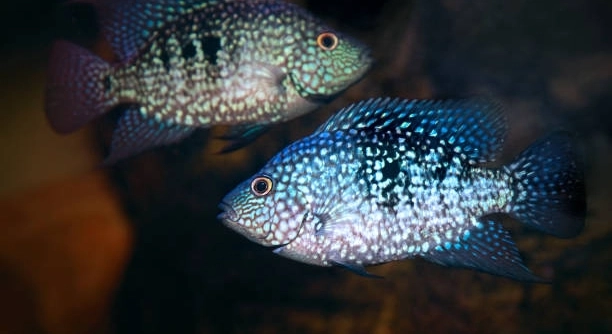
Tank changes can be stressful moments for Jack Dempsey fish, and I notice shifts in mood and movement afterward. These reactions are normal responses to altered water conditions, lighting, and territory that briefly disrupt routines.
After tank changes, Jack Dempsey fish commonly display temporary stress behaviors including hiding, reduced appetite, heightened aggression, or increased alertness. These behaviors occur due to environmental disruption and typically stabilize as water parameters normalize and the fish reestablish territorial boundaries.
Knowing what influences these adjustments helps create calmer transitions and supports healthier behavior during future tank maintenance periods at home.
Immediate Behavior Changes After Tank Maintenance
After a tank change, I often see Jack Dempsey fish react quickly to their surroundings. They may swim faster, stay near corners, or hover close to the bottom. These behaviors are linked to sudden shifts in water chemistry, temperature, and scent. Even small changes can feel intense to a territorial fish. Decorations moved during cleaning can also remove familiar markers, which adds tension. Some fish show darker colors or flared fins as they assess space again. Others may keep distance from tank mates for a short time. This phase is usually brief when water parameters are stable. Consistent routines help reduce these reactions. Using similar water temperature, treating tap water properly, and returning decor to familiar spots can make this adjustment period calmer and shorter overall. I have learned patience during this time allows the fish to settle without added stress or unnecessary interference from handling or sudden lighting changes.
During this stage, feeding response often slows and interaction decreases. This does not signal illness. It reflects short term stress as the fish observes its adjusted environment and reclaims preferred areas. Calm surroundings and steady lighting help restore normal activity within a predictable and manageable timeframe for most home aquariums.
Territorial behavior can also increase after maintenance. Jack Dempsey fish rely on visual boundaries to feel secure. When plants or rocks are shifted, dominance displays may appear stronger. Chasing or posturing usually fades as layout becomes familiar again. I try to keep major decor changes minimal to limit this response. If adjustments are necessary, spacing them out helps. Stable filtration flow and gentle water movement also support calmer behavior. Over time, the fish adapts and resumes regular patterns. Observing quietly during this phase provides useful insight into individual temperament and tolerance levels without interfering unless clear distress signs appear briefly.
Supporting Recovery After a Tank Change
Recovery depends on consistency and restraint. Clean water matters, but balance matters more. Avoid repeated changes within short periods. Let the fish adjust, observe quietly, and resist the urge to overcorrect minor behaviors. I have found this approach reduces visible stress and supports steady return to routine activity over time.
Long term stability is shaped by how tank changes are performed. Matching water temperature closely prevents shock. Using dechlorinated water protects gill health and reduces irritation. Cleaning only part of the substrate at once helps preserve beneficial bacteria. This supports consistent biological filtration, which limits sudden parameter shifts. I prefer smaller, regular changes instead of large ones. This keeps the environment predictable. Lighting should be kept the same before and after maintenance to avoid added stimulation. Feeding lightly on change days also reduces strain. Observation remains important during the following days. Slight withdrawal or caution is normal. Appetite and interaction usually return gradually. If aggressive behavior persists, reviewing tank size, hiding spaces, and stocking levels is helpful. Each fish responds differently, so patterns over time matter more than single events. Calm, steady care builds trust and promotes stable behavior after every tank adjustment. I keep notes after each maintenance session to spot trends. This habit helps refine timing, amounts, and methods. With patience, the fish settles faster and displays confident, balanced behavior. Consistency across weeks creates familiarity, which lowers stress responses and supports long term health in a home aquarium setting for both fish behavior and owner confidence levels overall.
Signs of Stress That Appear After Tank Changes
Common stress signs include hiding, darkened coloration, clamped fins, and sudden aggression. I also notice pacing along the glass or refusing food. These behaviors usually appear within hours of a tank change and should slowly lessen as conditions stabilize again, with minimal disturbance and consistent water parameters maintained carefully daily.
Stress can intensify when multiple changes happen at once. Large water swaps, altered decor, and strong lighting shifts combine into a heavy adjustment. I try to space changes apart to reduce this load. Jack Dempsey fish rely on familiarity, especially with territory. When too many elements change, defensive behavior may last longer. Increased chasing or lip locking can occur during this period. These actions are about control, not illness. Stable filtration and steady temperatures help shorten this phase. I avoid tapping the glass or rearranging items again. Time and consistency remain the most effective tools during recovery after maintenance routines.
Water chemistry shifts also influence behavior. Even slight changes in pH or hardness can cause discomfort. I always test before and after cleaning. Sudden differences make fish more alert and reactive. Oxygen levels matter as well. Stirring debris can briefly cloud water and reduce clarity. This affects visibility and confidence. Keeping aeration running during maintenance helps. I also replace water slowly to prevent shock. These small habits limit stress responses. Over time, the fish associates tank changes with safety rather than disruption, which supports calmer behavior overall in the home aquarium environment long term stability and predictable care routines consistently.
When Behavior Does Not Return to Normal
Not all behavior shifts resolve quickly. If aggression, hiding, or appetite loss continues beyond several days, closer review is needed. I look at water tests first, then tank size and stocking. Jack Dempsey fish need space to reset territory. Crowded tanks delay recovery. Poor filtration or fluctuating temperatures also prolong stress responses and should be corrected promptly to avoid chronic tension and long term behavioral issues within the aquarium setup overall stability and health balance.
When normal behavior does not return, observation becomes essential. I watch how the fish interacts with decor and tank mates. Constant patrol or corner guarding can signal unresolved tension. Reviewing recent maintenance habits helps identify patterns. Large changes done too often can overwhelm the fish. In these cases, smaller adjustments spaced over weeks work better. Adding visual barriers like rocks or plants can reduce line of sight stress. Ensuring consistent feeding times also restores routine. Medication is rarely needed unless physical symptoms appear. Behavioral recovery usually improves once stability is restored. Patience and restraint prevent unnecessary interventions that may worsen stress responses during prolonged instability, allowing the fish to regain confidence, balance, and predictable behavior patterns over time within stable aquarium care practices consistently applied.
Reducing Stress During Future Tank Changes
I reduce stress by keeping changes small and predictable. Matching temperature, treating water, and moving slowly matters. I clean sections instead of everything at once. This helps the fish feel secure and lowers aggressive reactions after maintenance. Consistency over time builds trust and supports faster recovery after each routine change.
I avoid sudden decor rearranging unless needed. Familiar layouts help Jack Dempsey fish reestablish territory quickly. When changes are required, I add hiding spots. This reduces conflict, limits pacing, and encourages calmer swimming patterns during the adjustment period for both dominant and submissive fish alike within shared aquarium spaces consistently.
Feeding and Routine Adjustments After Maintenance
Feeding should remain light after a tank change. I offer small portions and remove leftovers quickly. Overfeeding during stress leads to waste buildup. Clean water supports recovery better than extra food. Observation matters more than action here. I watch breathing, posture, and movement daily. Gradual improvement is the goal. If appetite returns slowly, that is acceptable. Stable routines teach the fish safety. Consistent lighting, quiet surroundings, and minimal interaction allow hormones to settle. Within days, behavior usually normalizes without intervention, provided parameters remain steady and maintenance practices stay consistent over time with patient observation in a controlled home aquarium environment.
Long Term Behavior Stability After Tank Changes
Long term success depends on routine. I keep a schedule for cleaning, feeding, and testing. Predictability reduces stress responses. Over time, the fish reacts less to tank changes and shows steadier behavior, stronger appetite, and improved interaction with its surroundings through consistent care and balanced maintenance habits across all stages.
FAQ
How long does it take for a Jack Dempsey fish to calm down after a tank change?
It usually takes a few hours to a few days for behavior to normalize. I notice hiding and slower movement right after a change. With stable water parameters, familiar decorations, and gentle lighting, most fish regain normal swimming patterns and appetite within 48 to 72 hours. Patience is important, as rushing interaction can extend stress.
Why does my Jack Dempsey become aggressive after moving decorations?
These fish are highly territorial. When familiar visual markers are shifted, they may feel their space is threatened. I have seen flaring, chasing, or lip locking appear when rocks, plants, or substrate are moved. Temporary aggression is normal and usually fades once the fish reclaims and adjusts to its environment.
What water changes are safe to avoid stressing my fish?
Partial water changes of 20–30% are safest. I avoid full swaps unless necessary because they remove beneficial bacteria and disrupt chemical balance. Matching temperature, using dechlorinated water, and adding water slowly prevent shock. Smaller, frequent changes keep water quality high while minimizing behavioral disruptions.
Why is my fish hiding constantly after tank maintenance?
Hiding is a natural stress response. I notice it especially when decor or substrate is rearranged. Jack Dempsey fish rely on familiar landmarks to feel secure. Providing shelters, gentle lighting, and minimal disturbance helps them feel safe. This behavior typically decreases once the fish reassesses territory and water conditions stabilize.
Should I change feeding habits after maintenance?
Yes, I feed lightly for a day or two. Stress can reduce appetite, and leftover food can pollute water. Observing eating patterns without forcing extra portions ensures the fish stays healthy while adapting to environmental changes. Gradual return to normal feeding is best for recovery.
Can temperature changes cause prolonged stress?
Even small shifts can be noticeable. I always match new water to tank temperature before adding it. Sudden drops or rises can lead to hiding, clamped fins, or slower swimming. Maintaining stable temperatures and checking the heater regularly reduces stress responses after maintenance.
How do I know if behavior indicates illness or just stress?
Stress usually appears as temporary hiding, reduced appetite, or mild aggression. I watch for persistent lethargy, labored breathing, white spots, or torn fins. If these signs persist beyond a few days, testing water and consulting care guides is necessary. Temporary behavioral changes generally resolve with stable conditions.
Is it normal for Jack Dempsey to ignore tank mates after changes?
Yes, temporary avoidance is common. Fish reassess hierarchy and territory when their environment shifts. I notice brief separation or reduced interaction. Providing hiding spots and minimizing disturbances helps them readjust faster. Normal social behaviors usually return within a couple of days as confidence grows.
Can repeated tank changes harm behavior long term?
Frequent major changes increase stress and may affect health. I limit extensive maintenance and focus on partial, gradual adjustments. Consistent routines, stable water parameters, and minimal decor movement support long-term stability and help the fish develop predictable patterns, reducing long-term behavioral issues.
What is the best way to monitor recovery after maintenance?
I watch movement, appetite, and interaction with the tank daily. Notes on patterns, hiding, or aggression help identify if adjustments are needed. Stable water parameters, gradual reintroduction of decorations, and consistent feeding routines allow the fish to return to normal behavior safely and consistently.
How do hiding spots influence recovery?
Shelters like rocks or plants give a sense of security. I add them strategically during maintenance to reduce stress. Fish use these areas to retreat and observe. This lowers aggression and accelerates confidence rebuilding. Once fish settle, they explore more and show normal activity throughout the tank environment.
Are there long-term benefits to keeping a stable maintenance routine?
Absolutely. I have seen fish remain calmer and more predictable when cleaning, feeding, and water testing occur on a schedule. Gradual, consistent changes prevent repeated stress. The fish becomes accustomed to routines, showing stronger appetite, stable social behavior, and fewer aggressive episodes over months of care.
Should I intervene if my fish shows brief aggression?
Intervention is rarely necessary unless fighting causes injury. I monitor closely, remove stressors like overcrowding, and maintain stable conditions. Temporary post-maintenance aggression is usually short-lived. Avoiding extra handling and letting the fish reestablish territory often resolves the behavior naturally.
How can I reduce hiding after a major tank rearrangement?
Providing visual barriers, maintaining partial familiar layouts, and consistent lighting helps. I also limit sudden movements around the tank and avoid tapping the glass. Hiding decreases as the fish explores at its own pace, regaining confidence and returning to normal swimming, feeding, and interaction patterns.
Do water parameters affect long-term behavior?
Yes. I test pH, hardness, ammonia, nitrite, and nitrate regularly. Stable conditions reduce stress responses after each maintenance. Fluctuating parameters increase hiding, aggression, and feeding reluctance. Maintaining chemical balance ensures predictable behavior, healthier fish, and a more enjoyable aquarium environment over time.
Is it okay for Jack Dempsey fish to be alone after a tank change?
Short-term isolation is normal if stress is high. I notice fish retreating to corners or hiding alone. This allows assessment of territory and reduced confrontation. Once they regain confidence, normal social interaction resumes. Providing hiding spaces supports this process without forcing proximity prematurely.
How can I tell when my fish is fully adjusted?
Regular swimming, normal feeding, and balanced interaction with tank mates indicate adjustment. I track patterns daily. Once aggression, hiding, and color changes return to baseline, the fish is settled. Consistency and minimal disturbance help maintain this state after every maintenance cycle.
What steps help prevent repeated stress during future maintenance?
I plan small, gradual water changes, maintain temperature and water chemistry, and keep decorations consistent. Feeding lightly and avoiding sudden movements reduces reactions. Over time, fish respond calmly to care routines, showing predictable and healthy behavior that supports long-term wellbeing.
Can stress from tank changes impact growth?
Yes, prolonged or repeated stress can affect appetite and energy. I make sure recovery periods are calm, with consistent feeding and stable water conditions. Reduced stress supports regular growth, coloration, and overall health, keeping Jack Dempsey fish thriving in the aquarium environment.
How often should I test water after a tank change?
I test daily for the first few days, then resume normal weekly checks once the fish shows stable behavior. Early detection of shifts in pH, ammonia, or nitrites prevents stress and helps the fish return to routine faster. Consistent monitoring is key to long-term behavioral stability.
What role does lighting play in behavior after maintenance?
Sudden bright or fluctuating light increases stress. I keep lighting consistent during and after maintenance. Gradual changes, or leaving lights at normal levels, help the fish maintain orientation, confidence, and calmer behavior as they adjust to the altered environment naturally.
How important is patience during post-maintenance recovery?
Extremely important. I have learned that minimal interference allows the fish to adapt without prolonged stress. Constant observation, but no unnecessary handling, helps Jack Dempsey fish regain normal swimming, feeding, and social patterns steadily and safely after tank changes.
Can rearranging decorations too often cause permanent stress?
Repeated, major rearrangements can extend aggressive and hiding behavior. I limit decor changes and space them apart. Stability builds confidence. Predictable surroundings allow the fish to settle faster and maintain consistent behavior, reducing long-term tension and supporting overall health in the tank environment.
How can I support shy fish during recovery?
Providing multiple hiding spots, leaving quiet surroundings, and feeding lightly help shy individuals regain confidence. I avoid crowding or sudden movements. Shy fish often resume normal swimming and interaction once they feel secure, demonstrating gradual recovery over several days.
Is it normal for color to darken after tank changes?
Yes, color changes indicate stress. I have noticed Jack Dempsey fish darken during hiding or aggression. This usually resolves as the fish adjusts to water parameters, territory, and decor, returning to normal coloration once comfort and confidence are restored.
Should I be concerned about minor injuries after stress-related aggression?
Minor scrapes or fin nips can occur. I monitor closely, maintain clean water, and avoid further disruption. Healing is usually fast if water quality is stable and stressors are minimized. Persistent or worsening injuries require separate attention, but short-term aggression rarely causes lasting harm.
What is the best overall approach to post-maintenance care?
I focus on stable water conditions, consistent feeding, familiar layouts, and gentle observation. Minimal interference, patient monitoring, and small, gradual adjustments ensure Jack Dempsey fish settle quickly and maintain predictable behavior. Long-term routine care fosters calmer, healthier fish over repeated maintenance cycles, supporting both wellbeing and confidence.
Final Thoughts
Jack Dempsey fish are strong, territorial, and sensitive to changes in their environment. After a tank change, it is normal to see hiding, aggression, or reduced activity. These behaviors are not a sign of poor care but a natural response to sudden changes in water, decor, or lighting. I have noticed that even small shifts, like moving a rock or replacing a plant, can trigger cautious behavior. It is important to understand that stress is temporary if water conditions remain stable. Observing your fish quietly during this period gives them space to readjust without unnecessary interference. Over time, they will regain confidence and return to normal swimming and feeding patterns.
Consistent maintenance routines help Jack Dempsey fish feel more secure. I prefer partial water changes, slow replacement of water, and keeping familiar decorations in place. Matching water temperature and treating tap water before adding it ensures minimal disruption. Light feeding during the first day or two after maintenance prevents leftover food from polluting the tank while still supporting recovery. Providing hiding spots and visual barriers can reduce tension, especially if the fish are sharing space with tank mates. Over repeated maintenance cycles, these small practices build trust and reduce post-change stress. A predictable environment allows the fish to focus on exploring and eating rather than defending territory or adjusting to unknown conditions.
Patience is key to supporting healthy behavior after tank changes. I have learned that rushing interaction or overcorrecting minor behaviors often prolongs stress. Monitoring water parameters daily, watching behavior patterns, and limiting sudden adjustments all contribute to faster recovery. While some aggression or hiding is normal immediately after maintenance, these behaviors usually fade as the fish readjust. Understanding your fish’s personality and observing its responses helps tailor care routines effectively. Over weeks and months, consistent, thoughtful maintenance encourages calmer, more confident behavior and supports overall long-term health. A stable environment, predictable routines, and careful observation are the foundation for keeping Jack Dempsey fish thriving in a home aquarium.

Hello,
If you enjoy the content that we create, please consider saying a "Thank You!" by leaving a tip.
Every little bit helps us continue crafting quality advice that supports the health, happiness, and well-being of pets around the world, for pets of all shapes, sizes, and species.
We really appreciate the kindness and support that you show us!