
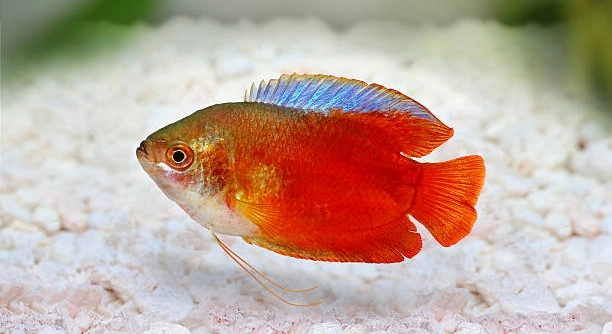
Is your gourami acting jumpy or hiding more than usual in a brightly lit tank? Sudden changes in lighting can create stress. Light plays a big role in how your fish behaves and stays healthy.
Gourami often react to excessive tank brightness by becoming skittish, hiding frequently, or displaying signs of stress. Prolonged exposure to intense light can disrupt their natural rhythm, reduce feeding behavior, and potentially impact their immune system and overall wellbeing.
Understanding how light affects your gourami can help you adjust your setup for a more balanced and peaceful aquarium environment.
Why Bright Light Bothers Gourami
Gourami are naturally used to living in shaded waters with dim or filtered light. In an aquarium, when the lighting is too bright, it can make them feel exposed or unsafe. You might notice them darting around the tank, hiding more often, or even refusing food. These are stress responses that happen when their environment feels unnatural. Bright lighting can also highlight their reflections on the tank walls, which may confuse or scare them. Over time, too much brightness may interfere with their sleep cycle and reduce their overall comfort. This isn’t ideal for a peaceful fish that prefers calm surroundings.
A sudden increase in brightness is more stressful than a consistent light level. Try to keep lighting soft and gradual.
If your tank is set up in a well-lit room or near a window, your gourami may get more light than they need. Adding floating plants or adjusting your tank light settings can help fix this.
How to Adjust the Lighting
Start by reducing the time your tank light stays on each day. Aim for 8 to 10 hours of light and allow for darkness at night.
Choose dimmable lights or bulbs designed for freshwater fish tanks. If your current setup feels harsh, swap the light for one with adjustable brightness. Another simple solution is adding floating plants like duckweed or frogbit. These help block excess light and offer shaded spots for your gourami to rest. You can also use tank decorations to create hiding spaces, giving them a sense of safety. Avoid placing your aquarium in direct sunlight, as it not only increases light exposure but also heats the water. Consistent light patterns help regulate their daily routine. Fish, like people, get used to a rhythm. When that rhythm is off, they feel it. Dim light can make them more confident, bringing out their natural colors and behaviors. Making small changes can have a noticeable impact on their mood and activity.
Signs Your Gourami Is Stressed from Too Much Light
Your gourami may start acting restless, darting around the tank or hiding behind decorations for long periods. They may even stop eating or swim near the bottom more than usual. These behaviors often point to lighting stress.
When gourami are exposed to constant, bright lighting, their stress levels can rise quickly. One of the first signs is increased hiding or staying in dark corners of the tank. You might also notice them flaring their fins or swimming erratically. These behaviors can look like aggression or fear but are often a response to discomfort. In some cases, they may lose color, appearing pale or washed out. Reduced appetite is also common and can lead to long-term health issues. If you notice any of these signs, it’s worth examining your lighting setup and making small changes to reduce brightness or shorten light exposure time.
Another sign to watch for is change in their daily activity. Gourami tend to rest or sleep during darker hours. If the light never dims or the tank is too exposed during the night, they might lose their natural rhythm. Over time, they can become more anxious and even show signs of aggression toward other tankmates. A stressed gourami may also show weakened immunity, which increases the risk of illness. Keeping their light exposure in check is one simple way to support their health and help them feel more at ease in their tank.
Simple Lighting Fixes That Help
Start by checking if your tank light has dim settings. If not, you can replace it with a model designed for low-light freshwater tanks. Try using a timer to control how long the light stays on.
Adding floating plants is one of the easiest fixes. Duckweed, water lettuce, and frogbit are great options. These create soft shade that mimics their natural habitat. If live plants aren’t your thing, try tall decorations that block some light. You can also use background film or tank covers to reduce glare. Place your tank in a spot where it doesn’t get hit by direct sunlight. If you’re worried about natural light, close nearby curtains during peak daylight hours. Aim for a steady routine—bright during the day, dim or dark at night. Stability makes a big difference. These small adjustments are easy to manage and help your gourami feel more relaxed, active, and comfortable in their space.
When to Change the Lighting Schedule
If your gourami is hiding more, skipping meals, or acting restless, it’s a good time to adjust your lighting routine. Watch how they behave during different times of day and look for patterns of stress.
Try switching to a consistent 8-hour light schedule each day. Avoid sudden changes or long hours of brightness. A simple timer can help you keep things regular without much effort.
How Tank Mates Respond to Bright Light
Not just gourami—other fish in the tank might also feel uncomfortable with too much light. Tetras, barbs, and bottom dwellers often show signs of stress under harsh lighting. You may notice more hiding, sudden darting, or even conflict between fish. A stressed tank can feel unbalanced. Softer light benefits the entire group. Adding shaded areas helps more than one species, not just your gourami. Most freshwater fish feel calmer when their space feels safe. Pay attention to how the entire tank behaves. If everyone seems on edge, light could be the cause. Making changes helps all fish adjust better.
Best Light Types for Gourami Tanks
Use LED lights with adjustable settings or soft white lights made for planted freshwater tanks. Avoid bright blue or intense white lights. Look for options that mimic natural daylight without overpowering the space.
FAQ
Can bright lights really harm my gourami?
Yes, constant or intense lighting can cause stress in gourami. In the wild, they live in slow-moving, shaded waters, so bright lights don’t feel natural to them. Too much exposure can lead to changes in behavior, increased hiding, reduced appetite, and even weakened immune responses. Stress over time may affect their long-term health. While they may tolerate some light, keeping things gentle and balanced is better for their overall well-being. Try mimicking dawn-to-dusk lighting with timers and softer bulbs to keep them comfortable in the tank.
How many hours of light do gourami need?
Gourami generally do well with 8 to 10 hours of light each day. Too much light can disturb their natural rest cycle. They need periods of darkness to feel secure and maintain normal behavior. A consistent light schedule helps them adapt to the environment more easily. Using a timer can make this simple and avoid long periods of unexpected light exposure. If you notice any stress signs, such as frantic swimming or loss of color, consider reducing the light duration slightly and monitor how they respond over the next few days.
Do all gourami types react the same way to bright light?
Most gourami species, like dwarf, pearl, and three-spot, prefer dim or filtered lighting. However, some individuals may be more tolerant than others depending on tank conditions and temperament. Dwarf gourami, for example, tend to be more sensitive and will hide more under strong lights. Pearl gourami may adapt better but still benefit from low-light conditions. It’s best to observe each fish’s behavior and adjust accordingly. Regardless of the type, providing areas of shade and keeping light intensity moderate helps reduce stress across all gourami types.
What kind of lighting is best for planted tanks with gourami?
Low to moderate-intensity LED lighting is ideal. It supports plant growth without overwhelming your gourami. Look for lights that simulate natural daylight but have adjustable brightness settings. Floating plants like duckweed or frogbit also help soften the light and create shaded zones for your gourami to retreat when needed. A light with a built-in dimmer or adjustable color temperature can also be useful. You want something strong enough for your plants, but not too harsh for your fish. Finding that balance is key for a healthy tank.
Can I turn the tank light off at night?
Yes, and you should. Just like humans, fish need a regular day and night cycle. Leaving the light on overnight disrupts their rest and raises stress. Use a timer to automatically switch off the light after 8–10 hours. If you need to check on the tank at night, use a dim room light instead of the tank light. Constant light exposure can throw off their natural rhythms and lead to unhealthy behavior patterns. Darkness gives gourami a chance to rest, feel safe, and maintain normal daily habits.
Do natural light sources affect the tank?
Yes. Direct sunlight can raise water temperatures and lead to unwanted algae growth. It can also contribute to excessive brightness that stresses your gourami. Place your tank away from windows or use blackout curtains during the brightest parts of the day. Even indirect sunlight can affect the tank if exposure is long or intense. A mix of low artificial light and limited natural light is usually safest. Always monitor how much light the tank is getting overall, not just from the bulb but from the room itself.
What are signs my gourami is getting too much light?
Look for increased hiding, pale colors, erratic swimming, or reduced appetite. These are signs your gourami may feel overwhelmed. They may also stop interacting with other fish or become more aggressive. If these behaviors improve when the light is turned down or when shaded areas are added, it’s likely the lighting was the issue. Even if they’re still active, constant exposure to bright light can cause long-term stress. Observing subtle changes over a few days can help you make small adjustments before it becomes a bigger problem.
Final Thoughts
Gourami are peaceful, adaptable fish, but they still need the right conditions to feel safe. Light plays a big part in how they behave and how healthy they stay. While they can handle some brightness during the day, too much constant light can lead to stress, hiding, or changes in their eating habits. These small signs are easy to miss but important to notice. If your gourami suddenly acts differently, it could be linked to how much light they’re getting. Watching your fish closely and adjusting the lighting can make a big difference in how comfortable they feel in the tank.
Creating a balanced environment means thinking about both the fish and the plants in your setup. Plants may need more light, but your gourami prefer softer, filtered lighting. Floating plants help by blocking some of the light, giving your gourami places to rest without feeling exposed. You don’t need to keep the tank too dark either. Just aim for a balance that supports plant growth without making your gourami uncomfortable. Timers, dimmable lights, and shaded areas can help make this easier. Try to keep the lighting consistent every day to reduce stress and give your fish a reliable rhythm.
If your gourami seem stressed or keep hiding, lowering the light or changing the lighting schedule may help. Fish don’t speak, but they show how they feel through their behavior. Pay attention to small changes, and you’ll be able to catch lighting issues early. It doesn’t take much to adjust things—sometimes all it takes is moving the tank light, adding floating plants, or setting a timer. A calm, dimmer space helps gourami show their natural colors and behave normally. Keeping things gentle and steady goes a long way. When the tank lighting matches what gourami need, you’ll likely see happier, more active fish overall.

Hello,
If you enjoy the content that we create, please consider saying a "Thank You!" by leaving a tip.
Every little bit helps us continue crafting quality advice that supports the health, happiness, and well-being of pets around the world, for pets of all shapes, sizes, and species.
We really appreciate the kindness and support that you show us!