
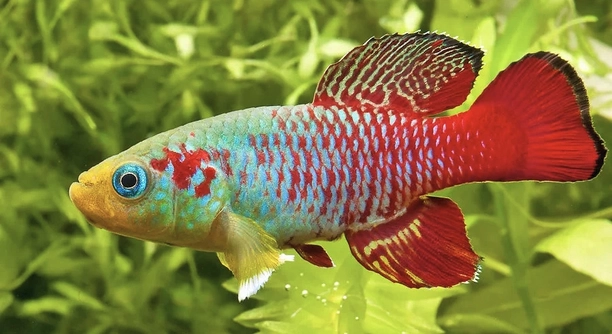
Killi fish are popular in home aquariums for their bright colors and lively behavior. Many fish owners observe them closely to understand their interactions. Knowing when killi fish are fighting can help maintain a peaceful tank environment.
Killi fish fighting is usually indicated by aggressive chasing, flared fins, and biting. These behaviors show dominance struggles or territorial disputes. Recognizing these signs early can prevent injury and stress among the fish, ensuring their well-being in captivity.
Identifying fighting behaviors can help you protect your fish and improve their habitat. Learning these signs makes caring for killi fish easier and more rewarding.
Signs of Aggressive Behavior in Killi Fish
Killi fish display certain behaviors that clearly indicate aggression. One common sign is chasing, where one fish swiftly follows another, often forcing it to hide or swim away. Another is flaring or spreading their fins wide to look larger and more intimidating. This is a common territorial display. You might also see biting or nipping, which can lead to visible injuries like torn fins or scales. These behaviors often happen when the tank is too small or when there are too many males competing for dominance. In some cases, aggression can be subtle at first, but it usually escalates if left unchecked. Observing your fish closely will help you notice the early signs, so you can take action before the situation worsens.
Aggressive behavior typically increases during breeding periods, making it important to monitor interactions carefully at these times.
Reducing stress by providing enough space, hiding spots, and proper tank mates helps keep aggression at a manageable level. Ensuring these conditions prevents constant fighting and promotes healthier, calmer fish.
How to Prevent Fighting Among Killi Fish
Preventing fights starts with creating a suitable environment for the fish. A tank that is large enough allows them to establish territories without constant overlap. Including plants, rocks, and other decorations offers hiding spots and breaks lines of sight, reducing confrontations. It’s important to avoid keeping too many males together, as they tend to compete aggressively. Ideally, one male with multiple females creates a more peaceful setup. Feeding the fish regularly also reduces competition, since hunger can increase aggression. Watching how new fish are introduced is key, as sudden additions can trigger fights. Quarantining new fish before adding them to the main tank can prevent stress and aggression.
Managing aggression requires patience and careful observation of your killi fish’s behavior.
In some cases, separating the most aggressive individuals may be necessary to protect others. Providing a balanced diet and maintaining clean water conditions also supports overall fish health, which reduces stress-related fighting. Understanding the needs and natural behaviors of killi fish is the best way to keep your aquarium calm and enjoyable. If fighting continues despite these efforts, consulting a specialist can help identify specific causes and solutions.
Common Causes of Fighting in Killi Fish
Territorial disputes are a main cause of fighting among killi fish. Males especially defend their space aggressively. Overcrowding in the tank increases stress and conflict. Lack of hiding places can force fish into constant contact, which sparks aggression.
When multiple males share a small tank, their natural instinct to compete for dominance grows stronger. Without enough space to claim, they often chase and nip each other. Females can also become targets during breeding seasons, adding to the tension. Insufficient environmental enrichment leaves fish bored and stressed, worsening fights. Adjusting tank size, layout, and population can greatly reduce these problems.
Ignoring these causes can lead to injuries, poor health, and even death. Watching your fish carefully will help identify triggers early. Changing conditions, like adding plants or rearranging decorations, gives fish options to escape conflict and feel secure.
Recognizing When Fighting Becomes Harmful
Not all fighting is immediately dangerous, but prolonged aggression is a concern. Fish with torn fins, missing scales, or wounds need attention quickly. Constant chasing can exhaust weaker fish, causing stress and illness.
Harmful fights often result in visible damage and behavior changes. A stressed fish may hide more, lose appetite, or become lethargic. These signs mean the tank environment must be improved or aggressive fish separated. If injuries worsen, treatment might be necessary to prevent infection. Maintaining good water quality supports healing and reduces stress during recovery.
Preventing severe fights by early intervention ensures your killi fish stay healthy and active. Keeping the tank well-arranged and balanced limits harm and promotes peaceful interactions. Regular checks make it easier to notice problems before they escalate.
Managing Aggression Through Tank Setup
A well-planned tank layout can reduce aggression significantly. Plants, rocks, and decorations create barriers and hiding spots. These help fish avoid direct confrontations and reduce stress.
Providing enough space for each fish is important. Overcrowding increases fights and stress.
Using Tank Mates to Reduce Fighting
Choosing compatible tank mates helps balance aggression. Peaceful species that don’t compete for territory or food are best. Avoid adding aggressive or similarly territorial fish. Tank mates that keep to different levels of the tank also reduce encounters and conflicts.
When to Separate Fighting Fish
If aggression is severe or persistent, separating aggressive fish is necessary. This prevents injuries and allows the tank to return to calm. Separation can be done with a divider or by moving fish to a separate tank temporarily.
Monitoring Fish Behavior Regularly
Regular observation helps catch problems early. Watching for changes in behavior or signs of injury ensures quick action before fights worsen.
FAQ
How can I tell if my killi fish are just playing or actually fighting?
Killi fish sometimes chase each other as part of social interaction or mating behavior, which can look like fighting but usually lacks biting or fin damage. Playful chasing tends to be brief and less intense. If you notice flared fins, biting, or persistent chasing causing stress or injury, it is likely aggressive fighting. Watching closely over time helps differentiate normal behavior from harmful aggression.
What should I do if my killi fish are fighting?
Start by checking the tank conditions. Make sure the tank is large enough and has plenty of plants or hiding spots. Remove or separate overly aggressive fish if fights continue. Regular feeding and maintaining clean water reduce stress, which often lowers aggression. In some cases, rearranging decorations breaks established territories and calms the fish.
Can all killi fish be kept together peacefully?
Not all killi fish get along well, especially males of the same species. Some species are more aggressive by nature. Mixing too many males increases fighting risks. A good rule is to keep one male with multiple females or keep males separated. Adding peaceful tank mates can help, but careful selection is important.
How can I prevent fighting in a new killi fish tank?
Start with a well-planned tank that includes hiding spaces and enough room for all fish. Introduce fish slowly, ideally quarantining new arrivals first. Avoid overcrowding and watch interactions closely after adding new fish. Feeding regularly and maintaining good water quality also help prevent stress-related aggression.
Is it normal for killi fish to fight during breeding?
Yes, breeding can trigger increased aggression, especially from males protecting territories or courting females. This behavior usually calms down once spawning is complete. Providing extra hiding spots and space during this time reduces injury risks. If fighting is severe, separating aggressive males temporarily may be necessary.
What injuries should I watch for from fighting?
Look for torn or ragged fins, missing scales, red or inflamed areas, and open wounds. These injuries can lead to infection if untreated. Behavioral changes like hiding, reduced appetite, or lethargy often accompany physical damage. Early detection helps prevent worsening health problems.
How do I treat injured killi fish?
Isolate injured fish in a clean hospital tank with proper water conditions. Use antibacterial treatments if wounds appear infected. Regular water changes and a nutritious diet support healing. Avoid stressing the fish further by minimizing handling and keeping the tank quiet during recovery.
Can tank decorations reduce fighting?
Yes, decorations create natural barriers that limit direct line-of-sight between fish, which helps reduce territorial aggression. Plants, rocks, and driftwood offer hiding places and break up open swimming areas. Rearranging decorations occasionally can disrupt established territories and calm aggressive behaviors.
Is overcrowding the main cause of fighting?
Overcrowding is a common cause but not the only one. Even in a large tank, aggressive behavior can occur without enough hiding places or if too many males are present. Proper tank size, population control, and environmental enrichment all play key roles in preventing fights.
Should I remove aggressive fish permanently?
If a fish consistently causes harm and stress to others despite environmental changes, permanent removal may be best for the tank’s health. Some individuals are naturally more aggressive and don’t adjust well. Prioritizing the well-being of the group helps maintain a peaceful aquarium.
Final Thoughts
Understanding the behavior of killi fish is important for anyone who keeps them in an aquarium. Fighting among these fish is a natural part of their life, especially when males compete for territory or during breeding times. Recognizing the signs of aggression early, such as chasing, flared fins, or biting, helps prevent serious injury and stress. It is important to observe your fish regularly so you can notice when behavior changes or problems arise. By staying attentive, you can create a safer environment where your fish can thrive without constant conflict.
Managing aggression is mostly about creating the right living conditions. A tank that is large enough, with plenty of plants, rocks, and hiding spots, gives each fish space to feel secure. This reduces the need for fighting over territory. Keeping the number of males limited and adding peaceful tank mates can also help keep aggression in check. Feeding fish well and maintaining clean water lowers stress, which further reduces fighting. If aggression continues despite these efforts, separating the most aggressive fish may be necessary to protect the others.
Caring for killi fish means balancing their natural behaviors with their needs in captivity. While some level of aggression is normal, preventing constant fighting improves the health and happiness of your fish. Paying attention to tank setup, population, and fish behavior can make a big difference. When fights do happen, early intervention protects fish from injury and stress. With the right care and environment, killi fish can be lively, colorful, and peaceful additions to your aquarium.

Hello,
If you enjoy the content that we create, please consider saying a "Thank You!" by leaving a tip.
Every little bit helps us continue crafting quality advice that supports the health, happiness, and well-being of pets around the world, for pets of all shapes, sizes, and species.
We really appreciate the kindness and support that you show us!