
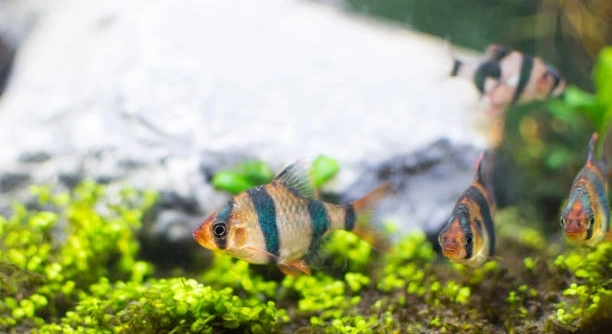
Tiger barbs are lively, colorful fish often kept in home aquariums. Their behavior and appearance can reveal a lot about their well-being. Knowing how to recognize signs of happiness in tiger barbs helps ensure they thrive in their environment.
Tiger barbs display happiness through active swimming, bright coloration, and social interaction with their tank mates. Healthy appetite and calm, responsive behavior are also key indicators of their well-being in captivity.
Recognizing these signs helps maintain a balanced aquarium where tiger barbs can live comfortably and healthily. Understanding their needs is essential for long-term care.
Signs of a Happy Tiger Barb
A happy tiger barb shows several clear signs that indicate it is comfortable in its environment. One of the most noticeable signs is vibrant color. When tiger barbs feel secure and healthy, their stripes become sharper and their colors more vivid. They also swim actively throughout the tank, exploring different areas and interacting with other fish. A calm, steady swimming pattern without erratic or nervous movements is a positive indicator. Additionally, happy tiger barbs tend to eat well and respond quickly to feeding times. Their social nature means they prefer to stay in groups, so if you see them schooling together peacefully, it suggests they are content. Avoiding hiding or sluggish behavior also points to good health. Monitoring these behaviors helps maintain their happiness and prevents stress, which can affect their overall condition and lifespan.
Maintaining a stable environment is crucial for these signs to appear consistently.
Proper water quality and tank conditions support tiger barbs’ well-being, ensuring these behaviors remain steady.
Creating a Suitable Habitat
Tiger barbs need specific conditions to stay happy and healthy. A tank size of at least 20 gallons is recommended to provide enough swimming space. The water should be kept clean with regular changes, maintaining a temperature between 74°F and 79°F. pH levels should stay between 6.0 and 7.5, reflecting their natural habitat. Adding plants and hiding spots creates a comfortable environment, helping reduce stress. A balanced diet with high-quality flakes or pellets, supplemented with occasional live or frozen foods, supports their health. It is important to keep them in groups of at least six, as they are schooling fish and thrive socially. Avoid keeping them with overly aggressive species to prevent bullying. These care practices promote a peaceful and stable tank where tiger barbs can exhibit natural behaviors and stay happy.
Common Stress Signs in Tiger Barbs
Stress in tiger barbs often shows through changes in behavior and appearance. They may become less active, lose their vibrant color, or isolate themselves from the group. Frequent hiding or erratic swimming are also indicators of stress.
Stress can be caused by poor water quality, overcrowding, or incompatible tank mates. If the water parameters are off, tiger barbs may show signs of distress quickly. Overcrowding limits swimming space, increasing aggression and tension. Additionally, aggressive fish nearby can cause bullying, leading to stress. Identifying and addressing these issues early helps reduce stress and improves fish health.
Stress weakens the immune system, making tiger barbs prone to diseases. Regular monitoring and maintaining ideal conditions prevent these problems and support their overall happiness.
Feeding Habits and Happiness
Feeding habits offer insight into a tiger barb’s well-being. Consistent appetite and eagerness during feeding are signs of good health and contentment. A sudden loss of interest in food can signal stress or illness, requiring immediate attention.
A balanced diet is essential for happiness. Tiger barbs benefit from varied food, including high-quality flakes, pellets, and occasional live or frozen options. Overfeeding should be avoided to maintain water quality. Feeding small amounts two to three times daily mimics their natural eating patterns. Observing their feeding behavior also allows for early detection of health problems. Maintaining proper nutrition supports their energy levels, coloration, and activity, all linked to happiness in these fish.
Social Behavior of Tiger Barbs
Tiger barbs are naturally social fish that thrive in groups. They feel more secure and display natural behaviors when kept in schools of six or more.
Keeping fewer than six often leads to aggression or stress. Their social nature is essential for their happiness.
Interaction with Tank Mates
Tiger barbs are active and sometimes nippy, so their tank mates should be chosen carefully. Peaceful but robust fish tend to coexist better.
Avoid slow-moving or long-finned species, as tiger barbs may nip fins. Selecting compatible tank mates helps maintain harmony and reduces stress for all fish.
Tank Maintenance Importance
Regular tank maintenance is critical. Clean water keeps tiger barbs healthy and stress-free, supporting their happiness.
Environmental Enrichment
Adding plants, rocks, and hiding spots mimics natural habitats and enriches their environment, promoting well-being.
FAQ
How can I tell if my tiger barbs are stressed?
Signs of stress include dull coloration, hiding more than usual, loss of appetite, and erratic swimming. They may also isolate themselves from the group or display aggression. Stress often results from poor water quality, overcrowding, or incompatible tank mates.
What should I do if my tiger barbs are stressed?
Check water parameters immediately, including temperature, pH, ammonia, nitrite, and nitrate levels. Perform a partial water change if needed. Ensure the tank is not overcrowded and remove aggressive fish. Adding plants and hiding spots can also reduce stress.
How many tiger barbs should I keep together?
It’s best to keep at least six tiger barbs together. They are schooling fish and rely on their group for security. Smaller groups may lead to increased aggression and stress among the fish.
What kind of diet do tiger barbs need?
Tiger barbs thrive on a varied diet. Use high-quality flakes or pellets as their staple food, and supplement occasionally with live or frozen foods like bloodworms or brine shrimp. Feed them small portions two to three times a day to maintain water quality.
Why do tiger barbs nip at other fish?
Nipping is a natural behavior, especially in smaller groups or when they feel stressed. They often nip at slow-moving or long-finned fish. Providing a proper school size and choosing compatible tank mates can reduce this behavior.
What water conditions do tiger barbs prefer?
Ideal water temperature is between 74°F and 79°F, with a pH ranging from 6.0 to 7.5. They prefer slightly soft to moderately hard water. Consistent water quality is important to prevent stress and disease.
Can tiger barbs live with other fish?
Yes, but tank mates should be chosen carefully. Peaceful, active fish that are not easily targeted by nipping work best. Avoid slow or long-finned fish like angelfish or bettas, as they may become targets.
How often should I clean the tank?
Perform partial water changes of about 20-30% every one to two weeks. Regular cleaning keeps water parameters stable and reduces toxins. Also, clean the filter and remove debris to maintain a healthy environment.
What are common health problems in tiger barbs?
Common issues include fin rot, ich, and fungal infections, often caused by poor water quality or stress. Early signs include clamped fins, white spots, or lethargy. Prompt treatment and maintaining good tank conditions prevent most diseases.
How long do tiger barbs typically live?
With proper care, tiger barbs can live between five and seven years. Their lifespan depends on maintaining stable water conditions, a balanced diet, and a stress-free environment.
Tiger barbs are lively and social fish that show clear signs of happiness when their needs are met. Observing their behavior, color, and interactions with other fish can provide a good indication of their well-being. Active swimming, bright coloration, and peaceful schooling are all positive signs. Ensuring a stable environment with clean water, proper tank size, and compatible tank mates supports these behaviors. Paying close attention to their feeding habits is also important, as a good appetite often reflects good health.
Creating the right habitat is key to keeping tiger barbs happy. Their natural environment includes plenty of swimming space, stable water conditions, and places to hide or explore. Providing these conditions in the home aquarium helps reduce stress and prevents health issues. Regular maintenance, such as water changes and cleaning, keeps the tank safe and comfortable. Including plants and decorations that mimic their natural surroundings adds environmental enrichment. These small details contribute to a healthy, balanced ecosystem where tiger barbs can thrive.
Taking care of tiger barbs requires consistent effort and observation. Recognizing early signs of stress or illness can prevent serious problems. Avoiding overcrowding and choosing suitable tank mates helps maintain peace in the aquarium. Feeding a varied, balanced diet supports their energy and coloration. Overall, understanding and meeting their basic needs leads to a happier, healthier life for tiger barbs. Maintaining these practices benefits both the fish and the aquarium environment.

Hello,
If you enjoy the content that we create, please consider saying a "Thank You!" by leaving a tip.
Every little bit helps us continue crafting quality advice that supports the health, happiness, and well-being of pets around the world, for pets of all shapes, sizes, and species.
We really appreciate the kindness and support that you show us!