
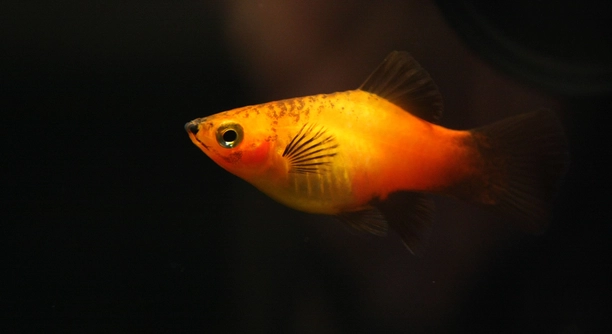
Platies are popular freshwater fish that many enjoy keeping in home aquariums. Their colorful appearance and peaceful nature make them a favorite among beginners and experienced fishkeepers alike. Recognizing changes in a platy’s behavior or appearance can signal important health developments.
A platy is pregnant when its abdomen appears swollen or rounded, and a dark gravid spot becomes visible near the anal fin. Additionally, changes in behavior such as increased hiding or slower swimming can indicate pregnancy in these live-bearing fish.
Knowing how to identify a pregnant platy helps ensure proper care and a healthy environment for both the mother and her fry throughout the gestation period.
Signs to Look for When a Platy Is Pregnant
Pregnant platies show several clear signs that help identify their condition early. One of the most obvious signs is the swelling of the belly, which grows rounder as the fry develop inside. You may also notice a dark spot near the anal fin, called the gravid spot, which becomes more pronounced. Behavior changes often accompany physical signs. Pregnant platies might swim more slowly or hide more frequently than usual, seeking calm and safety. They can also become less active and show less interest in food as the birth time approaches. Watching for these signs helps provide the right care during pregnancy, such as reducing stress and preparing a safe space for the fry once they are born. It’s important to observe your fish regularly because early recognition allows you to act quickly to maintain a healthy environment for both mother and babies.
These signs are consistent and easy to track with regular aquarium observation.
Keeping a close eye on these indicators will help you support your platy’s health effectively during pregnancy.
Caring for a Pregnant Platy
Pregnant platies need special care to stay healthy until they give birth. Maintaining clean water and stable temperature is essential to reduce stress. Feeding smaller, more frequent meals of high-quality food helps meet their nutritional needs without overfeeding. Providing hiding places like plants or decorations gives the platy comfort and a sense of security. Avoid disturbing the tank or moving the pregnant platy too much, as stress can cause complications or premature birth. Preparing a separate breeding tank or a safe area within the main tank is helpful for protecting newborn fry from other fish that might eat them. After birth, removing the mother quickly can also prevent her from eating the babies. Proper care during pregnancy helps ensure a smoother birth process and increases fry survival rates. By adjusting tank conditions and diet, you support the platy through this important time.
Preparing for the Birth of Platy Fry
The birth of platy fry happens quickly once labor begins. It’s important to have a safe and quiet area ready where the mother can give birth without disturbance. A breeding tank or a sectioned-off area with plenty of plants helps protect the newborns.
During labor, the mother may appear restless or hide more often. Fry are born fully formed but very small and vulnerable. After birth, the mother might eat some of the fry, so it’s a good idea to remove her promptly. Providing fine-leaved plants or spawning mops offers hiding spots for fry, increasing their chances of survival. Ensuring the water is clean and well-oxygenated is also important to keep the fry healthy in their first days.
After birth, feeding fry specialized foods like crushed flakes or baby brine shrimp supports their early growth. Keeping the environment stable and clean will help the fry thrive.
Common Issues During Platy Pregnancy
Some platies face complications during pregnancy such as stress or illness that affect the health of both mother and fry. Water quality problems, overcrowding, and sudden changes in tank conditions can cause premature birth or death of fry. Regular monitoring of water parameters like temperature, pH, and ammonia is necessary to avoid these issues.
If the mother appears lethargic, loses appetite, or shows signs of injury, it may indicate a problem requiring immediate attention. In some cases, platies can develop dropsy or bacterial infections during pregnancy. Isolating the sick fish and providing appropriate treatment can increase survival chances. Taking preventive measures such as maintaining good tank hygiene and avoiding overcrowding reduces stress and supports healthy pregnancies. Early detection and intervention are key to preventing complications in platy breeding.
Feeding a Pregnant Platy
Pregnant platies require nutrient-rich food to support both their health and the developing fry. High-quality flakes, frozen bloodworms, and brine shrimp are excellent choices. Feeding smaller portions several times a day prevents overfeeding and maintains water quality.
A varied diet strengthens the mother and improves fry survival. Including live or frozen foods increases protein intake, which is vital during pregnancy. Avoid feeding only one type of food, as variety helps meet all nutritional needs. Proper feeding supports healthy development and keeps the mother strong throughout the pregnancy.
Tank Setup for Pregnant Platies
A well-planted tank with plenty of hiding spots provides comfort and security for pregnant platies. Dense vegetation or artificial plants offer places to retreat, reducing stress during pregnancy and birth.
When to Separate the Pregnant Platy
Separating the pregnant platy into a breeding tank is recommended if the main tank has aggressive or larger fish that may harm the fry. This step helps protect both mother and babies during the birthing process.
Monitoring Your Platy’s Health
Keep a close watch on your platy’s behavior and physical condition throughout pregnancy. Early detection of changes ensures prompt care.
FAQ
How long does a platy stay pregnant?
The typical gestation period for a platy is about 24 to 30 days. This can vary slightly depending on water temperature, diet, and the overall health of the fish. Warmer water tends to speed up the process, while cooler water may slow it down. Keeping the tank stable helps maintain a predictable schedule.
Can you tell if a platy is pregnant by behavior alone?
Behavior changes can hint at pregnancy, but they aren’t always reliable alone. Pregnant platies often become less active, hide more, and may eat less as birth approaches. Still, these signs might also indicate stress or illness, so it’s best to confirm with physical signs like the swollen belly or gravid spot.
Do platies give birth to live young or lay eggs?
Platies are livebearers, meaning they give birth to fully formed, free-swimming fry instead of laying eggs. This means the fry are more developed and can start swimming and eating shortly after birth.
How many fry can a platy have at once?
A platy can give birth to anywhere from 20 to 50 fry at one time. The number varies based on the mother’s size, age, and health. Larger and healthier platies generally produce more fry. High-quality care before and during pregnancy supports larger, healthier broods.
Should the mother be removed from the tank after giving birth?
Yes, removing the mother after birth is usually necessary because platies may eat their fry. Moving her to a separate tank or area helps protect the newborns. If you cannot separate them, providing dense plants or breeding traps may give the fry places to hide.
What do platy fry eat?
Newborn fry can eat finely crushed flakes, baby brine shrimp, and specially prepared fry food. It’s important to feed small amounts frequently to support their rapid growth. Clean water and good nutrition increase fry survival rates.
Can you prevent a platy from becoming pregnant?
Preventing pregnancy usually means keeping only one gender in the tank. Since platies breed easily, having only males or only females will stop reproduction. However, many keepers prefer a mixed group because platies are peaceful and enjoyable to watch.
What causes a platy to have a miscarriage?
Stress, poor water quality, sudden temperature changes, and illness can cause a platy to miscarry. Overcrowding and aggressive tankmates also add to the risk. Maintaining a calm, clean, and stable environment reduces chances of miscarriage.
How do you know when a platy is about to give birth?
Signs include the belly becoming very large and firm, the mother hiding more often, and sometimes restlessness or rubbing against objects. Birth usually happens within a few days after these signs appear.
Is it necessary to use a separate breeding tank?
A separate breeding tank is not always necessary but is recommended if you want to protect the fry or reduce stress on the mother. It makes caring for the pregnant platy easier and improves fry survival chances by limiting exposure to other fish.
Can platies get pregnant again right after giving birth?
Yes, platies can become pregnant again very soon after giving birth. They are capable of storing sperm and fertilizing eggs multiple times from one mating, which means continuous breeding can happen if conditions are right.
How can water temperature affect platy pregnancy?
Water temperature influences how fast the fry develop. Warmer temperatures (around 75-80°F) usually speed up gestation, while cooler water slows it down. Keeping the temperature stable supports healthy growth for both mother and fry.
Are there any signs of health problems in pregnant platies to watch for?
Look for lethargy, loss of appetite, bloating that looks abnormal, or unusual swimming patterns. These can indicate illness or stress. Promptly addressing water quality and providing proper care helps prevent serious issues.
How often should you check on a pregnant platy?
Daily observation is best. Checking for physical changes and behavior helps catch problems early. Regular water tests also keep the tank environment safe and stable throughout the pregnancy.
Can stress cause problems during platy pregnancy?
Stress is one of the main factors that can harm pregnant platies. It can lead to premature birth, miscarriage, or illness. Reducing sudden changes, handling, or aggressive tankmates lowers stress and supports a healthy pregnancy.
What is the best diet to feed a pregnant platy?
A balanced diet rich in protein is best. Include high-quality flakes, frozen or live foods like bloodworms or brine shrimp, and some vegetable matter. This mix supports both the mother’s health and fry development. Feeding smaller amounts multiple times daily prevents waste buildup.
How long after birth do the fry need special care?
Fry require extra care for at least the first few weeks. During this time, they need clean water, frequent small feedings, and protection from other fish. Gradually, as they grow, their diet and care can become more like adult fish.
Final thoughts on recognizing and caring for a pregnant platy center around observation, proper care, and preparation. Being able to identify the signs of pregnancy early helps ensure that both the mother and the fry receive the best environment possible. Physical signs such as a swollen belly and a dark gravid spot near the anal fin are clear indicators. Behavioral changes like increased hiding or slower movement also provide important clues. Keeping a close eye on these changes allows for timely adjustments in care and tank conditions.
Proper care during pregnancy involves maintaining clean water, stable temperatures, and a nutritious diet. Feeding the mother high-quality foods in smaller portions several times a day supports her health and the development of the fry. Providing plenty of hiding spots in the tank helps reduce stress for the pregnant platy and later offers protection to the newborns. If possible, using a separate breeding tank or a safe section within the main tank improves the chances of fry survival by reducing risks from other fish.
Preparing for birth and the days that follow is also essential. The mother may show signs of restlessness or increased hiding when labor is near. After birth, it’s important to protect the fry, either by moving the mother or ensuring there are enough places for the babies to hide. Feeding the fry with specialized food supports their growth in these early stages. By observing, caring, and preparing well, keeping pregnant platies can be a rewarding experience that results in healthy fish and thriving fry.

Hello,
If you enjoy the content that we create, please consider saying a "Thank You!" by leaving a tip.
Every little bit helps us continue crafting quality advice that supports the health, happiness, and well-being of pets around the world, for pets of all shapes, sizes, and species.
We really appreciate the kindness and support that you show us!