
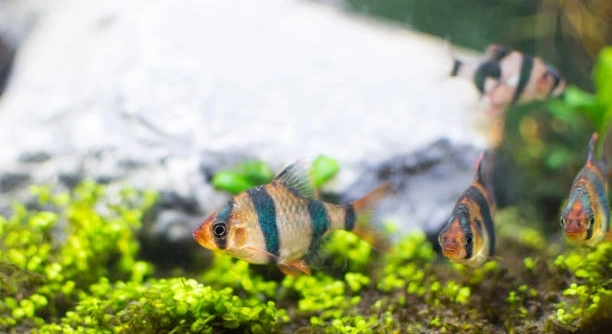
Tiger barbs are popular freshwater fish known for their vibrant colors and active behavior. Many aquarium enthusiasts want to understand how these fish rest and sleep to better care for them. Observing their sleep habits helps create a comfortable environment.
Tiger barbs sleep by slowing their movements and hovering near the bottom or among plants. They remain alert to surroundings while resting and do not close their eyes, as fish lack eyelids. Their sleep is light but essential for health.
Knowing how tiger barbs sleep can improve tank setup and care routines. This article shares detailed observations that can help you support your fish’s well-being.
Where Tiger Barbs Prefer to Sleep
Tiger barbs usually choose quiet, sheltered spots in the aquarium to rest. These areas include places near plants, decorations, or the tank bottom where they feel protected. They avoid open spaces when sleeping, which helps reduce stress from potential threats. Even when resting, they stay somewhat alert to changes in their surroundings. Their bodies slow down, but their fins often keep moving gently to maintain balance. The light level in the tank affects their sleep pattern. When the lights dim, tiger barbs become less active and prepare to rest. They do not have eyelids, so their eyes remain open during sleep. This behavior is common among many fish species, including tiger barbs. Providing hiding spots and maintaining a stable, calm environment encourages healthy sleep habits. When the tank is well arranged, tiger barbs show less anxiety and more restful sleep.
Creating these conditions benefits their overall health and activity during the day.
Their preference for sheltered areas highlights the importance of tank design in promoting natural sleep behavior.
How Light and Environment Affect Sleep
Light plays a key role in signaling tiger barbs when to sleep.
Tiger barbs rely on light cycles to regulate their activity and rest. In a typical aquarium, a consistent day-night light schedule helps them maintain normal sleep habits. Bright light encourages activity, while dim or no light signals time to rest. Sudden changes in lighting or constant light can disturb their sleep, causing stress or irregular behavior. Besides lighting, water temperature and quality also influence sleep. Cooler temperatures may reduce activity, encouraging longer rest periods. Clean water and stable conditions prevent discomfort that could disrupt sleep. Observing these factors allows caretakers to create an environment that supports tiger barbs’ natural rhythms. Consistency is key to helping tiger barbs feel secure and maintain healthy sleep patterns.
Understanding these environmental effects can improve your fish’s comfort and health in the aquarium.
Signs That Tiger Barbs Are Sleeping
Tiger barbs reduce their activity and hover quietly near the tank bottom or plants. Their fins move slowly, and they stop chasing other fish. Their eyes remain open but appear less focused.
During sleep, tiger barbs become still and calm. Unlike mammals, they do not close their eyes. Instead, they keep their eyes open to stay alert for threats. Their bodies slow down, and they may stay in one spot for several minutes at a time. They stop showing aggressive or active behavior common during the day. If disturbed, they quickly swim away, showing their alertness even during rest. Watching these subtle changes helps recognize when tiger barbs are truly resting.
Not all resting behavior means sleep, but the combination of low activity and calm movement usually indicates rest.
Creating an Ideal Sleep Environment
Consistent light-dark cycles are essential for tiger barbs’ rest.
Maintaining a regular schedule of about 10 to 12 hours of light and darkness supports their natural rhythms. Use dim lighting or a night light during dark periods to avoid startling them. Provide plenty of hiding spots like plants or caves for a secure space. Keep water temperature stable, ideally between 74 and 79°F, to prevent stress. Avoid sudden noise or vibrations around the tank, as tiger barbs are sensitive and may wake easily. A calm, predictable environment reduces stress and encourages healthy sleep cycles, leading to more active and vibrant fish during the day.
A well-maintained tank creates the best conditions for tiger barbs to rest and thrive.
Common Misunderstandings About Tiger Barb Sleep
Tiger barbs do not close their eyes when they sleep.
Their sleep is light, and they remain alert to their environment even while resting.
How to Tell Sleep from Illness
If a tiger barb is inactive but shows irregular swimming or stays at the surface gasping, it may be ill. Healthy resting fish remain near the bottom or plants and respond quickly to stimuli.
Impact of Tank Mates on Sleep
Aggressive or overly active tank mates can disturb tiger barbs’ rest. Keeping compatible species helps ensure peaceful sleep periods.
Sleep Duration of Tiger Barbs
Tiger barbs typically rest for several hours during the night, following the aquarium’s light cycle.
How long do tiger barbs sleep each day?
Tiger barbs usually rest for about 8 to 12 hours daily, mostly during the night. Their sleep follows the light cycle of the aquarium, becoming less active as the lights dim. Daytime naps are rare since they remain busy and alert. This pattern helps maintain their health and energy.
Do tiger barbs close their eyes when they sleep?
No, tiger barbs do not close their eyes while sleeping. Like many fish, they lack eyelids. Their eyes stay open to monitor the environment and stay alert for any danger. Their sleep is a light rest with slow movements rather than deep unconscious sleep.
Where do tiger barbs prefer to sleep in the tank?
They tend to rest near the bottom or among plants and decorations. These sheltered spots give them a sense of security while they sleep. Open spaces make them feel vulnerable, so they avoid resting there. Providing hiding places supports their natural behavior.
Can tiger barbs sleep standing still?
Tiger barbs rarely sleep completely still. They usually hover gently or make small fin movements to stay balanced. This slight motion helps them maintain position in the water and react quickly if disturbed. Total stillness is uncommon in healthy fish.
How can I tell if my tiger barb is sleeping or sick?
Sleeping tiger barbs rest quietly but respond quickly to movement or changes in the tank. Sick fish may float at the surface, gasp for air, or show erratic swimming. Lack of appetite and faded colors also suggest illness. Observing behavior carefully helps distinguish rest from health issues.
Does tank lighting affect tiger barb sleep?
Yes, lighting strongly influences their rest cycle. Consistent light and dark periods help regulate their natural rhythms. Sudden changes or continuous light can disrupt sleep, causing stress or unusual behavior. Using a timer for aquarium lights supports a healthy schedule.
Do tiger barbs need total darkness to sleep?
Total darkness is not necessary, but dim lighting helps signal bedtime. Many aquarists use a low-level night light to avoid startling the fish. Soft lighting simulates natural conditions and supports their sleep without causing stress.
Do other fish affect tiger barb sleep?
Yes, tank mates impact rest quality. Aggressive or noisy fish can disturb tiger barbs, making it harder for them to rest. Choosing peaceful and compatible species creates a calm environment, encouraging better sleep for all fish.
Can tiger barbs sleep during the day?
They rarely sleep during the day because they are active and social. Most rest occurs at night when the tank is darker and quieter. However, if stressed or tired, they may pause briefly during daylight hours.
What role does water temperature play in tiger barb sleep?
Stable water temperature between 74 and 79°F supports normal activity and rest cycles. If the water is too cold or too warm, tiger barbs may become lethargic or restless, affecting their sleep quality. Consistent temperature helps maintain healthy sleep patterns.
Is it normal for tiger barbs to sleep in groups?
Yes, tiger barbs often rest close to each other. Group sleeping provides a sense of safety and reduces stress. When resting together, they tend to hover in calm spots near plants or decorations.
Can stress affect how tiger barbs sleep?
Stress interrupts sleep by increasing alertness and activity. Causes include poor water quality, aggressive tank mates, or sudden changes in the environment. Reducing stress through good tank care promotes restful sleep and overall health.
How often do tiger barbs change their sleeping spots?
They may switch resting places depending on comfort and tank conditions. Changes in lighting, water flow, or decorations can influence their preferred spots. Providing multiple hiding areas allows them to choose where they feel safest.
Do tiger barbs dream?
There is no scientific evidence that tiger barbs or any fish experience dreams. Their sleep is light and mainly for rest and recovery rather than deep mental activity seen in mammals.
Should I turn off the aquarium light at night for tiger barbs?
Turning off the light or using a dim night light at night helps tiger barbs follow a natural rest cycle. It signals bedtime and supports their health. Avoid leaving the light on constantly to prevent stress and sleep disruption.
Tiger barbs have a unique way of resting that differs from what many people expect. Unlike humans and some animals, they do not close their eyes when they sleep. Instead, their eyes remain open, allowing them to stay alert to their surroundings. Their sleep is light, and they usually hover calmly near the bottom of the tank or among plants and decorations. This resting behavior helps them conserve energy and stay safe from potential threats. Observing these habits can help fish keepers create a better environment for tiger barbs, ensuring their well-being and comfort.
Creating an ideal space for tiger barbs to rest involves maintaining a stable and calm aquarium environment. Consistent lighting that mimics natural day and night cycles is important. Too much light or sudden changes can cause stress and disrupt their sleep. Providing plenty of hiding spots like plants, caves, or decorations gives tiger barbs places to feel secure while resting. Water temperature should also be stable, ideally between 74 and 79 degrees Fahrenheit, to support their natural rhythms. Minimizing disturbances such as loud noises or aggressive tank mates further promotes restful sleep and helps tiger barbs stay healthy and active.
Understanding how tiger barbs sleep can improve the overall care they receive. It helps identify normal resting behavior versus signs of illness or stress. When tiger barbs show calm and reduced movement, it usually means they are resting well. If they behave unusually or seem inactive during the day, this could indicate a health problem. Providing a consistent environment and observing their sleep patterns closely allows caretakers to make adjustments for better fish care. Supporting tiger barbs’ natural sleep needs ultimately contributes to a happier and healthier aquarium.

Hello,
If you enjoy the content that we create, please consider saying a "Thank You!" by leaving a tip.
Every little bit helps us continue crafting quality advice that supports the health, happiness, and well-being of pets around the world, for pets of all shapes, sizes, and species.
We really appreciate the kindness and support that you show us!