
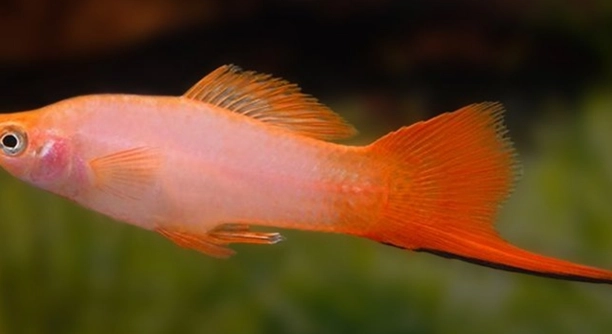
Swordtails are popular aquarium fish, often admired for their lively colors and active nature. Many aquarium owners pair them with snails, hoping for a peaceful and harmonious environment. Understanding how these creatures interact can help create a balanced tank.
Swordtails typically ignore snails, as they are not a natural food source. However, some swordtails may nip at snails’ antennae, especially when they are curious or in a confined space. Overall, swordtails do not pose a significant threat to snails.
There are a few considerations to keep in mind when keeping swordtails and snails together. Understanding their behavior can help ensure both species thrive in your aquarium.
Swordtail Behavior in the Tank
Swordtails are known for their playful and active nature. They spend most of their time swimming and exploring their environment, often interacting with other fish. When placed in a tank with snails, their curiosity can lead them to inspect the snails, especially when the snails are moving around. This interaction is typically harmless, as swordtails are not predators of snails. However, it’s important to ensure that your swordtails are not feeling stressed, as stress can make them more aggressive. In larger tanks, swordtails have more room to roam, which usually minimizes any conflict with snails. Keeping the tank clean also reduces the chances of any unwanted interactions, ensuring both species thrive.
While swordtails are not likely to attack snails, their active swimming and occasional nipping at other creatures can sometimes cause discomfort for snails. It’s a good idea to observe your tank regularly to make sure everyone is at ease. Snails are generally good at avoiding the fish, but certain circumstances might change the dynamic.
Swordtails and snails tend to coexist well in a peaceful tank setup. Snails are great cleaners, helping to keep the tank free from algae and debris, while swordtails bring vibrant colors and movement. However, some swordtails might show interest in the snails’ shells, nudging or investigating them out of curiosity. This isn’t a sign of aggression, but rather a normal behavior of swordtails exploring their surroundings. If you notice any issues between the swordtails and snails, such as the swordtails becoming too persistent or snails avoiding certain areas, consider adding more hiding spots for the snails. This way, they can feel secure without being disturbed.
Tips for Maintaining Peace Between Swordtails and Snails
When pairing swordtails with snails, creating the right environment is essential. Snails enjoy calm, stable surroundings, so avoiding overcrowded tanks is key.
Make sure to provide enough hiding spots for the snails, like rocks or plants. Swordtails may not intentionally harm them, but having a place to retreat will help reduce stress. Regular tank maintenance, like cleaning the substrate and removing any uneaten food, will ensure the water quality stays high, preventing any unwanted interactions.
Snail Species Suitable for Swordtail Tanks
When choosing snails for a tank with swordtails, it’s important to pick species that are hardy and peaceful. Common snail options include nerite snails, ramshorn snails, and mystery snails. These snails can coexist with swordtails without posing a threat. Their slow movements and algae-eating habits can help keep the tank clean while not disturbing the fish.
Nerite snails are a popular choice because they are excellent algae eaters. They also have a hard shell, which helps protect them from any accidental nips by swordtails. Mystery snails are another good option, with their calm behavior and ability to clean up uneaten food. They also come in a variety of colors, adding some visual interest to the tank. Ramshorn snails, while smaller, are easy to care for and reproduce in a well-maintained environment. Just be cautious with their population to avoid overcrowding.
While these species are typically safe for swordtail tanks, it’s important to monitor the interactions closely. Swordtails may show curiosity towards snails, but they usually won’t go out of their way to harm them. However, snails are more vulnerable to aggressive fish species, so it’s crucial to ensure a peaceful tank environment.
Tank Setup and Water Conditions
Swordtails and snails both thrive in a well-maintained tank with proper water conditions. Swordtails prefer a slightly acidic to neutral pH level, with temperatures between 72°F and 82°F. Snails, on the other hand, generally tolerate a broader range of conditions, but a stable environment will benefit both species.
To maintain a harmonious tank, it’s important to use a good filtration system that keeps the water clean without creating too much current, as swordtails enjoy swimming in calm waters. Snails will also appreciate clear, clean water since they are sensitive to poor water quality. Additionally, regular water changes help maintain healthy conditions, reducing the risk of algae blooms, which could impact the snails’ ability to clean the tank. Using an aquarium heater can help maintain the ideal temperature, ensuring both species feel comfortable.
Proper substrate is another factor to consider. Swordtails like to rest on the bottom, and snails will need something smooth to glide on, like sand or fine gravel. Sharp-edged gravel can damage their soft bodies. Creating hiding spots and offering plants gives both swordtails and snails places to rest or hide if needed.
Potential Issues Between Swordtails and Snails
While swordtails and snails generally coexist peacefully, there can be some challenges. Swordtails may occasionally nip at the snails’ antennae or shells, especially if they are feeling stressed or confined in a small space. This can cause harm to the snails.
To reduce any issues, ensure the tank is large enough to provide space for both species to move freely. Snails should also have enough places to hide or rest. If the swordtails are overly aggressive, adding more plants or rocks will create refuges for the snails, helping them feel secure.
Feeding and Diet Considerations
Swordtails are omnivores and will readily accept a variety of foods, including flakes, pellets, and live or frozen options like brine shrimp. Snails, on the other hand, are primarily herbivores and need a diet of algae, plant matter, and occasional calcium supplements to maintain their shells.
It’s important to feed snails foods like algae wafers, spinach, or zucchini to supplement their diet. Swordtails might try to nibble on the food meant for snails, but if both species have access to their respective meals, they won’t compete much for food. A varied feeding schedule ensures both species get the nutrition they need.
Swordtail Tankmates
Swordtails can live peacefully with many other species, including other peaceful fish like tetras and guppies. Their social and active nature allows them to get along with most non-aggressive tankmates.
It’s best to avoid aggressive fish that could stress or harm swordtails. When selecting tankmates, choose species with similar care requirements to ensure that both the swordtails and snails remain healthy.
FAQ
Can swordtails harm snails?
Swordtails are not naturally inclined to harm snails. They may show curiosity by nudging or inspecting snails, especially their shells. However, in most cases, swordtails do not actively attack snails. The primary concern might be swordtails nipping at the snails’ antennae or soft bodies, but this usually only happens in stressful environments or when the fish are confined to a small space. Providing plenty of hiding spots for the snails and maintaining a calm, spacious environment will reduce the chances of any harm.
What do swordtails eat in a tank with snails?
Swordtails are omnivores, and their diet consists of flakes, pellets, and live or frozen foods. In a tank with snails, swordtails will likely go for the same foods they eat normally. They may also nibble on algae or plants, especially if the tank lacks sufficient food. Snails, being primarily herbivores, will eat algae, detritus, and any leftover food, but swordtails and snails generally won’t fight over food as long as they are both provided with proper nutrition.
Do snails affect swordtails in any way?
In general, snails do not affect swordtails negatively. Snails help clean the tank by eating algae and uneaten food, which can improve water quality. Swordtails might ignore snails most of the time, but they may show curiosity or be interested in the movement of snails. Snails, on the other hand, are not a threat to swordtails and won’t disrupt their behavior or health unless there is a tank imbalance, like poor water quality or overcrowding.
What can I do if my swordtail is being too aggressive with snails?
If your swordtail is becoming too aggressive with snails, first check the tank size. Swordtails are active swimmers, and if they don’t have enough space, they may become stressed and display more aggression. Adding more plants, rocks, or decorations will give the snails places to hide and retreat to when needed. You can also try separating the swordtail for a short period to allow the snails some peace. It’s important to monitor the situation closely and adjust the environment to ensure all tank inhabitants are comfortable.
Can snails and swordtails live together long-term?
Yes, swordtails and snails can live together long-term as long as the tank is well-maintained. Providing proper water conditions, ample hiding spots, and space for both species will help maintain a peaceful environment. Swordtails and snails typically coexist without major issues, as swordtails are not aggressive toward snails. The key is ensuring that the water quality remains high and that neither species feels threatened by the other.
Are there any types of snails that should not be kept with swordtails?
Most snails, including nerite snails, mystery snails, and ramshorn snails, are safe to keep with swordtails. However, avoid species that are aggressive or overly territorial, as these could cause stress to both the swordtails and other tankmates. Additionally, snails that breed rapidly, such as pond snails, could overpopulate the tank and contribute to an imbalance. Keeping a check on snail population and regularly removing excess snails will prevent this issue.
How do I keep my swordtail and snail tank clean?
Maintaining a clean tank is important for both swordtails and snails. Regular water changes, ideally every week or bi-weekly, will keep the water quality stable. Use a good filtration system to remove debris and maintain clarity. Snails will help by eating algae and leftover food, but it’s still essential to manually clean the substrate and remove any uneaten food from the surface to prevent waste buildup. Proper tank maintenance ensures the health of all inhabitants.
What is the best tank size for swordtails and snails?
A tank size of at least 20 gallons is recommended for swordtails and snails. Swordtails are active swimmers and need enough space to move around freely. A larger tank also gives snails more room to roam and allows for better water filtration. If you plan to have multiple swordtails and snails, consider a tank size of 30 gallons or more to keep everyone comfortable and prevent overcrowding.
Do snails reproduce in a tank with swordtails?
Yes, snails can reproduce in a tank with swordtails. Many snail species, such as mystery snails, reproduce by laying eggs, which can attach to tank surfaces like glass, plants, or decorations. If you don’t want snail populations to get out of control, you’ll need to regularly remove eggs or keep their numbers in check. Swordtails generally won’t eat snail eggs but will feed on any dead snails or leftover matter. Make sure to monitor your snail population and adjust accordingly.
Can I add more snails if my swordtails are doing fine with them?
If your swordtails are getting along well with the snails, adding a few more snails can be fine, as long as the tank has enough space and resources to support the increased population. Snails help keep the tank clean by eating algae and leftover food, but too many snails can create waste that could affect water quality. Monitor the tank after adding more snails to ensure everything remains in balance. Avoid adding too many at once, as this could lead to overcrowding and an increase in waste.
Final Thoughts
Swordtails and snails can coexist peacefully in a well-maintained aquarium. Swordtails are generally calm and curious creatures, not known for being aggressive toward snails. As long as the tank is large enough and there are hiding places for the snails, these two species can share the space without any significant problems. Snails can help keep the tank clean by eating algae and leftover food, which benefits swordtails by maintaining a healthier environment. By ensuring proper water quality, both swordtails and snails can thrive in the same tank with little concern.
However, it’s essential to monitor the behavior of both the swordtails and snails regularly. While swordtails typically do not pose a direct threat to snails, there may be times when the fish show curiosity and nip at the snails. This usually happens if the fish are stressed, overcrowded, or not provided with enough space to swim freely. Providing plenty of plants, rocks, and decorations for hiding spots can minimize any potential stress for snails. Keeping the tank clean and ensuring the water parameters are stable will also reduce any chances of aggression between the two species.
In conclusion, swordtails and snails can make good tankmates when given the right environment. With the proper care, both species can live together harmoniously for a long time. As long as you pay attention to the tank size, water quality, and general behavior of both the swordtails and snails, there should be no issues. Regular maintenance, careful observation, and making adjustments when necessary will help you create a thriving aquarium where both your swordtails and snails can flourish.

Hello,
If you enjoy the content that we create, please consider saying a "Thank You!" by leaving a tip.
Every little bit helps us continue crafting quality advice that supports the health, happiness, and well-being of pets around the world, for pets of all shapes, sizes, and species.
We really appreciate the kindness and support that you show us!