
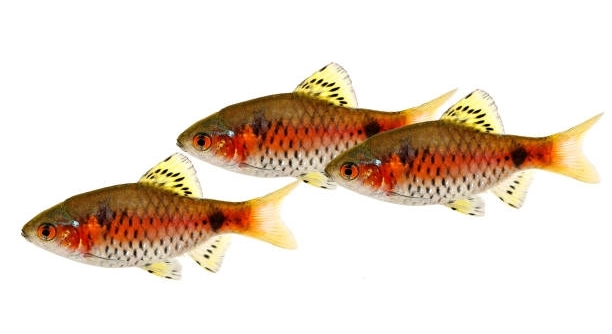
Do you ever find yourself watching your fish tank and wondering how loud sounds might be affecting your rosy barbs?
Rosy barbs can react to loud noises with sudden, erratic swimming, increased stress levels, and even hiding behavior. Prolonged exposure may disrupt their feeding and social patterns, ultimately affecting their overall health and well-being.
Understanding how sound impacts these fish can help you create a more peaceful and healthy environment for them.
Why Loud Noises Affect Rosy Barbs
Loud noises create strong vibrations in the water, which can startle fish and cause them stress. Rosy barbs, like many freshwater species, rely on sensitivity to changes in their environment for survival. Sudden or constant loud sounds, like slamming doors or televisions placed near the tank, can disturb their normal behavior. These fish may dart around, hide, or become less active, which are all signs of discomfort. Over time, repeated stress responses can weaken their immune systems and make them more prone to illness. Even everyday household sounds can be disruptive if they are close to the tank or occur frequently. If the tank is placed in a noisy area, it’s more likely that your rosy barbs will remain skittish or show signs of anxiety.
Short bursts of sound can be more disturbing than continuous noise, especially when unexpected. These sounds trigger a fast escape reaction, even when no real threat exists.
You might notice changes in swimming patterns, reduced appetite, or your rosy barbs hiding more than usual. These are all signs that loud sounds are affecting them. A peaceful setup allows them to thrive and show more natural, relaxed behavior throughout the day.
How to Reduce Noise Stress in Their Tank
Try moving the tank away from windows, TVs, and loud speakers. Even footsteps near the stand can matter.
To create a quieter space for your rosy barbs, place soft padding under the tank to absorb vibrations. Keep it in a calm room, away from heavy foot traffic or noisy appliances. Adding plants and decorations not only gives them hiding spots, but also helps block some of the sound from reaching them directly. Use a tank lid to help buffer airborne noise. Make sure the tank filter is working quietly, as some filters can create humming sounds that add to the stress. It’s also helpful to set the tank lighting on a consistent schedule, as sudden changes in light paired with noise can be jarring. A calm, steady environment helps rosy barbs settle into a routine, which is good for both their mental and physical health. Over time, you’ll see them become more confident, active, and peaceful in their behavior.
Common Reactions to Noise You Might Notice
Rosy barbs often react with sudden bursts of movement, darting across the tank or hiding behind plants or decorations. These actions usually happen right after a loud or unexpected sound occurs near their tank.
When exposed to noise, rosy barbs may swim erratically, bump into objects, or stay low near the gravel for long periods. Some may avoid food or show less interest in exploring their space. You might also see them separating from the group if stressed. These changes often mean they’re feeling uneasy. Even after the noise is gone, it can take time for them to settle down and return to normal behavior. If the sounds happen often, they might stay anxious or become less active overall. Keeping track of these changes can help you understand what’s bothering them.
If your rosy barbs are frequently hiding or no longer swimming as freely, they may be reacting to ongoing disturbances. Loud or unpredictable sounds can cause them to lose confidence in their environment. This might result in a lack of social interaction with other fish in the tank or missed feeding times. Over time, this can affect their health. Reducing background noise and providing more cover helps support their recovery.
Why Stress Matters for Rosy Barbs
Stress affects how fish eat, swim, and interact. When rosy barbs feel unsafe, they often stop doing things that keep them healthy. This includes feeding, exploring, and social behavior with others in the tank.
Prolonged stress caused by loud or constant noise can lower a rosy barb’s immune system. This can make them more likely to get sick or develop health issues, such as fin rot or fungus. It may also cause them to lose their color or become aggressive toward tank mates. Stress doesn’t always show up right away—it can build over time. Even if they seem fine, the effects can show up later as changes in behavior or illness. To reduce this, watch for signs like frequent hiding, dull colors, or sluggish swimming. Giving your fish a quiet and stable environment helps prevent long-term issues and supports their natural habits and growth.
Signs Your Tank Might Be Too Loud
If your rosy barbs are constantly hiding or darting for cover, it may mean the tank area is too noisy. A drop in activity or refusal to eat can also signal stress from sound.
Tanks placed near speakers, kitchens, or high-traffic areas often expose fish to frequent vibrations. This can cause ongoing discomfort.
Small Changes That Can Make a Big Difference
Lowering the volume of nearby devices, using soft-close doors, and choosing a quieter spot for the tank all help reduce stress. Adding plants or decorations gives the fish places to feel safe. Padding under the tank stand helps absorb vibrations from footsteps or movement. Also, regularly checking your filter for noise helps a lot. Sometimes even background sounds we get used to—like music or television—can bother the fish over time. Observing your rosy barbs after changes can help confirm whether they feel safer. You’ll likely notice calmer swimming, more group interaction, and a better feeding response when the environment is quieter.
Keep a Routine
Keeping a regular light and feeding schedule helps your rosy barbs feel secure. Predictability in their environment can reduce their sensitivity to sudden sounds.
How sensitive are rosy barbs to loud noises?
Rosy barbs are fairly sensitive to loud noises because they rely on vibrations and sound signals to sense their environment. Sudden or very loud sounds can startle them and cause stress. Their natural habitat is usually quieter, so noises like banging, shouting, or loud music can feel threatening. They don’t have ears like mammals but detect vibrations through their lateral line system, making them aware of changes around them.
What are the most common signs that my rosy barbs are stressed by noise?
Common signs include sudden darting or frantic swimming, hiding behind plants or decorations, loss of appetite, and staying near the bottom of the tank. They might also separate from the group or stop interacting as usual. Over time, you could notice duller colors and slower movement, which can mean ongoing stress.
Can loud noises cause permanent harm to rosy barbs?
Prolonged exposure to loud noises can lead to chronic stress, which weakens their immune system and makes them more vulnerable to disease. While the noise itself usually doesn’t cause physical injury, the long-term stress effects can damage their health. In severe cases, fish may become lethargic, lose color, or even die if the stress is not reduced.
How quickly do rosy barbs recover after a loud noise stops?
Recovery time varies depending on the intensity and duration of the noise, as well as the fish’s overall health. Short bursts of noise might cause a quick reaction, and they can calm down within minutes or hours. However, if the noise has been ongoing or very loud, it may take several days for them to return to normal behavior. A peaceful, stable environment helps speed up recovery.
Are some rosy barbs more sensitive to noise than others?
Yes, sensitivity can differ between individual fish based on age, health, and personality. Younger or weaker rosy barbs might be more affected. Some fish naturally have bolder or calmer temperaments, so their reaction to noise will vary. Observing each fish over time helps identify who is more easily stressed.
Can I use noise to train or condition rosy barbs?
Using loud noises for training is not recommended because it can cause stress and fear instead of learning. Rosy barbs respond better to gentle, consistent signals, like feeding routines or light changes. Noise usually startles them rather than helping with behavior conditioning.
How can I protect my rosy barbs if I live in a noisy environment?
Place the tank in the quietest room, away from speakers, doors, or appliances. Use padding under the tank to absorb vibrations and add plants or decorations to create hiding spots. Consider using a tank cover to reduce airborne noise. Turning down nearby volumes and keeping a regular schedule can also help reduce their stress.
Will adding tank mates affect how rosy barbs react to loud noises?
Tank mates can sometimes help reduce stress by providing social interaction, but if the environment is too noisy, all fish may become stressed. Crowding the tank can add to the problem if hiding spots are limited. Choose peaceful tank mates and provide enough space to help your rosy barbs feel secure even during noisy moments.
Is there a way to tell if my rosy barbs are stressed besides their behavior?
Besides visible signs like hiding or frantic swimming, stressed rosy barbs may lose their bright coloration or develop physical problems such as fin damage or fungal infections. These are often signs of prolonged stress. Monitoring water quality and tank conditions is also important since poor environment can worsen stress effects.
Can soft background noise help calm rosy barbs?
Soft, consistent background sounds, like gentle water flow or quiet ambient noise, may be less stressful than sudden loud sounds. Some fish seem to adjust to steady sounds if they are predictable. However, loud or irregular noises will still cause problems. Keeping the environment as calm and steady as possible is best.
How often should I check on my rosy barbs for stress signs?
Daily observation is ideal. Even small changes in behavior or appearance can indicate stress early on. By checking regularly, you can spot problems before they get worse and adjust the tank environment quickly. Consistency in care and monitoring helps keep your rosy barbs healthy and happy.
Are there any special decorations or plants that help reduce noise stress?
Plants with thick leaves and taller decorations can provide good hiding places and help break up sound waves in the tank. Live plants also improve water quality, which supports overall health. Soft, natural decorations work best because they don’t reflect noise as much as hard surfaces. Providing plenty of cover helps your fish feel safe during loud moments.
Can feeding routines influence how rosy barbs handle noise stress?
Yes, keeping feeding times consistent helps create a routine your rosy barbs can rely on. When fish feel secure about food availability, they are less likely to panic during noises. Offering food after a noisy event can also distract them and reduce stress. Avoid sudden changes in feeding that might add to their anxiety.
What should I do if my rosy barbs show severe stress symptoms?
If you see signs like loss of appetite, heavy hiding, faded colors, or physical damage, try to reduce noise immediately and improve tank conditions. Check water quality and make sure the tank is clean. If symptoms persist, consider consulting a fish health expert or veterinarian for advice on treatment. Early action helps prevent serious health problems.
Rosy barbs are lively and colorful fish that can brighten any aquarium. However, they are sensitive to changes in their environment, including loud noises. Noise creates vibrations in the water that can startle or stress them. When stressed, rosy barbs may swim erratically, hide often, or eat less. Over time, this stress can affect their health and make them weaker. It is important to understand how noise affects them so you can create a calm and peaceful tank where they feel safe.
Reducing noise around the tank is a simple but effective way to help rosy barbs stay healthy and happy. Placing the tank in a quiet room away from loud speakers, TVs, or heavy foot traffic makes a big difference. Adding plants and decorations gives the fish places to hide when they feel scared. Soft padding under the tank stand also helps absorb vibrations from nearby movement. Even small changes, like lowering the volume on devices or closing doors gently, can reduce stress for your fish. The calmer the environment, the more relaxed and natural your rosy barbs will behave.
Watching your rosy barbs closely is key to knowing if noise or other factors are bothering them. Signs like sudden darting, hiding, loss of appetite, or dull colors may mean they feel stressed. Keeping a regular feeding and lighting schedule also helps them feel more secure. If you notice ongoing stress, try to make the tank environment as quiet and stable as possible. Taking these steps supports your rosy barbs’ health, encourages their natural behaviors, and helps them thrive in your care. A peaceful tank benefits both the fish and the person caring for them.

Hello,
If you enjoy the content that we create, please consider saying a "Thank You!" by leaving a tip.
Every little bit helps us continue crafting quality advice that supports the health, happiness, and well-being of pets around the world, for pets of all shapes, sizes, and species.
We really appreciate the kindness and support that you show us!