
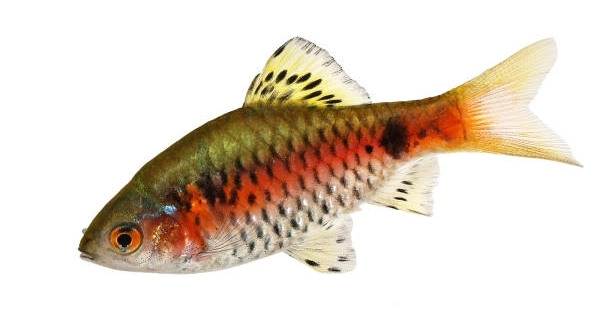
Rosy Barbs are popular freshwater fish known for their lively nature and bright colors. When new fish join their tank, these barbs show particular behaviors to acknowledge their presence. Their social habits make them interesting to observe in home aquariums.
Rosy Barbs greet new tank members through a mix of curiosity and social signals, such as swimming close, gentle nudging, and displaying vibrant colors to establish recognition and hierarchy within the group. These actions help integrate newcomers smoothly.
Observing these interactions reveals much about their social dynamics and helps aquarists create a peaceful community tank environment.
How Rosy Barbs Show Curiosity
When a new fish enters the tank, Rosy Barbs often respond by swimming closer to investigate. They move gently around the newcomer, sometimes nudging lightly to understand who has joined their space. This behavior is calm and deliberate, not aggressive. Their colors may become brighter during this period as a way to communicate presence and status. Watching them, it’s clear they rely on these small gestures to decide how to interact. They don’t rush but take time to observe and accept the new member. This helps reduce stress for everyone involved. The tank environment remains balanced because Rosy Barbs carefully test new arrivals through these natural signals before fully accepting them into their group.
Their curiosity helps the tank stay peaceful, avoiding sudden fights or tension. This gentle approach is a good sign the new fish will fit in well.
Recognizing these signs early can help tank owners monitor how well new fish adjust and avoid problems.
Social Signals and Tank Harmony
Rosy Barbs use body language to keep harmony in the tank. They rely on movement, color shifts, and proximity to communicate their feelings. These signals help prevent conflicts before they start.
The way Rosy Barbs greet newcomers is key to maintaining balance. If the new fish responds calmly, they are more likely to be accepted quickly. Sometimes, barbs swim in patterns or flick their fins to show they mean no harm. Brightening colors is another way to say, “I notice you.” This non-verbal communication helps set clear boundaries without violence. Over time, the new fish becomes part of the social group, and the tank feels stable again. If aggression does arise, it is usually brief because these signals help keep disputes small. Watching these signs helps tank owners understand how their fish interact and when adjustments might be needed to keep peace.
Establishing Territory in the Tank
Rosy Barbs quickly check their space when new fish arrive. They swim around their usual spots to remind others this area belongs to them.
This territorial behavior is subtle. They don’t attack but may swim firmly or display brighter colors near their favorite hiding places or feeding areas. It’s their way of saying they have a claim. New fish usually respect these signals and avoid those spots until the Rosy Barbs seem comfortable. This helps reduce stress and keeps the tank organized. Over time, new fish find their own spaces, and the tank becomes balanced again.
This process is important because it creates clear boundaries. Without these limits, fish might crowd each other, causing tension or stress.
How Rosy Barbs Use Movement to Communicate
Rosy Barbs rely heavily on movement to express themselves. Quick dashes or slow swims signal their mood or intentions clearly.
When meeting new tank mates, sudden fast swimming can mean excitement or alertness. Slow, gentle movements often show calmness and acceptance. If a Rosy Barb swims in circles or back-and-forth near a new fish, it’s usually testing their reaction or inviting interaction. This non-verbal communication helps both fish understand each other without harm. Watching these movements helps spot when things are going well or if tension may be building. Movement patterns are key to their social balance and help keep the tank peaceful.
Group Behavior During Introductions
Rosy Barbs often gather closely when a new fish enters. This group behavior helps them feel secure and shows unity.
They swim together to observe the newcomer, which also sends a clear message that the group is watching. This helps keep the tank stable.
Signs of Acceptance Among Rosy Barbs
Acceptance is shown when Rosy Barbs swim calmly around the new fish without chasing or showing aggression. They may even mimic the newcomer’s movements or share space peacefully. This calm behavior means the newcomer is becoming part of the group and signals a peaceful tank environment.
Avoiding Aggression Early
Rosy Barbs usually avoid harsh aggression by using subtle body language and social signals.
This helps keep conflicts short and the tank atmosphere calm.
How do Rosy Barbs behave when a new fish is added to the tank?
Rosy Barbs usually respond with curiosity and cautious interest. They swim closer to the new fish, often circling and nudging gently to learn more about the newcomer. Their colors may brighten to show presence. These actions help them decide how to interact and establish social order without aggression.
Why do Rosy Barbs swim in groups around new fish?
Swimming together creates a sense of security for Rosy Barbs. It signals unity and lets the new fish know it is being observed. This group behavior reduces stress and helps the barbs maintain control over their space.
Do Rosy Barbs ever show aggression to new tank members?
Aggression is usually mild and brief. Rosy Barbs prefer using subtle signals like color changes, fin flicks, or gentle nudges rather than outright attacks. This helps avoid injury and keeps the tank peaceful.
What signs show that Rosy Barbs have accepted a new fish?
Calm swimming near the new fish without chasing or hiding indicates acceptance. Sometimes they mimic the newcomer’s movements or share feeding spots. These behaviors mean the new fish is integrated and the group feels balanced.
How long does it take for Rosy Barbs to accept new tank members?
Acceptance time varies but typically happens within a few days to a week. The process depends on tank size, the number of fish, and individual personalities. Patience during this time helps reduce stress for all fish.
Can adding new fish cause stress for Rosy Barbs?
Yes, new fish can temporarily increase stress levels. Watching their usual space being shared and adjusting to newcomers takes effort. Providing hiding spots and maintaining good water quality helps reduce stress.
What should I do if Rosy Barbs become aggressive after adding new fish?
If aggression lasts more than a day or causes harm, try rearranging tank decorations to break up established territories. Adding more hiding places or increasing tank size can also help. In some cases, separating fish temporarily is necessary.
How do Rosy Barbs establish territory without fighting?
They use color displays, swimming patterns, and gentle nudges to mark territory. This non-aggressive communication keeps boundaries clear without escalating into fights.
Are Rosy Barbs social fish?
Yes, they are very social and prefer living in groups. Their greeting behaviors reflect this social nature, as they rely on interactions to build tank harmony.
What role does color change play in Rosy Barbs’ greetings?
Brightening colors serve as communication signals during introductions. It can indicate alertness, interest, or a display of dominance to maintain order.
How important is tank size for introducing new Rosy Barbs?
A larger tank gives fish more space to establish territories and reduces stress. It helps new fish find their own area without crowding, leading to smoother introductions.
Can Rosy Barbs recognize individual new fish?
They seem to remember new fish after initial interactions through repeated swimming patterns and social signals. This recognition helps them adjust behavior accordingly.
What are common mistakes when adding new fish to a Rosy Barb tank?
Adding too many fish at once, poor acclimation, and ignoring territory needs can cause stress and aggression. Introducing fish gradually and providing hiding spots improve acceptance.
How can I help Rosy Barbs feel comfortable with new fish?
Keep water conditions stable, add plants or decorations for hiding, and introduce new fish slowly. Watching their behavior helps spot signs of stress or aggression early.
Do Rosy Barbs have a pecking order?
Yes, they establish a loose hierarchy through displays and movement. This order helps reduce fights by clarifying dominance roles.
How do feeding times affect greetings?
Feeding can encourage social interaction. Rosy Barbs may gather closely, which helps newcomers blend in. However, overcrowding during feeding should be avoided.
What should I watch for after introducing new fish to Rosy Barbs?
Look for calm swimming, sharing space, and the absence of chasing or fin nipping. These signs show smooth social integration. Persistent aggression or hiding signals a problem.
Are there specific tank mates that Rosy Barbs prefer?
They do best with other peaceful, similar-sized fish. Aggressive or very shy species may cause stress during introductions.
How does lighting affect Rosy Barbs’ greetings?
Proper lighting helps show their colors clearly, aiding communication. Too dim or harsh light can stress fish and disrupt social signals.
Can Rosy Barbs greet new fish differently based on their personality?
Yes, some barbs are more curious or bold, while others are shy. This affects how quickly and openly they greet new tank mates.
Rosy Barbs are social fish that use simple but clear ways to greet new members in their tank. Their curiosity shows through gentle swimming close to newcomers and subtle body language. These behaviors help them understand who has joined and how to respond. By observing these signs, it is easier to see when the group is comfortable and when a new fish might need more time to settle in. Their bright colors and slow movements often tell a lot about how they feel during this time.
It is important to give Rosy Barbs space and time to adjust when adding new fish. They rely on signals like color changes and swimming patterns to communicate without fighting. This helps avoid stress and aggression in the tank. Sometimes they may show mild territorial behavior by swimming firmly near their favorite spots, but this is a natural way to keep order. Providing enough room, hiding places, and calm water conditions makes these introductions smoother and helps everyone get along better.
Watching how Rosy Barbs greet new tank members can also teach about their social habits and needs. Each fish has its own personality, so some may be quicker to accept new friends while others stay shy. Being patient and attentive to their behavior during these times ensures a peaceful environment. When everyone feels safe and respected, the tank becomes a balanced community where Rosy Barbs and their companions thrive together. Understanding these simple interactions is key to keeping your aquarium healthy and happy.

Hello,
If you enjoy the content that we create, please consider saying a "Thank You!" by leaving a tip.
Every little bit helps us continue crafting quality advice that supports the health, happiness, and well-being of pets around the world, for pets of all shapes, sizes, and species.
We really appreciate the kindness and support that you show us!