
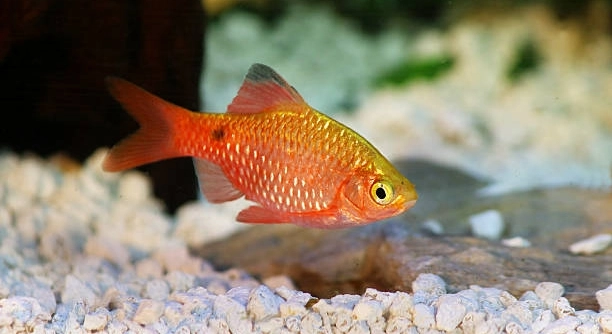
Do you ever find yourself watching your rosy barbs and wondering if there’s more to their movement than just swimming around?
Rosy barbs communicate using body movements, color changes, fin displays, and subtle social behaviors. These signals help them establish dominance, attract mates, and coordinate schooling. Environmental cues and tank dynamics also influence how they express themselves.
Learning how rosy barbs interact can help you better understand their needs and keep your aquarium healthy and peaceful.
Body Movements Say a Lot
Rosy barbs often use body language to communicate with each other. Quick darting movements can signal stress, while smooth, gliding motions usually mean they feel calm and safe. During feeding time or when exploring, you might notice them swimming in short bursts or turning suddenly—this is often a way to establish territory or assert rank among tank mates. Males also perform a side-to-side display to show off during mating, sometimes nudging or circling the female. These small but clear movements give insight into how they interact and maintain social balance within a group. Paying attention to how they swim can help you spot early signs of aggression or discomfort. Since they are social fish, changes in their motion often reflect shifts in their environment or tank dynamics. Consistent observation will help you better understand their natural rhythms and create a more stable space for them to thrive.
These visual cues happen often but can be easy to miss without regular observation.
Swimming patterns not only reflect mood but also help maintain order in a group. Rosy barbs live in schools, so their movements are a form of group coordination. When a leader turns, the rest follow. This schooling behavior relies heavily on spatial awareness and instinctive reactions to surrounding movement. If one fish senses danger or a disruption, its sudden movement can trigger a chain reaction. When kept in proper conditions with enough space, rosy barbs will school in a smooth, coordinated way. However, if the tank is too small or overcrowded, the group may become restless or show signs of stress. Recognizing these group dynamics can help you respond early to any disruptions. Understanding how your rosy barbs swim in relation to each other can give you clues about their health, comfort, and social balance. Keeping an eye on their movement helps ensure a peaceful and active tank.
Color Changes Mean Something
Color shifts can reveal what your rosy barb is feeling or experiencing at the moment.
Rosy barbs often display brighter colors during mating or when they’re feeling healthy and secure. Males, in particular, develop more intense hues when trying to attract a mate. In contrast, dull or faded coloring can signal stress, poor water quality, or illness. These changes are often subtle but can become more obvious when paired with other behaviors like hiding, loss of appetite, or erratic swimming. During disputes, some barbs may show deeper tones as a form of dominance or challenge. Keeping an eye on color variations is one of the simplest ways to monitor your fish’s wellbeing. Stable, vibrant colors are a good sign that your tank environment is working. Regular maintenance, consistent water conditions, and balanced feeding support both physical health and color quality. Color isn’t just about appearance—it’s a key part of how rosy barbs communicate, interact, and react to their surroundings.
Fin Displays Send Clear Signals
Rosy barbs often use their fins to express dominance or attract attention. Raised fins can signal excitement or readiness to mate, while flaring fins during face-offs often mark the start of mild aggression or territorial behavior within the group.
Male rosy barbs will frequently flare their dorsal and caudal fins during mating rituals. This display makes them appear larger and more vibrant to nearby females, increasing their chances of being chosen. In social hierarchies, fin displays also help maintain order without resorting to constant aggression. When two barbs face off, they might raise their fins and circle each other as a warning. If neither backs down, chasing or nipping can follow. These actions usually settle quickly and don’t lead to injury, but observing them closely helps you determine whether it’s playful or turning into stress. Tank size and proper male-to-female ratios can help reduce tension.
In stressful situations, rosy barbs may clamp their fins tightly against their bodies. This behavior is often a reaction to poor water conditions, sudden temperature shifts, or illness. Fin clamping makes the fish less noticeable and is a passive sign of discomfort. If multiple fish are showing this response, it’s time to check your tank setup. Even one stressed barb can affect the group dynamic, especially in a schooling environment. Regular water changes, balanced nutrition, and minimal disruptions all contribute to healthier fish behavior. Fin position and motion are valuable clues when monitoring their condition. When fins are relaxed and flowing, the fish usually feel safe and at ease. Keeping a close eye on fin behavior helps prevent bigger problems.
Social Behavior Shapes Interaction
Rosy barbs thrive in groups, and their behavior is shaped by social structure. They often interact through synchronized swimming, chasing, or nudging. These actions help establish rank and create a sense of order within the school.
Social interactions play a big part in keeping rosy barbs mentally active. A single fish kept in isolation may become withdrawn, while a group of five or more encourages movement, communication, and balanced behavior. Within the group, there may be subtle pecking orders—males often challenge each other through chasing and displays, while females tend to group together more peacefully. Rosy barbs use body orientation and spacing to define personal boundaries, especially during feeding or spawning times. Watching these behaviors helps you identify who’s leading, who’s stressed, and whether the group feels secure in its space. Providing hiding spots and enough swimming room supports natural social behavior without causing friction. Their group habits reflect overall tank health.
Breeding Behaviors Are Clear
During breeding, male rosy barbs become more colorful and active. They chase females around the tank, nudging their sides gently. This behavior encourages egg release and signals readiness to spawn in a safe and familiar space.
Females may respond by hiding or swimming away if not ready. If she accepts the male’s approach, she’ll pause near a surface—often plants or flat rocks—for egg laying. These interactions are direct and short but reveal clear communication between both fish. A peaceful tank helps them feel safe enough to follow through.
Feeding Time Shows Group Dynamics
Feeding routines give insight into how rosy barbs interact under pressure. Some will rush to the surface quickly, while others wait their turn or stick to the middle. More dominant fish usually feed first and push others aside, but serious aggression is rare. Spreading food throughout the tank helps everyone eat comfortably. Watching how they behave during feeding can show you who’s confident, who’s cautious, and if any fish might be stressed or unwell. Over time, you’ll see patterns that reflect their comfort and health. Feeding time is also a great moment to observe their energy levels and behavior changes.
Tank Conditions Influence Signals
Lighting, temperature, and water flow can all affect how clearly rosy barbs express themselves.
FAQ
How do I know if my rosy barbs are happy?
Happy rosy barbs are active, alert, and swim in groups. Their colors look vibrant, especially during feeding or social interaction. They explore the tank, respond to movement, and show interest during feeding times. Calm, steady swimming and relaxed fins are also signs they feel safe and secure. If they hide, clamp their fins, or show dull coloring, they may be stressed or unwell. Maintaining good water quality, a consistent feeding schedule, and space to swim helps support their natural behavior and keeps them feeling at ease.
Why do my rosy barbs chase each other?
Chasing is a normal part of rosy barb behavior. It can be playful, social, or linked to mating and hierarchy. Males often chase during breeding, especially when trying to get the attention of females. In group settings, chasing also helps them establish a social order. However, if it seems aggressive or constant, it could mean the tank is overcrowded or lacking hiding places. Adding more space, plants, or decorations can reduce tension and give lower-ranked fish a place to retreat when needed.
Do rosy barbs get lonely?
Yes, rosy barbs are schooling fish and prefer to live in groups of at least five. When kept alone or in pairs, they often become shy or stressed. They rely on group movement and interaction for comfort and mental stimulation. Without enough companions, they may hide, lose color, or become less active. A well-sized group helps them thrive and feel secure. If you notice signs of isolation, consider adding more barbs to build a balanced school and improve their overall behavior.
What does it mean when rosy barbs lose their color?
Dull or faded color in rosy barbs often signals stress, poor water quality, or illness. Other causes can include sudden changes in temperature, lighting, or tank mates. During nighttime or resting periods, their color may also appear slightly muted, which is normal. If color loss happens during the day or with other unusual behaviors, check water parameters first. Ammonia, nitrite, and pH levels can quickly affect their health. A clean, stable environment helps maintain vibrant coloration and signals that the fish are feeling well.
Can rosy barbs recognize each other?
Rosy barbs have strong schooling instincts and seem to recognize familiar tank mates. They often group with those they’ve spent more time with and maintain stable roles within the school. Although they don’t form strong pair bonds, they do show preference for familiar movement patterns and spacing. You may notice certain fish always swimming near each other or following the same leader. These subtle patterns suggest a level of social recognition, which helps reduce conflict and promote cooperation in the group.
Why are my rosy barbs hiding more than usual?
Increased hiding usually points to stress, illness, or a recent change in the tank. This could include new fish, changes in water quality, or rearranged decorations. New arrivals often stay hidden at first but will come out once they feel safe. If long-term tank residents suddenly hide, check the water temperature, pH, and filter performance. Poor conditions often cause discomfort. Also, strong lighting or lack of cover may lead them to seek shelter more often. Providing shaded areas and keeping their environment steady helps reduce hiding behavior.
How can I tell if my rosy barbs are ready to breed?
When rosy barbs are ready to breed, males develop deeper red coloring, especially on their sides and fins. They begin chasing females and nudging their sides, trying to lead them toward spawning sites. Females may look rounder when carrying eggs. A calm environment with broad-leaf plants or spawning mops encourages egg laying. If the tank feels safe, the pair will move together to lay and fertilize eggs. After spawning, remove the adults to protect the eggs from being eaten.
Do rosy barbs make sounds when they communicate?
Rosy barbs do not produce audible sounds as part of their communication. Their interactions are mostly visual—using body movement, fin posture, and color changes. Unlike some fish species that use clicks or vibrations, rosy barbs rely on physical cues to interact. These cues are subtle and often go unnoticed unless you watch them closely. For example, a raised fin, sudden dart, or color shift might signal excitement or tension. Though silent to us, these movements say a lot in their social group.
What does flashing mean in rosy barbs?
Flashing is when a fish quickly rubs or flicks its body against a surface like rocks, plants, or gravel. In rosy barbs, occasional flashing may just be natural behavior or grooming. However, frequent or aggressive flashing can point to parasites, skin irritation, or poor water quality. If you notice this often, check ammonia, nitrite, and nitrate levels right away. Look for other symptoms like white spots, fin damage, or clamped fins. Clean water and early treatment help prevent the problem from getting worse.
Is aggression common in rosy barbs?
Mild aggression is normal, especially among males or when establishing a hierarchy. They may chase or flare fins, particularly in smaller tanks. Serious aggression is less common but can happen if the group is too small, or if tank mates are slow-moving or have long fins. Keeping rosy barbs in a group of five or more usually spreads out tension. Adding plants or decorations also gives fish space to escape if needed. Watching their body language helps you know when things are getting too rough.
Final Thoughts
Rosy barbs are social, active fish that use subtle signals to communicate with each other. Through fin movements, body language, and changes in color, they express their mood, status, and health. These signs may seem small, but they play a big role in how rosy barbs interact in groups. Watching these behaviors helps you understand what your fish need and how comfortable they feel in their tank. Small actions like chasing, nudging, or swimming patterns often tell you more than words ever could. Paying close attention to these clues makes it easier to care for them properly.
Their group behavior also shows how important it is to keep them in the right environment. Rosy barbs do best in schools, where they feel safe and active. A balanced tank setup—with clean water, enough space, and hiding spots—allows them to act naturally. When their surroundings are calm and steady, their communication becomes clearer and more predictable. This helps reduce stress and allows their natural habits to shine through. Whether they are feeding, breeding, or simply swimming together, their interactions are part of a larger, social system that helps them thrive.
Understanding how rosy barbs communicate isn’t just about observation—it’s also about creating a space where their behavior makes sense. Every flick of a fin or sudden movement means something, especially when it repeats or happens across several fish. By learning to read these small cues, you can catch problems early, adjust the environment as needed, and support their long-term health. A peaceful tank where all fish can express themselves freely leads to healthier, more stable behavior. In time, these signals become familiar, and you’ll know when your rosy barbs are active, stressed, or ready to breed. Their silent language may be easy to miss at first, but once you start noticing it, it becomes a useful part of daily care.

Hello,
If you enjoy the content that we create, please consider saying a "Thank You!" by leaving a tip.
Every little bit helps us continue crafting quality advice that supports the health, happiness, and well-being of pets around the world, for pets of all shapes, sizes, and species.
We really appreciate the kindness and support that you show us!