
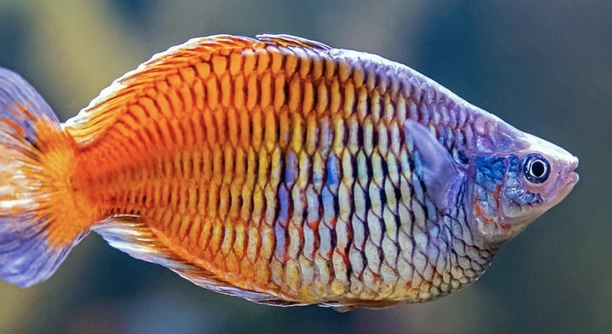
Have you ever watched your rainbow fish floating still and wondered if they’re actually sleeping or just staying still for a bit? These colorful swimmers may have a few surprises when it comes to their rest habits.
Rainbow fish sleep by becoming less active and resting near the bottom of the tank or among plants. They don’t close their eyes, but their body slows down, and they stay motionless, especially during the night hours.
Understanding how these fish rest can help you care for them better and create a more natural, peaceful tank environment.
What Rainbow Fish Look Like When They Sleep
When rainbow fish sleep, they usually hover near the bottom of the tank or among plants. Their bodies stay still, and they appear less colorful than usual. This dulling of their colors is natural and helps them avoid attracting attention from other fish while they rest. They don’t have eyelids, so their eyes remain open, which can make it hard to tell if they’re sleeping. However, if you notice them remaining motionless with slower gill movement and avoiding interaction, it’s likely they’re asleep. They often choose the same spot each night and return to it consistently, especially if they feel safe and undisturbed. Dim lighting or complete darkness in the tank encourages this behavior. It’s helpful to provide plants, rocks, or hiding spaces where they can comfortably rest. These peaceful moments usually occur during nighttime hours, which is why a regular light cycle can support healthy rest for your fish.
Their sleep behavior may change slightly depending on tank conditions or stress levels.
Some fish stay closer to the surface, while others prefer hiding behind plants or decorations, depending on their personality and environment.
How to Support Healthy Sleep for Rainbow Fish
Tank lighting plays a big role in your rainbow fish’s rest. Try to stick to a 12-hour light and 12-hour dark cycle.
Rainbow fish thrive in a setting that mimics natural day and night patterns. Having a consistent lighting schedule helps regulate their rest and wake cycles. Use a timer for your aquarium light to keep things predictable. Avoid bright lights during nighttime, and place the tank in a quieter area if possible. Loud noises and frequent movement around the tank can make it harder for them to settle down. A peaceful environment gives them the space they need to rest. Temperature should also remain stable, ideally between 74°F and 78°F. Sudden changes in water quality or temperature can lead to stress, which might interfere with sleep. Make sure your tank has enough hiding spots—plants, driftwood, and stones are all useful. These give your fish comfortable, safe areas to relax. Routine water changes and keeping the tank clean also make a big difference in their comfort.
Common Sleep Patterns in Rainbow Fish
Rainbow fish are most active during the day and rest at night when the tank is dark. They tend to sleep in the same spots and follow a regular rest cycle if their environment stays consistent.
At night, you’ll often see rainbow fish becoming still and settling near plants or tank decorations. Their colors may look a bit faded, and they’ll avoid swimming unless disturbed. This routine helps them stay healthy and reduce stress. If the lights are turned off at the same time each night, the fish will naturally begin to rest without any prompts. Most rainbow fish prefer sleeping in hidden or quiet areas, and they typically don’t interact much when resting. This behavior is a sign they feel secure in their space. Avoid tapping the glass or changing tank conditions suddenly during these hours, as it could interrupt their routine and lead to stress or confusion.
Some rainbow fish may rest closer to the surface, while others tuck themselves between plants or under rocks. Both behaviors are normal. If you’ve just added new fish, they might take time to adjust their sleep patterns. But with a steady light schedule and a calm environment, they’ll usually settle into a regular rhythm. Watch how they behave over a few days. Once they feel comfortable, you’ll notice they start sleeping at similar times and in familiar spots. Keep track of any major changes—such as sudden restlessness or refusing to settle—as it may signal something’s off with the tank conditions or their health. A well-balanced tank supports more natural sleep.
Why Some Rainbow Fish Sleep Less Than Others
Not all rainbow fish rest the same way. Differences in personality, age, and stress levels can affect how much and how often each fish sleeps. Some may be light sleepers or prefer more hidden spots.
Younger or more energetic rainbow fish may not rest as deeply or for as long as older ones. This doesn’t always mean something is wrong, but it’s worth observing if the pattern continues. Environmental stress—like poor water quality, aggressive tankmates, or loud noise—can make them more restless. These fish might swim longer, appear jumpy, or sleep at odd times. To help, check the tank’s temperature, pH levels, and filtration system regularly. It’s also a good idea to rearrange decorations if one fish is being bullied away from good sleeping spots. Each fish responds differently to its environment, so what works for one may not work for another. Gentle changes and careful monitoring can make a real difference in helping them rest better.
Signs Your Rainbow Fish Is Sleeping
A sleeping rainbow fish will appear still, usually hovering near plants or the tank floor. Its gill movement slows down, and it won’t react much to nearby activity unless disturbed. The colors may also look slightly duller than usual.
If you notice a rainbow fish staying in one spot during dark hours and ignoring food or other fish, it’s likely sleeping. It may also choose the same resting area each night, showing a preference for familiar and quiet spots. This behavior is normal and a sign your fish feels safe.
What to Avoid During Their Rest
Try not to turn lights on and off suddenly during their resting time, as this can cause stress. Keep noise around the tank low and avoid moving decorations at night. Sudden changes can startle them or interrupt their routine. Stick to a gentle and steady lighting schedule for the best results.
When to Be Concerned
If your rainbow fish isn’t moving at all during the day, skips meals, or breathes heavily while resting, something might be wrong. Changes in sleep paired with sluggish behavior or hiding could point to illness, stress, or poor water conditions. It’s best to check your tank setup if these signs appear.
FAQ
How do I know if my rainbow fish is sick instead of just sleeping?
Sick rainbow fish often show signs beyond just being still. If your fish is not eating, swimming erratically, or has noticeable changes in its color (such as becoming pale or faded), these could be signs of illness. A fish that is unusually lethargic and stays in one place for extended periods, even during daylight, might be unwell. Keep an eye out for other symptoms like heavy breathing, clamped fins, or scratching against objects. Healthy rainbow fish should still swim around and be curious, even if they are resting.
Can rainbow fish sleep during the day?
Yes, rainbow fish can take naps during the day, especially if the lighting is dim or the tank has a lot of plants and hiding spots. While they are more active during the day, they may rest intermittently, particularly if they feel secure. However, their most significant rest periods usually occur when the tank is dark, simulating nighttime.
Do rainbow fish sleep with their eyes closed?
No, rainbow fish do not have eyelids, so their eyes remain open when they sleep. It can be tricky to tell they are resting since their eyes stay visible. The best indicator is their body posture and the lack of movement, as they tend to stay still when resting.
How long do rainbow fish sleep for?
Rainbow fish typically sleep for about 8-12 hours a day, usually during the night when the tank is dark. Their sleep patterns might vary slightly based on age, environment, and individual temperament. Younger fish or those in a more active environment may sleep less, while older fish or those in a stable, calm environment tend to sleep more.
What happens if the water quality is bad?
If the water quality is poor, your rainbow fish may become stressed, which can disrupt their sleep. Bad water quality can lead to skin irritation, respiratory problems, and increased susceptibility to diseases. When stressed, they may sleep less or seem more active and agitated. Keeping the water clean and checking parameters like pH, ammonia levels, and temperature can help maintain their sleep cycle.
Can rainbow fish be disturbed while sleeping?
Yes, rainbow fish can be disturbed during their sleep if there’s a sudden change in the environment, such as loud noises or sudden movements near the tank. They may also be startled if the lights turn on suddenly or if they are moved out of their familiar resting spots. If disturbed, they may show signs of stress and retreat to a different part of the tank.
Why does my rainbow fish swim at night instead of resting?
Some rainbow fish may be more active during the night, especially if they are in a brightly lit tank or if they are not feeling secure. They may also be responding to changes in their environment, such as higher water temperature, different tankmates, or fluctuating light levels. If your rainbow fish is constantly active at night, check to make sure the water quality is balanced and that the tank environment is conducive to resting.
Can rainbow fish sleep near the surface?
Rainbow fish can rest near the surface, though it’s less common than resting closer to the bottom or among plants. If your fish seems to prefer the top of the tank, it might be responding to the current or seeking a more open, less sheltered spot. However, this can also be a sign that the fish is feeling stressed or uncomfortable with its environment.
How do I create a good sleep environment for my rainbow fish?
To ensure your rainbow fish sleep well, maintain a consistent light schedule, provide plenty of plants or hiding spots, and keep the water clean and well-filtered. A stable temperature range of 74°F to 78°F is ideal. Avoid loud noises and sudden changes in the tank, and make sure your fish have a quiet and secure place to rest. Regular water changes and stable tank conditions help promote restful sleep.
Can I add more rainbow fish if I see them sleeping too much?
Adding more rainbow fish to the tank might not directly encourage sleep, but it can help create a more natural social environment. Rainbow fish are typically peaceful and enjoy the company of others. However, overcrowding can cause stress, which may disrupt their sleep. Make sure your tank size is suitable for the number of fish, and that water quality remains high.
What do rainbow fish do if they feel threatened while sleeping?
If rainbow fish feel threatened while sleeping, they may quickly swim away to find a safer spot. They are likely to stay hidden in plants, rocks, or other decorations in the tank until they feel safe again. If you notice them becoming restless or darting around during their usual rest period, it might be due to stress or external disturbances in the environment.
Are rainbow fish affected by tank lights at night?
Yes, rainbow fish are sensitive to light changes. Bright lights at night can disturb their sleep. It’s essential to maintain a consistent light schedule with proper day/night cycles. Turning off the lights in the evening will signal to your rainbow fish that it’s time to rest. Avoid abrupt changes in lighting, as this can cause confusion or stress.
How often should I check on my rainbow fish while they sleep?
It’s best not to disturb your rainbow fish while they are sleeping. Constant checking can stress them out. Instead, monitor their sleep habits during the day and take note of their usual resting periods. If they’re not eating, moving, or showing signs of alertness after a few days, it may be time to check on their health.
Final Thoughts
Understanding how rainbow fish sleep can help you ensure they stay healthy and happy in your aquarium. Like other fish, they need a proper rest cycle to maintain their well-being. By observing their sleeping habits, you can better monitor their health and make sure their environment is suitable. Rainbow fish, while active during the day, will rest at night or in low-light conditions. It’s important to keep their tank conditions stable to provide them with the best environment for sleeping.
Creating a peaceful setting for your rainbow fish is crucial. Proper lighting, a quiet environment, and clean water are all necessary for them to rest comfortably. Avoid sudden changes in the tank, as this can disrupt their sleep patterns. Rainbow fish are sensitive to stress, so any disturbance in their routine can affect their overall health. By keeping their surroundings calm and predictable, you’ll help them feel secure enough to sleep well.
Lastly, always keep an eye on any changes in their sleeping habits. If you notice your rainbow fish resting more than usual or showing signs of illness, such as discolored skin or reduced activity, it could indicate something is wrong. Regular tank maintenance, proper water quality, and a peaceful environment will help ensure that your rainbow fish remain in good health and enjoy restful sleep.

Hello,
If you enjoy the content that we create, please consider saying a "Thank You!" by leaving a tip.
Every little bit helps us continue crafting quality advice that supports the health, happiness, and well-being of pets around the world, for pets of all shapes, sizes, and species.
We really appreciate the kindness and support that you show us!