
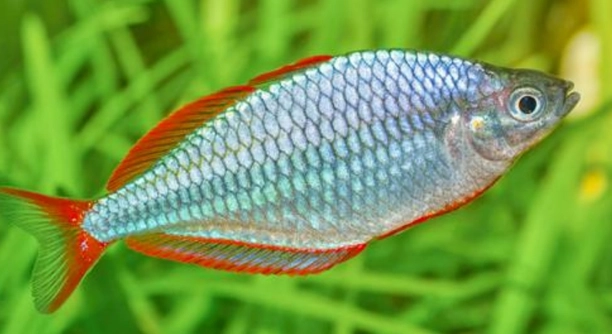
Rainbow fish are known for their vibrant colors, but their behavior can be just as intriguing. One of the key aspects of their social life is how they mark and defend their territory.
Rainbow fish establish territories through a combination of visual displays and physical posturing. These fish often use bright coloration and specific swimming patterns to communicate dominance and claim space within their environment. Such behaviors are crucial for maintaining social order.
Understanding these fascinating actions helps in comprehending the intricate social dynamics of rainbow fish. Knowing more about how they mark their territory will deepen your appreciation for their natural behavior.
How Rainbow Fish Establish Territory
Rainbow fish are territorial animals, often using visual cues to communicate dominance. The most notable display is their bright, vibrant colors. When a male rainbow fish feels threatened or is asserting dominance, it will intensify its color patterns to appear more formidable. This process is known as “coloration display.” Additionally, the fish may swim in specific patterns or engage in fast, aggressive movements to defend their space. These behaviors are not only about competition but also about maintaining a peaceful environment within their habitat. Such territorial displays help to reduce conflict by clearly establishing boundaries.
In addition to visual displays, rainbow fish also use their body size and behavior to mark territory. The larger fish typically have an advantage, further asserting dominance through sheer presence.
Understanding how these territorial behaviors unfold offers valuable insight into the daily lives of rainbow fish. Their actions reveal the significance of establishing a clear space within the aquarium or natural environment, allowing them to thrive and feel secure.
The Role of Space in Their Territory
Space is a critical factor for rainbow fish. Territorial conflicts often arise when multiple fish are vying for the same area.
Territory boundaries can be determined by the presence of resources, such as food or hiding spots. When a rainbow fish feels that its space is being invaded, it will often become more aggressive, especially when there are limited resources. During this time, fish may swim more rapidly and chase off intruders. Such interactions help maintain order, but can also lead to stress if not properly managed. Ensuring that your aquarium is spacious enough for the fish to establish and defend territories is essential for their well-being. Without enough space, rainbow fish may exhibit behavioral problems like fin nipping or constant stress. The layout of their environment should allow each fish to establish its own area while minimizing conflict. By creating adequate space, you help reduce aggression and allow the fish to thrive. Understanding these behaviors can greatly improve the care and management of rainbow fish in both aquariums and natural settings.
Territory Marking Behavior
Rainbow fish use body language and visual displays to communicate territorial boundaries. This behavior helps establish and defend their personal space. As dominant fish, they often engage in aggressive behaviors, including chasing and blocking other fish from their claimed area.
To assert dominance, rainbow fish rely on bright colors that intensify when defending their territory. Males particularly use color shifts to signal their presence and intimidate others. In smaller spaces, such displays can be vital for survival, as they indicate to other fish that the area is already claimed. These visual cues reduce conflict and help maintain order in a tank or natural habitat. Without such displays, fish might be more likely to collide or compete for the same space.
Understanding these signaling patterns helps aquarium owners provide environments where fish can thrive. Recognizing the importance of territorial behavior in rainbow fish reduces the likelihood of stress and improves the overall quality of their environment.
Avoiding Conflicts Through Territory
Rainbow fish are highly sensitive to disturbances within their territory. When another fish invades their space, the dominant individual typically reacts by chasing or displaying intimidating behaviors. This helps reduce physical confrontation and ensures that space remains respected.
The size of the tank or habitat plays a significant role in minimizing these territorial conflicts. Larger spaces allow each fish to claim more territory, reducing overlap and competition. Smaller tanks can lead to higher stress levels and frequent confrontations. When fish are forced into smaller, shared spaces, aggression increases, potentially leading to injury or harm. Providing adequate hiding spots and visual barriers can also help lessen aggression. This enables rainbow fish to have secluded areas for rest or retreat without feeling threatened by others.
Factors Influencing Territorial Behavior
Rainbow fish are influenced by several factors when marking their territory. Water quality, food availability, and the presence of other fish all play a role. These elements impact how strongly fish defend their space and how often territorial displays occur.
Water temperature and cleanliness can affect a fish’s behavior, with healthier conditions leading to less stress and fewer aggressive actions. Additionally, when food sources are abundant, rainbow fish are less likely to engage in territorial disputes. Overcrowded tanks increase the chance of conflict as fish compete for space and resources. Ensuring a well-maintained tank reduces these tensions.
Territorial Displays in Different Environments
The behavior of rainbow fish can vary between aquarium and wild environments. In aquariums, space is limited, so territorial displays tend to be more frequent. In the wild, however, fish often have larger areas to claim, resulting in less aggression.
Environmental factors like plants, rocks, and water flow contribute to their territorial behavior. Fish may claim these features as part of their territory, with specific areas marked by the presence of certain features or shelters. In natural environments, territorial disputes may also involve resource competition, such as access to prime breeding grounds or food-rich zones.
Effects of Overcrowding
Overcrowding leads to increased stress in rainbow fish. With less space to establish territory, fish may become more aggressive, resulting in frequent conflicts. This can cause damage to fins and scales, leading to longer recovery times.
When fish do not have enough room to swim freely, they may feel threatened by constant proximity to others. In such situations, territorial displays escalate, and aggression becomes more common. It’s important to avoid overstocking an aquarium to prevent these negative outcomes. Providing ample space and resources will help maintain harmony and reduce unnecessary stress.
FAQ
How can I tell if my rainbow fish is marking its territory?
You can tell that a rainbow fish is marking its territory by observing its behavior and coloration. When a fish begins to exhibit more intense colors, particularly around the fins, it’s often trying to assert dominance. Additionally, the fish may swim in tight, circular patterns or approach other fish aggressively to keep them away. These actions signal that the fish is trying to maintain control over a specific area. Keep an eye on the fish’s body language, as it will also puff up or appear larger to intimidate intruders.
Do rainbow fish get along with other species?
Rainbow fish can generally coexist with other peaceful species. However, their territorial nature can cause some issues when sharing space with more aggressive fish. They tend to prefer fish that are calm and not overly competitive. If you add more fish to the tank, ensure that they are of similar size and temperament to avoid unnecessary conflicts. Adding plenty of hiding spots can also reduce potential aggression and provide fish with personal space.
Can rainbow fish be kept in a community tank?
Yes, rainbow fish can be kept in a community tank. They are peaceful and social by nature, but territorial disputes can arise if there is not enough space. To maintain harmony, ensure the tank has enough room for each fish to establish a territory. Providing plants and decorations that create visual barriers will also help reduce stress. Avoid keeping overly aggressive species, as this can provoke the rainbow fish into defending their space more frequently.
How much space do rainbow fish need to establish a territory?
Rainbow fish require a tank that is at least 30 gallons in size for a small group. A larger tank is better, especially if you plan to keep several fish. This size allows each fish to have enough space to establish its own territory without feeling crowded. In smaller tanks, territorial disputes are more likely, leading to stress and aggression. For a peaceful environment, aim for a tank with a minimum of 3 feet in length, providing enough room for each fish to swim freely.
Do rainbow fish need plants or decorations to mark their territory?
While not absolutely necessary, plants and decorations can help rainbow fish feel secure in their environment. They use these elements to mark boundaries, hide, and rest without feeling exposed. Plants, rocks, and other structures can also act as visual markers, helping to reduce territorial disputes by creating natural barriers. When arranging the tank, make sure there are plenty of places for fish to retreat to if needed. This helps minimize stress and aggression between fish.
What are the signs that my rainbow fish is stressed due to territory issues?
When rainbow fish are stressed due to territory conflicts, they may exhibit several behaviors. These include constant hiding, aggressive chasing of other fish, or a loss of vibrant coloration. Fish may also display erratic swimming patterns, or they might avoid certain areas of the tank entirely. If you notice these signs, it’s important to check the tank size, resources, and number of fish. Adding more space or separating aggressive fish can help alleviate stress and restore balance in the tank.
Can territorial behavior in rainbow fish lead to injury?
Yes, territorial behavior can lead to injury if conflicts become too intense. Fish may bite, nip, or chase each other, which can result in fin damage, scratches, or even more severe injuries. To prevent this, ensure that your tank is large enough to accommodate all the fish and that there are enough hiding spots for them to retreat to. If you notice that aggression is escalating, consider adding more decorations or rearranging the tank to disrupt established territories and encourage peaceful coexistence.
How do I manage territorial aggression in a small tank?
In smaller tanks, territorial aggression is more common due to the lack of space. To manage this, increase the number of hiding spots and plants to give the fish visual barriers. You can also add additional decorations to break up sightlines, which can reduce the chances of territorial disputes. Consider adding more fish of the same size and temperament to diffuse aggression, but avoid overcrowding. Keeping the tank well-maintained with good water quality and regular feeding schedules can also reduce stress and aggression in the fish.
Can rainbow fish be territorial even in large tanks?
While larger tanks provide more space, rainbow fish can still be territorial, especially if they are males or if resources such as food are limited. Even in large tanks, each fish will often claim its own area and defend it against other fish. This territorial behavior is natural and helps reduce conflict. However, in bigger tanks, fish are less likely to encounter each other frequently, so the aggression is usually less intense. By providing enough hiding spots and creating boundaries with plants or rocks, you can minimize potential disputes.
Are there any specific rainbow fish species that are more territorial than others?
Yes, some species of rainbow fish are more territorial than others. For example, males of the species Melanotaenia boesemani are particularly known for being more aggressive and territorial, especially during breeding seasons. These fish may display more intense colors and engage in more frequent territorial displays. If you are keeping multiple species of rainbow fish together, it’s important to research their specific behavior to ensure they are compatible. Some species may be more tolerant of others, while others may be highly territorial, even in a large tank.
Final Thoughts
Rainbow fish display fascinating territorial behavior, which plays a crucial role in their social structure and overall well-being. Understanding how they mark their territory is key to providing the best environment for these vibrant creatures. They use visual signals, like color changes and body language, to assert dominance and create boundaries within their space. These territorial displays help maintain order, reduce stress, and prevent unnecessary conflicts between fish. By observing these behaviors, aquarium owners can better manage the conditions in their tanks, ensuring the fish remain healthy and stress-free.
While rainbow fish are generally peaceful, they can become aggressive if their space is threatened or if they feel crowded. To prevent territorial disputes, it’s essential to provide enough space, especially in smaller tanks. Larger aquariums with plenty of hiding spots and visual barriers help reduce conflict by giving each fish its own area. Ensuring the tank is not overcrowded and maintaining good water quality also contributes to a more peaceful environment. Rainbow fish, like many other species, thrive in tanks that mimic their natural habitat, where they can establish and defend territories while feeling safe.
In conclusion, providing a well-balanced environment for rainbow fish requires understanding their territorial behavior. It’s important to consider their natural instincts when setting up a tank, ensuring they have enough space and resources to thrive. By offering the right conditions, aquarium owners can foster a healthy environment where rainbow fish can express their natural behaviors without the stress of constant conflict. Properly managing their territorial needs not only helps in keeping them content but also enhances the beauty and balance of your aquarium.

Hello,
If you enjoy the content that we create, please consider saying a "Thank You!" by leaving a tip.
Every little bit helps us continue crafting quality advice that supports the health, happiness, and well-being of pets around the world, for pets of all shapes, sizes, and species.
We really appreciate the kindness and support that you show us!