
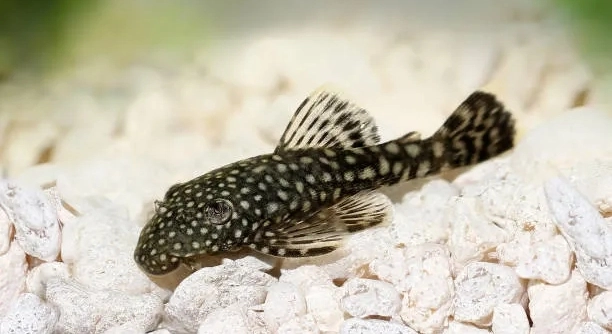
Plecostomus fish, also known as “plecos,” are popular aquarium fish known for their unique appearance and cleaning abilities. They are often admired for their ability to keep tanks clean by eating algae. But, have you ever wondered how they sleep at night?
Plecostomus fish generally sleep during the night, though they may remain somewhat active in low-light conditions. They find a secure hiding spot and rest, often clinging to rocks or surfaces with their suction-cup-like mouths.
Their sleep patterns can vary based on their environment, light exposure, and tank conditions. Understanding their sleeping habits can help improve their well-being in your aquarium.
How Plecostomus Fish Rest at Night
Plecostomus fish, like many other fish, sleep at night, but their sleep is not the same as humans. These fish don’t close their eyes, as they lack eyelids, and their sleep isn’t as deep as ours. Instead, they enter a state of rest, which helps them conserve energy. During this time, they often seek shelter in dark areas or hide in rocks, plants, or decorations in the tank. They may remain in place, clinging to surfaces using their unique suction-cup-like mouths. This helps them stay in a secure spot while resting.
Plecos are nocturnal creatures, meaning they are most active during the night. This activity includes feeding and exploring their surroundings when the light is low.
Plecos are sensitive to changes in their environment. When kept in aquariums, their sleeping habits may be influenced by factors such as lighting and the presence of other tank mates. It’s crucial to provide hiding spots in your tank for them to feel secure. Without a quiet, dark area, your pleco might feel stressed, leading to disrupted rest or decreased health. In addition, a proper sleep cycle can help plecos maintain the energy they need for their nocturnal activities.
Factors Affecting Plecostomus Sleep
Plecostomus fish are highly responsive to changes in their environment, especially light and water conditions. They prefer a calm, dark space to sleep in, and this can be impacted by tank lights, water flow, or other fish.
When keeping plecos, providing a peaceful, low-light environment is crucial. Dim lighting or no lighting at all allows plecos to adjust their sleeping patterns naturally. In tanks with too much light, they may find it difficult to rest. Additionally, constant movement in the tank, whether from strong currents or other tank inhabitants, can prevent them from finding a comfortable resting spot. It’s essential to create an aquarium setup where your pleco can find quiet, dark spaces where it can hide during its rest period. This will encourage healthier sleep and overall well-being.
Ideal Environment for Plecostomus Sleep
Plecostomus fish thrive in tanks that mimic their natural habitat. Providing a well-decorated tank with hiding spots is essential for their sleep. They need areas to rest undisturbed, which can include caves, rocks, or plants.
A tank setup that offers these hiding spots can reduce stress and promote proper sleep. Without secure areas to retreat to, plecos may feel vulnerable, which can affect their health. The ideal tank should include low-traffic areas and objects that give them a chance to stay hidden when resting. Ensuring your pleco feels safe and comfortable can encourage better sleep habits.
Plecos also prefer calm waters during rest. Strong currents may disturb their sleep, so it’s important to control the water flow. Adding a filter with adjustable flow settings allows you to customize the tank’s conditions for your pleco’s needs. A gentle flow creates a more restful environment for them.
Sleep Cycle and Activity Timing
Plecos are most active at night and sleep during the day. This means they follow a nocturnal schedule, with their sleeping time starting when the light goes out. Their activity begins in the evening and continues throughout the night.
It’s important to respect their natural sleep cycle to prevent stress. By keeping the lighting in your tank dim or off during the night, you allow them to follow their natural rhythm. If they experience disruption in their sleep schedule, it may lead to stress or poor health. Maintaining a consistent light schedule is key to supporting their natural behavior.
By offering a consistent day-night cycle, your pleco can establish its own routine. This, in turn, supports their physical health and natural instincts. The more closely you can mimic the conditions of their natural habitat, the better their overall well-being will be.
Common Mistakes to Avoid for Plecostomus Sleep
A common mistake is providing a tank with too much light. This interferes with the pleco’s natural sleep cycle. Ensuring the tank is dimly lit or completely dark at night allows the pleco to follow its nocturnal habits.
Another mistake is overcrowding the tank. When plecos share their space with too many fish, it can lead to stress and disrupt their sleep. Giving them enough room to find peaceful spots in the tank is essential for their well-being. Overcrowding can also result in competitive behavior, which may further affect their sleep.
How Tank Temperature Affects Sleep
Plecos prefer a water temperature range between 75°F and 80°F. If the water is too cold, it can make them lethargic, while water that’s too hot can cause them to become stressed and restless. Both extremes disrupt their sleep cycle.
Keeping the temperature within this range ensures that your pleco is comfortable and can rest properly. If the water temperature fluctuates too much, the fish may become stressed and have difficulty sleeping. A consistent, stable temperature helps your pleco maintain a healthy sleep cycle, allowing them to stay active during their preferred nocturnal hours.
Plecostomus Tankmates and Sleep
Choosing the right tankmates for your pleco is essential to its sleep quality. Aggressive or overly active fish can disturb their sleep, so it’s best to house plecos with peaceful species. Plecos are generally non-aggressive but may feel stressed if harassed by other fish.
When selecting tankmates, consider their size and behavior. Larger or territorial fish might invade the pleco’s hiding spots, making it hard for them to rest. Opt for calmer fish that won’t interfere with the pleco’s need for secure, quiet spaces to sleep.
FAQ
Do plecos sleep with their eyes closed?
Plecos do not close their eyes when they sleep. Unlike humans, they don’t have eyelids, so their eyes remain open. However, they enter a resting state where they don’t actively engage with their surroundings. They find a secure spot, often clinging to rocks or decorations, and remain relatively still, allowing them to conserve energy. Their eyes might appear to be “open” during rest, but they are not actively seeing or interacting with the environment.
How long do plecos sleep?
Plecos typically sleep during the day, as they are nocturnal creatures. The amount of sleep they get depends on factors like lighting and tank environment. On average, plecos may rest for up to 12-14 hours during the day. At night, they are more active and tend to explore and feed. It’s important to maintain a consistent light-dark cycle in your tank to allow plecos to follow their natural sleep pattern. Inconsistent lighting or disruptions to their schedule may affect their sleep duration and overall health.
Can plecos sleep in a tank with high light levels?
Plecos may struggle to sleep in tanks with high light levels, as they are nocturnal animals that prefer dim or no light during their rest periods. High light exposure can interfere with their natural sleep cycle, causing stress and making it harder for them to find a quiet space to rest. To promote healthy sleep, it’s best to dim the lights or turn them off completely at night. If your tank has bright light, consider providing plenty of hiding spots for your pleco to retreat to during the day.
What is the best temperature for plecos to sleep in?
The ideal temperature range for plecos is between 75°F and 80°F (24°C to 27°C). Keeping the water within this range ensures they remain comfortable and can rest properly. Temperatures that are too high or too low can stress the fish, causing them to become less active or even disrupt their sleep cycle. A stable water temperature is key to ensuring plecos stay healthy, active at night, and well-rested during the day.
Do plecos need a hiding spot to sleep?
Yes, plecos need hiding spots to feel secure while they sleep. In the wild, they typically rest in caves or crevices, which provide protection from predators. In a tank, providing similar hiding spots—such as caves, rocks, or dense plants—is crucial for your pleco’s well-being. Without a place to hide, plecos may feel vulnerable, leading to stress and disturbed sleep. Creating a peaceful environment with plenty of hiding spaces will help your pleco feel safe and encourage better rest.
Why does my pleco stay in the same spot all day?
If your pleco stays in the same spot all day, it is likely resting or sleeping. Plecos are nocturnal, so they may be inactive during the day and sleep in one place for extended periods. They often attach to surfaces with their suction-cup mouths, which allows them to rest securely. However, if your pleco appears to be stuck or inactive for long periods, it’s important to check the tank conditions, such as water temperature, light levels, and water quality, to ensure they are ideal for your fish.
Is it normal for a pleco to be active at night?
Yes, it’s completely normal for a pleco to be active at night. Plecos are nocturnal creatures, meaning they are most active when the tank lights are off. During the night, they typically feed on algae, explore their environment, and interact with other tank inhabitants. To respect their natural activity pattern, it’s important to keep the tank dark during their resting hours. Disrupting this cycle with constant light exposure may cause stress and affect their health and sleep.
Can plecos sleep in a tank with other fish?
Plecos can sleep in a tank with other fish, but it’s important to ensure that their tankmates are not too aggressive or active. Fish that constantly move or bother the pleco may prevent it from finding a peaceful place to rest. Providing plenty of hiding spots and choosing peaceful tankmates can help plecos sleep without interference. When selecting tankmates, consider fish that won’t invade the pleco’s space or disturb its rest.
How do I know if my pleco is stressed and not sleeping?
If your pleco is not sleeping properly due to stress, it may exhibit signs such as rapid breathing, erratic swimming, or hiding more than usual. Stress can be caused by factors like poor water quality, inappropriate tank conditions, aggressive tankmates, or light levels that disrupt their natural sleep cycle. A stressed pleco may also lose its appetite or refuse to feed at night. Monitoring the tank’s water parameters and ensuring a calm environment can help reduce stress and improve your pleco’s sleep quality.
How can I create a better sleep environment for my pleco?
To create a better sleep environment for your pleco, start by maintaining proper lighting. Avoid bright lights at night and consider dimming the tank light or turning it off. Adding plenty of hiding spots like caves, rocks, and plants gives your pleco safe places to rest. Ensure the water temperature is within the optimal range of 75°F to 80°F and keep the water flow gentle. A calm, quiet tank with consistent light and temperature will help your pleco sleep well and stay healthy.
Final Thoughts
Plecostomus fish are unique creatures that require a specific environment to thrive, particularly when it comes to their sleep patterns. Unlike many other animals, plecos are nocturnal, meaning they are most active at night and rest during the day. Understanding their natural sleep cycle is crucial for providing the best care for them in an aquarium setting. They do not need a deep, restorative sleep like humans, but they do need quiet, secure places to rest without constant disruptions. This means ensuring that they have plenty of hiding spots, a calm water flow, and appropriate lighting is essential for their well-being.
Tank conditions play a big role in the health of plecos. The water temperature should be maintained between 75°F and 80°F, and the light levels should be kept low during the night to help plecos follow their natural cycle. High light levels or bright tank lights can disrupt their sleep and cause unnecessary stress. It’s also important to remember that plecos are peaceful creatures. Having compatible tankmates is vital, as aggressive or overly active fish can prevent them from finding a secure place to sleep. The stress from feeling threatened can lead to a number of health problems, making it necessary to carefully choose their companions.
Taking small steps to mimic their natural habitat, such as ensuring calm water conditions, providing ample hiding spots, and maintaining a regular day-night cycle, can make a huge difference in the health and happiness of your pleco. While they may not require much attention during the day, making sure they have a comfortable and stress-free environment will allow them to rest properly and be active when needed. Ultimately, understanding and respecting their sleep habits will ensure that your pleco remains healthy and continues to thrive in your aquarium.

Hello,
If you enjoy the content that we create, please consider saying a "Thank You!" by leaving a tip.
Every little bit helps us continue crafting quality advice that supports the health, happiness, and well-being of pets around the world, for pets of all shapes, sizes, and species.
We really appreciate the kindness and support that you show us!