
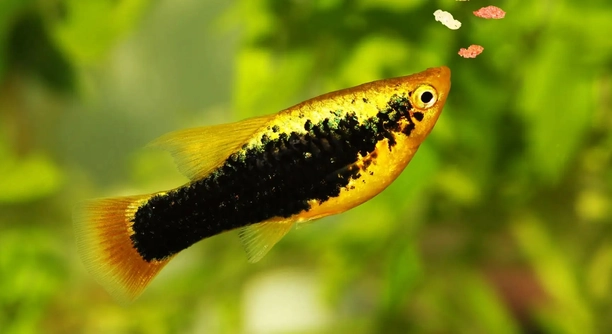
Platies and snails often share the same freshwater aquarium environments. These small creatures coexist in close proximity, influencing each other’s behavior and habitat. Understanding their interaction can help maintain a balanced and healthy tank for both species.
Platies generally show neutral to mild curiosity toward snails, without aggressive behavior. They may occasionally nip at snails or their shells, but this interaction is minimal and does not threaten snail populations in a typical aquarium setting.
Recognizing these interactions supports better aquarium management and helps create a peaceful environment for both platies and snails.
How Platies and Snails Share Their Space
Platies and snails both thrive in freshwater tanks but have different habits that shape their interaction. Platies are active swimmers, constantly exploring the aquarium, while snails mostly stay on surfaces, grazing on algae and leftover food. This difference in behavior usually keeps them from interfering with each other. Platies are not known to hunt or bother snails aggressively. Instead, they might occasionally investigate snail shells out of curiosity. Snails, on the other hand, are slow and tend to avoid fast-moving fish. Their hard shells provide them protection from any minor nips. When feeding time comes, platies often outpace snails, as they are faster and more assertive. Both contribute to tank cleanliness in their ways—platies by eating leftover flakes and snails by cleaning algae. Together, they create a balanced environment without direct competition or conflict.
Snails tend to keep to themselves, making them good tank mates for platies. Their slow movements rarely disturb the fish.
With this coexistence, you can enjoy a lively aquarium where platies swim actively and snails quietly maintain surfaces. Their behaviors complement each other, contributing to a healthy habitat.
Benefits of Keeping Platies and Snails Together
Snails help control algae growth by constantly grazing on surfaces, reducing the need for extra cleaning. Their presence keeps the tank looking tidy and prevents excessive algae buildup, which can harm fish. Meanwhile, platies are lively fish that add color and activity to the tank. They consume leftover food that might otherwise rot and pollute the water. This complementary feeding behavior creates a more stable and cleaner environment. Also, both species are hardy and adaptable, making them easy to care for together. Since platies show little interest in harming snails, and snails are well-protected by their shells, there is minimal risk of injury or stress. Having both in one tank supports a natural balance, making aquarium maintenance simpler and more enjoyable.
Together, platies and snails reduce waste and maintain cleanliness, easing the workload for aquarium owners.
Choosing both species offers a low-maintenance way to keep your tank vibrant and healthy over time. Their combined activity promotes a balanced ecosystem that benefits every inhabitant.
Possible Conflicts Between Platies and Snails
Conflicts between platies and snails are uncommon but can happen in certain situations. Most interactions remain peaceful due to their different behaviors and needs.
If food is scarce, platies might occasionally nip at snails or their shells. This behavior is usually exploratory rather than aggressive, and snails can retreat inside their shells for protection. Overcrowding or lack of hiding spaces may increase stress, leading to more frequent interactions. However, in a well-maintained tank with enough food and space, these incidents remain rare. Both species generally adapt well to cohabitation, keeping conflicts minimal.
Certain snail species with softer shells may be more vulnerable, but platies usually do not cause significant harm. Providing hiding spots and ample food can prevent most conflicts. Observing behavior early helps maintain harmony and ensures a peaceful environment for both.
Feeding Habits and Their Impact
Platies are omnivores that eat flakes, pellets, and live or frozen foods, while snails focus mainly on algae and detritus. Their different diets reduce competition for food. This balance helps maintain a clean tank without one species dominating resources.
Feeding platies regularly with varied food reduces the chance they will bother snails. Snails help clean algae and leftover food, improving water quality. However, overfeeding can lead to excess waste, which harms both species. Monitoring feeding amounts and tank cleanliness supports a healthy environment. Understanding their feeding habits is key to minimizing stress and promoting peaceful coexistence between platies and snails.
Tank Environment Considerations
A well-planned tank reduces stress for both platies and snails. Providing plenty of hiding spots and plants helps snails feel secure and gives platies space to swim freely.
Water quality is important. Regular cleaning and stable conditions prevent illness and keep both species healthy.
Signs of Stress in Platies and Snails
Stress in platies may show as erratic swimming, loss of color, or hiding more than usual. Snails under stress might retreat into their shells and stop moving.
Observing these signs early allows quick action to improve tank conditions and prevent harm.
Compatibility with Other Species
Platies and snails generally get along with other peaceful fish. Avoid aggressive species that may threaten snails or platies.
Choosing compatible tank mates helps maintain a calm and balanced aquarium environment.
Cleaning and Maintenance Tips
Regular tank maintenance is key. Removing uneaten food and cleaning surfaces prevents algae buildup and keeps water clear for all inhabitants.
FAQ
Can platies and snails live together peacefully in the same tank?
Yes, platies and snails usually coexist peacefully. Platies are curious but not aggressive toward snails, and snails keep to themselves. Their different behaviors and diets help reduce conflict, making them good tank mates in most aquarium setups.
Do platies ever harm snails?
Platies rarely harm snails. They might nibble on snail shells occasionally, but this is more curiosity than aggression. Snails protect themselves by retreating into their shells. Serious harm is uncommon if the tank conditions are good and food is sufficient.
What type of snails are best to keep with platies?
Popular snails like mystery snails, nerite snails, and ramshorn snails work well with platies. These species have sturdy shells and peaceful habits, making them compatible with the active nature of platies.
Will platies eat snail eggs?
Platies might eat some snail eggs if they find them while foraging. However, this usually does not significantly impact snail populations if the tank is large and well-fed.
How can I prevent platies from bothering snails?
Ensuring there is enough food and hiding spots helps prevent platies from bothering snails. Feeding platies regularly with varied food reduces their curiosity toward snails. Adding plants and decorations also provides snails safe places to retreat.
What should I feed platies and snails together?
Platies need a balanced diet of flakes, pellets, and occasional live or frozen foods. Snails mainly eat algae, biofilm, and vegetable matter. Offering algae wafers or blanched vegetables can supplement snails’ diet and keep both species healthy.
Can overfeeding affect platies and snails?
Yes, overfeeding can cause leftover food to decay, leading to poor water quality. This harms both platies and snails by increasing toxins in the tank. Feeding the right amount and removing uneaten food helps maintain a clean environment.
How often should I clean a tank with platies and snails?
Regular partial water changes, about 20-30% weekly, keep water fresh. Cleaning algae and debris from surfaces prevents buildup that can stress both species. Snails help with cleaning but should not be relied on entirely.
Do platies and snails require different water conditions?
Both platies and most common aquarium snails prefer similar freshwater conditions: a temperature around 72-78°F (22-26°C) and neutral to slightly alkaline pH. Stable water parameters are important for their health.
Can platies and snails reproduce together?
Platies and snails do not interbreed, but both reproduce easily in the same tank. Snails can multiply quickly, so controlling their population may be necessary to avoid overcrowding.
What signs show that platies and snails are healthy?
Healthy platies swim actively, have bright colors, and eat regularly. Healthy snails move around the tank, feed on algae, and have intact shells. Any lethargy or discoloration may indicate health problems.
Are snails helpful in a tank with platies?
Yes, snails help by cleaning algae and leftover food, reducing waste buildup. This supports water quality and eases maintenance, benefiting platies and overall tank health.
Can platies eat snails?
Platies generally do not eat snails due to their hard shells. Small or baby snails might be at risk if platies nip at them, but this behavior is uncommon and not usually harmful.
How do I control snail population in a tank with platies?
To control snails, avoid overfeeding, remove excess food, and occasionally remove snails manually. Introducing snail-eating fish is an option but should be done carefully to avoid stressing platies.
What are common problems when keeping platies and snails together?
Common problems include overpopulation of snails, poor water quality from leftover food, and stress from overcrowding. Proper feeding, cleaning, and tank size help prevent these issues.
Can platies and snails share the same tank decorations?
Yes, both species benefit from plants, rocks, and hiding places. Decorations provide shelter for snails and swimming areas for platies, promoting natural behavior and reducing stress.
Is it safe to keep platies and snails in a small tank?
Small tanks require careful management to avoid overcrowding and poor water quality. While they can coexist, providing enough space, food, and maintenance is essential for their health.
How do platies react to different snail species?
Platies usually show mild curiosity regardless of snail species. They rarely attack or disturb snails. Differences in snail shell hardness and size can influence how much interaction occurs.
Are there any diseases platies can catch from snails?
Disease transfer between platies and snails is rare but possible if snails carry parasites or bacteria. Quarantining new snails and keeping the tank clean reduces risks.
Should I separate snails and platies during tank cleaning?
Separating them is not necessary during routine cleaning if done carefully. Avoid sudden water changes or strong currents that might stress either species. Handle decorations gently to protect snails.
What tank size is ideal for platies and snails?
A minimum of 10 gallons is recommended for a small group of platies and snails. Larger tanks reduce stress, provide space for movement, and support a stable environment for both.
Platies and snails can share an aquarium with little trouble. Their different behaviors and diets help them coexist peacefully. Platies swim actively and look for food in the water, while snails move slowly and focus on algae and leftover food on surfaces. This natural division of space and habits reduces the chance of conflict between the two species. Providing enough food, hiding spots, and a clean environment supports their peaceful interaction. With proper care, both platies and snails can thrive together in the same tank.
It is important to monitor their environment to keep things balanced. Overcrowding or poor water quality can lead to stress, which might cause unwanted behavior such as platies nipping at snails. Regular tank maintenance, including water changes and cleaning, helps prevent these issues. Feeding the right amount of food prevents waste buildup and competition. Adding plants and decorations gives snails safe places to hide and platies room to swim freely. Paying attention to these factors keeps the tank healthy and calm for all its inhabitants.
Overall, keeping platies and snails together can be rewarding and low-maintenance. Both species bring unique benefits to the aquarium—platies add color and activity, while snails help keep the tank clean. Their complementary roles support a balanced aquatic environment. By understanding their needs and habits, you can create a peaceful tank that allows both to live comfortably. This approach makes caring for your aquarium simpler and more enjoyable over time.

Hello,
If you enjoy the content that we create, please consider saying a "Thank You!" by leaving a tip.
Every little bit helps us continue crafting quality advice that supports the health, happiness, and well-being of pets around the world, for pets of all shapes, sizes, and species.
We really appreciate the kindness and support that you show us!