
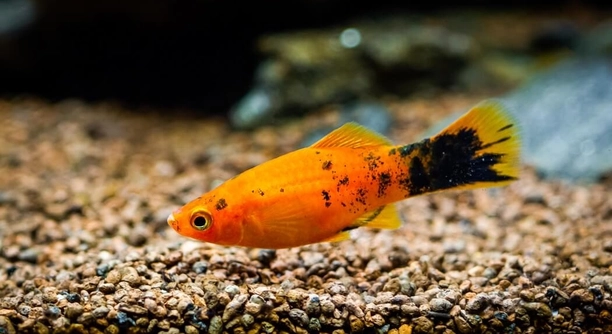
Platies are small, colorful fish that many aquarium owners enjoy watching. Their behavior can be interesting, especially when they explore their surroundings. Understanding how platies act when curious helps in caring for them better.
When platies are curious, they often swim slowly near new objects or areas, using their fins to gently touch or investigate. They may dart briefly, circle around, and show increased activity, signaling their interest in unfamiliar changes within their environment.
Observing these behaviors gives insight into platies’ needs and helps create a comfortable home for them in your aquarium.
How Platies Explore New Objects
Platies show curiosity by carefully approaching new objects in their tank. They often swim close, inspecting with gentle movements. Their fins might lightly touch the object as they gather information. This slow and deliberate approach helps them understand if the item is safe or interesting. Sometimes, they will circle the object several times, changing angles to get a better view. This behavior shows their cautious nature while exploring. If they feel comfortable, their activity level increases, and they swim more confidently around the new item. However, if they sense danger or discomfort, they quickly swim away to safer spots. Watching how platies interact with new decorations or plants can help you decide what works best in their environment. Adding unfamiliar items gradually encourages natural curiosity without causing stress. Overall, their exploration is quiet but purposeful, reflecting their need to learn about changes in their surroundings.
Platies exploring new objects tend to be calm and methodical, rarely rushing but steadily investigating. This behavior shows their natural caution and intelligence.
Getting to know how platies behave around unfamiliar objects can improve tank setup and enrich their environment. Providing safe and interesting things to explore keeps them active and healthy. When introducing new decorations, observe their reactions closely to ensure they feel secure. Adjusting placement or choosing different items can make a big difference. Encouraging this kind of natural curiosity promotes well-being and prevents boredom. The more comfortable they feel, the more likely they are to interact positively with their habitat.
Recognizing Signs of Curiosity in Platies
Platies display curiosity through specific movements and behavior. They become more alert, swim actively, and investigate their surroundings carefully.
When curious, platies raise their fins slightly and may hover near an object or area for several moments. They often pause to look around, showing increased awareness. This behavior can include gentle nudges or short bursts of movement as they assess new stimuli. Their eyes seem more focused, and they may swim back and forth repeatedly to gather more information. This active attention contrasts with their usual, more relaxed swimming patterns. Recognizing these subtle signs helps aquarists understand their fish better and respond to their needs accordingly. Encouraging natural curiosity through a varied and stimulating environment benefits platies by reducing stress and encouraging healthy activity levels. It’s important to observe these signs carefully, as they reflect the fish’s comfort and engagement within their habitat. A curious platy is often a happy platy, showing good adaptation to its home.
How Platies React to Movement
Platies quickly notice sudden movement in their environment. They respond by pausing, turning, or swimming closer to check what caused the change. This reaction is part of their natural alertness.
Their sensitivity to movement helps platies stay safe in the wild. In an aquarium, this means they watch for any activity nearby, such as your hand approaching the tank or other fish swimming fast. When they see quick movements, platies may either become curious and investigate or retreat to a hiding spot. Their reaction depends on how comfortable and confident they feel in their surroundings. Providing plenty of plants and hiding places can help them manage stress caused by unexpected movement. This behavior is a good sign they are aware and active.
Movement also affects their social behavior. When one platy moves suddenly, others may follow or react similarly. This group response helps keep them alert as a community. Watching how platies react to movement can give clues about their mood and comfort level.
Feeding Behavior and Curiosity
Platies become very alert during feeding times. Their curiosity is often strongest when new food enters the tank. They swim actively and gather quickly around feeding spots.
When introducing new food, platies may circle it carefully before eating, showing interest in the unfamiliar item. They often test it gently with their mouths to decide if it’s safe. This behavior reflects their natural caution, even when hungry. Observing how platies react to different foods can help you choose items they prefer and tolerate well. Feeding time is also an opportunity to watch their curiosity in action, as they explore and learn about new tastes and textures. Offering a variety of foods encourages natural foraging behavior and keeps them mentally engaged.
Regular feeding routines build trust and reduce stress, allowing platies to explore more confidently. Mixing fresh and prepared foods helps maintain their interest. Overall, their feeding behavior shows a blend of curiosity and caution that supports healthy living in the tank.
Interaction with Tank Mates
Platies often show curiosity by observing and approaching other fish. They swim around their tank mates, trying to learn about them. This behavior helps build social bonds and establish comfort in the group.
Sometimes, platies gently nudge or follow other fish, showing interest without aggression. This cautious interaction is part of their natural social behavior.
Exploring Tank Environment
Platies regularly swim through plants, decorations, and open spaces to explore. Their natural curiosity motivates them to investigate every corner of their habitat. This exploration helps keep them active and mentally stimulated.
Signs of Comfort and Curiosity
A curious platy appears calm yet attentive. It explores without sudden stress or hiding, indicating comfort in its surroundings.
How do platies show curiosity in a new tank?
Platies usually take their time when introduced to a new tank. They swim slowly around, inspecting plants, decorations, and corners. They may hover near new objects, gently touching them with their fins. This careful behavior helps them feel safer and understand their environment. Over time, as they get more comfortable, their movements become more confident and active.
Why do platies suddenly dart around the tank?
Sudden darting can be a sign of curiosity mixed with caution. When something new appears or changes in their tank, platies may quickly swim away to check it out from a distance. This quick movement is natural and helps them avoid possible threats while exploring. It’s a balance between interest and safety.
Do platies interact differently when curious versus stressed?
Yes, curiosity and stress show in different ways. Curious platies swim calmly and explore new things, often circling objects and touching them lightly. Stressed platies, on the other hand, hide more, swim erratically, or try to escape. Watching their behavior closely can help distinguish curiosity from discomfort.
Can platies recognize their owners?
Platies do recognize movements and changes around their tank, including their owners’ presence. They may swim closer when you approach, especially if you feed them. This shows they associate you with food or safety. However, their recognition is based on patterns, not complex memory.
What kind of tank environment encourages platies to be curious?
A tank with varied plants, hiding spots, and decorations encourages platies to explore. Having different textures and shapes stimulates their natural behavior. Avoid overcrowding the tank, as too many fish can cause stress and reduce curiosity. Clean water and proper temperature also help them feel secure enough to explore.
How do platies behave during feeding time?
Feeding time is when platies show a lot of interest and curiosity. They swim actively toward food, sometimes competing gently with tank mates. When given new types of food, they may test it cautiously before eating. Feeding is both a social and stimulating event that engages their senses and natural foraging instincts.
Do platies show curiosity in groups or alone?
Platies are social fish and usually feel more comfortable exploring in groups. They tend to follow each other when investigating new things, which helps reduce fear. Alone, they might be more hesitant or hide more. Group interaction supports their confidence and encourages natural behaviors.
How can I tell if my platy is happy and curious?
A happy, curious platy swims steadily, explores new items, and interacts calmly with other fish. It does not hide for long or act frantic. Bright colors and regular activity are also good signs. If your platy shows these behaviors, it is likely comfortable and mentally engaged.
What should I avoid to keep platies curious and stress-free?
Avoid sudden changes in the tank, overcrowding, and aggressive tank mates. Loud noises or constant tapping on the glass can stress platies. Keep a stable environment with regular maintenance and gentle introductions of new objects. These steps help platies stay curious without fear.
Can curiosity in platies lead to any problems?
Generally, curiosity is positive, but overly bold fish may injure themselves if the tank has sharp decorations or if they try to jump out. Monitoring their environment and behavior ensures safety. Adjusting the tank setup to remove hazards keeps curious platies healthy and safe.
Understanding how platies behave when they are curious helps in creating a better environment for them. These small fish use careful movements to explore new things in their tank. They swim slowly around new objects, gently touching them with their fins. This cautious approach helps them learn about their surroundings without feeling threatened. When they are comfortable, platies become more active and confident. Watching their behavior closely gives clues about how they feel and what they need. This knowledge allows aquarists to make changes that support the fish’s natural curiosity and overall well-being.
Creating a tank that encourages curiosity is important for platies’ health. A varied environment with plants, hiding spots, and decorations provides many places for them to explore. It keeps their minds busy and prevents boredom. Adding new objects slowly helps platies adjust without stress. Good water quality and stable conditions also play a big role in making the fish feel safe. When platies are comfortable, they are more likely to show natural behaviors like investigating new items and interacting with their tank mates. This kind of environment helps platies stay active, healthy, and happy over time.
Observing platies’ curious behavior can be very rewarding for aquarium owners. Their gentle exploration and social interactions reveal much about their needs and moods. Learning to recognize the difference between curiosity and stress allows better care. When platies are curious, they are usually calm and attentive, showing interest in their surroundings. Understanding these signs helps provide a tank that supports their natural instincts. In turn, this leads to healthier fish and a more enjoyable aquarium experience for everyone involved. Taking time to watch and learn from platies helps build a stronger connection with these colorful fish.

Hello,
If you enjoy the content that we create, please consider saying a "Thank You!" by leaving a tip.
Every little bit helps us continue crafting quality advice that supports the health, happiness, and well-being of pets around the world, for pets of all shapes, sizes, and species.
We really appreciate the kindness and support that you show us!