
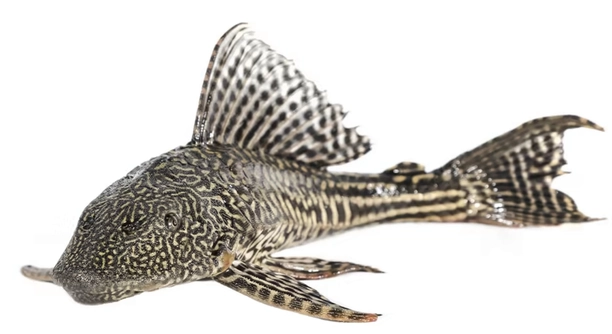
A Pleco’s growth can be a fascinating journey for aquarium owners. Knowing when your Pleco is fully mature helps ensure they receive the care they need to thrive in your tank. Understanding their development is essential for proper care.
Plecos reach maturity when they attain their full size, typically between 2 and 3 years of age. During this time, they undergo physical changes, including increased body length and changes in coloration, signaling their growth.
Monitoring these signs will guide you in maintaining a healthy environment for your mature Pleco.
How to Identify the Signs of Maturity in Your Pleco
As your Pleco matures, its physical changes become more noticeable. These changes include the growth of their size, shape, and coloration. A juvenile Pleco often has a lighter body, but as it matures, its colors deepen, and it can develop distinct markings or patterns. A fully grown Pleco will also become more robust in size. Depending on the species, they can grow anywhere from 6 to 24 inches. Understanding these changes helps you monitor the health of your fish. Ensure that the tank environment is adjusted accordingly as they grow, providing the proper space and care.
Your Pleco’s size is a reliable indicator of maturity. Once they have reached their full length, you’ll know they are near their adult stage. This growth rate can vary based on the species and tank conditions.
Maintaining a proper diet also plays a significant role in the growth process. Plecos are mainly herbivorous but may also consume small amounts of protein. It is essential to provide them with a balanced, varied diet that includes algae wafers, vegetables, and occasional protein sources like brine shrimp. These nutritional needs evolve as they mature. In addition to a suitable diet, ensuring the right water quality is vital. Plecos thrive in stable water conditions, and mature Plecos require proper filtration to maintain a healthy tank environment.
The Growth Rate of Plecos
The growth rate of Plecos can be influenced by several factors. Proper tank size, diet, and water quality all contribute to their overall development. In general, Plecos grow faster in larger tanks that allow for more movement, which promotes healthy physical development.
Young Plecos grow rapidly, often reaching half their adult size in the first year. During this period, they require frequent feedings of high-quality food to support their growth. As they mature, the rate of growth slows, but it continues steadily. For example, a common Pleco can grow up to 6 inches during its first year, with growth slowing down after that. The size of your tank, the type of food you provide, and the water conditions all impact how quickly your Pleco matures. While temperature can influence growth, water quality is one of the most important factors. Ensure the tank water is clean and properly filtered to promote healthy development.
Monitoring Behavior for Signs of Maturity
As Plecos mature, their behavior shifts. They may become more active or start exhibiting certain patterns, such as territorial behavior. You may notice that they spend more time hiding or resting in darker areas of the tank. These changes are natural as they become more confident and secure in their environment.
Mature Plecos are typically more independent, often spending time on their own instead of constantly exploring the tank. They may start to interact less with other fish, especially if they feel threatened by tankmates. Their social dynamics also change—though they’re not as active as juveniles, mature Plecos can still be observed performing specific behaviors like cleaning algae or resting on surfaces. These shifts in behavior can indicate that they are no longer in their growth phase but have reached maturity.
One of the key signs of maturity is that Plecos begin to establish a territory. In the wild, Plecos tend to be solitary, especially when they reach adulthood. In a tank, they may claim a favorite spot and become more protective of it. This could include defending it from other fish. At this stage, their physical growth may slow down, but their behavior becomes more stable. Keeping an eye on these behavioral shifts will give you better insight into the maturity of your Pleco.
Understanding the Pleco’s Physical Appearance
A Pleco’s physical appearance changes significantly as it matures. One of the most noticeable changes is the development of a broader, thicker body. While younger Plecos tend to have a more slender shape, an adult will have a more robust and substantial appearance. The texture of their body also changes, with the scales becoming more prominent and their spines developing into hardened structures.
You’ll also see changes in coloration. As the Pleco matures, the patterns on its body may become more defined. The base color can darken, and some Plecos will develop distinct markings along their sides. These color changes are often species-dependent. For example, the common Pleco typically has a brownish body that darkens with age, while other types may show more vibrant hues or contrasting stripes. It’s important to note that these changes in appearance are gradual, and different species exhibit their maturity at varying rates. The development of these features signals that the Pleco is well on its way to adulthood.
In addition to changes in body shape and color, mature Plecos often develop growths or protrusions on their heads. These can be called “horns” or “odontodes” and appear more prominently in males. They serve both as a visual marker of maturity and may also play a role in mating rituals. These characteristics are most noticeable in species like the Bristlenose Pleco, where males develop bristle-like growths on their snouts. These features are not present in younger Plecos, and they begin to appear as the fish enters adulthood.
Pleco Tank Size and Its Role in Maturity
The size of the tank plays an important role in the growth and development of your Pleco. A larger tank allows for more space to move, which can support a Pleco’s physical growth. Plecos are naturally active and require space for swimming and exploring.
If your Pleco is in a small tank, it may become stunted, which can affect its overall health. Providing a larger tank not only supports growth but also contributes to the Pleco’s well-being as it matures. A 75-gallon tank is often recommended for adult Plecos, depending on the species.
As your Pleco matures, its need for space becomes even more critical. A cramped tank can lead to stress, which impacts growth. A spacious environment ensures the fish can swim freely, maintain proper body shape, and have a higher quality of life. It’s essential to accommodate their size, as they reach adulthood to avoid health complications.
Feeding Your Pleco for Healthy Maturity
Feeding plays a key role in the growth of your Pleco. At different stages of their life, they require different nutritional needs. As your Pleco matures, it needs a more balanced diet to maintain its health and support its growth.
A mature Pleco should be fed a variety of food sources. Include high-quality algae wafers, fresh vegetables like zucchini and cucumber, and occasional protein from sources like shrimp or bloodworms. Regularly offering a mix of these foods will help ensure your Pleco receives the necessary nutrients for optimal health. Avoid overfeeding, as it can lead to obesity, which affects the fish’s ability to grow and mature properly.
Pleco Lifespan and Maturity Timing
Mature Plecos typically live for several years, depending on species and care. Most commonly, they live between 10 and 15 years. Ensuring proper care during the first few years of their life will greatly impact their overall lifespan.
FAQ
How long does it take for a Pleco to reach maturity?
Plecos typically reach maturity in 2 to 3 years, depending on the species. During this period, they grow steadily, with the first year showing the fastest growth. After the initial growth phase, the rate slows down. Some species may take longer, up to 4 years, to fully mature. Regular monitoring of their size and behavior can help indicate when they have reached their adult stage.
What size tank is ideal for a mature Pleco?
A tank size of at least 75 gallons is recommended for an adult Pleco. While younger Plecos can thrive in smaller tanks, they will outgrow them quickly. A larger tank provides the space needed for them to move freely, which is important for their health and maturity. Some species may require even larger tanks as they can grow to over 24 inches.
What is the best diet for a mature Pleco?
A mature Pleco requires a balanced diet that includes algae wafers, fresh vegetables (such as zucchini, cucumber, and spinach), and occasional protein sources like shrimp or bloodworms. This diet helps maintain their health and supports their growth as they reach maturity. Be sure not to overfeed, as it can cause obesity and stress, which can hinder their development.
How can I tell if my Pleco is male or female?
In many species of Plecos, males develop more prominent features as they mature. The most noticeable difference is the growth of bristles or odontodes around the head and face in male Plecos. These bristles are used to attract females during breeding. Females, on the other hand, tend to have rounder, fuller bodies. However, this sexual dimorphism is not always easy to spot, especially in younger Plecos.
Why is my Pleco not growing?
Several factors could be affecting your Pleco’s growth. A common reason is inadequate tank size, which limits space for swimming and proper development. Poor water quality or an unbalanced diet can also stunt growth. Ensure that your Pleco has clean, well-filtered water and a varied diet to encourage healthy growth. Stress from overcrowding or incompatible tank mates can also slow down growth.
Do Plecos continue to grow after reaching maturity?
Once a Pleco has reached maturity, its growth slows significantly, but it can still grow slowly over time. The most noticeable changes after maturity are in behavior and coloration, rather than size. If a Pleco is still growing significantly after 3 years, it may be due to ideal tank conditions or an unusually fast-growing species.
How often should I feed my Pleco as it matures?
Feeding frequency depends on the age and size of the Pleco. When they are young, feeding them once or twice a day is ideal. As they mature, you can reduce the frequency to once every two to three days, depending on the amount of food they consume. It’s important to provide a consistent amount of food without overfeeding.
Can I keep more than one Pleco in the same tank?
Yes, but it’s important to consider the size of the tank and the species of Pleco. Some Plecos, especially larger species, may become territorial as they mature, which could lead to aggression. If you plan to keep multiple Plecos, ensure that the tank is large enough to allow each fish to establish its own territory. It’s also wise to monitor their behavior closely to prevent any conflict.
What are the signs of a healthy, mature Pleco?
A healthy mature Pleco should have clear, vibrant coloration, with a robust, firm body. Its fins should be intact without tears or damage. Active behavior, such as scavenging for food and cleaning surfaces, is also a sign of good health. If the Pleco is lethargic or its coloration is dull, it could be a sign of stress or illness.
How does water temperature affect Pleco maturity?
Water temperature can significantly impact the growth rate and health of your Pleco. The ideal temperature for most Pleco species ranges between 75°F and 80°F (24°C to 27°C). Water that is too cold can slow down metabolism, affecting their growth. Too high a temperature can increase stress and reduce their lifespan. Maintaining stable water conditions is key for a healthy, maturing Pleco.
Can Plecos live with other fish as they mature?
While Plecos are generally peaceful, their compatibility with other fish depends on the species and the tank environment. As they mature, some Plecos can become territorial, especially during feeding time. It’s important to monitor their behavior and ensure that they have enough space to coexist with other fish. Non-aggressive species that occupy different areas of the tank are usually a good match.
Do Plecos need special lighting for maturity?
Plecos do not require special lighting for maturity, but they benefit from a natural day-night cycle. It’s best to provide them with a consistent lighting schedule, with around 10-12 hours of light each day. This helps regulate their natural behavior and encourages algae growth, which they enjoy eating. Avoid placing them under direct bright lights, as it can cause stress.
Final Thoughts
Maturing a Pleco requires patience and attention to detail. Providing the right tank size, feeding them a balanced diet, and ensuring optimal water conditions are all key elements in their healthy growth. While Plecos are resilient and adaptable, neglecting their needs can lead to stunted growth or health issues. It’s important to keep their environment stable and provide them with the proper resources to thrive.
As your Pleco matures, its behavior and physical features will change. Pay attention to these changes, as they can indicate the fish’s health and well-being. Ensuring a proper feeding schedule, along with regular water changes, will promote a long, healthy life. A mature Pleco, when cared for properly, can live for many years, providing an interesting and beneficial addition to your aquarium.
By understanding the needs of a Pleco, you can help it grow and reach its full potential. Although growth may slow after a few years, maturity is an important milestone in their life cycle. Keeping a close eye on water quality, tank size, and diet will make sure your Pleco enjoys a comfortable, healthy life. The rewards of watching your Pleco grow and develop are well worth the time and effort you put into their care.

Hello,
If you enjoy the content that we create, please consider saying a "Thank You!" by leaving a tip.
Every little bit helps us continue crafting quality advice that supports the health, happiness, and well-being of pets around the world, for pets of all shapes, sizes, and species.
We really appreciate the kindness and support that you show us!