
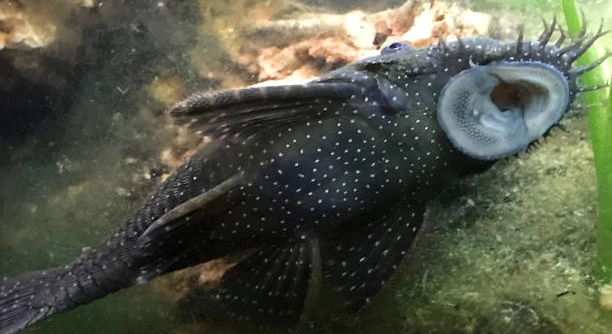
Dehydration in fish is a serious concern, especially for plecos. These freshwater fish are sensitive to their environment, and recognizing signs of dehydration can help ensure their health and well-being.
Dehydration in plecos can manifest through reduced activity levels, changes in appetite, and skin that appears sunken or dry. Environmental factors such as water temperature, water quality, and feeding habits can also contribute to dehydration.
Knowing these signs is crucial to prevent dehydration and improve your pleco’s health. Proper care and attention will ensure they thrive in your aquarium.
Signs Your Pleco Is Dehydrated
When a pleco is dehydrated, it will often show specific signs. A decrease in activity levels is one of the first things you might notice. If your pleco seems sluggish or is hiding more than usual, it could be an indicator that it’s struggling with dehydration. Additionally, plecos may stop eating or exhibit a lack of interest in food. This is often a response to dehydration, as their bodies are under stress. Another sign to watch for is changes in the texture of their skin. It may appear dry or wrinkled, indicating a lack of moisture.
Sometimes, dehydration in plecos can result from improper water conditions. If the water temperature is too high or fluctuates too much, it can contribute to dehydration. Also, poor water quality, like high ammonia levels, can stress your pleco and make them more vulnerable to dehydration. Keeping the water in your aquarium clean and stable is vital to maintaining your pleco’s health.
Providing proper care for your pleco goes beyond just feeding and water maintenance. Pay attention to its behavior and health regularly. This will help you detect any issues, like dehydration, early on and prevent long-term harm to your fish.
How to Prevent Dehydration in Plecos
Maintaining the right water conditions is key to preventing dehydration in plecos. The water should be kept at an ideal temperature, usually between 72°F and 82°F, depending on the species. This range helps keep your pleco comfortable and hydrated. Regular water changes are also important. Make sure the water parameters remain stable and free of harmful chemicals, such as ammonia or nitrates. If your pleco is still having trouble, consider adding a water conditioner to improve the quality.
Another aspect of prevention is monitoring the pleco’s diet. Make sure it’s getting enough food and the right nutrients to stay hydrated. Plecos are algae eaters, but they also benefit from occasional supplementary feedings of sinking pellets or fresh vegetables. If their diet is lacking, they may become more prone to dehydration.
Pay close attention to any changes in behavior or appetite. Early intervention can help prevent serious dehydration and other health problems.
Dehydration and Its Effect on Pleco Health
Dehydration can severely affect a pleco’s health, leading to weakened immunity and susceptibility to diseases. When a pleco is dehydrated, its body becomes stressed, making it harder to fight off infections. Without enough hydration, its vital organs, like the kidneys, can start to function poorly, which can impact its overall health.
Prolonged dehydration in plecos can lead to more serious conditions, such as organ failure or reduced growth. In the worst case, a dehydrated pleco may succumb to the lack of water and nutrients, affecting its quality of life. This makes it even more critical to identify dehydration early. Once dehydration becomes severe, reversing it can be difficult, and the pleco may require immediate care from a veterinarian specializing in aquatic animals.
Staying vigilant about water conditions, temperature, and feeding habits is the best way to prevent these problems from escalating. Regular health checks and observing changes in behavior can alert you to dehydration before it becomes critical.
Hydration Tips for Plecos
Proper hydration for plecos relies on maintaining stable water conditions. Make sure to test the water regularly for pH, ammonia, nitrite, and nitrate levels. Imbalances in these factors can contribute to dehydration. Keeping the water clean with regular changes is a simple but effective way to ensure your pleco stays hydrated.
Additionally, monitor the water temperature carefully. Temperatures that are too high can cause dehydration, as fish are more likely to lose moisture in warmer water. Ensure the water stays within the ideal range for your pleco species. A consistent temperature avoids sudden stress, which can also lead to dehydration.
Lastly, avoid overfeeding your pleco, as this can create excess waste and disrupt water quality, which may worsen dehydration. A proper feeding schedule, along with clean water and appropriate temperatures, ensures your pleco remains healthy and hydrated.
Recognizing Dehydration in Your Pleco
One of the first signs of dehydration in plecos is their change in behavior. They may become lethargic, spending more time at the bottom of the tank or hiding. If they stop eating or seem uninterested in food, it could be a sign of dehydration.
Physical signs include dry or sunken skin. When a pleco becomes dehydrated, its skin may appear wrinkled or tight. The pleco might also look less active, floating more or swimming sluggishly. These signs are your best indicators that something is wrong with your pleco’s hydration levels.
The Role of Diet in Hydration
A balanced diet is key in keeping your pleco hydrated. Offering a mix of algae, vegetables, and quality pellets ensures they get the nutrients needed for proper hydration. Plecos should receive a varied diet to support both hydration and overall health.
Offering leafy greens like zucchini and spinach provides water content, further supporting hydration. When feeding, make sure the food is appropriately sized for the pleco to consume, as large or poorly digested food can cause additional stress. Overfeeding can also lead to water quality issues, which in turn affects hydration.
Adjusting Tank Conditions to Help Hydration
If dehydration is suspected, the first step is adjusting the tank’s water conditions. Regular water changes and proper filtration can help maintain clean water and keep hydration levels balanced. Make sure your pleco’s tank is large enough for proper circulation and oxygenation.
Maintain consistent water parameters like temperature and pH. Stress from fluctuating conditions can worsen dehydration. Keeping these factors stable will help your pleco thrive, reducing the risk of dehydration and ensuring its health.
FAQ
How can I tell if my pleco is dehydrated?
You can tell if your pleco is dehydrated by observing its behavior and physical appearance. Look for signs like lethargy, reduced appetite, and a lack of interest in food. Dehydrated plecos may also exhibit dry, wrinkled, or sunken skin. If they seem more reclusive or sluggish, dehydration may be the cause.
What causes dehydration in plecos?
Dehydration in plecos is often caused by poor water conditions, such as high water temperature, fluctuating pH, or low oxygen levels. A lack of proper hydration from the food they eat can also contribute. Poor water quality, like high ammonia or nitrate levels, can add stress, leading to dehydration.
Can plecos survive without water changes?
Plecos can survive for a time without regular water changes, but it is not ideal. Stagnant water can lead to harmful toxins, lower oxygen levels, and bacterial growth, which contribute to dehydration and other health problems. Regular water changes are essential to maintain a healthy environment and prevent dehydration.
How often should I change the water for my pleco?
For plecos, water changes should be done at least once a week. This helps maintain water quality and remove waste that can contribute to dehydration. Depending on the size of your tank and number of fish, you might need to change the water more often, especially if there is excessive waste buildup.
What is the best water temperature for plecos?
The ideal water temperature for most plecos is between 72°F and 82°F. Temperatures higher than this can stress them and lead to dehydration, as warm water encourages more rapid evaporation. Maintaining consistent water temperature helps plecos stay hydrated and comfortable.
Can plecos get dehydrated if they are overfed?
Yes, overfeeding can contribute to dehydration in plecos. Excess food can lead to poor water quality, which in turn can increase the chances of dehydration. Overfeeding also disrupts their digestion, making it harder for plecos to absorb necessary nutrients, including water.
How can I improve my pleco’s hydration?
To improve hydration, first ensure your pleco’s water is clean, with stable temperature and pH. Offer a varied diet that includes algae, vegetables, and sinking pellets to support hydration. Regular water changes and monitoring the water’s quality are also important to keep your pleco hydrated.
Is it normal for plecos to hide when they are dehydrated?
Yes, it is common for plecos to hide when dehydrated. Dehydration causes stress, and plecos tend to seek hiding places when they are stressed or unwell. If your pleco is spending more time hiding than usual, it may be a sign of dehydration or another health issue.
Can I treat dehydration in plecos at home?
Yes, you can treat dehydration in plecos by improving their environment and diet. Ensure the water quality is optimal, with stable temperature and pH levels. Offer fresh vegetables with high water content, like zucchini or spinach, to support hydration. If symptoms persist, consult an aquatic veterinarian.
How does overfeeding affect water quality and hydration?
Overfeeding causes excess food to break down in the water, which leads to increased waste and poor water quality. This can cause an increase in ammonia, nitrates, and other harmful chemicals, which can stress your pleco and lead to dehydration. Maintaining a balanced feeding routine helps prevent this problem.
What should I do if my pleco’s skin looks sunken or dry?
If your pleco’s skin appears sunken or dry, it may be dehydrated. Check the water conditions immediately to ensure proper temperature, pH, and oxygen levels. You may need to perform a water change and adjust the tank conditions to help your pleco recover. If the issue persists, consult an expert.
Can dehydration affect the growth of my pleco?
Yes, dehydration can stunt a pleco’s growth. Dehydration causes the fish’s body to struggle with absorbing nutrients, which slows down development. If your pleco is not growing as expected, it may be dealing with dehydration, and correcting the hydration issue should help restore its growth rate.
Are plecos more likely to get dehydrated in warm water?
Yes, warm water increases the evaporation rate, causing more rapid water loss and contributing to dehydration. Plecos are more susceptible to dehydration in water temperatures above their recommended range of 72°F to 82°F. Keeping the temperature within this range is important to prevent dehydration.
What can I feed my pleco to prevent dehydration?
To prevent dehydration, feed your pleco a balanced diet that includes algae wafers, leafy greens like spinach or zucchini, and high-quality sinking pellets. These foods contain water content that helps keep your pleco hydrated. Regular, varied feedings are essential for maintaining hydration and overall health.
How can I prevent dehydration in my pleco tank?
To prevent dehydration, maintain stable water conditions, including consistent temperature and proper filtration. Regular water changes help keep the water quality high, reducing the risk of dehydration. Providing your pleco with a proper diet, including water-rich foods, can further prevent hydration issues.
Final Thoughts
Ensuring your pleco stays hydrated is essential for its overall health and well-being. Dehydration in plecos can be caused by a variety of factors, such as poor water conditions, improper diet, or high water temperature. By observing their behavior and physical appearance closely, you can catch the signs of dehydration early. If your pleco becomes lethargic, hides more than usual, or stops eating, these may be indicators that it is dehydrated. Additionally, physical signs like dry or sunken skin are common red flags that should not be ignored.
It’s important to address dehydration as soon as possible to avoid further complications. Start by adjusting the water quality in your tank. Regular water changes, maintaining a stable temperature, and ensuring good filtration will create an environment that supports hydration. Monitoring the water’s pH levels and ensuring adequate oxygenation are also crucial to preventing dehydration. If your pleco’s behavior doesn’t improve after adjusting the water conditions, consider modifying its diet by offering more water-rich foods like zucchini, spinach, and algae wafers. A balanced, varied diet supports hydration and ensures your pleco receives the nutrients it needs to stay healthy.
In addition to these measures, remember that consistency is key in maintaining the long-term health of your pleco. Regular maintenance, such as water changes, monitoring the temperature, and keeping an eye on its diet, will prevent dehydration and other health issues. If you notice that your pleco’s symptoms persist or worsen despite these efforts, it may be a good idea to consult an aquatic vet. They can provide guidance on further steps and help you ensure your pleco gets back to full health. By staying attentive and proactive, you can help your pleco lead a healthy, hydrated life.

Hello,
If you enjoy the content that we create, please consider saying a "Thank You!" by leaving a tip.
Every little bit helps us continue crafting quality advice that supports the health, happiness, and well-being of pets around the world, for pets of all shapes, sizes, and species.
We really appreciate the kindness and support that you show us!