
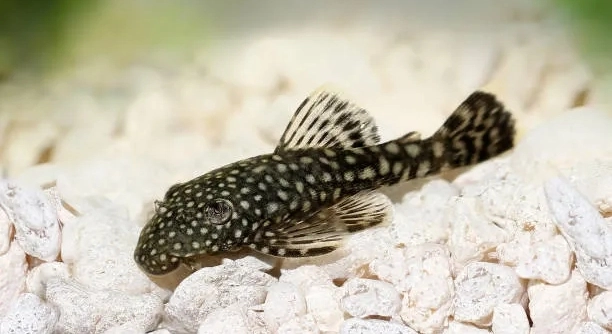
Plecos are wonderful aquarium fish, but their waste can quickly accumulate, leading to water quality issues. Keeping their waste under control is essential for maintaining a healthy tank environment. Knowing how to manage it is key.
To keep pleco waste under control, regular water changes and efficient filtration are necessary. Adding a robust filter and using a vacuum to remove debris can help. Reducing overfeeding and increasing tank maintenance can also prevent waste buildup.
Taking these simple steps will ensure your tank remains clean and your pleco stays healthy. Proper maintenance is the key to long-term success.
Proper Filtration Systems
A strong filtration system is essential in keeping pleco waste under control. Filters remove debris and help maintain water clarity, preventing waste from building up. Choosing the right filter for your tank size is crucial. Look for a filter that can process water at least three times the tank volume per hour. This ensures effective cleaning and prevents waste from settling at the bottom of your tank.
In addition to the filter, using a mechanical, biological, and chemical filtration system will improve water quality. Mechanical filters remove larger particles, biological filters break down organic waste, and chemical filters remove impurities. The combination of all three provides a clean environment for both the pleco and other tank inhabitants.
Regular cleaning of your filter is also necessary to keep it running efficiently. Once a month, clean out the filter to remove trapped debris and ensure the system is not clogged. This helps maintain optimal filtration and reduces the chances of waste buildup.
Water Changes
Performing regular water changes is another important method to control pleco waste. Replacing 20-25% of the water weekly can significantly help in maintaining a clean tank.
Water changes dilute the waste in the tank and prevent toxins from accumulating. When you remove old water, you’re also removing waste particles, creating a healthier environment for your pleco.
Reducing Overfeeding
Overfeeding is a major contributor to waste buildup in your tank. When you feed your pleco more than it can consume, the uneaten food decomposes, leading to an increase in waste and water pollution. It’s essential to feed your pleco in moderation, ensuring they eat everything within a few hours.
Try offering small amounts of food multiple times a day instead of one large feeding. This way, you can better control how much your pleco eats and avoid leftover food. It also helps your pleco digest food more efficiently, leading to less waste production. Be mindful of what your pleco is eating, as overripe vegetables or overly fatty foods can increase waste production.
The key is to observe your pleco’s eating habits and adjust their feeding routine accordingly. If you notice leftover food in the tank, reduce the amount you feed next time. This simple adjustment can go a long way in keeping your tank cleaner.
Using a Gravel Vacuum
Gravel vacuums are essential tools for removing debris from the substrate. By using a vacuum regularly, you can target areas where waste tends to accumulate, such as the gravel and sand at the bottom of the tank. This helps keep your tank cleaner and reduces the buildup of waste.
A gravel vacuum works by sucking up dirt, leftover food, and other waste particles from the substrate while leaving the gravel in place. It’s an effective way to remove debris without disturbing the environment of your pleco. When using the vacuum, focus on areas where your pleco tends to feed or rest, as waste often collects there. Be sure to perform this task during water changes for optimal results.
With consistent use, a gravel vacuum helps maintain a cleaner tank and ensures waste doesn’t linger at the bottom. This simple tool will assist in reducing the need for constant cleaning and allow for healthier living conditions for your pleco.
Choosing the Right Substrate
The substrate you choose plays a big role in waste management. Smooth gravel or sand is easier to clean and prevents waste from getting trapped. Avoid using fine gravel or substrates with small gaps, as they can trap debris and make cleaning difficult.
A good substrate allows easy debris removal and minimizes waste buildup. Opt for a natural-looking, larger-grain substrate that’s gentle on your pleco’s sensitive barbels. This will reduce waste accumulation and help keep your tank clean with minimal effort.
Adding Clean-Up Crew
A clean-up crew can assist in waste control by eating leftover food and organic matter. Snails, shrimp, and certain types of fish help keep the tank tidy, making waste management easier. They won’t eliminate all waste, but they contribute to overall cleanliness.
By adding a few clean-up crew members, you can reduce the amount of work required for tank maintenance. These creatures help break down organic material that would otherwise add to waste accumulation. However, be mindful not to overstock these animals, as they too produce waste. Balance is key.
Avoiding Overcrowding
Overcrowding can increase waste production, as more fish equals more waste. It can also create a stressful environment, affecting your pleco’s health. Keep your tank’s stocking level appropriate for its size and the needs of all its inhabitants.
If you have multiple fish species, ensure each one has enough space and territory. This not only reduces waste but also promotes better health for all your tank’s residents. Less competition for resources leads to a cleaner, more balanced environment.
FAQ
How often should I clean my pleco’s tank?
You should clean your pleco’s tank regularly, ideally once a week, to prevent waste buildup and maintain water quality. During each cleaning session, perform a water change, clean the filter, and vacuum the gravel or substrate to remove debris. This helps to keep the environment healthy and stable for your pleco.
Can plecos be overfed?
Yes, plecos can be overfed, and overfeeding leads to excess waste in the tank. It’s important to feed your pleco only what it can consume in a few hours. Any leftover food will decompose and add to the waste problem. Offering smaller meals multiple times a day helps prevent overfeeding.
What’s the best way to manage pleco waste?
Managing pleco waste requires a combination of proper filtration, regular water changes, and reducing overfeeding. Use a high-quality filter, maintain a clean substrate, and perform weekly water changes to remove waste. These actions, when done consistently, will help manage waste and keep your tank clean.
Can plecos eat too much algae?
While plecos are algae eaters, they can still overconsume. If your pleco only has access to algae and not other food sources, it may not get a well-balanced diet. Offering a variety of foods, including vegetables and pellets, ensures your pleco’s health while preventing overconsumption of algae.
Do plecos produce a lot of waste?
Yes, plecos are known for producing a fair amount of waste. As bottom feeders, they consume a lot of organic material, which results in waste. A good filtration system and regular cleaning are essential to manage their waste production and ensure the tank remains healthy.
What should I feed my pleco to reduce waste?
Feeding your pleco a balanced diet of vegetables, algae wafers, and occasional protein will help reduce excessive waste. Overripe vegetables and fatty foods should be avoided, as they can increase waste production. A varied diet helps keep your pleco healthy while preventing waste buildup in the tank.
Can plecos live in tanks with other fish?
Plecos can live with other fish, but it’s important to choose compatible species. Avoid aggressive or overly territorial fish that may stress out your pleco. Peaceful, non-aggressive fish like tetras, guppies, or peaceful cichlids are generally good tankmates for plecos.
How can I tell if my pleco is healthy?
A healthy pleco is active, has clear eyes, and shows no signs of bloating or visible injuries. It should also be able to graze on surfaces or eat offered food. If your pleco is hiding excessively, has cloudy eyes, or shows signs of fin rot, consult a vet or aquatic specialist.
What type of filter is best for controlling pleco waste?
A powerful filter rated for at least 3 times the tank volume per hour is ideal for controlling pleco waste. Canister filters are often preferred for their high efficiency, as they can handle larger volumes of water and waste. Be sure to clean the filter regularly to maintain its effectiveness.
How often should I change the water in a tank with plecos?
In a tank with plecos, changing 20-25% of the water every week is recommended. Regular water changes help remove waste and toxins that may accumulate in the tank. If you have a heavily stocked tank, consider increasing the frequency of water changes to maintain water quality.
Is gravel or sand better for plecos?
Sand is generally a better substrate for plecos, as it’s softer on their barbels and easier to clean. Fine gravel can trap food and waste, which makes it harder to keep the tank clean. Sand allows for easier debris removal and helps maintain water quality.
Do plecos need special lighting?
Plecos do not require special lighting, but they prefer a tank with natural day-night cycles. Provide soft, indirect light to mimic their natural environment. Avoid bright lights that could stress your pleco. If you have live plants, moderate lighting is also beneficial for plant growth.
Can plecos survive in a small tank?
While plecos can survive in small tanks, they often outgrow them. Most plecos grow large and require a minimum tank size of 50 gallons to thrive. Keeping a pleco in a tank that is too small can result in stunted growth and health issues. It’s essential to provide them with enough space to swim and explore.
Final Thoughts
Keeping pleco waste under control is crucial for maintaining a healthy and clean tank environment. By focusing on key areas like feeding, substrate choice, and regular cleaning routines, you can significantly reduce waste buildup. Overfeeding is one of the biggest mistakes, as it leads to uneaten food that decomposes and adds to the overall waste in the tank. Offering smaller portions more frequently can help ensure your pleco consumes the food within a few hours, reducing the chances of leftover food affecting water quality.
Using the right tools, like a gravel vacuum and proper filtration, can further improve waste management. A good filter will help remove waste particles from the water, while a gravel vacuum allows you to clean the substrate without disturbing your pleco’s habitat. Regular water changes are also essential for removing any dissolved waste and keeping toxins in check. The key to a clean tank is consistency—set a cleaning schedule and stick to it. This not only benefits your pleco but all the other inhabitants of the tank as well.
Incorporating a clean-up crew can assist in keeping waste under control, but it’s important to remember they are not a complete solution. These creatures can help with leftover food and organic material, but they won’t eliminate all waste. Overcrowding your tank with too many fish or invertebrates can also create more waste than your filter or clean-up crew can handle. Maintaining a proper balance of tank inhabitants and regularly monitoring the waste levels will ensure your pleco and its environment stay healthy.

Hello,
If you enjoy the content that we create, please consider saying a "Thank You!" by leaving a tip.
Every little bit helps us continue crafting quality advice that supports the health, happiness, and well-being of pets around the world, for pets of all shapes, sizes, and species.
We really appreciate the kindness and support that you show us!