
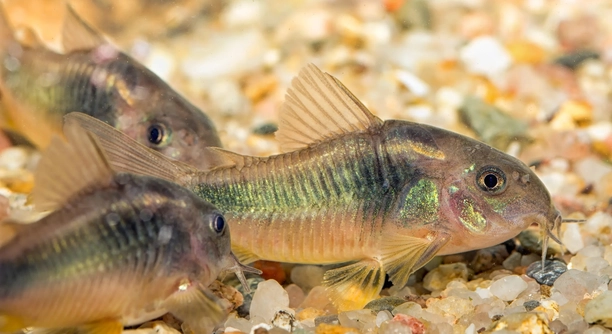
Corydoras catfish are peaceful, social creatures that often form close bonds with their tank mates and their owners. They show affection through their behavior, making them a unique species in the aquarium hobby.
Corydoras catfish express affection through physical contact, such as swimming near their owners or rubbing against their fingers. They also display trust by following their caretakers around the tank, showcasing a strong bond and comfort in their environment.
Understanding their affectionate behaviors can help strengthen the connection between you and your Corydoras catfish, enhancing your aquarium experience.
Understanding Corydoras Behavior
Corydoras catfish are known for their calm and friendly nature. They often swim in groups, showing affection through interactions with other fish and their human caretakers. These catfish can be quite active, especially when they recognize their owners. They may even greet you by swimming near the surface of the tank or rubbing against your hand. These behaviors signal trust, comfort, and a desire for attention. Corydoras also exhibit playful actions, such as chasing one another or investigating their environment. As you become more familiar with their habits, you’ll notice these small signs of affection and care.
Their social structure within the tank plays a significant role in how they interact with you. Corydoras are naturally inclined to seek companionship, whether with fellow fish or with their owner. These little gestures can make them feel more secure and comfortable in their environment.
Recognizing these signs will help you understand your Corydoras better. As a beginner, observing their actions can guide you in providing a more enriching habitat for them. Simple behaviors like following your finger or gently swimming near you show how they bond with their caretakers. By fostering a positive environment, you can encourage them to feel more secure and affectionate.
Physical Contact and Affection
Corydoras display affection by engaging in physical contact with their owners. They may swim close to the glass of the tank or rest near your hand when placed in the water.
This physical closeness is a key part of how Corydoras express their affection. They feel safe in their tank and seek out their caretaker for comfort. Whether they’re nudging your fingers or swimming beside you, these interactions are clear signs of trust. The more frequently you interact with them, the more comfortable they become, deepening the bond. These simple gestures can greatly enhance the connection you have with your Corydoras catfish. Regular engagement helps build a trusting relationship, ensuring your fish feels at ease in its aquatic environment.
Social Interactions
Corydoras catfish thrive in groups, and they tend to show affection through social interactions. They’ll often school together and display synchronized movements. This group dynamic helps them feel secure and encourages them to form bonds.
These catfish are not solitary by nature, so they seek companionship both within their own species and from their human caretakers. When kept in pairs or small groups, Corydoras will often swim near each other, demonstrating comfort and affection. They may also interact with their tank mates, rubbing or nudging against one another in friendly gestures. These interactions are a clear sign of their social nature and their desire for connection.
Observing your Corydoras in action can offer insight into their behavior and emotional state. If they appear more active and interact frequently with their companions, it’s a sign they are content and comfortable in their environment. This social behavior is essential for their overall well-being, so it’s crucial to provide them with the opportunity to bond with others.
Feeding Habits
Corydoras show affection through their feeding habits as well. When they approach you during feeding time, it’s a sign they associate you with food and safety.
Corydoras can become quite excited when they see their owners preparing their meals. They may swim to the surface or eagerly approach the glass, displaying a sense of familiarity and affection. Their anticipation for food can be an indication that they trust you, as they associate your presence with something positive. This behavior is common in tank environments where the fish are well cared for and know their caretakers.
Over time, they’ll begin to recognize feeding times as a routine, which can also strengthen their bond with you. The way they respond to food can help you gauge their comfort level and emotional attachment. When they are relaxed and excited for their meal, it’s a clear sign they feel secure in their environment.
Following You Around
Corydoras catfish often follow their owners around the tank. This behavior is a sign of affection and trust. They associate their caretakers with safety and comfort.
When Corydoras swim near you, they are expressing curiosity and comfort. These fish are naturally social and enjoy the attention of their owners. As they grow more familiar with you, they may follow your movements, creating a sense of companionship. This behavior is a clear indication that they enjoy your presence and feel secure in their environment.
Understanding this habit can strengthen your bond with them. It also shows their ability to form a connection with you, beyond just feeding times.
Exploring the Tank
Corydoras are naturally curious and will often explore every corner of their tank. This exploration can show how comfortable they feel in their environment.
The more secure your Corydoras feel, the more confidently they will explore their surroundings. They will often search for food or investigate new objects, displaying interest and comfort. This active exploration is an essential part of their behavior, as it signals that they are adjusting well to their home and trust their environment. It also shows that they are not fearful, but instead curious and at ease with their surroundings.
Swimming Close to the Surface
When Corydoras swim near the surface, it can indicate affection, as they may be looking for attention or interaction.
This behavior is often seen when they recognize their owner or anticipate feeding time. Swimming near the surface is a way of signaling their presence and expecting interaction. It’s a positive sign, showing that they are comfortable in their tank and feel secure enough to come to the surface.
FAQ
How can I tell if my Corydoras catfish is happy?
A happy Corydoras catfish shows active, playful behavior. They will swim around confidently, often in groups, and explore their tank. They may greet their owner by swimming near the surface or following their finger along the glass. A calm and content Corydoras will also have bright colors and smooth, regular movements. If your catfish is active, social, and doesn’t show signs of stress or illness, it’s likely happy in its environment.
Do Corydoras catfish like to be petted?
Corydoras catfish don’t enjoy being petted in the traditional sense like some pet species, but they do respond positively to gentle interaction. They may swim close to your fingers or rub against your hand in the water. This is a sign of trust, not necessarily affection in the way mammals might show it. Instead, they show comfort through proximity and their willingness to interact during feeding or play.
What does it mean when Corydoras catfish are swimming near the surface?
When Corydoras swim near the surface, it often indicates that they are either seeking food or looking for attention from their owner. This behavior is common during feeding times, as they associate their owners with food. It can also signal that they feel safe enough to swim near the surface, which is generally a good sign of comfort and security in their environment.
Do Corydoras catfish interact with other fish?
Yes, Corydoras are social creatures and will interact with other fish in the tank. They are peaceful and prefer the company of their own species but will generally get along with non-aggressive tank mates. They may engage in playful behavior or swim together in groups. Their interactions help them feel more secure, and they thrive when housed with other friendly fish.
How do Corydoras catfish show affection?
Corydoras express affection through behaviors such as swimming near their owner, following their finger, or gently nudging their hand during interactions. These gestures show trust and comfort with their caretaker. They also show affection to each other by swimming close, rubbing against one another, or engaging in playful activities. Their need for social connection is a key part of their affection.
Why are my Corydoras catfish not moving much?
If your Corydoras catfish isn’t moving much, it could be due to a variety of factors. First, check the water quality, as poor water conditions can cause lethargy. Ensure that the temperature, pH, and ammonia levels are appropriate for your fish. Stress from a lack of tank mates, changes in their environment, or even illness can also contribute to inactivity. Make sure they’re not in an overly aggressive tank environment and that they have enough space to swim comfortably.
Can Corydoras catfish live alone?
While Corydoras can technically live alone, they are social fish and thrive in groups. Keeping them in groups of at least three or more will help reduce stress and provide a more natural social environment. A lone Corydoras may become lonely, which can affect its health and behavior. A group also encourages more playful, affectionate interactions.
What do Corydoras catfish eat?
Corydoras catfish are omnivores and enjoy a diet of high-quality sinking pellets, algae wafers, and a variety of live or frozen foods like bloodworms, brine shrimp, and daphnia. They also forage for leftover food in the substrate, helping to keep the tank clean. Offering a variety of foods will ensure they get the necessary nutrients to stay healthy.
How do Corydoras catfish care for their eggs?
Corydoras catfish do not provide direct care for their eggs once they have laid them. The female will deposit her eggs on plants, rocks, or other surfaces, and the male will fertilize them. After fertilization, the parents typically leave the eggs alone. In an aquarium, it’s common for the eggs to hatch within a few days to a week, depending on water temperature. If you’re breeding Corydoras, you may need to move the eggs to a separate tank to protect them from other fish that might eat them.
Why do Corydoras catfish bury themselves in the substrate?
Corydoras often bury themselves in the substrate as part of their natural behavior. They have barbels on their whiskers that help them search for food in the sand or gravel. This behavior is completely normal and shows they’re actively foraging. If they are burying themselves too much or seem lethargic, it could be a sign of stress or poor water quality, so it’s important to monitor their behavior regularly.
Final Thoughts
Corydoras catfish are fascinating creatures that display unique behaviors to show affection and trust. These fish are social and thrive in the company of others, whether it’s their own species or their human caretakers. They may follow their owners around the tank, swim close to the surface, or show excitement during feeding times. These small gestures, while subtle, reveal their emotional connection and comfort with their environment. Corydoras are a reminder that even fish, often seen as simple creatures, can form bonds and express emotions in their own way.
To ensure that your Corydoras catfish feel safe and loved, it’s important to maintain a stable environment with good water quality and appropriate tank mates. Providing them with plenty of space to explore, as well as the company of other Corydoras, will help keep them active and happy. As social creatures, they rely on their interactions with others to feel secure. It’s also essential to observe their behavior for signs of stress or illness, as these can affect their overall well-being. By paying attention to their needs and fostering a healthy environment, you can enhance their quality of life.
Corydoras catfish are low-maintenance pets that can bring joy to any aquarium. Their gentle nature and playful behaviors make them ideal for beginners and experienced fishkeepers alike. While they may not show affection in the same way as other pets, their actions, such as swimming near you or exploring the tank, are clear signs of their trust and happiness. Understanding these behaviors helps create a stronger bond with your fish, making them a rewarding species to keep. With the right care, Corydoras can thrive and form lasting connections with their environment and the people who care for them.

Hello,
If you enjoy the content that we create, please consider saying a "Thank You!" by leaving a tip.
Every little bit helps us continue crafting quality advice that supports the health, happiness, and well-being of pets around the world, for pets of all shapes, sizes, and species.
We really appreciate the kindness and support that you show us!